Raghunath Temple
Raghunath Bazaar, old city
A large 19th-century Dogra temple complex dedicated to Rama, with gilded spires and many shrines with lingams and images of the gods.
Open in Google Maps (opens in a new tab)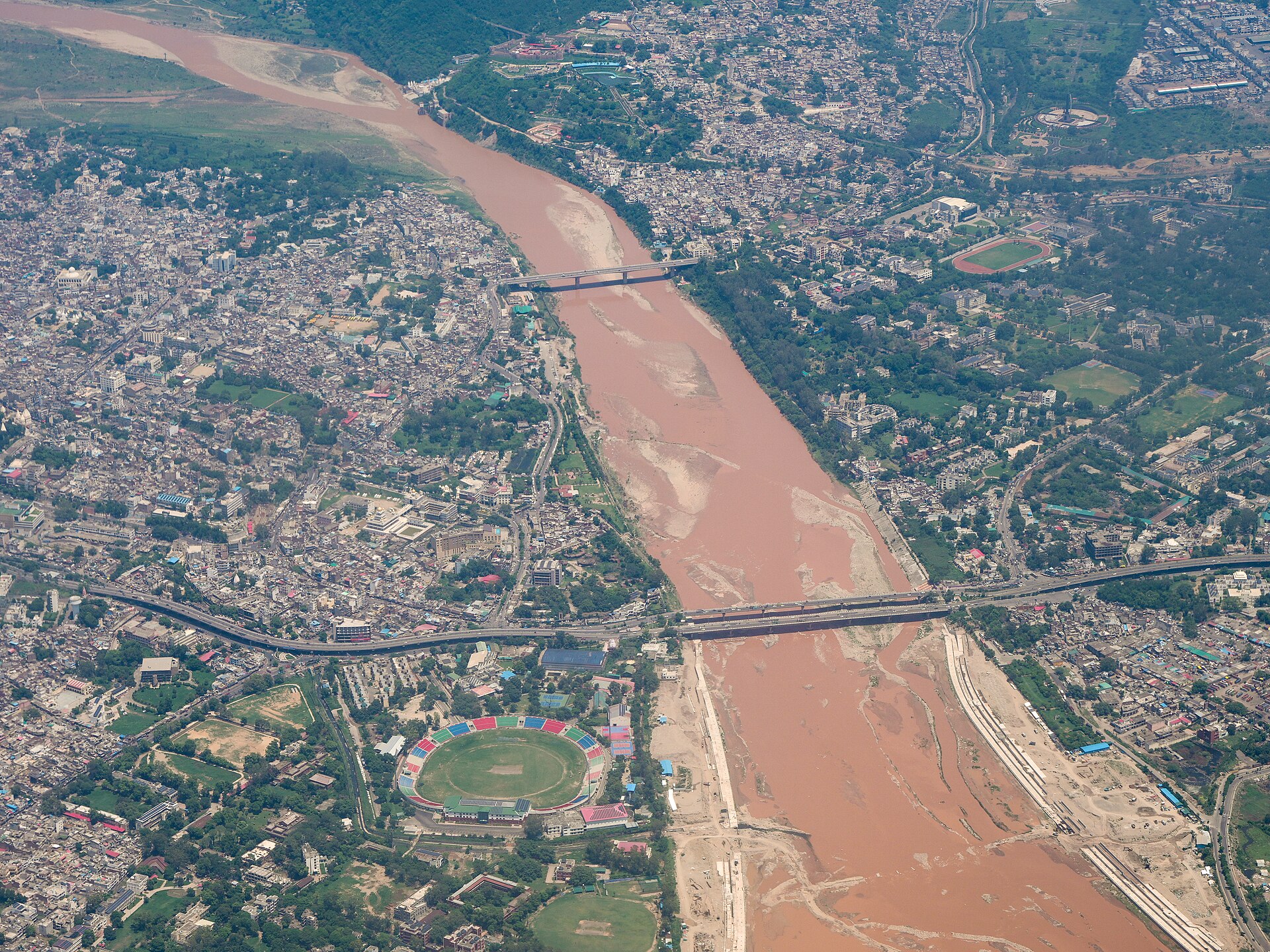
 Jammu, India
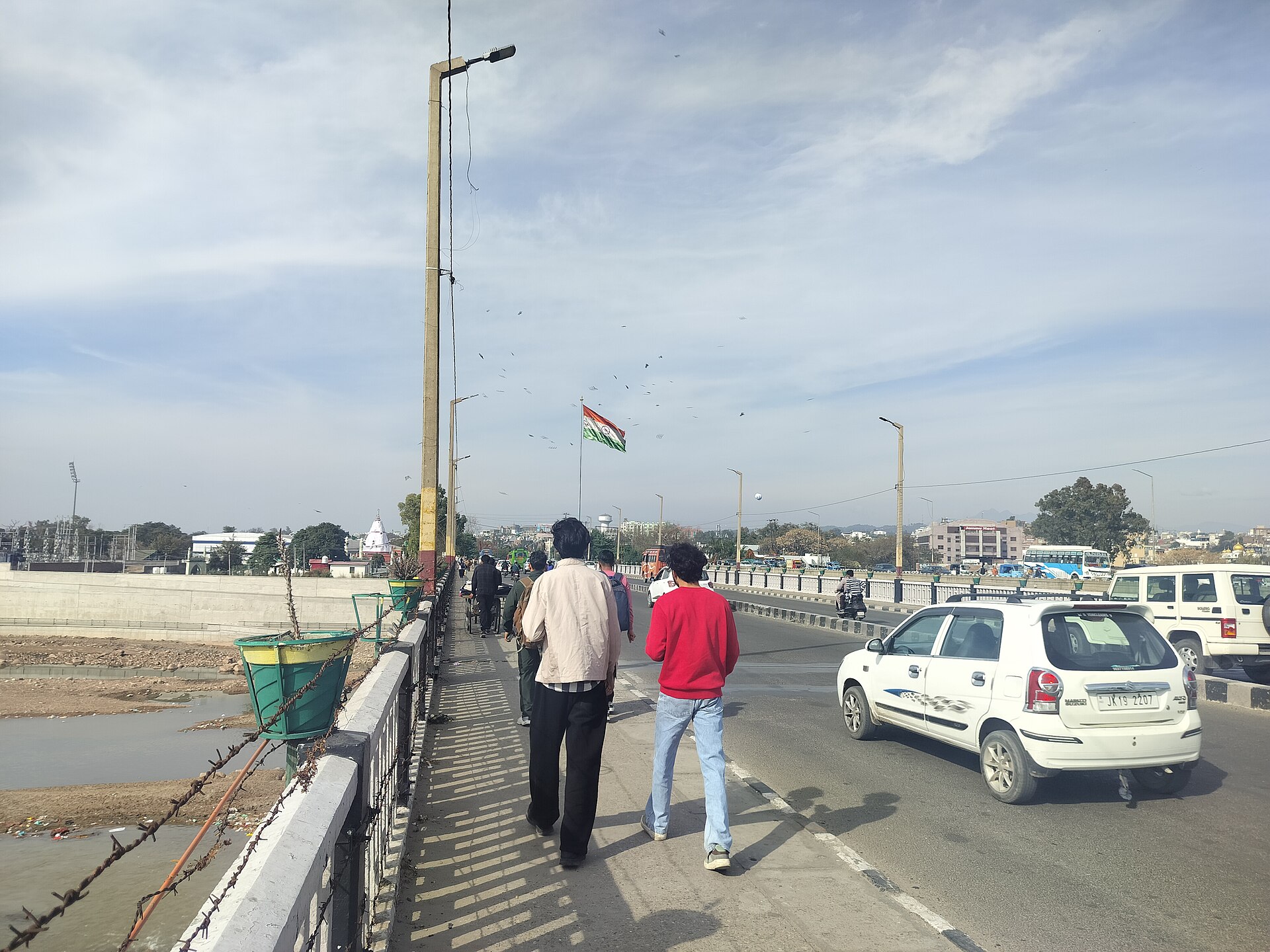
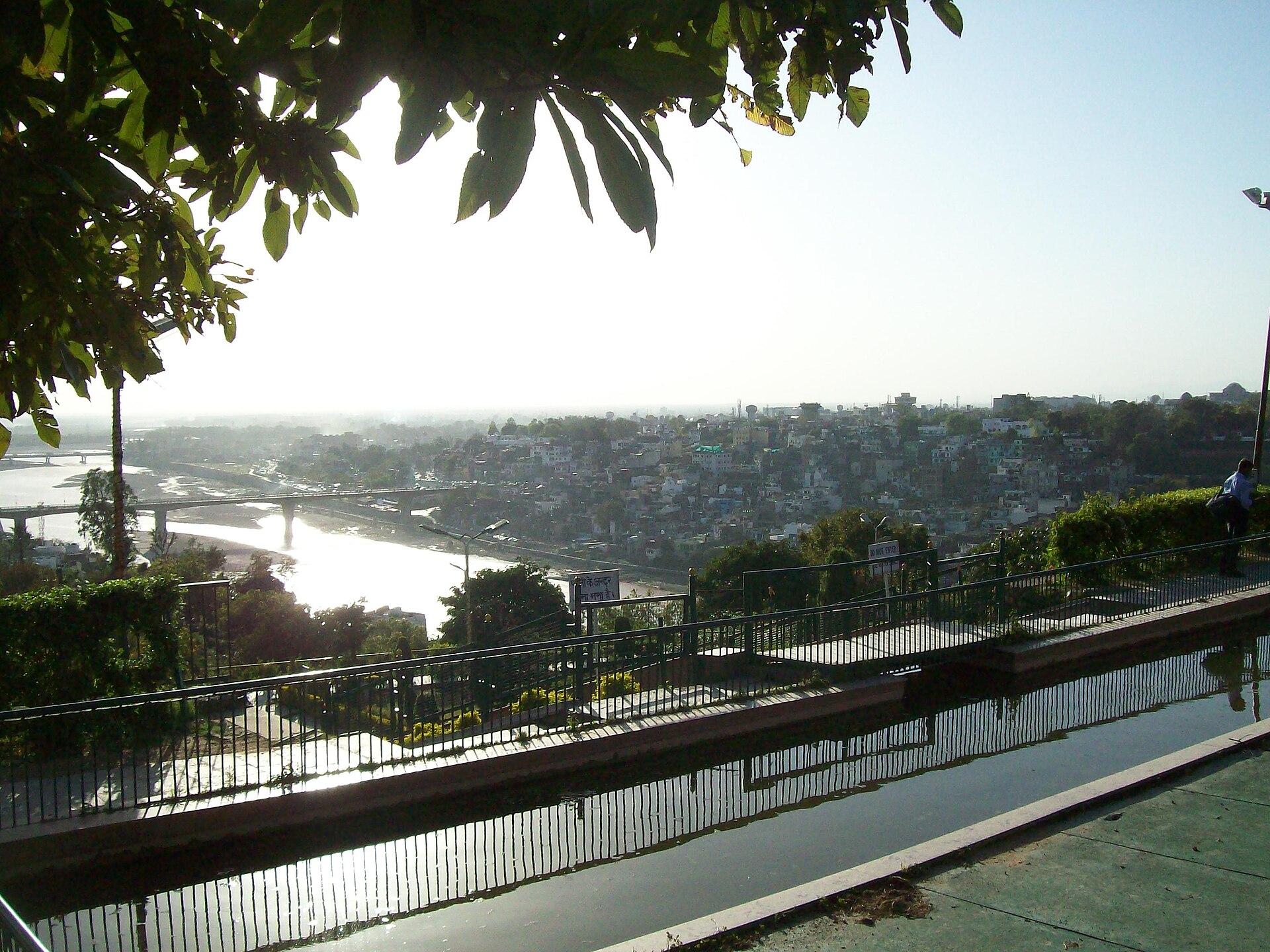
The winter capital of Jammu and Kashmir on the Tawi river, the "city of temples", with the Raghunath Temple, Bahu Fort and the palaces of the Dogra rulers, and the gateway to Katra and Vaishno Devi.
Raghunath Bazaar, old city
A large 19th-century Dogra temple complex dedicated to Rama, with gilded spires and many shrines with lingams and images of the gods.
Open in Google Maps (opens in a new tab)Left bank of the Tawi
An old fort above the river with a temple to the goddess Kali inside, and the terraced Bagh-e-Bahu gardens below with an aquarium.
Open in Google Maps (opens in a new tab)Above the Tawi
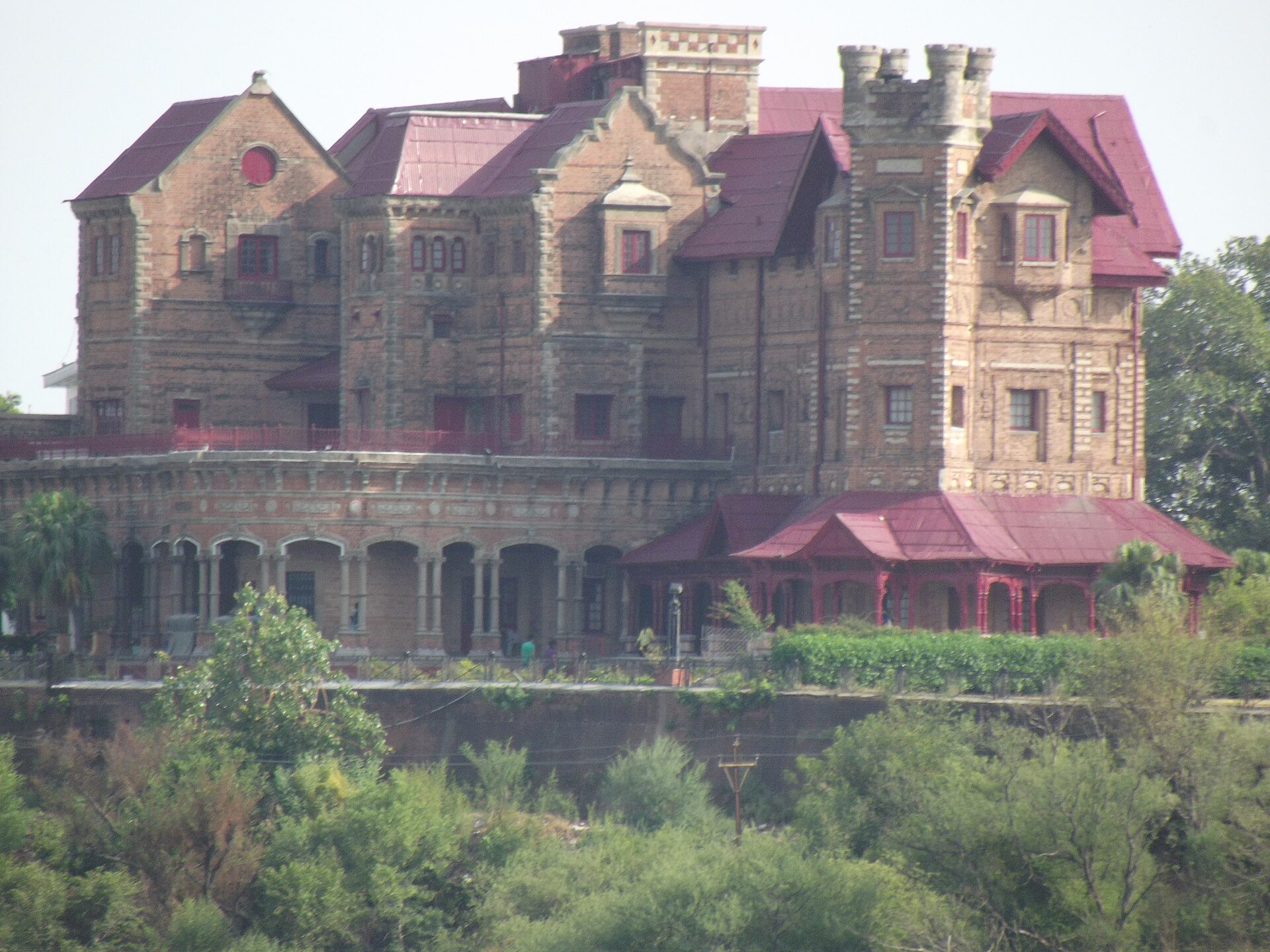
A French-chateau-style palace of the Dogra rulers, now a museum with Pahari paintings, a library and a golden throne.
Open in Google Maps (opens in a new tab)Old city
The sprawling old palace complex of the Dogra rulers, mixing Rajasthani, Mughal and European styles; parts house the Dogra Art Museum.
Open in Google Maps (opens in a new tab)Near the Tawi
A cave shrine with a natural Shiva lingam, said to be very old.
Open in Google Maps (opens in a new tab)Mubarak Mandi
Basohli miniatures, sculpture, manuscripts and weapons from the Jammu region.
Open in Google Maps (opens in a new tab)Shalimar Road
A 19th-century Shiva temple with a tall lingam and crystal lingams, built by Maharaja Ranbir Singh.
Open in Google Maps (opens in a new tab)Jammu, India
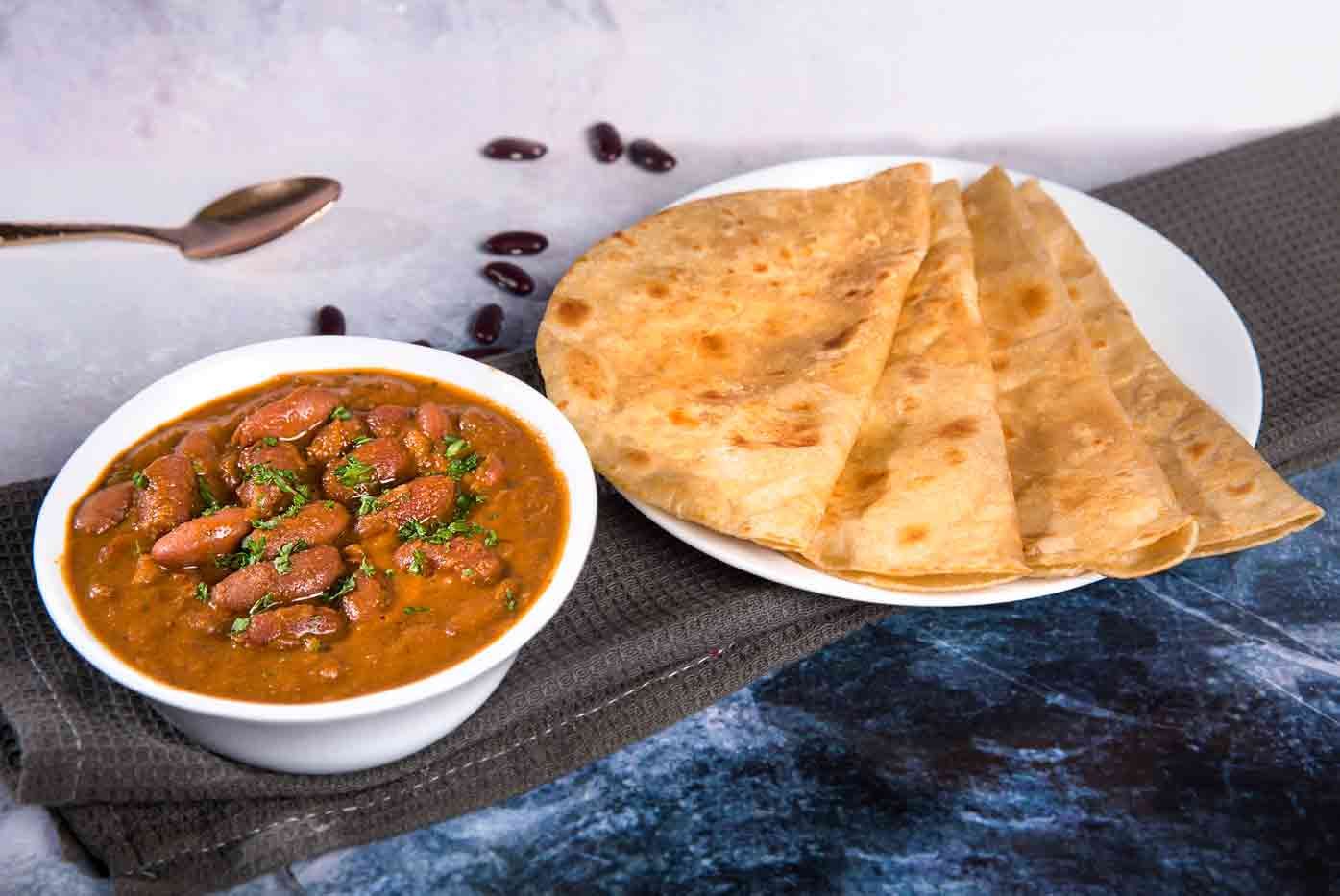
Jammu, India
Kidney beans in a thick spiced gravy with rice — a staple across Jammu, where the small red rajma of Bhaderwah is especially prized. Simple, filling and served at dhabas along the Jammu–Srinagar highway and in Katra.
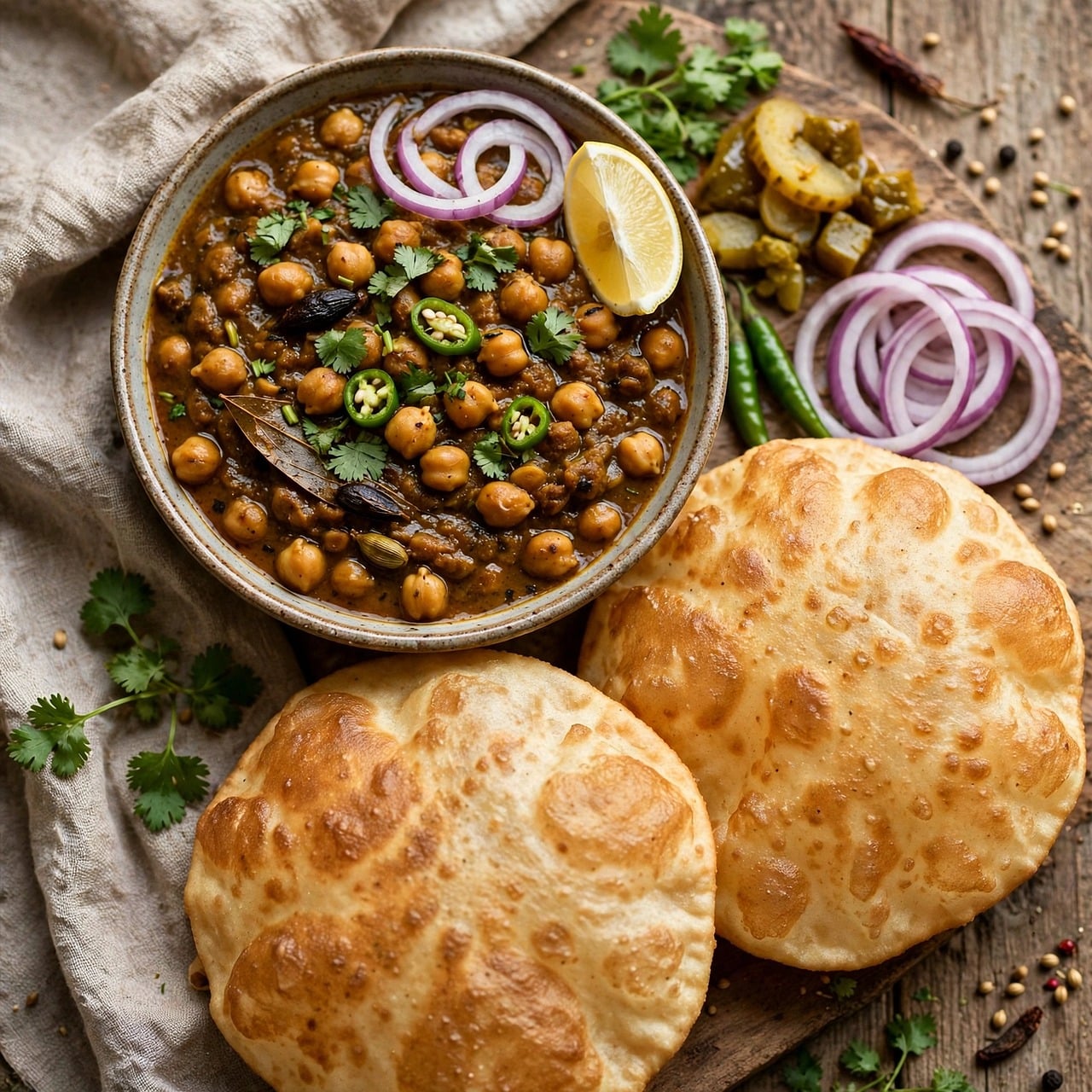
Jammu, India
Spicy chickpea curry with large puffed fried breads, pickled onions and green chillies — a heavy Punjabi breakfast or lunch eaten from specialist shops in Chandigarh, usually before midday.
Old city
Sweet shops, street food carts with kalari kulcha and small vegetarian restaurants.
Open in Google Maps (opens in a new tab)New Jammu
Restaurants and cafes serving Dogra, Punjabi and North Indian food.
Open in Google Maps (opens in a new tab)South Jammu
Convenient for trains to Katra and the airport, with hotels of every level.
Open in Google Maps (opens in a new tab)Central Jammu
Close to the temples and markets.
Open in Google Maps (opens in a new tab)Jammu is the heart of Dogra culture, with the Dogri language, Basohli and Pahari miniature painting and the Lohri and Baisakhi festivals. Temples line the old streets, and the Navratri festival in autumn draws pilgrims on their way to Vaishno Devi. Kalari cheese, rajma and local sweets such as patisa are favourites.
Tradition says Jammu was founded by Raja Jambu Lochan in the 14th century BC on the banks of the Tawi, though the town's recorded history begins much later. It was the seat of the Dogra rajas, and in 1846, under the Treaty of Amritsar, Maharaja Gulab Singh became ruler of the whole state of Jammu and Kashmir.
The Dogra rulers built the Raghunath Temple complex, the Mubarak Mandi palaces and the Amar Mahal. Jammu remains the winter capital of the union territory, when government offices move from Srinagar (the old "Darbar Move" tradition was ended in 2021).
Morning darshan and the old bazaar.
Palace museums of the Dogra rulers.
Late afternoon at the fort and gardens above the Tawi.
October to March, when it is pleasantly cool. Summers (April–June) are very hot; the monsoon brings heavy rain in July–August.
By air: Jammu Airport (IXJ) has flights from Delhi, Srinagar, Leh and other cities.
By train: Jammu Tawi is a major station with trains from Delhi, Mumbai, Kolkata and across India. Trains continue to Shri Mata Vaishno Devi Katra and, through the new mountain line, towards the Kashmir valley — check current services.
By road: on NH44, about 600 km from Delhi; buses run from Delhi, Punjab, Himachal and to Srinagar.