Lachen

Lachen, India

Lachen

A remote village in North Sikkim and the base for the high, sacred Gurudongmar Lake — one of the highest lakes in India — and the wide Chopta Valley, on a high-altitude road close to the Tibetan plateau.

Favourite places

Local food

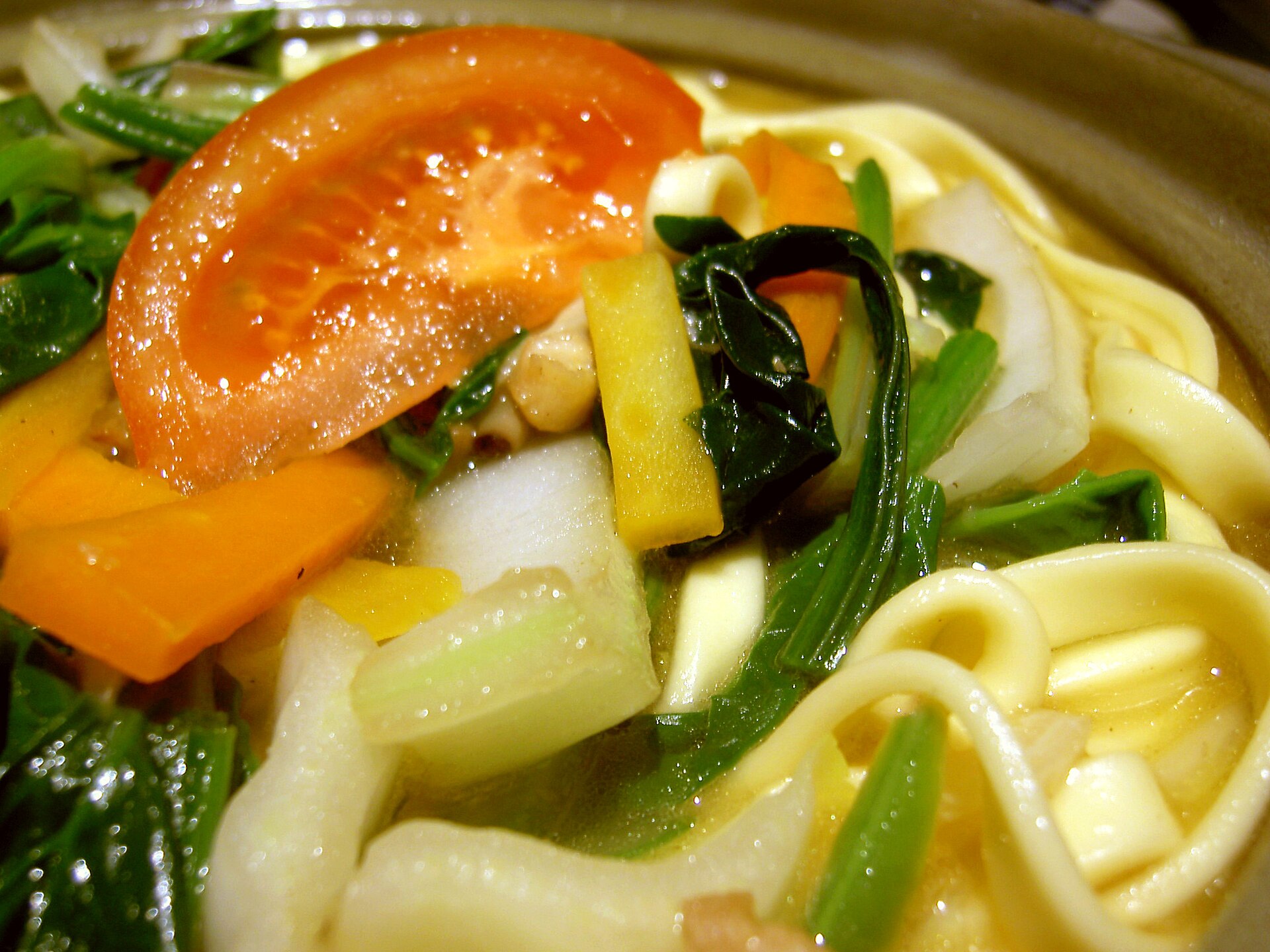
  • Thukpa

    Lachen, India

    A warming noodle soup with vegetables, egg, chicken, pork or yak meat, eaten across the Himalaya. In Tawang, Bomdila and Sikkim it is the standard lunch on a cold day.

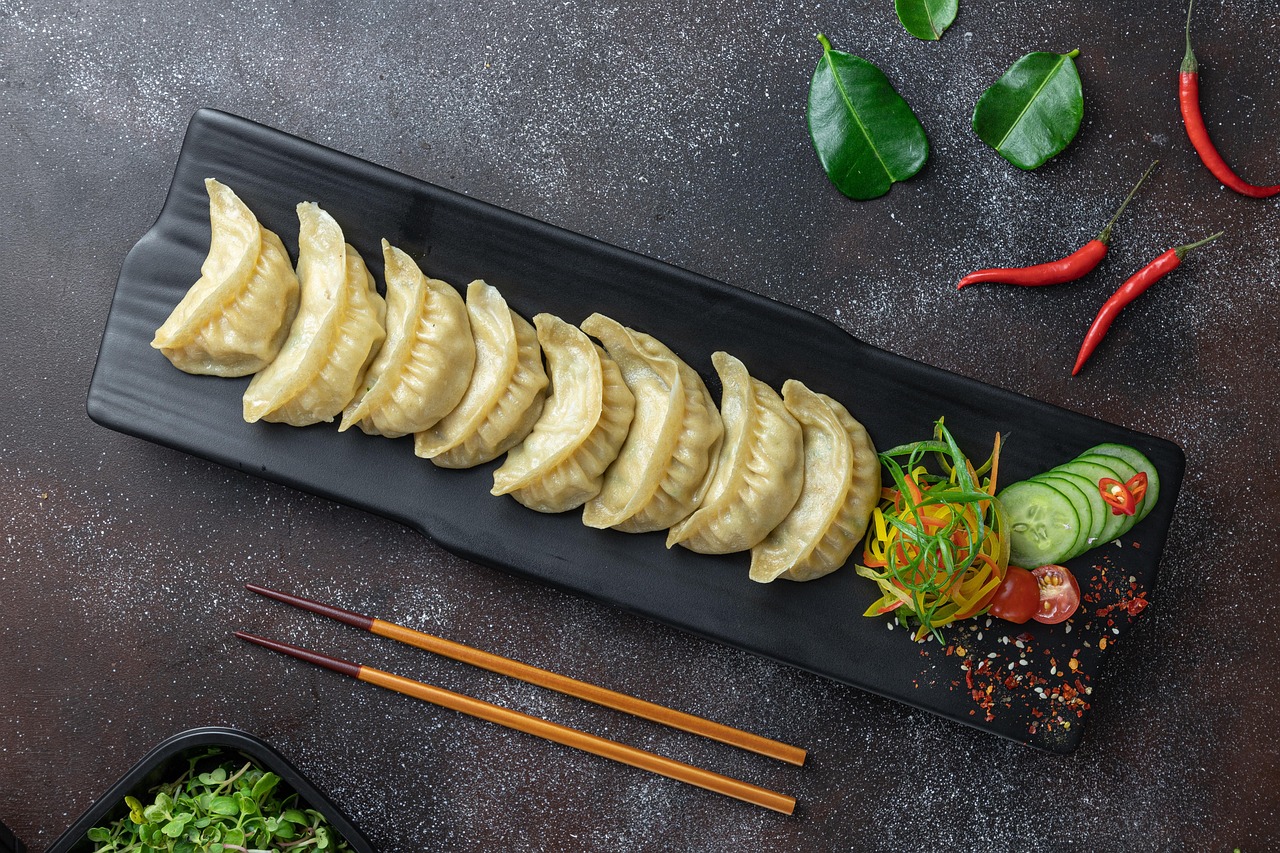
  • Momos

    Lachen, India

    Steamed or fried dumplings filled with pork, chicken, beef, cheese or vegetables, served with a fiery tomato-chilli sauce and a clear soup. Sold everywhere from small family kitchens to street stalls in the hill towns.

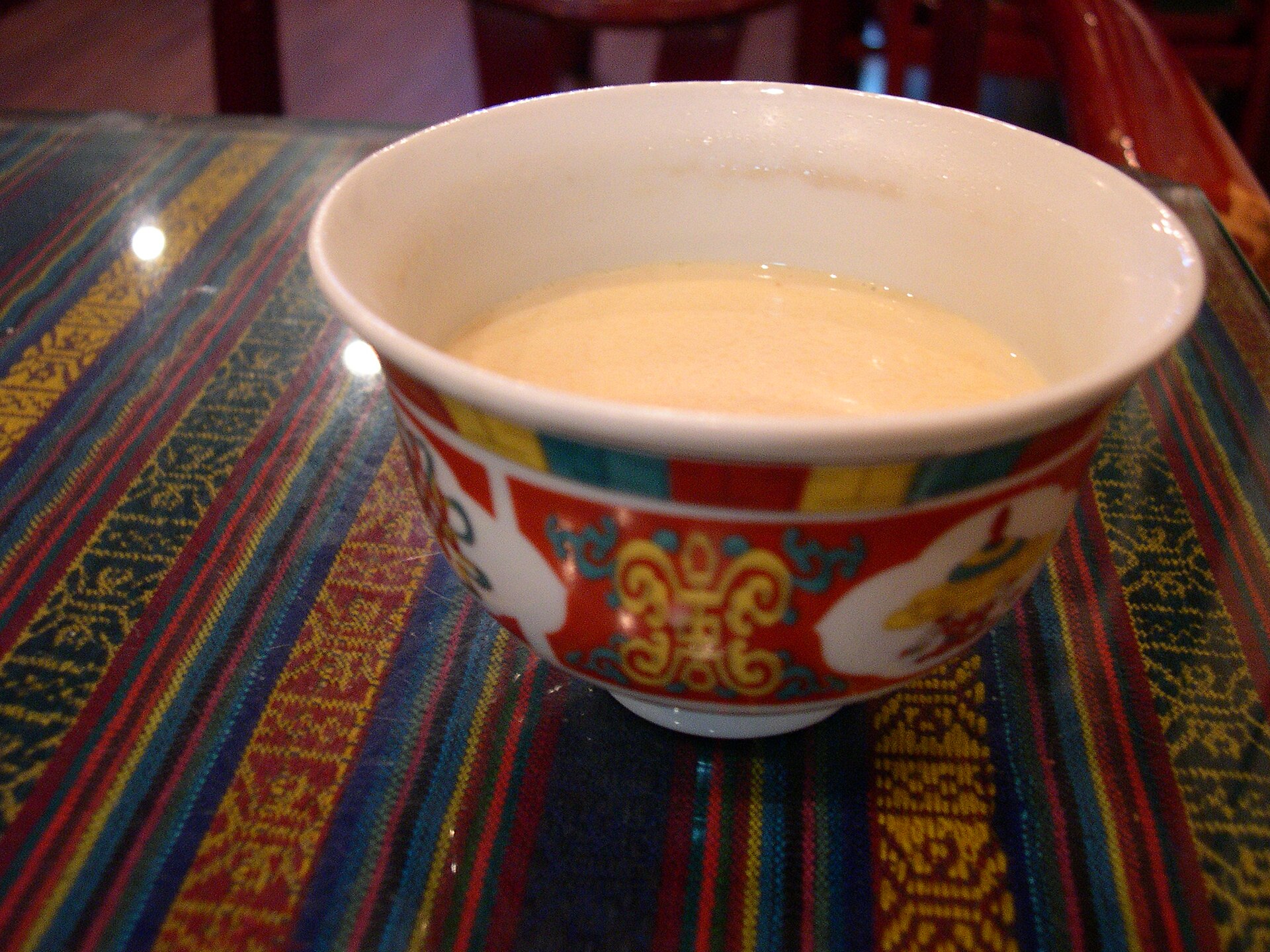
  • Butter tea (po cha)

    Lachen, India

    Tea churned with butter and salt, offered in Monpa and Bhutia homes and monasteries. Salty rather than sweet, and good against the cold at altitude — a cup is a gesture of hospitality.

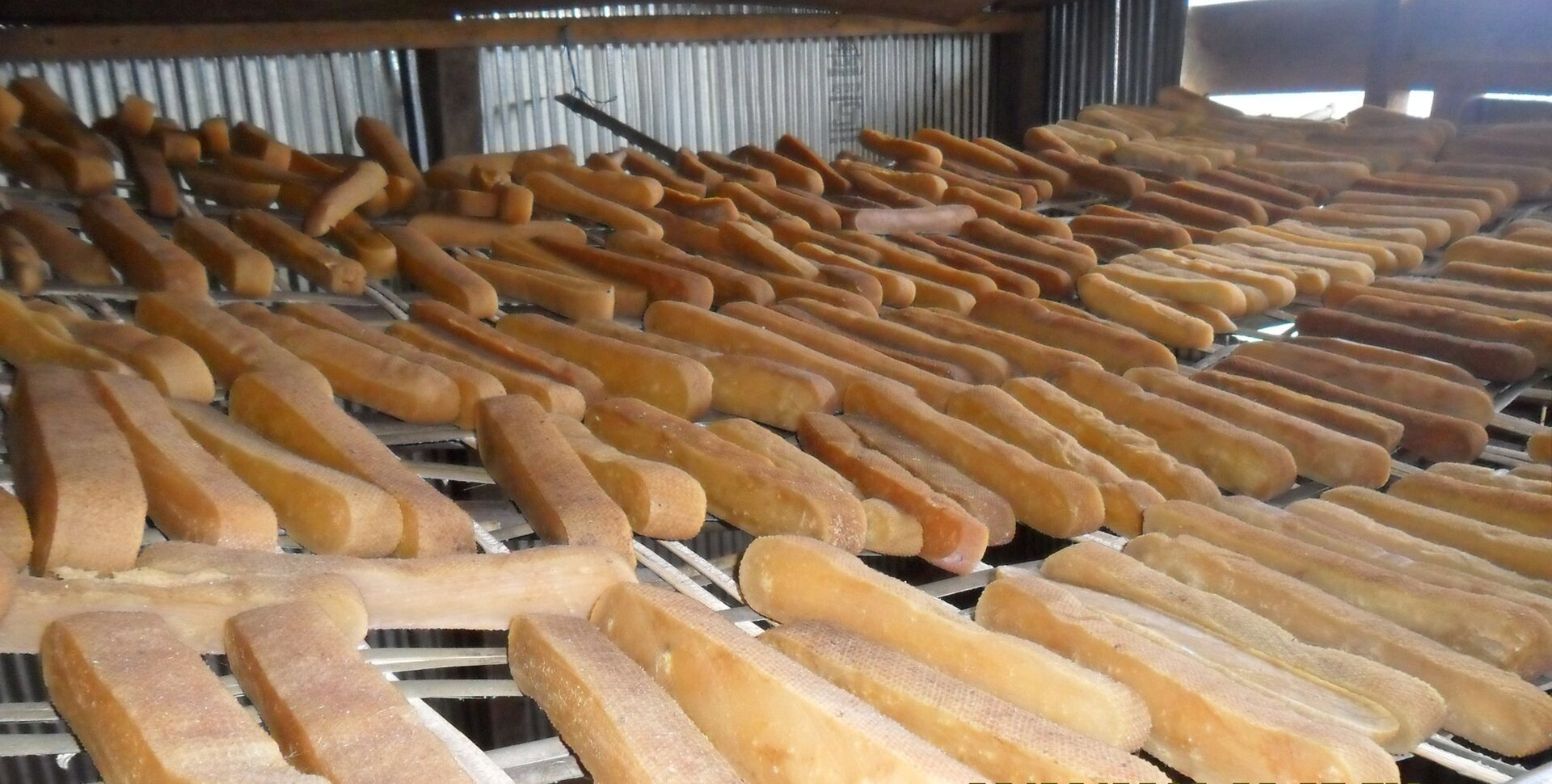
  • Chhurpi

    Lachen, India

    Yak or cow milk cheese in two forms: soft chhurpi cooked into curries and pickles with chilli (chhurpi achar), and hard dried chhurpi chewed slowly for hours. Sold in markets in Gangtok and the northern villages.

Where to eat

Where to stay

Culture

Lachen is a small, close-knit village of wooden houses, yak herders and monastery prayers, with the Dzumsa deciding village affairs. Further up, at Thangu, herders take yaks to summer pastures. At Gurudongmar, pilgrims of several faiths pray and take water from the lake.

History

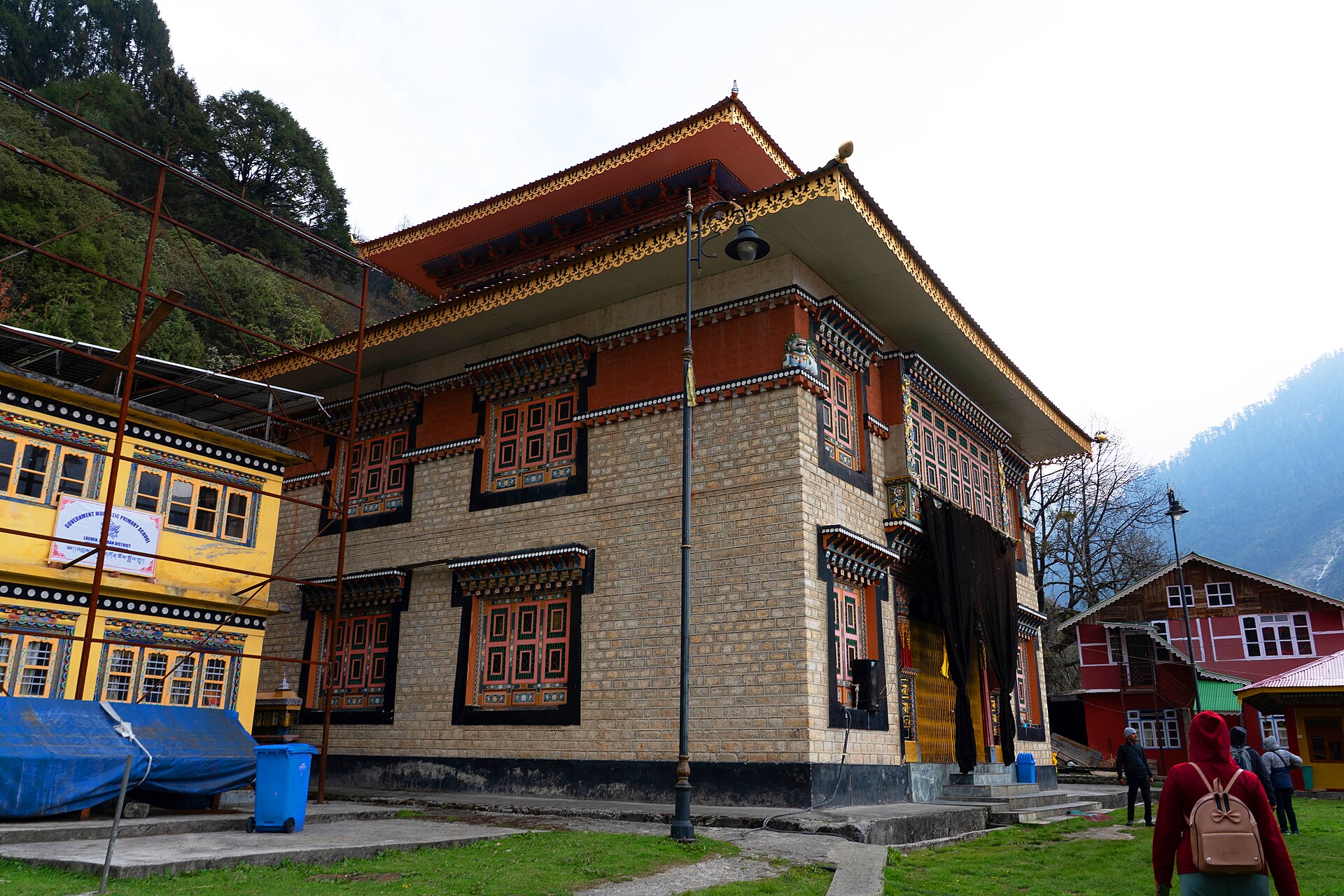
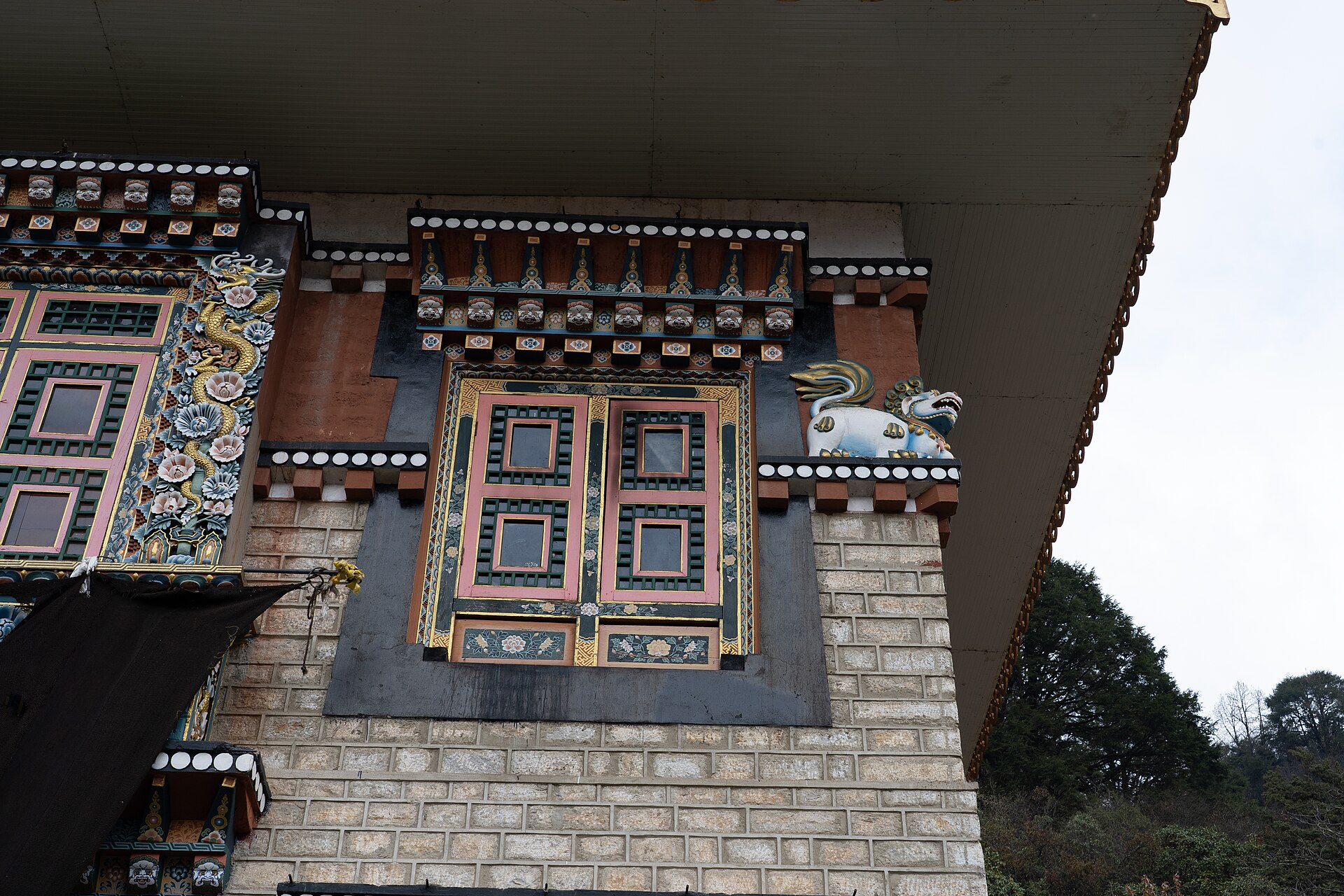
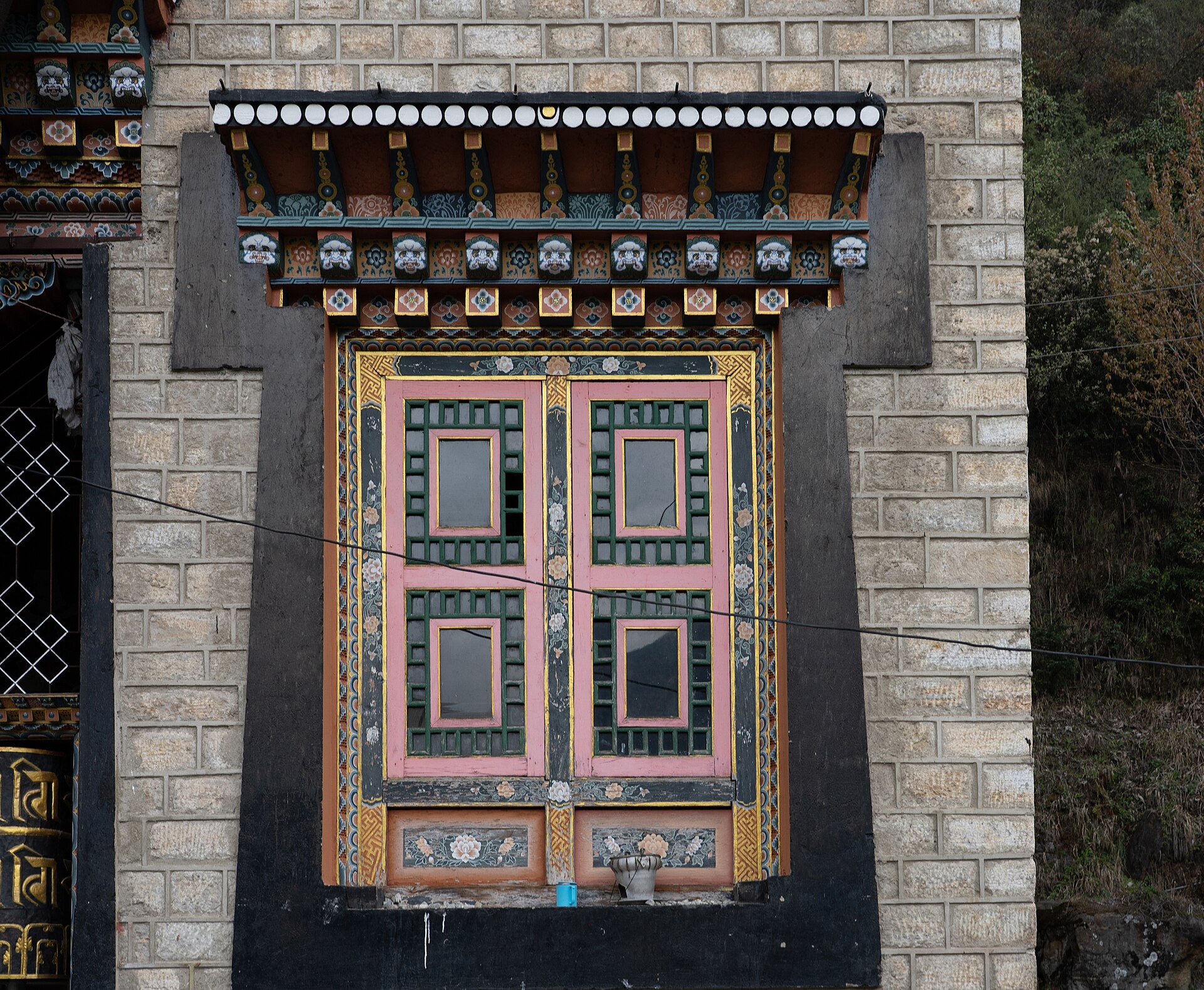
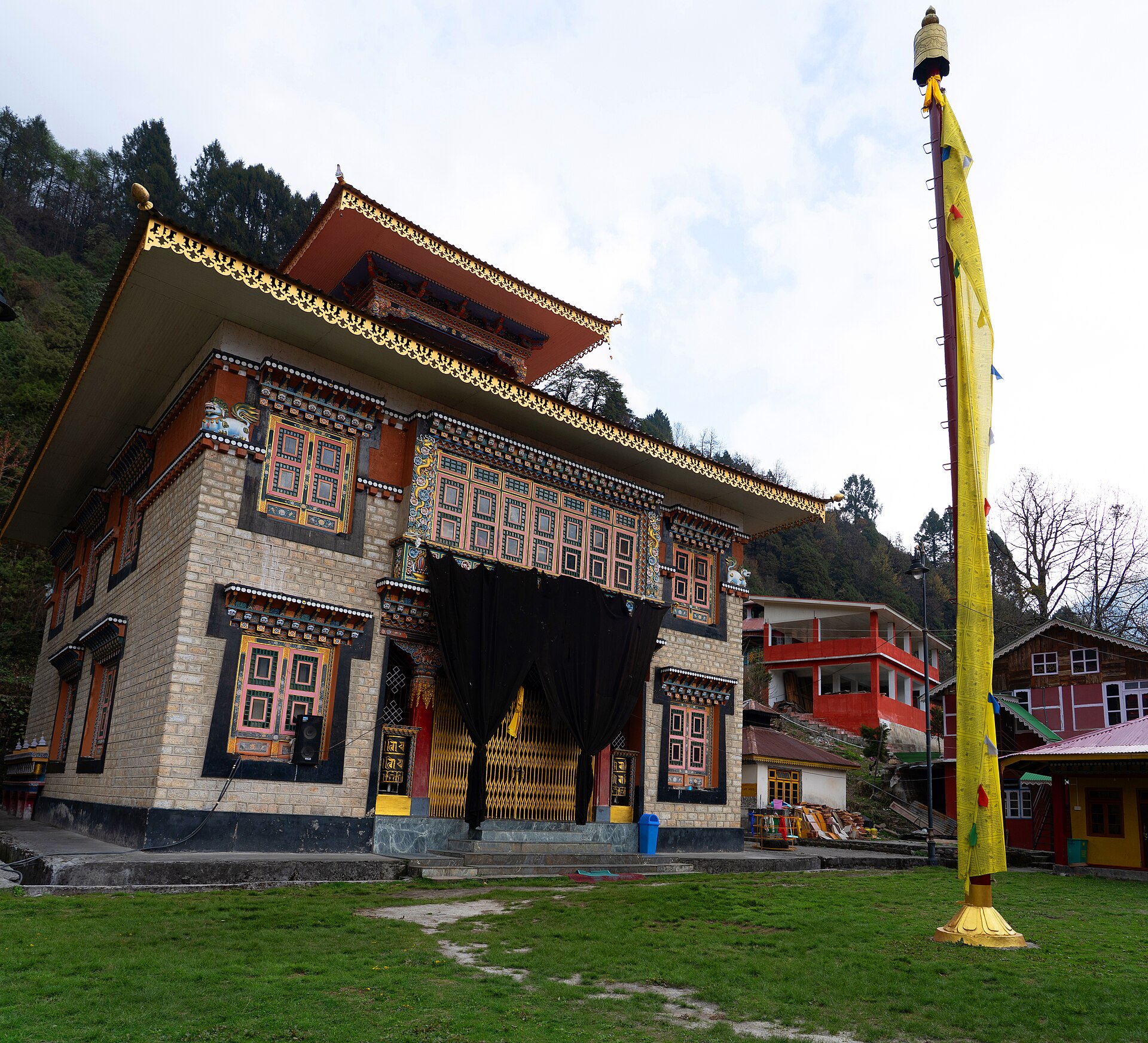
Lachen, at about 2,750 m on the Lachen Chu, is a village of the Lachenpa Bhutia, governed like Lachung by its own Dzumsa village council. The Lachen Monastery of the Nyingma school stands above the village.

Gurudongmar Lake, at around 5,400 m, is sacred to Buddhists, Sikhs and Hindus and is linked with Guru Padmasambhava (Guru Rinpoche), who, legend says, blessed part of the lake so that it never freezes completely. The area lies close to the border and is a protected zone under army control.

Tour plans

North Sikkim: Lachen and Gurudongmar

3 days, 2 nights
  1. Step 1: Day 1 — Gangtok to Lachen

    Drive via Mangan and Chungthang; rest and acclimatise.

  2. Step 2: Day 2 — Gurudongmar

    Pre-dawn start, Chopta Valley and Gurudongmar Lake, then back to Lachen (or over to Lachung where the itinerary allows).

  3. Step 3: Day 3 — Return

    Drive back to Gangtok.

Map

Open in Google Maps (opens in a new tab)

Travel information

Best time to visit

April to June and October to November, when the road to Gurudongmar is usually open and the skies clear. Winter brings heavy snow and road closures; the monsoon brings landslides.

How to get there

Permits: Indian citizens do not need a permit to enter Sikkim. Foreign nationals need a Restricted Area Permit (RAP), issued online or at the entry check posts (such as Rangpo and Melli) and by Indian missions; some nationalities face extra restrictions. Protected areas — North Sikkim (Lachung, Lachen, Yumthang, Gurudongmar), Tsomgo Lake and Nathu La — need an extra permit for everyone, usually arranged by a registered Sikkim tour operator, and some points are open to Indian citizens only. Check the current rules before you travel.

North Sikkim is reached from Gangtok via Mangan and Chungthang, where the road splits for Lachung (Yumthang) and Lachen (Gurudongmar). It is visited on a permit tour with a registered Sikkim tour operator, using local vehicles; the permits are arranged in Gangtok, usually a day ahead. In October 2023 a glacial-lake flood on the Teesta damaged roads and bridges around Chungthang, and access has been closed or restricted at times since — always check the current road status before planning.

By air and train: the nearest airport is Bagdogra (IXB) and the nearest major station New Jalpaiguri (NJP); Lachen is about 120–130 km (around 6–7 hours) from Gangtok, depending on the road.

From Bangladesh: travellers often cross at Burimari–Changrabandha or Banglabandha–Fulbari to Siliguri, then go to Gangtok to join a permit tour. Check current schedules, permits and visa rules before you travel.

Getting around

  • Tour vehicle: Gurudongmar and Chopta Valley are visited in the permit tour vehicle, leaving Lachen very early in the morning.
  • On foot: the village and the monastery.

Travel tips

  • Altitude: Gurudongmar is above 5,000 m. Spend the night at Lachen first, do not run or exert yourself at the lake, keep the visit short and descend if you feel unwell. People with heart or lung problems, small children and pregnant women should take medical advice.
  • Foreign nationals: Gurudongmar has generally been open to Indian citizens only; check the current rules with your operator.
  • Pre-dawn start: tours leave around 4–5 am so the lake is reached before the wind picks up.
  • Plastic and litter: Sikkim is strict about plastic and littering, and smoking in public places is banned. Carry a refillable bottle and take your rubbish back.
  • Altitude: places like Tsomgo Lake, Nathu La, Yumthang, Zero Point and Gurudongmar are high. Climb gradually, drink water, avoid alcohol on the way up and come down if you feel unwell.
  • Roads: landslides can close roads at any time, especially in the monsoon (June to September). Keep a spare day and follow the local tour operator and police advice.
  • Money: carry enough cash. ATMs exist in towns but can be few, out of cash or offline in the hills, and many small hotels, homestays, taxis and stalls take only cash or UPI.
  • Daylight: the North-East is far east within India's single time zone (IST, UTC+5:30), so the sun rises and sets early — often around 4:30–5:00 pm in winter. Start early and avoid driving mountain roads after dark.
  • Mobile signal: patchy in the hills and valleys; download maps offline. Some prepaid connections from outside the region may not work in all areas — check before you go.
  • Respect: ask before photographing people, villages, rituals and monasteries; dress modestly at temples, satras and gompas; remove shoes where asked.

All destinations