Leh Palace
Above the old town
The nine-storey 17th-century royal palace, partly restored, with views over the town and the Indus valley.Read more
How to get there: A steep walk up through the old town or a short drive.
 Leh, India
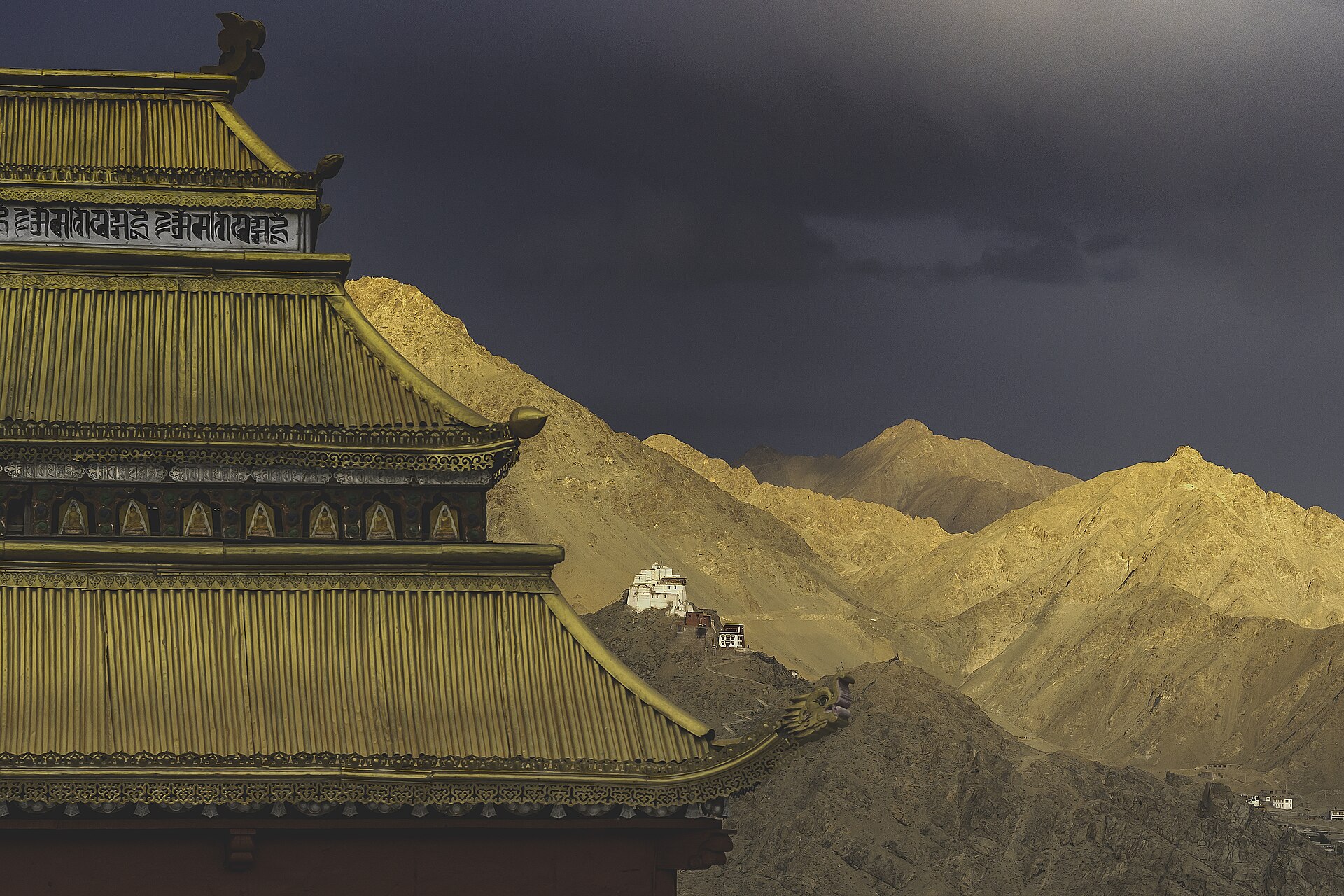
The main town of Ladakh at about 3,500 m in the upper Indus valley, crowned by the nine-storey Leh Palace, with Buddhist monasteries such as Thiksey and Hemis nearby, and the base for Nubra, Pangong and the high passes.
Above the old town
How to get there: A steep walk up through the old town or a short drive.
Changspa, west Leh
How to get there: Climb the steps from Changspa or drive up.
About 19 km south-east of Leh
How to get there: Taxi from Leh, about 30 minutes.
About 45 km south-east of Leh
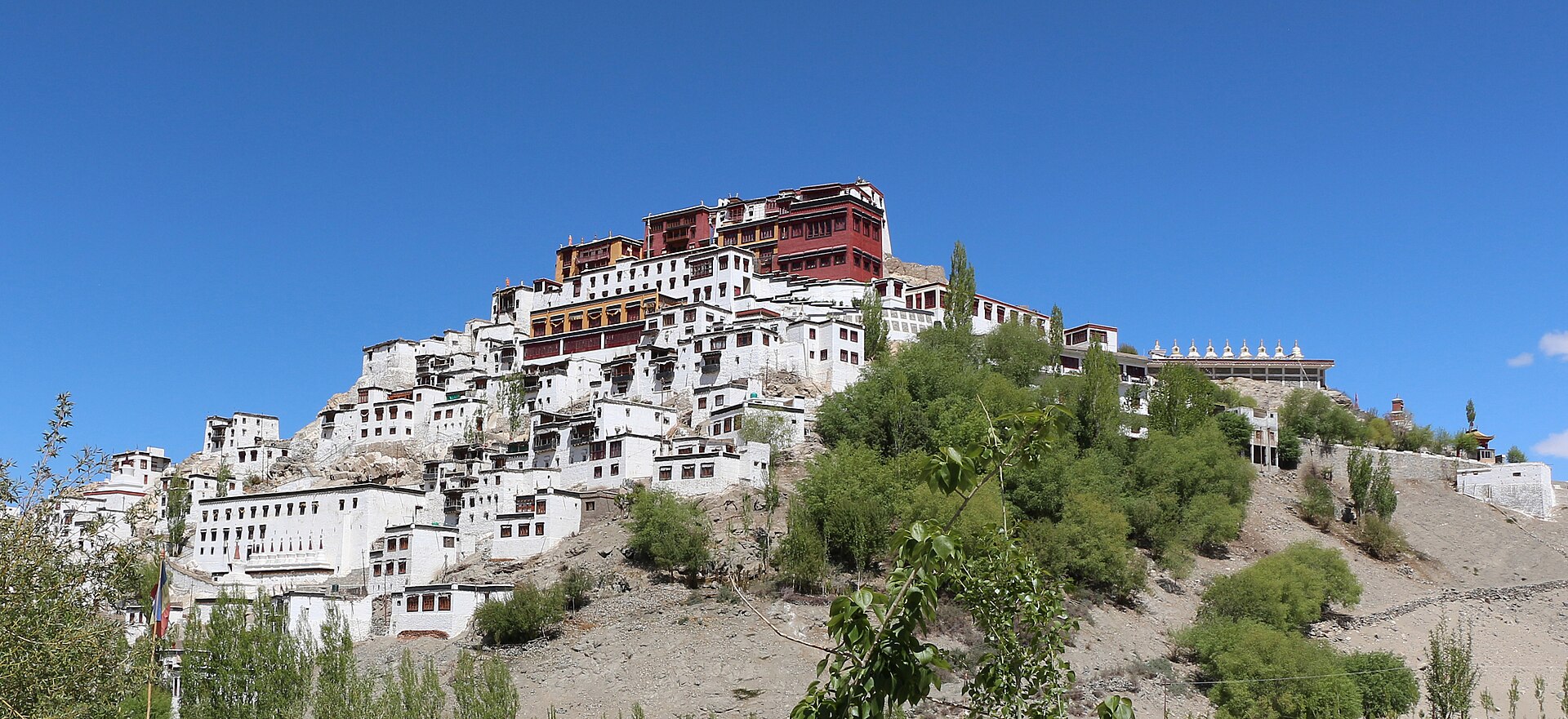
The largest and wealthiest monastery of Ladakh, hidden in a side valley, with a museum and the famous summer festival.
Open in Google Maps (opens in a new tab)About 15 km from Leh
The older summer palace of the Ladakhi kings, with a large seated Buddha statue.
Open in Google Maps (opens in a new tab)Srinagar–Leh highway, west of Leh
A stretch of road with an optical illusion of vehicles rolling uphill, and further on the meeting of the green Indus and the darker Zanskar at Nimmu.
Open in Google Maps (opens in a new tab)Near Leh airport
A museum run by the Indian Army about Ladakh's history, geography and the soldiers who served there.
Open in Google Maps (opens in a new tab)Above Leh Palace
A 15th-century fort and monastery on the peak above the town, with prayer flags and the best view in Leh.
Open in Google Maps (opens in a new tab)Near Leh airport
An 11th-century monastery on a hill above the Indus.
Open in Google Maps (opens in a new tab)About 65 km west of Leh
A complex of early temples (around the 11th century) with outstanding wall paintings, unusual for being on the valley floor.
Open in Google Maps (opens in a new tab)Leh, India
Ladakh's home cooking: skyu is a stew of thumb-pressed wheat dough with root vegetables, chhutagi a similar dish with bow-shaped pasta. Best eaten in a homestay or at the Ladakhi food stalls of Leh.
Leh, India
Tibetan noodle soups — thukpa with round noodles, thenthuk with hand-pulled flat pieces — with vegetables or meat in a warming broth. The everyday meal of cold evenings in Spiti, Ladakh and the Tibetan settlements.
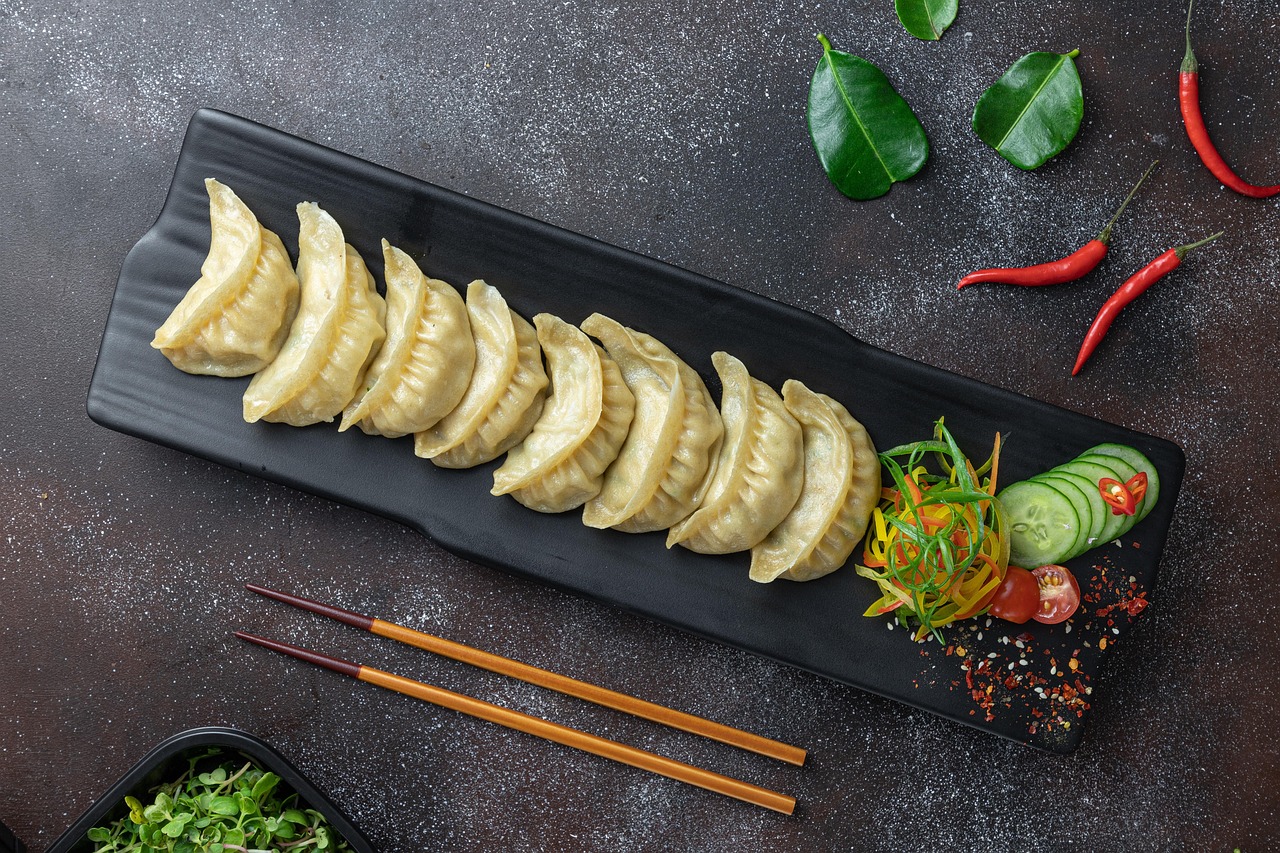
Leh, India
Tibetan dumplings filled with vegetables, cheese, chicken or mutton, steamed or fried and eaten with a fiery chilli sauce. Served everywhere in the hills, and especially good in McLeod Ganj, Manali and Leh.
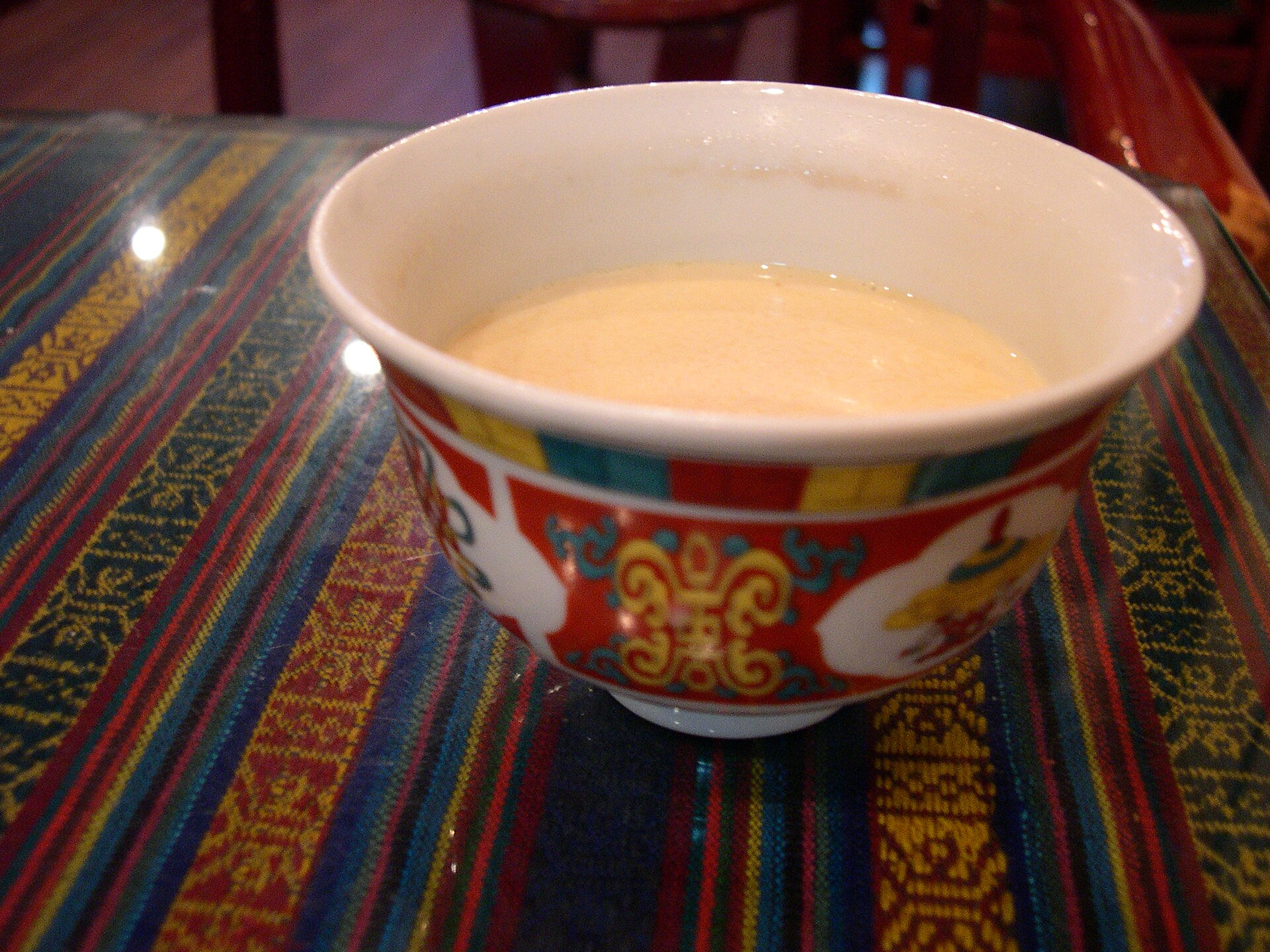
Leh, India
Salted tea churned with butter, drunk all day in Ladakh and Spiti and offered to guests in homes and monasteries. It is an acquired taste, but warming and good at altitude. Sweet milky tea is always available too.
Leh, India
Central Leh
Rooftop cafes and restaurants serving Tibetan, Ladakhi, Indian and international food, plus bakeries.
Open in Google Maps (opens in a new tab)Near the Main Bazaar
Local women sell khambir, skyu and other home-style Ladakhi dishes.
Open in Google Maps (opens in a new tab)Changspa
Garden cafes popular with trekkers, near the Shanti Stupa.
Open in Google Maps (opens in a new tab)West Leh
Guesthouses among fields and willows, walkable to the bazaar and the Shanti Stupa.
Open in Google Maps (opens in a new tab)Central Leh
Hotels close to shops, travel agents and taxis.
Open in Google Maps (opens in a new tab)Stok, Saboo and the Indus valley
Ladakhi family homes outside town, quieter and good for acclimatising.
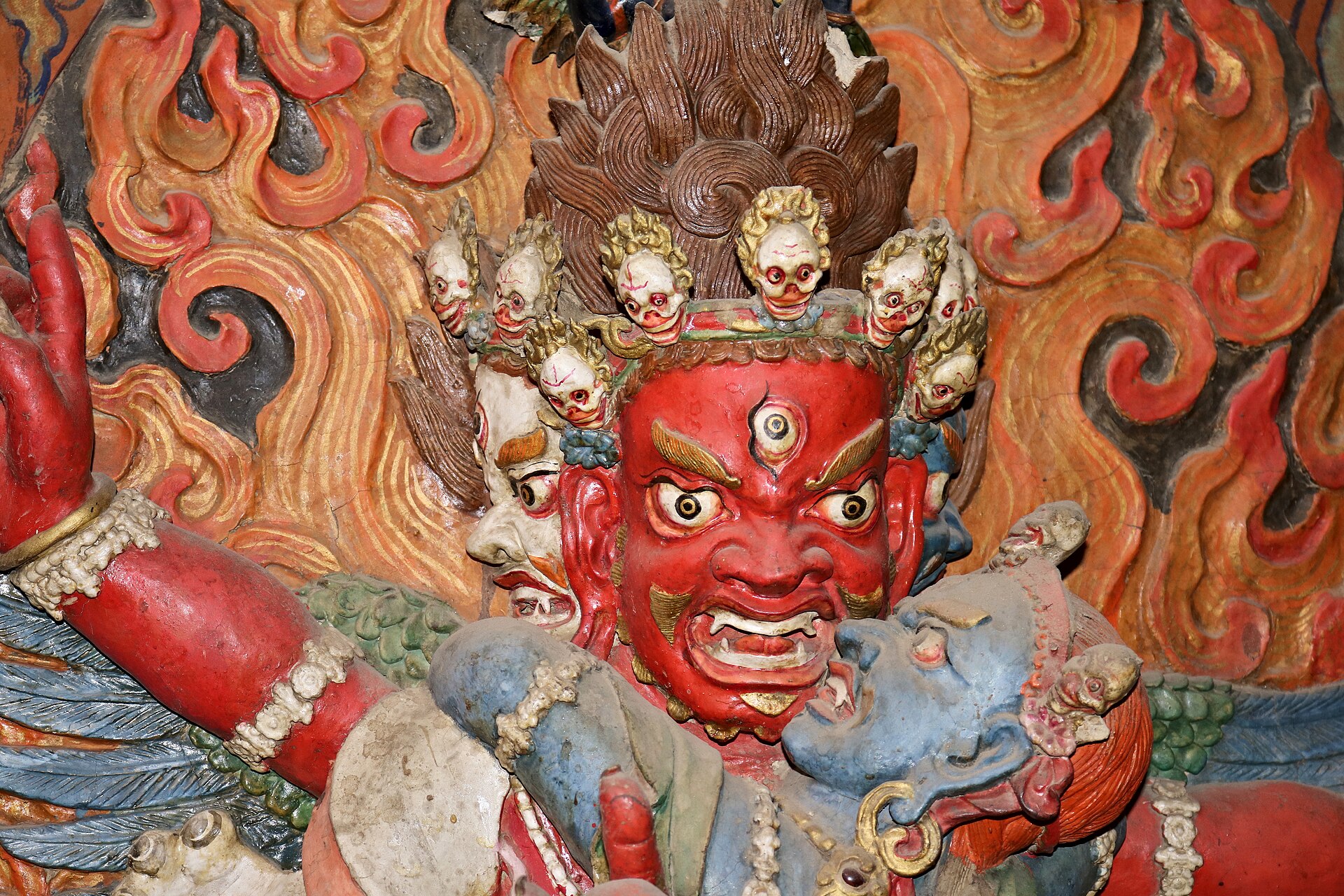
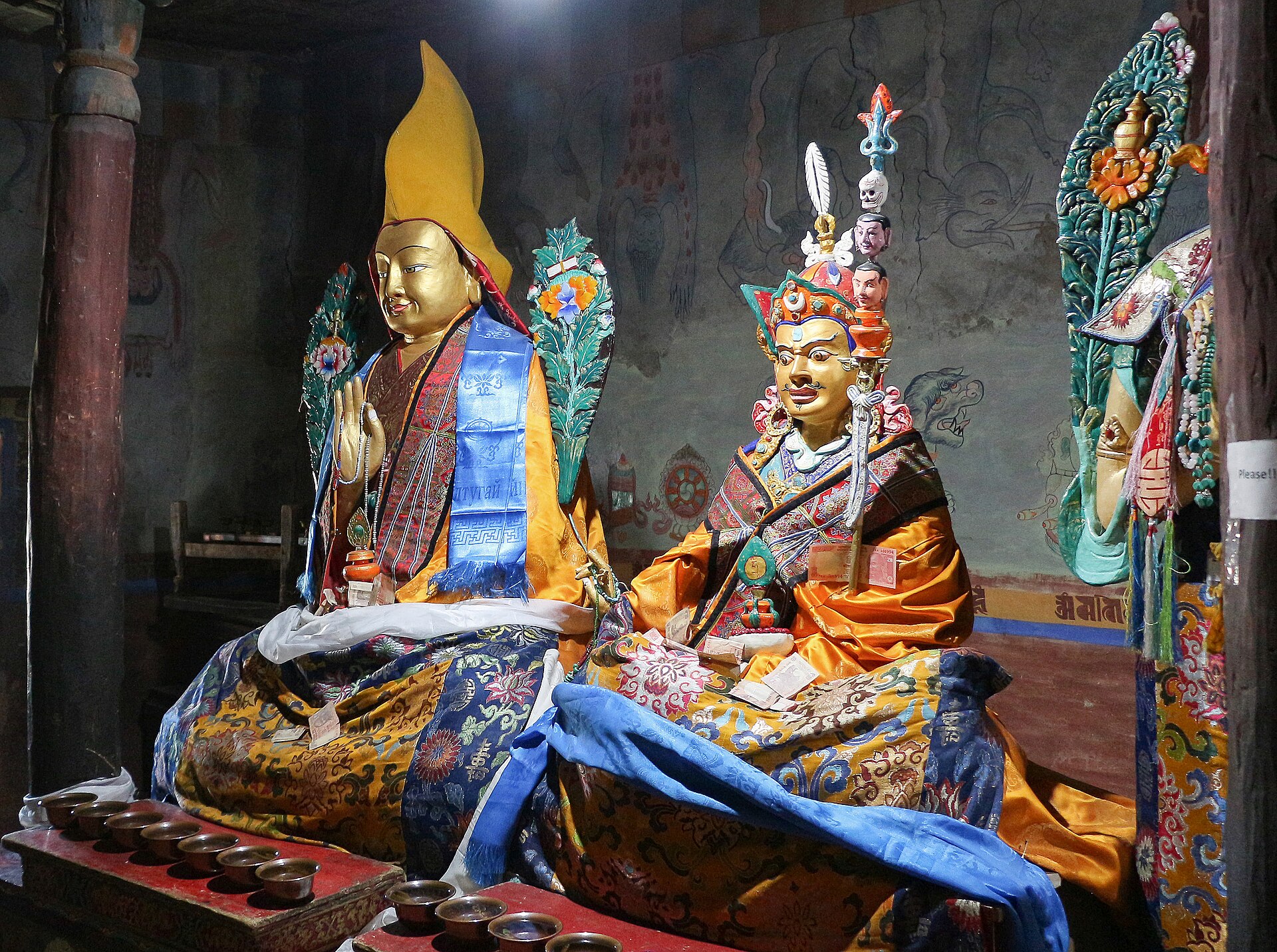
Open in Google Maps (opens in a new tab)Ladakh's culture is mainly Tibetan Buddhist in Leh and the Indus valley, with Muslim communities in Leh and around Kargil. Monasteries hold summer festivals with masked cham dances — the Hemis festival honouring Guru Padmasambhava is the best known — and the Ladakh Festival in September brings music, dance and polo.
Traditional greetings are "Julley". Homes are built of sun-dried brick with flat roofs, prayer flags flutter from passes and rooftops, and mani walls of carved stones line the roads. Walk clockwise around them.
Leh was the capital of the Kingdom of Ladakh, founded in the 10th century by descendants of the old Tibetan royal line. It was a key stop on the caravan routes linking Tibet, Kashmir, Yarkand in Central Asia and the plains of India, and traders in pashmina wool, salt, silk and spices filled its bazaar.
King Sengge Namgyal built Leh Palace in the 17th century, modelled on the style of the Potala in Lhasa. Monasteries of the Tibetan Buddhist schools — Hemis, Thiksey, Shey, Spituk — grew in the valley around it. Ladakh later became part of the state of Jammu and Kashmir under the Dogras, and since 2019 it has been a separate union territory of India.
Arrive and rest completely; an easy evening stroll in the bazaar at most.
Leh Palace, Namgyal Tsemo, the old town and sunset at Shanti Stupa.
Early prayers at Thiksey, then Shey and Hemis.
Acclimatise in Leh with the town and Indus valley monasteries.
Over the Khardung La to Diskit and Hunder.
Via Shyok to Pangong Lake, back to Leh over the Chang La.
May to September, when the passes are open and days are warm. Winters are bitterly cold but Leh is reachable by air; some monastery festivals and the frozen-river Chadar trek take place then.
By air: Kushok Bakula Rimpochee Airport, Leh (IXL) has year-round flights from Delhi and seasonal or regular flights from Mumbai, Srinagar, Jammu and others. Flights are weather-dependent and land early in the morning. Flying in means arriving at altitude without acclimatisation — rest on arrival.
By road (seasonal):
HPTDC and JKSRTC buses and shared taxis run in season; many travellers break the journey overnight.
Permits: see Travel tips — Protected Area Permits apply to foreigners for areas beyond Leh, and an online registration/fee for Indians. Check current rules.