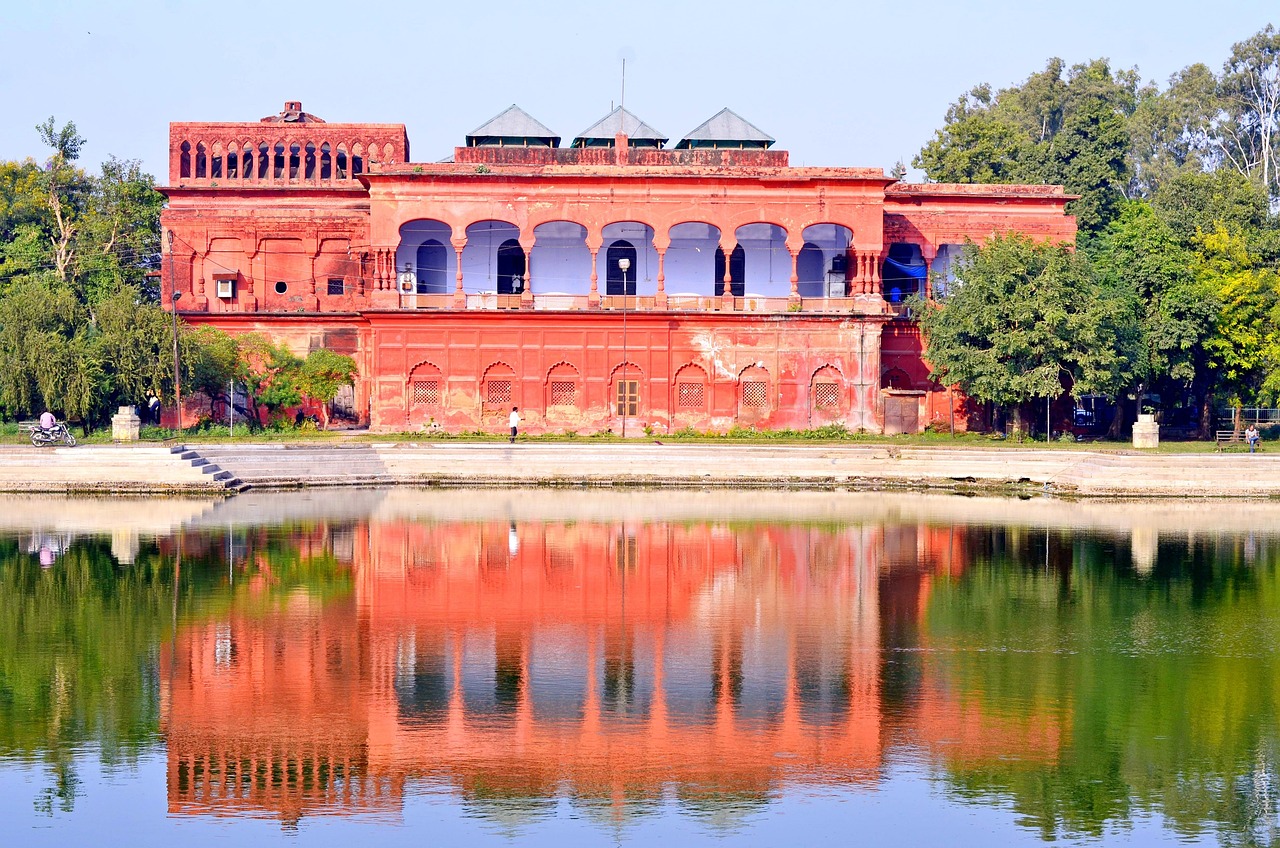
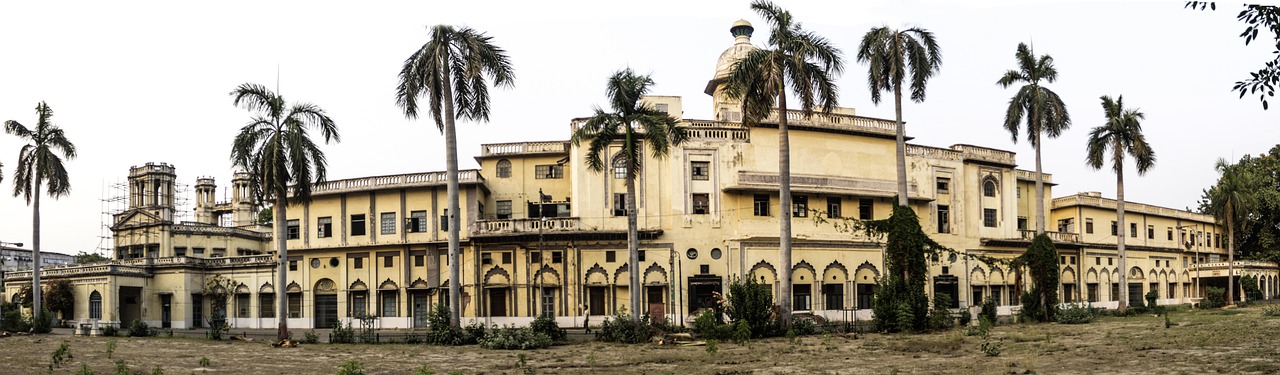
Lucknow rose to greatness in 1775, when Asaf-ud-Daula, Nawab of Awadh, moved his court here from Faizabad. The Nawabs, at first governors for the Mughals and later independent rulers, filled the city with palaces, mosques, gardens and imambaras — halls for the Shia mourning rites of Muharram. The Bara Imambara, built during a famine in the 1780s partly to give people work, is the most famous.
Lucknow became a capital of poetry, music, dance (the Kathak of the Lucknow gharana), cooking and courtly manners. The British annexed Awadh in 1856; during the uprising of 1857 the British Residency was besieged for months, and its shell-scarred ruins are kept as they were.
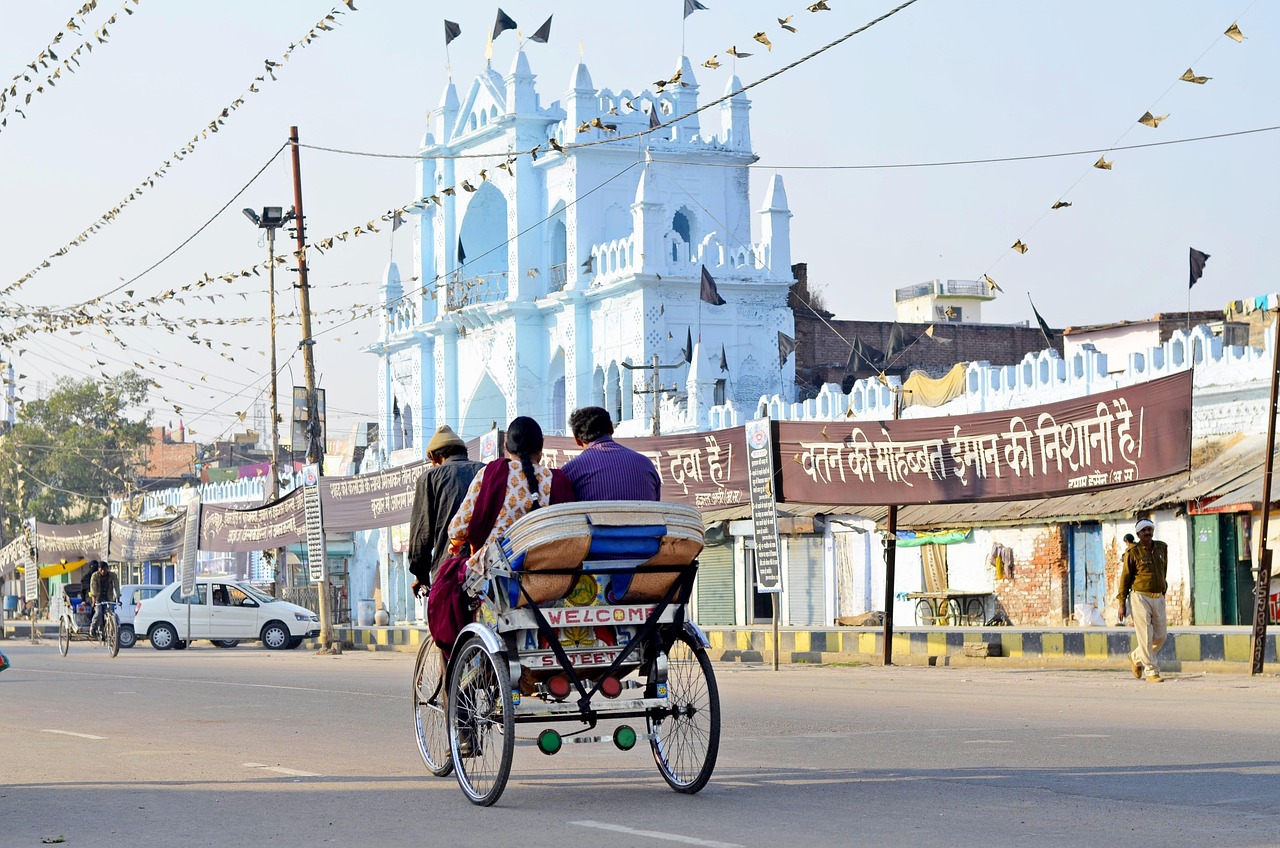
After independence Lucknow became the capital of Uttar Pradesh, India's most populous state. The old city around Chowk keeps the Nawabi monuments, while Hazratganj and the newer districts are modern and fast-growing.

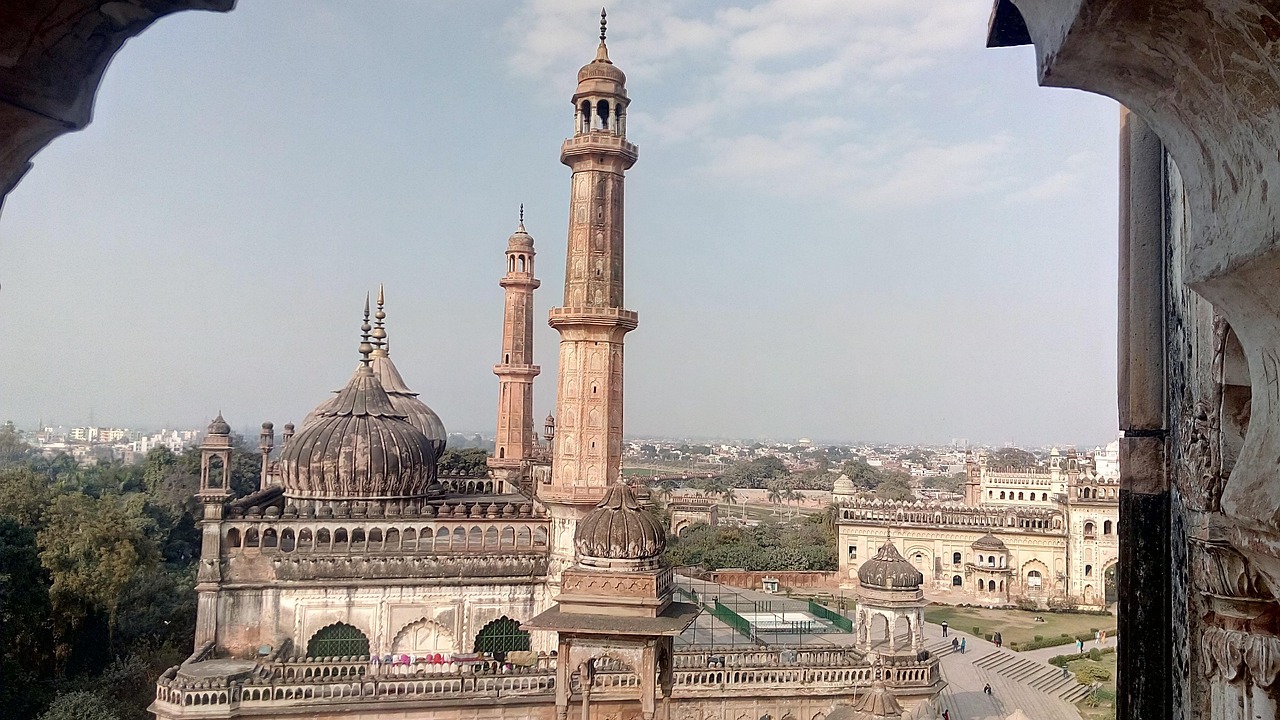
 Lucknow, India