
St Teresa's Church (Mahe Church)
Mahe town centre
An 18th-century church dedicated to St Teresa of Ávila, the spiritual centre of the town, with a famous annual feast in October.
Open in Google Maps (opens in a new tab)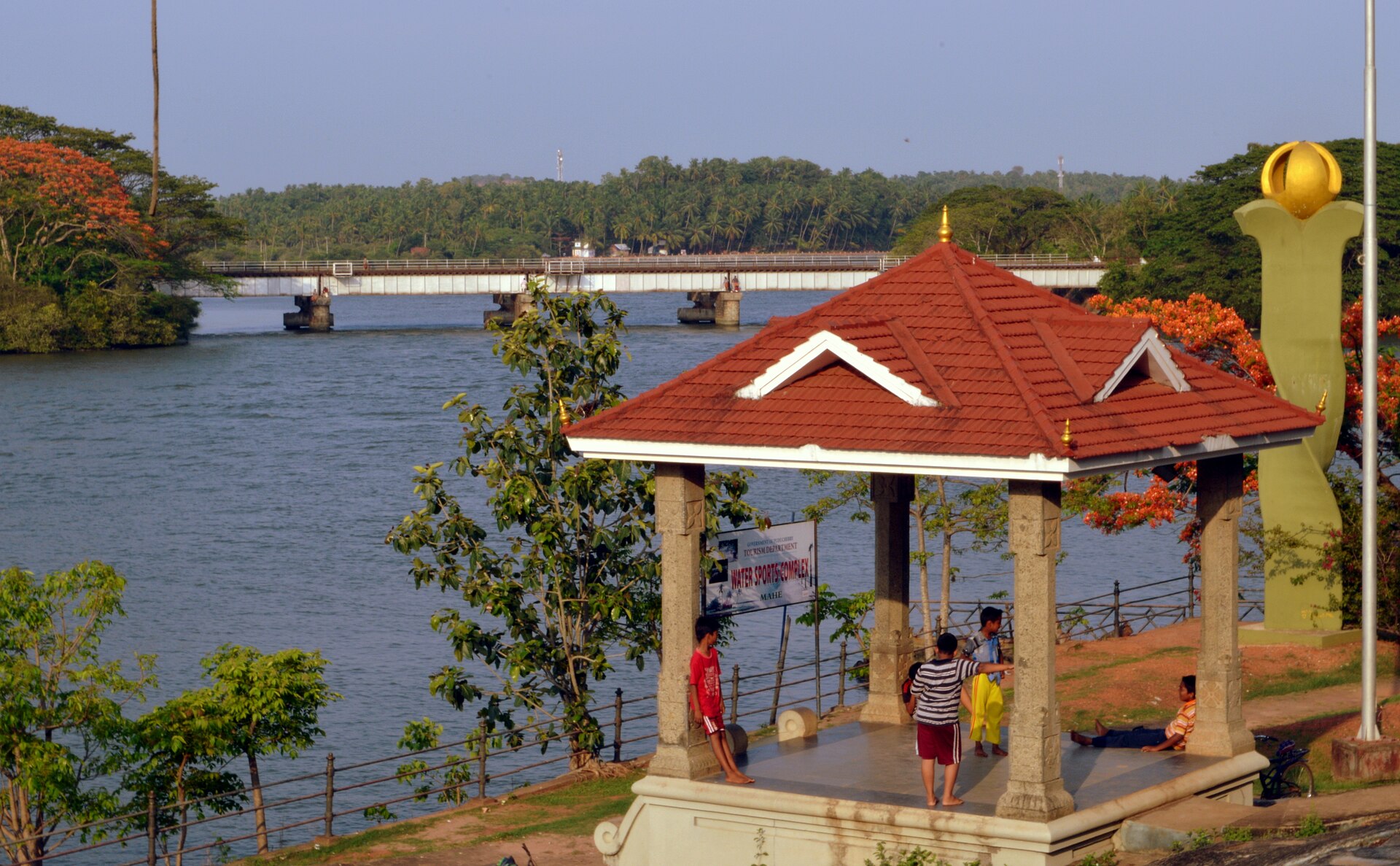
 Mahe, India
A tiny former French town at the mouth of the Mahe river on the Malabar coast — part of the Union Territory of Puducherry, but an enclave entirely inside Kerala, with a Malayalam-speaking people, a riverside promenade and the much-loved St Teresa's Church.
Mahe town centre
An 18th-century church dedicated to St Teresa of Ávila, the spiritual centre of the town, with a famous annual feast in October.
Open in Google Maps (opens in a new tab)Along the Mahe river
A promenade beside the river where it meets the Arabian Sea, popular for evening walks and views of the fishing boats.
Open in Google Maps (opens in a new tab)By the seafront
A small seaside park with statues and sea views, a pleasant place to watch the sunset.
Open in Google Maps (opens in a new tab)Around the town centre
The old French residency and administrative buildings, seen from outside, reminders of Mahe's colonial past.
Open in Google Maps (opens in a new tab)Thalassery, about 8 km north, in Kerala
A fort built by the British East India Company in the early 18th century, overlooking the sea.
Open in Google Maps (opens in a new tab)About 15 km north, in Kerala
A long, firm sandy beach where cars can drive along the shore; follow local rules and stay away from the water's edge when driving.
Open in Google Maps (opens in a new tab)Mahe, India
Mahe, India
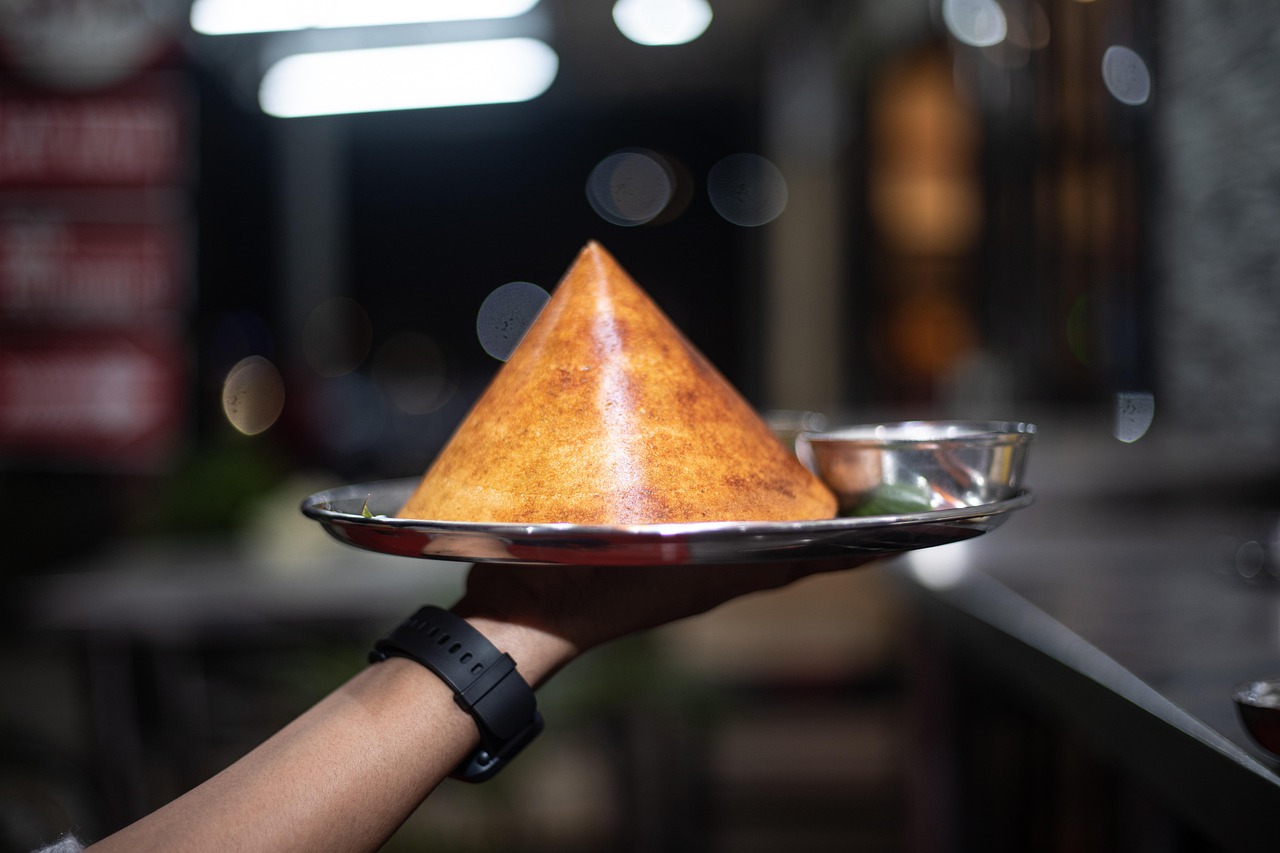
Coconut fish curry with red rice, mussels (kallummakkaya) fried or stuffed, and teatime snacks such as unnakaya (banana dumplings) and pathiri (thin rice flatbread). The Malayali kitchen of the north Kerala coast.
Mahe, India
Around the main road and the church
Simple Malayali restaurants with fish curry meals, biryani and tea-shop snacks.
Open in Google Maps (opens in a new tab)About 8 km north
The home of Thalassery biryani, with many long-established biryani houses and bakeries.
Open in Google Maps (opens in a new tab)Mahe, India
A few small hotels and lodges in the town itself.
Open in Google Maps (opens in a new tab)Mahe, India
Much more choice of hotels and beach homestays, a short drive away.
Open in Google Maps (opens in a new tab)Mahe is Malayali in language, food and daily life, with a French layer in its old administrative buildings, place names and the pride with which it remembers its history. St Teresa's Church (the Mahe Church) holds a great feast in October that draws pilgrims of every faith from across north Kerala. Nearby Thalassery is known for its biryani, cake-baking tradition, circus history and cricket, which was introduced in this region in colonial times.
Mahe lies on the Mayyazhi river (the Mahe river), in the pepper country of the Malabar coast. The French East India Company set up here in the 1720s; tradition links the town's name to Bertrand-François Mahé de La Bourdonnais, a French naval officer who took part in its capture, though the local name Mayyazhi is older.
Like the other French settlements, Mahe was occupied several times by the British in the 18th and early 19th centuries before being returned to France. Puducherry, Karaikal, Mahe and Yanam were the four main settlements of French India (with Chandernagore in Bengal). They passed to India in 1954 (the de jure treaty of cession was ratified in 1962) and together form the Union Territory of Puducherry, even though they lie hundreds of kilometres apart in three different states.
Mahe is about 9 square kilometres in size and lies between the Kannur and Kozhikode districts of Kerala, some 650 km from Puducherry town. The Malayalam novelist M. Mukundan made the town famous in his novel On the Banks of the Mayyazhi.
Morning visit in the town centre.
The French-era streets and the river mouth.
Biryani for lunch and the fort.
Sunset at the drive-in beach.
October to March. The south-west monsoon (June–September) brings very heavy rain to the Malabar coast.
By air: the nearest airport is Kannur International Airport (CNN), about 30 km away (under an hour by road). Calicut (Kozhikode) International Airport (CCJ) is about 90 km away and has more flights.
By train: Mahe station is on the coastal line between Mangaluru and Shoranur; many more trains stop at Thalassery, about 8 km north, and Vadakara, about 15 km south.
By road: Mahe is on the national highway along the coast between Kannur and Kozhikode, with frequent Kerala buses.