Manali

Manali, India

Manali

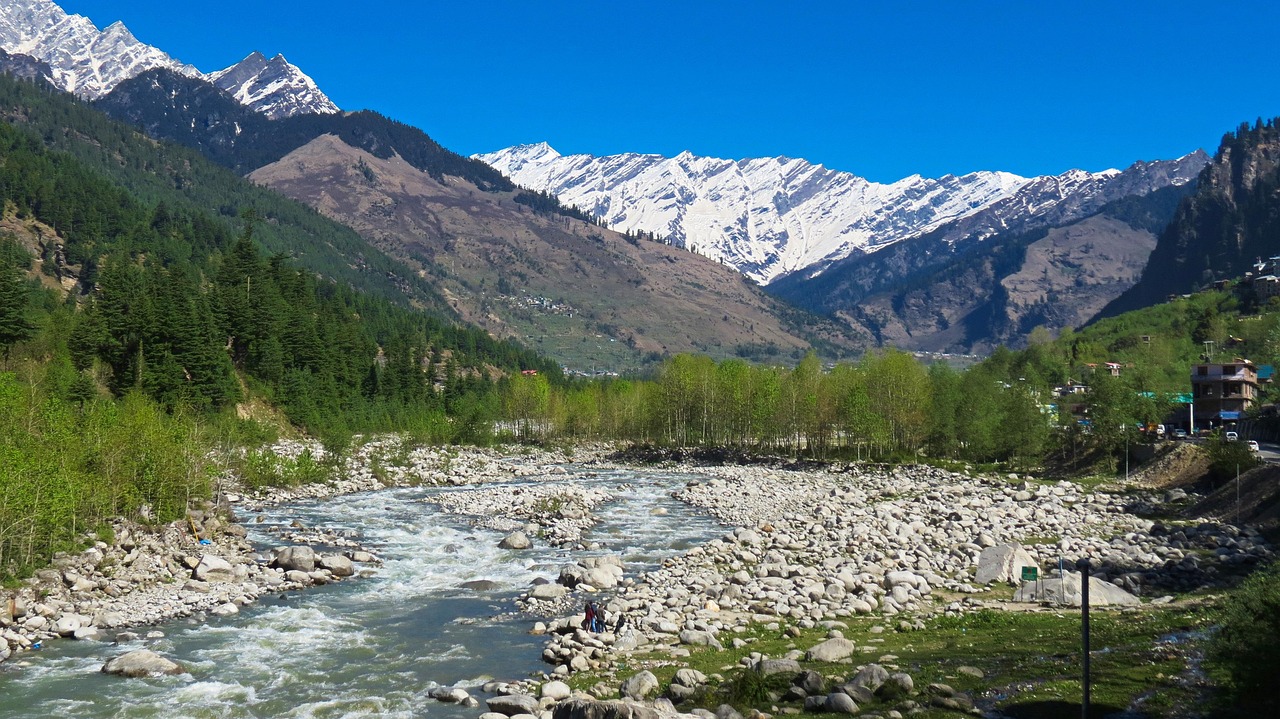
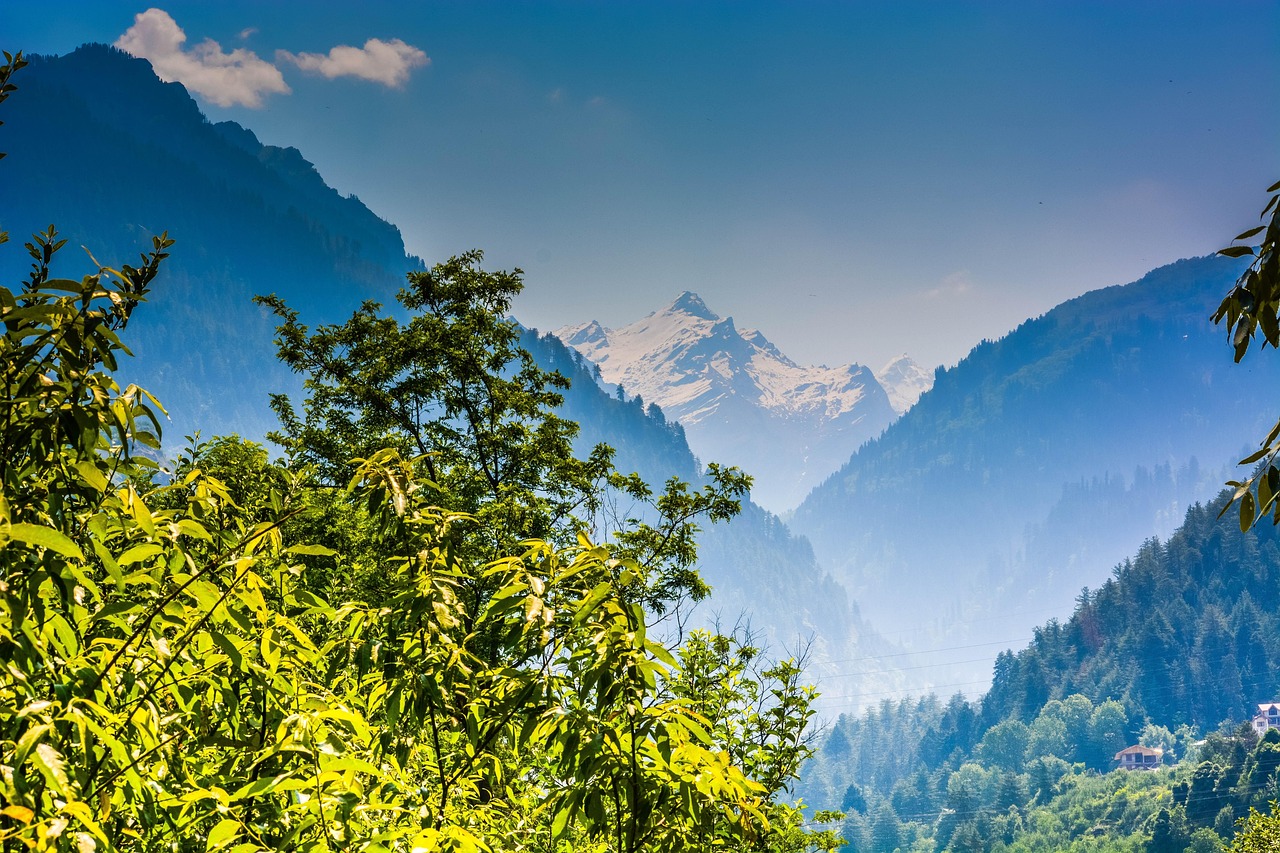
A mountain town at the head of the Kullu valley on the Beas river, framed by snow peaks and cedar forest: Old Manali's guesthouses, the wooden Hadimba Temple, Solang's slopes and the Atal Tunnel road to Lahaul.

Favourite places

  • Hadimba Devi Temple

    Dhungri forest, above the Mall

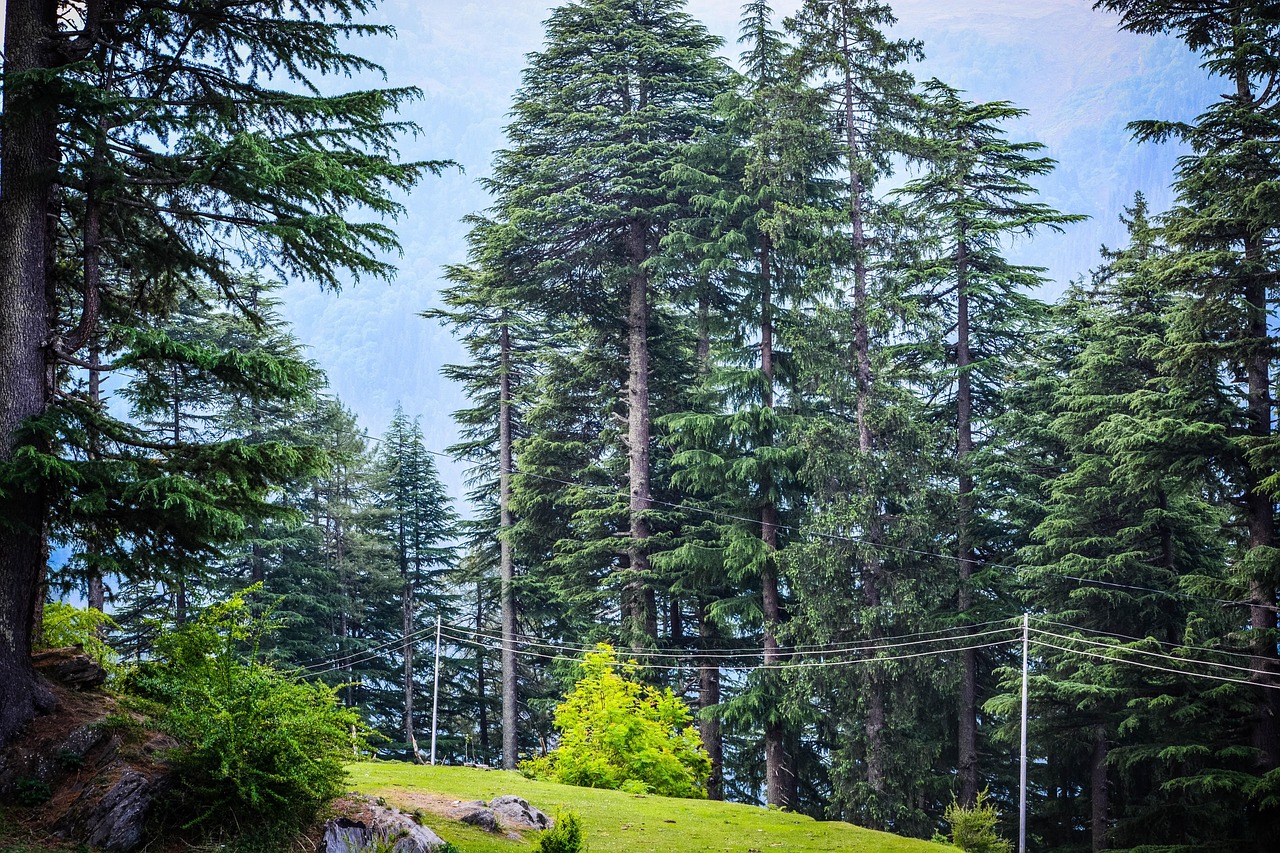
    A 16th-century wooden temple with a four-tiered pagoda roof and carved doorway, standing among giant deodar cedars and built around a rock shrine to the goddess Hadimba.Read more

    How to get there: A 20-minute walk or short auto-rickshaw ride from the Mall.

    Open in Google Maps (opens in a new tab)
  • Old Manali

    Across the Manalsu stream, north of the Mall

    The original village of old wooden houses and apple orchards, now full of cafes and guesthouses, with the Manu Temple at the top.Read more

    How to get there: A 15–20 minute walk uphill from the Mall.

    Open in Google Maps (opens in a new tab)
  • Vashisht

    Across the Beas, 3 km north-east

    A village with hot sulphur springs, public bathing tanks beside the Vashisht Temple and a waterfall walk to Jogini Falls.Read more

    How to get there: Auto-rickshaw from the Mall, or walk across the river.

    Open in Google Maps (opens in a new tab)
  • Solang Valley

    About 13 km north

    A wide meadow below snow peaks used for paragliding, zorbing and a ropeway in summer, and for skiing and snow play in winter.Read more

    How to get there: Taxi or bus from Manali, about 30–40 minutes.

    Open in Google Maps (opens in a new tab)
  • Atal Tunnel

    Beyond Solang, towards Lahaul

    The long highway tunnel under the Rohtang Pass, opened in 2020. Driving through brings you out at Sissu in the stark, high valley of Lahaul, with its waterfall and lake.Read more

    How to get there: Taxi from Manali; check road status and any vehicle rules before going.

    Open in Google Maps (opens in a new tab)
  • Rohtang Pass

    About 50 km north, at around 3,980 m

    The historic pass between the Kullu valley and Lahaul, with snow for much of the year and sweeping views. Usually open from about May to October.Read more

    How to get there: By taxi or private vehicle with the required online permit; numbers are limited.

    Open in Google Maps (opens in a new tab)

Historical places

Local food

  • Siddu

    Manali, India

    A steamed wheat bun from the Kullu and Shimla hills, stuffed with poppy seed, walnut or lentil paste and eaten hot with ghee and green chutney. Sold at roadside dhabas and in Old Manali, Kullu and Shimla.

  • Himalayan trout

    Manali, India

    Rainbow and brown trout farmed in the cold streams of the Kullu valley and Kashmir, served pan-fried, grilled or in a light curry. A local favourite in Manali, Kullu, Kasol and Kashmir.

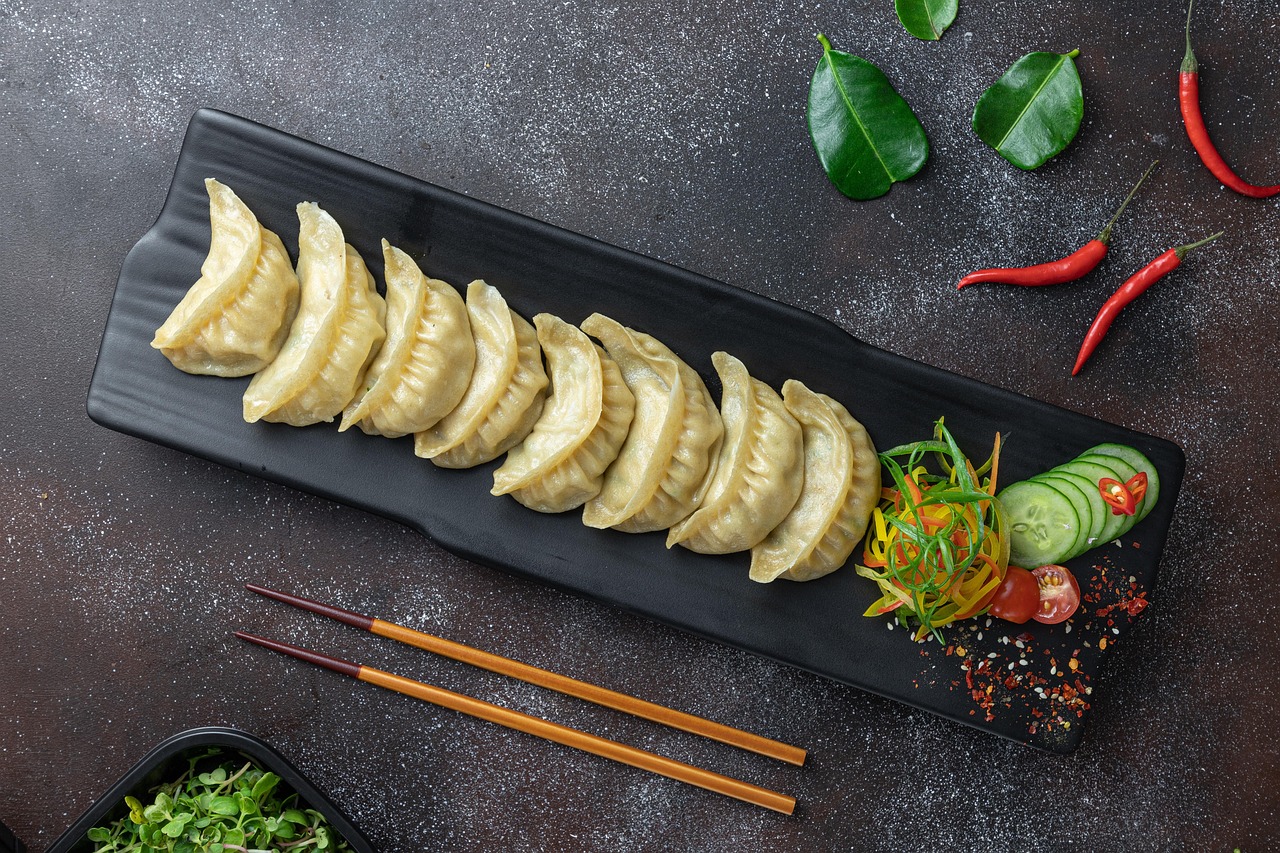
  • Momos

    Manali, India

    Tibetan dumplings filled with vegetables, cheese, chicken or mutton, steamed or fried and eaten with a fiery chilli sauce. Served everywhere in the hills, and especially good in McLeod Ganj, Manali and Leh.

  • Thukpa and thenthuk

    Manali, India

    Tibetan noodle soups — thukpa with round noodles, thenthuk with hand-pulled flat pieces — with vegetables or meat in a warming broth. The everyday meal of cold evenings in Spiti, Ladakh and the Tibetan settlements.

Where to eat

Where to stay

Culture

The people of the valley are Kullvi, with their own dialect, the round woollen Kullu cap and handwoven Kullu shawls. Village life revolves around the local devta (deity), whose palanquin is carried in festivals; the Hadimba Devi fair in May is Manali's own celebration.

Old Manali and Vashisht keep a relaxed backpacker scene of cafes, music and guesthouses, while the Mall caters to family holidaymakers. Tibetan refugees run a monastery and a market near the bus stand.

History

Manali takes its name from Manu, the lawgiver of Hindu tradition, said to have stepped ashore here after the great flood; a small Manu Temple stands in Old Manali. For centuries it was a farming village on the old trade route from the Kullu valley over the Rohtang Pass to Lahaul, Ladakh and Tibet.

The Hadimba Devi Temple, built in 1553 by Raja Bahadur Singh of Kullu in the forest above the village, honours the demoness-goddess Hadimba of the Mahabharata. The British planted apple orchards in the valley in the 19th century, and apples are still the main crop.

From the 1960s and 70s Manali became a stop on the overland travellers' trail, and later a major holiday destination. The Atal Tunnel under the Rohtang Pass, opened in 2020, now links Manali with Lahaul all year round, weather permitting.

Tour plans

Manali in three days

3 days, 2 nights
  1. Step 1: Day 1 — Town and temples

    Hadimba Temple in the morning, the Tibetan monastery and the Mall, then an afternoon in Old Manali and the Manu Temple.

  2. Step 2: Day 2 — Solang and Lahaul

    An early start to Solang Valley, then through the Atal Tunnel to Sissu in Lahaul, back by evening.

  3. Step 3: Day 3 — Vashisht and the river

    The hot springs at Vashisht, a walk to Jogini Falls, and a relaxed lunch beside the Beas.

Map

Open in Google Maps (opens in a new tab)

Travel information

Best time to visit

March to June for pleasant weather and apple blossom (April), and late September to November for clear skies. December to February brings snow. Avoid the monsoon (July–August) for landslides.

How to get there

By air: Kullu–Manali Airport (KUU) at Bhuntar, about 50 km south, has a few flights from Delhi and Chandigarh that depend on the weather. Many visitors fly into Chandigarh (IXC) and drive (about 7–9 hours).

By train: the nearest major railheads are Chandigarh and Kalka; from there it is a long road journey. There is no railway to Manali.

By road: overnight Volvo and HRTC buses from Delhi (about 12–14 hours) and Chandigarh arrive at the Manali bus stand on the Mall. Taxis drive the same route via Mandi and Kullu. North of Manali, the Atal Tunnel leads to Lahaul and, in summer, onwards to Leh.

Getting around

  • On foot: the Mall, Old Manali, Vashisht and Hadimba Temple are linked by walks of 20–40 minutes, mostly uphill.
  • Auto-rickshaws and taxis: for short hops around town; agree the fare first. Local taxi unions set rates for Solang, Atal Tunnel and Rohtang.
  • Rohtang Pass: vehicles need an online permit, numbers are capped and the road is closed on some days and in winter — check before planning.
  • Self-drive: two-wheeler rentals are common; ride carefully on mountain roads.

Travel tips

  • Altitude and weather: mountain weather changes fast. Carry layers, a rain jacket and sun protection even in summer.
  • Roads: landslides in the monsoon (July–September) and snow in winter close roads at short notice. Keep a buffer day and check road status locally before setting off.
  • Cash: ATMs are in the towns, but remote valleys may have few or none, and cards are not always accepted. Carry some cash.
  • Plastic: many hill districts restrict plastic bags and bottles. Carry a refillable bottle.
  • Peak season: May–June and Christmas–New Year bring heavy crowds and traffic jams on the Solang and Atal Tunnel road; start very early.
  • Snow trips: in winter roads beyond Solang can close after snowfall; follow police instructions and hire snow chains only from authorised operators.

All destinations