Munnar

Munnar, India

Munnar

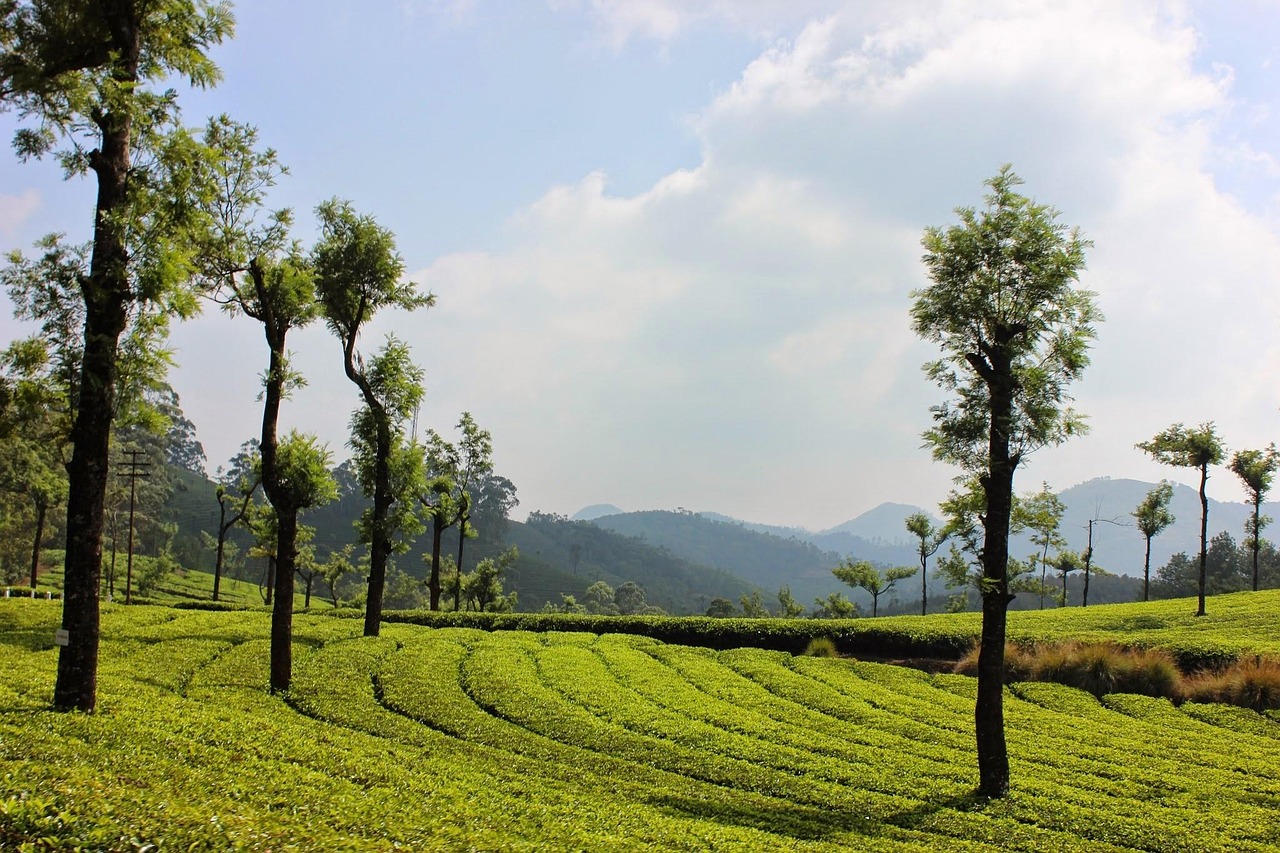
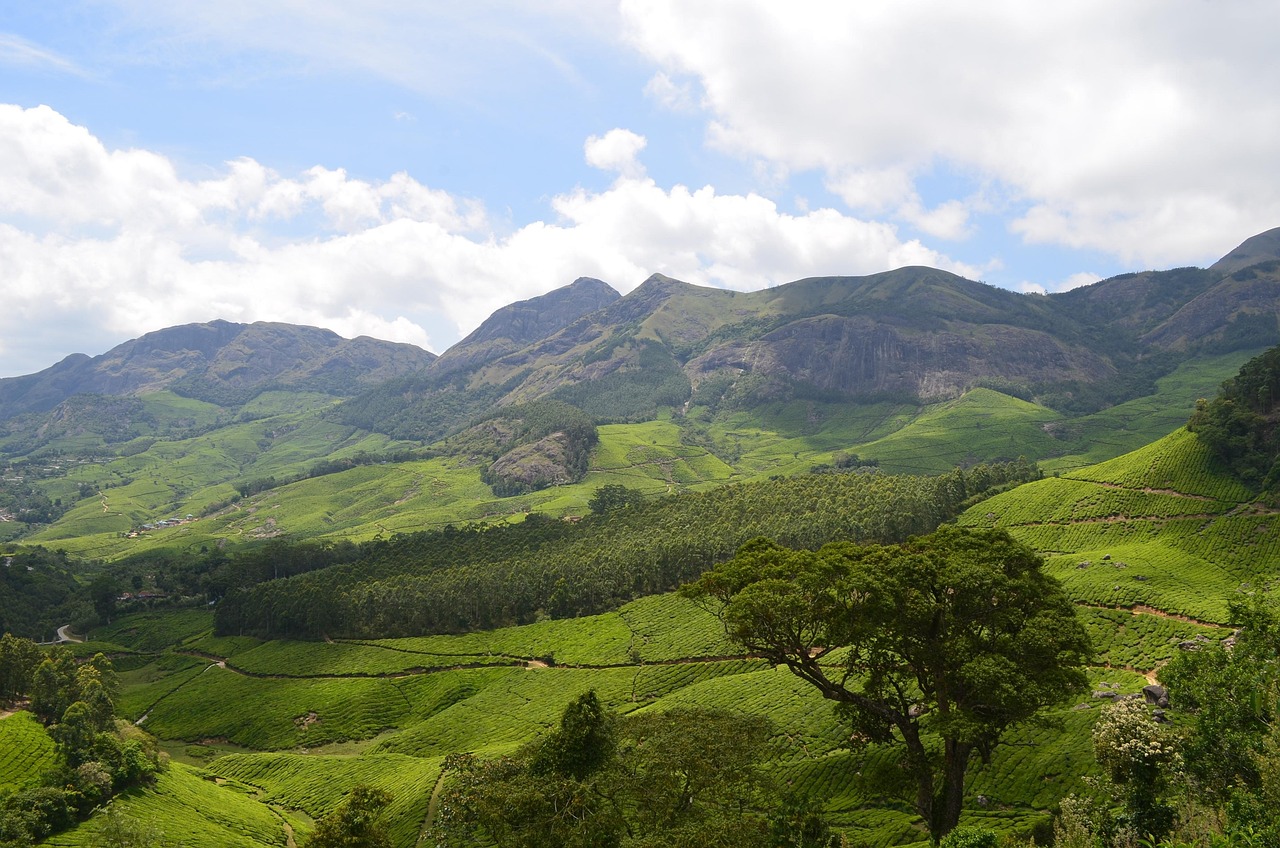
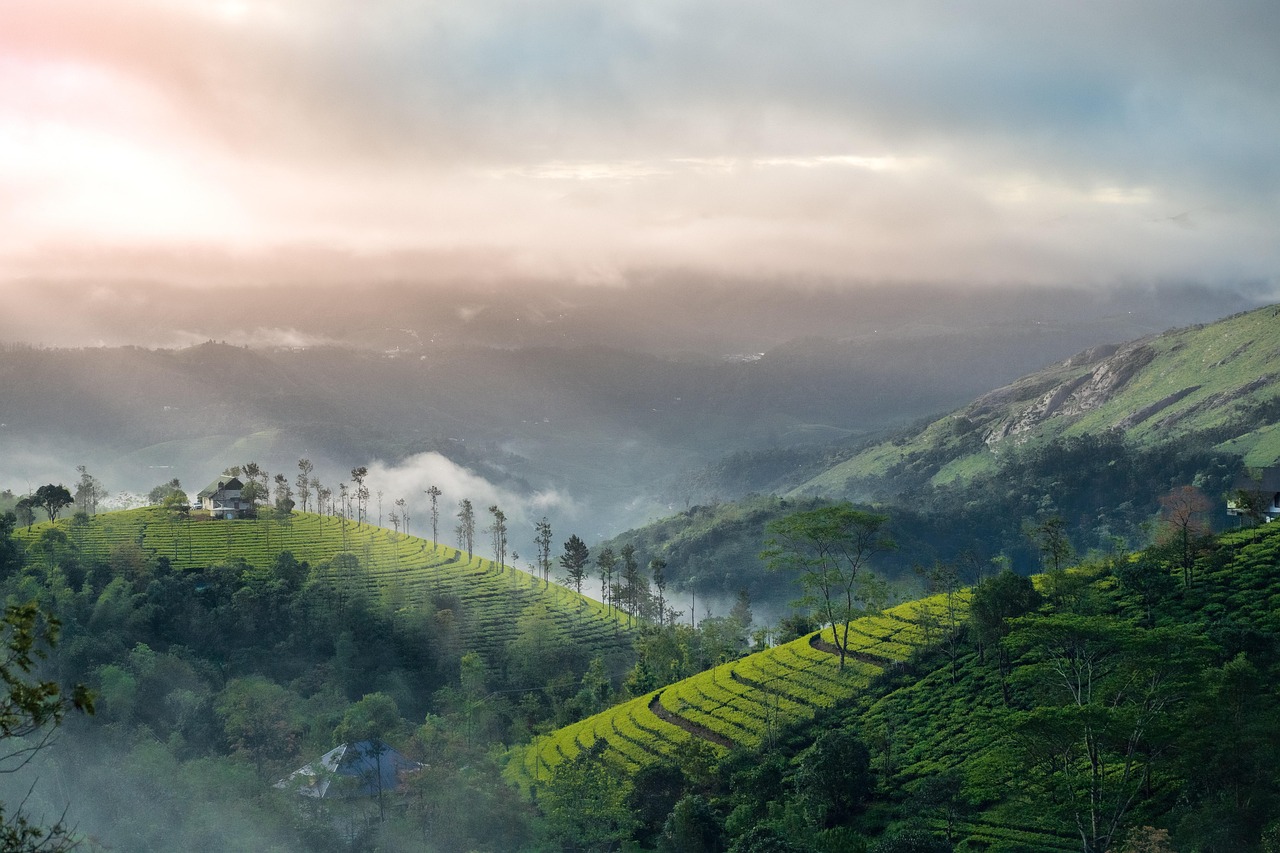
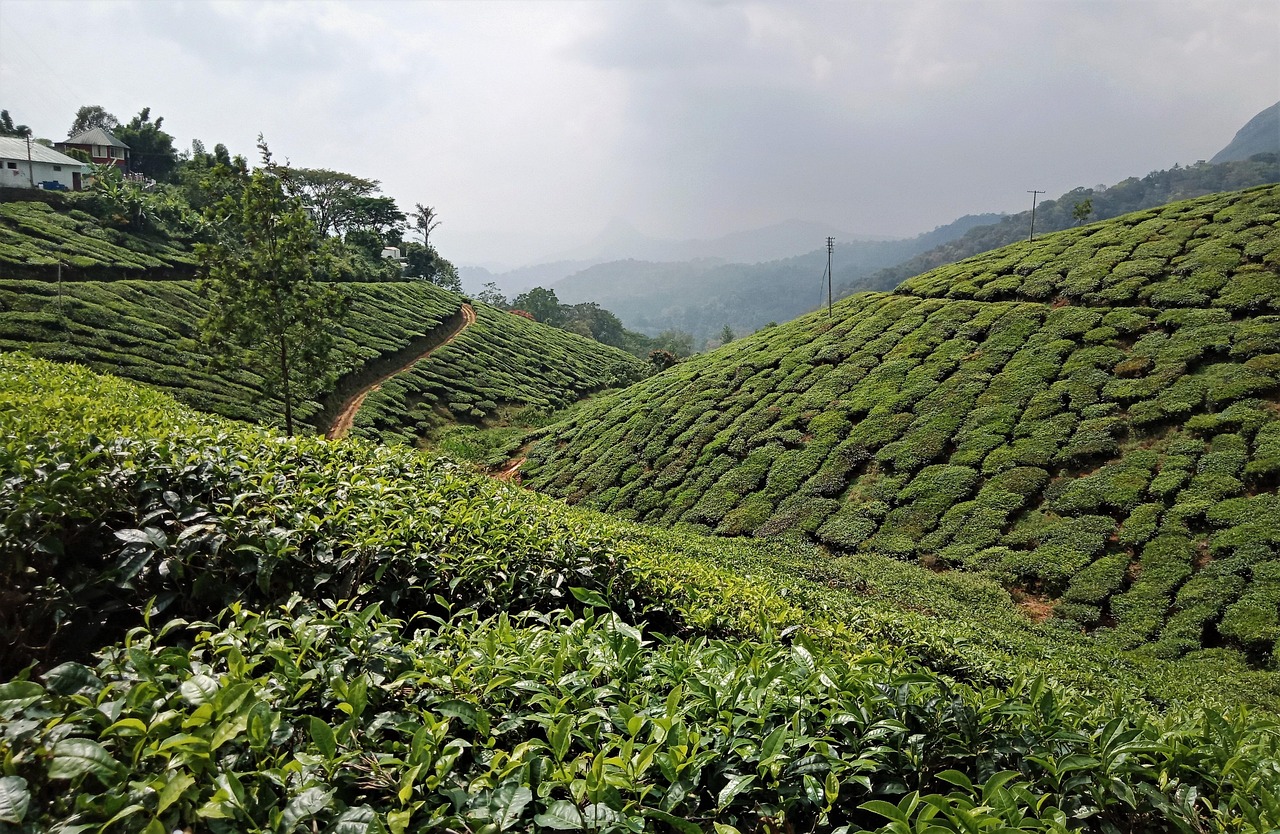
Kerala's best-known hill station, about 1,600 m up in the Western Ghats: endless tea estates on rolling hills, Eravikulam National Park with its Nilgiri tahr, the highest peak in South India, lakes, waterfalls and cool, misty air.

Favourite places

  • Eravikulam National Park

    About 15 km north of Munnar

    A grassland-and-shola park protecting the Nilgiri tahr, an endangered mountain goat that is often seen close to the road in the tourist zone (Rajamala). The park's slopes rise to Anamudi, at about 2,695 m the highest peak in India south of the Himalayas.Read more

    How to get there: Taxi to the Fifth Mile gate, then the forest department bus to Rajamala.

    Open in Google Maps (opens in a new tab)
  • Tata Tea Museum

    Nallathanni Estate, near Munnar town

    A museum run by the plantation company on the history of tea in Munnar, with old machinery, photographs and a demonstration of how tea is processed, plus a tasting.

    Open in Google Maps (opens in a new tab)
  • Mattupetty Dam and Kundala Lake

    On the road to Top Station, 13–20 km east

    Reservoirs among the tea hills with boating, the Indo-Swiss dairy farm nearby and the Echo Point viewpoint between them. Kundala has pedal boats and a small arch dam.

    Open in Google Maps (opens in a new tab)
  • Top Station

    About 35 km east, on the Kerala–Tamil Nadu border

    A viewpoint on the edge of the hills with a sweeping view over the Tamil Nadu plains, once the top of the ropeway that carried tea down the slopes. Best early on a clear morning.

    Open in Google Maps (opens in a new tab)
  • Attukal and Lakkam waterfalls

    Around Munnar

    Attukal, between Munnar and Pallivasal, is a cascade best after the monsoon; Lakkam, on the Marayoor road, has a forest walk to a pool. Do not swim in fast water.

    Open in Google Maps (opens in a new tab)
  • Marayoor and Chinnar

    About 40–60 km north-east

    Marayoor is known for its natural sandalwood forest, old jaggery-making units and dolmens; beyond it, the dry Chinnar Wildlife Sanctuary is in the rain shadow of the Ghats.

    Open in Google Maps (opens in a new tab)
  • Tea estate walks

    Chinnakanal, Pallivasal and Devikulam

    Guided walks through the tea gardens and shola forest, with views over Anayirangal dam and the hills. Ask your hotel for licensed guides.

    Open in Google Maps (opens in a new tab)

Local food

  • Appam and stew

    Munnar, India

    Bowl-shaped rice pancakes with soft spongy centres and lacy edges, eaten with a mild stew of vegetables, chicken or mutton in coconut milk with black pepper and curry leaves. A breakfast and celebration dish, especially in Kerala's Christian homes.Read more
  • Puttu and kadala curry

    Munnar, India

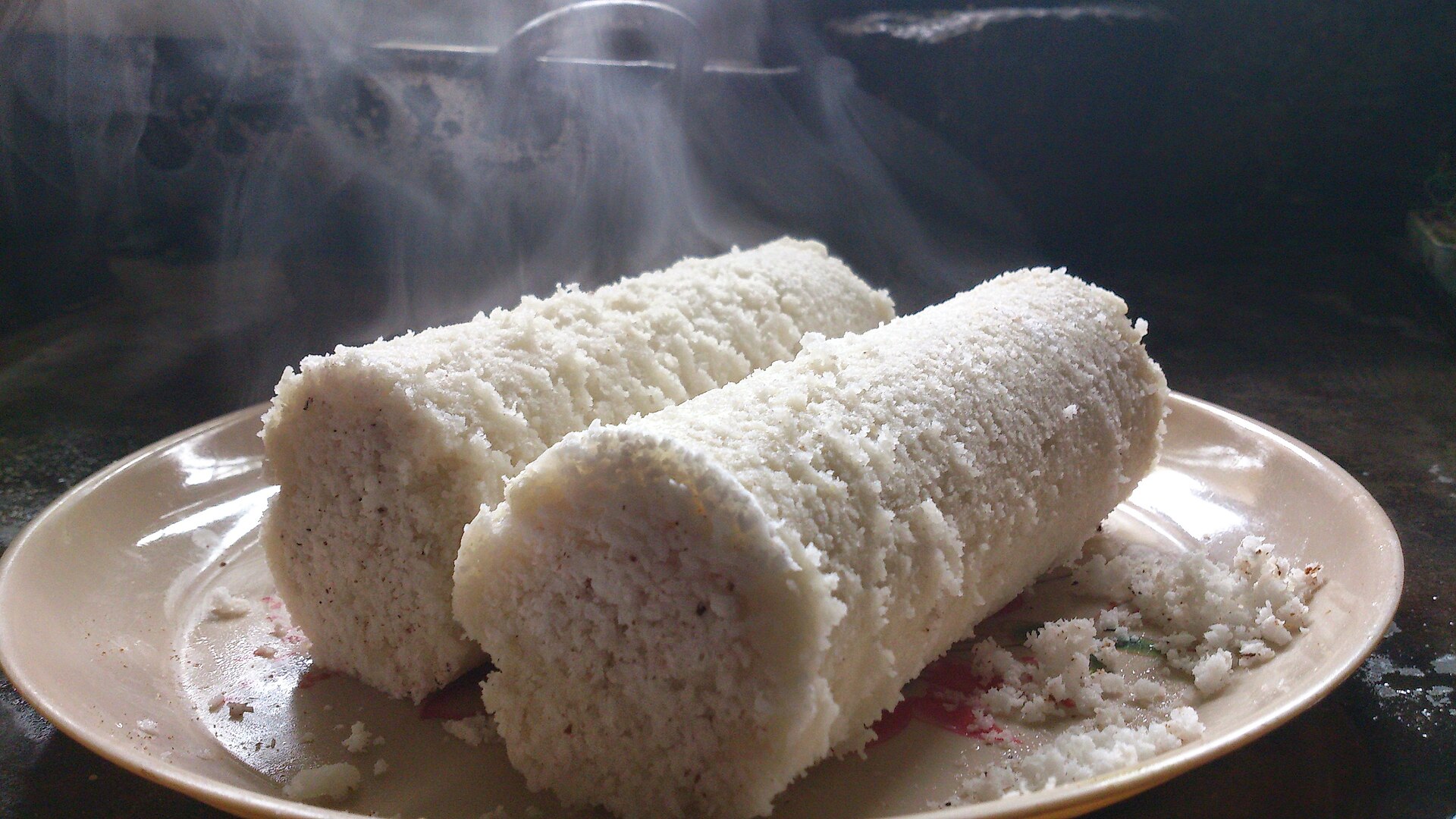
    Steamed cylinders of ground rice and grated coconut, eaten with spicy black-chickpea curry, banana and pappadam. The everyday Kerala breakfast.

  • Kerala parotta with curry

    Munnar, India

    Flaky, layered flatbread torn by hand and eaten with chicken, egg or vegetable curry, or the much-loved Kerala beef fry. Sold in small hotels and night stalls across the state.

  • Chai and tea-shop snacks

    Munnar, India

    Sweet milky tea "pulled" between two cups at roadside tea shops, with snacks such as parippu vada (lentil fritter), unniyappam (sweet banana-and-jaggery dumplings) and egg puffs.

Where to eat

  • Munnar town bazaar

    Around the main bazaar and bus stand

    Simple Kerala and Tamil restaurants serving meals, parotta and curry, appam and dosas, with tea shops and stalls selling estate tea and homemade chocolate.

    Open in Google Maps (opens in a new tab)

Where to stay

Culture

Munnar is a plantation town. Most of the estate workers' families came generations ago from Tamil Nadu, so Tamil is widely spoken alongside Malayalam, and temples, churches and mosques serve the old estate communities. Life follows the tea calendar: pickers move across the slopes each morning, and factories process the leaf the same day.

The Muthuvan and other indigenous communities still live in settlements in the forests around Eravikulam and Chinnar. Munnar's markets sell estate teas, cardamom, pepper and homemade chocolate.

History

The high ranges around Munnar were long the home of forest-dwelling communities such as the Muthuvan people. The name is usually explained as "three rivers" (moonu aar), for the Muthirapuzha, Nallathanni and Kundala streams that meet here.

In the late 19th century British planters leased land from the Poonjar royal family and the Travancore state and began clearing the hills, first for coffee and then for tea. Estates, factories, bungalows, a ropeway and even a monorail and light railway were built; the railway was destroyed in the great flood of 1924 and never rebuilt.

The estates later passed to Tata and other Indian companies; today many are run by Kannan Devan Hills Plantations, partly owned by its workers. Munnar grew into a holiday town in the late 20th century. It is famous for the Neelakurinji, a shrub whose blue flowers cover the hills about once every twelve years — the last mass bloom was in 2018.

Tour plans

Munnar in two days

2 days, 2 nights
  1. Step 1: Day 1 — Tahr and tea

    Eravikulam National Park in the early morning, then the Tata Tea Museum and a tea-estate walk in the afternoon.

  2. Step 2: Day 2 — Lakes and the border

    Mattupetty Dam, Echo Point, Kundala Lake and Top Station, back via the town bazaar for spices and tea.

Map

Open in Google Maps (opens in a new tab)

Travel information

Best time to visit

September to May. December to February is cool and clear (nights near freezing up high); March to May is pleasant. June to August is the wet monsoon, with mist and landslide risk.

How to get there

By air: the nearest airport is Cochin International (COK) at Nedumbassery, about 110 km away (three to four hours by road through the hills). Madurai (IXM) in Tamil Nadu, about 150 km, is an alternative from the east.

By train: the nearest major stations are Aluva and Ernakulam (Kochi), both on the main Kerala line; continue by bus or taxi. From the Tamil Nadu side, Theni or Madurai are options.

By road: KSRTC buses run to Munnar from Kochi (Ernakulam and Aluva), Kottayam, Thekkady, Kumily and Madurai. The road via Adimali and the Cheeyappara waterfalls is the usual route. Hill roads are narrow and winding and can be closed by landslides in the monsoon — check before travelling.

Getting around

  • Taxis and jeeps: hire for the day for Top Station, Mattupetty and Eravikulam; jeeps are used for rough estate roads and viewpoints.
  • Autos: for short trips around Munnar town.
  • KSRTC buses: connect Munnar town with nearby towns and some viewpoints; the state has run sightseeing buses — ask at the bus stand.
  • Eravikulam: private vehicles are not allowed in the park; forest department buses take visitors up from the gate at Fifth Mile.
  • Walking: guided estate walks and treks are the best way to see the tea gardens.

Travel tips

  • Temples, mosques and churches: take your shoes off before entering shrines (racks or shoe-keepers are at the door). Cover shoulders and knees. Some Kerala and Karnataka temples allow only Hindus inside the inner shrine and ask men to remove their shirts — follow the notice at the gate. Ask before photographing people at prayer.
  • Visas: most visitors need a visa; many nationalities can apply for an Indian e-Visa online. Check the current rules for your passport before you travel.
  • Money: the currency is the Indian rupee (INR). Cards work in hotels and larger restaurants; most small shops use UPI phone payments, which foreign visitors may not be able to use, so carry cash for autos, markets and small eateries.
  • Monsoon: the south-west monsoon reaches Kerala and coastal Karnataka around June and lasts into September; hill roads can close after landslides and beaches have strong currents. Check the weather and road conditions before going.
  • Health: drink bottled or filtered water, eat where food is cooked fresh, and use mosquito repellent, especially near backwaters and forests.
  • Time zone: India Standard Time, UTC+5:30, all year.
  • Eravikulam: the park usually closes for some weeks in February–March for the tahr calving season, and tickets can sell out — check and book online.
  • Warm clothes: carry a jacket even in summer; mornings and evenings are cold.
  • Weekends and holidays: roads and viewpoints get very busy; start early.
  • Estates are private: walk on public paths or with a guide, and ask before photographing tea pickers.

All destinations