Mysuru (Mysore)

Mysuru (Mysore), India

Mysuru (Mysore)

The old royal capital of the Wodeyars: a gracious city of palaces, wide avenues and markets, crowned by the illuminated Mysore Palace and Chamundi Hill, famous for its Dasara festival, silk, sandalwood and Mysore pak, with Srirangapatna and Hoysala temples close by.

Favourite places

  • Mysore Palace (Amba Vilas)

    City centre

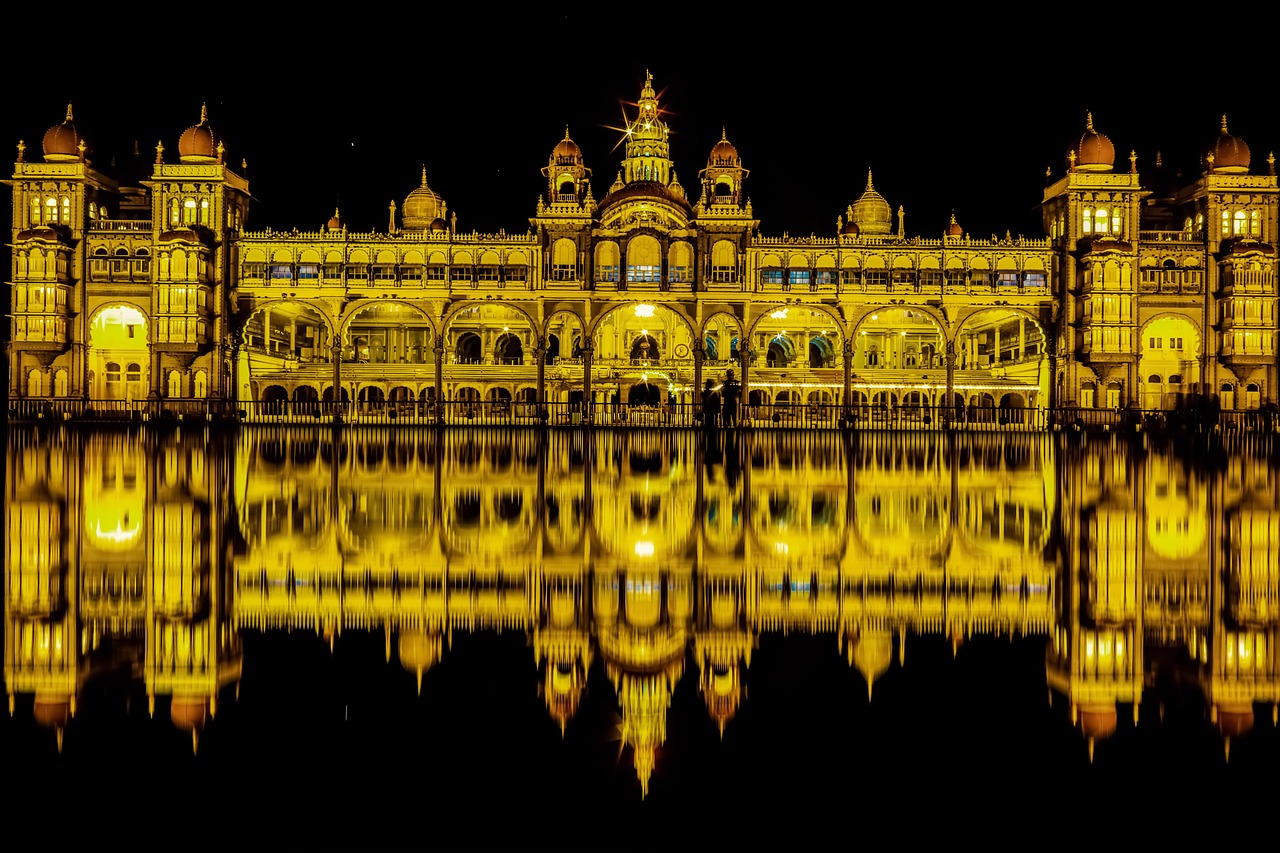
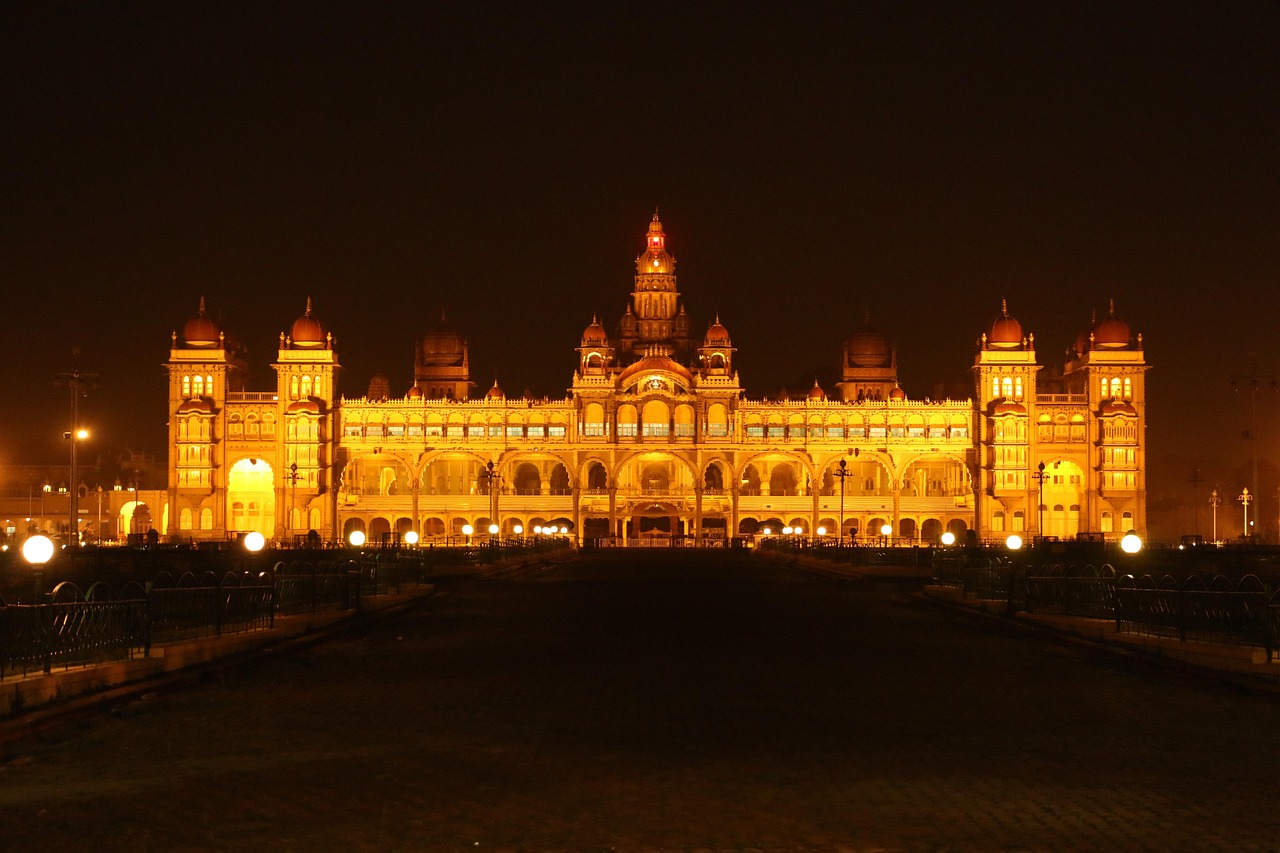
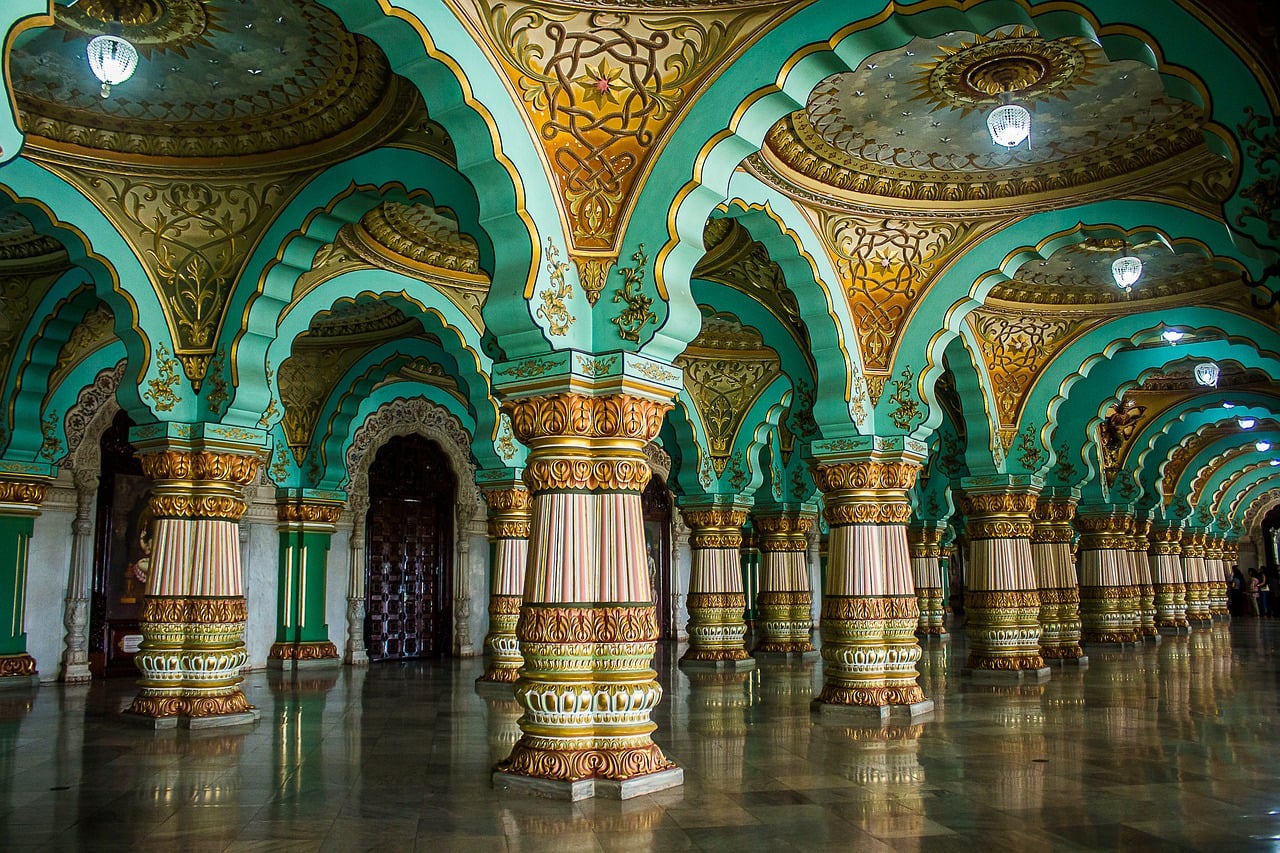
    The Indo-Saracenic palace of the Wodeyars, completed in 1912, with its golden domes, the stained-glass Kalyana Mantapa (wedding hall), the Durbar Hall and carved doors. Inside the walls are temples and the royal family's private quarters. Spectacular when lit up in the evening.Read more

    How to get there: In the centre, a walk from the city bus stand and Devaraja Market.

    Open in Google Maps (opens in a new tab)
  • Chamundi Hill

    About 13 km south-east of the centre

    The hill of the goddess Chamundeshwari, the family deity of the Wodeyars, with her temple on the summit, views over the city and a huge monolithic Nandi carved into the hillside along the pilgrims' path of about 1,000 steps.Read more

    How to get there: By road to the top (city buses, autos or a car), or climb the steps from the foot of the hill.

    Open in Google Maps (opens in a new tab)
  • Devaraja Market

    Sayyaji Rao Road

    A century-old covered market of flowers, jasmine garlands, bananas, betel leaves, incense and towering cones of coloured kumkum powder. Best in the morning; ask before photographing sellers.Read more

    How to get there: A short walk north of the palace.

    Open in Google Maps (opens in a new tab)
  • Jaganmohan Palace Art Gallery

    West of the main palace

    An older royal palace now holding the Sri Jayachamarajendra Art Gallery: paintings by Raja Ravi Varma, Mysore-style gold-leaf paintings, musical instruments and royal collections.

    Open in Google Maps (opens in a new tab)
  • St. Philomena's Cathedral

    Ashoka Road

    A neo-Gothic cathedral completed in the 1950s, with tall twin spires, stained glass and a crypt. One of the largest churches in India; visitors are welcome outside service times.

    Open in Google Maps (opens in a new tab)
  • Srirangapatna

    About 15 km north, on an island in the Kaveri

    Tipu Sultan's capital: the Ranganathaswamy temple, the ruined fort walls and the spot where Tipu fell, his teak summer palace Daria Daulat Bagh with its painted walls, and the Gumbaz where he, his father Hyder Ali and his mother are buried.Read more

    How to get there: By car, bus or train (Srirangapatna station) from Mysuru.

    Open in Google Maps (opens in a new tab)
  • Brindavan Gardens and KRS Dam

    Krishnaraja Sagar, about 20 km north-west

    Terraced gardens below the Krishnaraja Sagar dam on the Kaveri, built under Visvesvaraya, with an evening musical fountain. Busy at weekends; timings change — check before going.

    Open in Google Maps (opens in a new tab)
  • Chennakeshava Temple, Somanathapura

    About 35 km east of Mysuru

    A small, perfect Hoysala temple of 1268 on a star-shaped platform, its walls covered in friezes of elephants, horsemen, epics and gods. Protected by the Archaeological Survey of India.Read more

    How to get there: By car or hired taxi; often combined with Talakadu.

    Open in Google Maps (opens in a new tab)

Historical places

Local food

  • Mysore pak

    Mysuru (Mysore), India

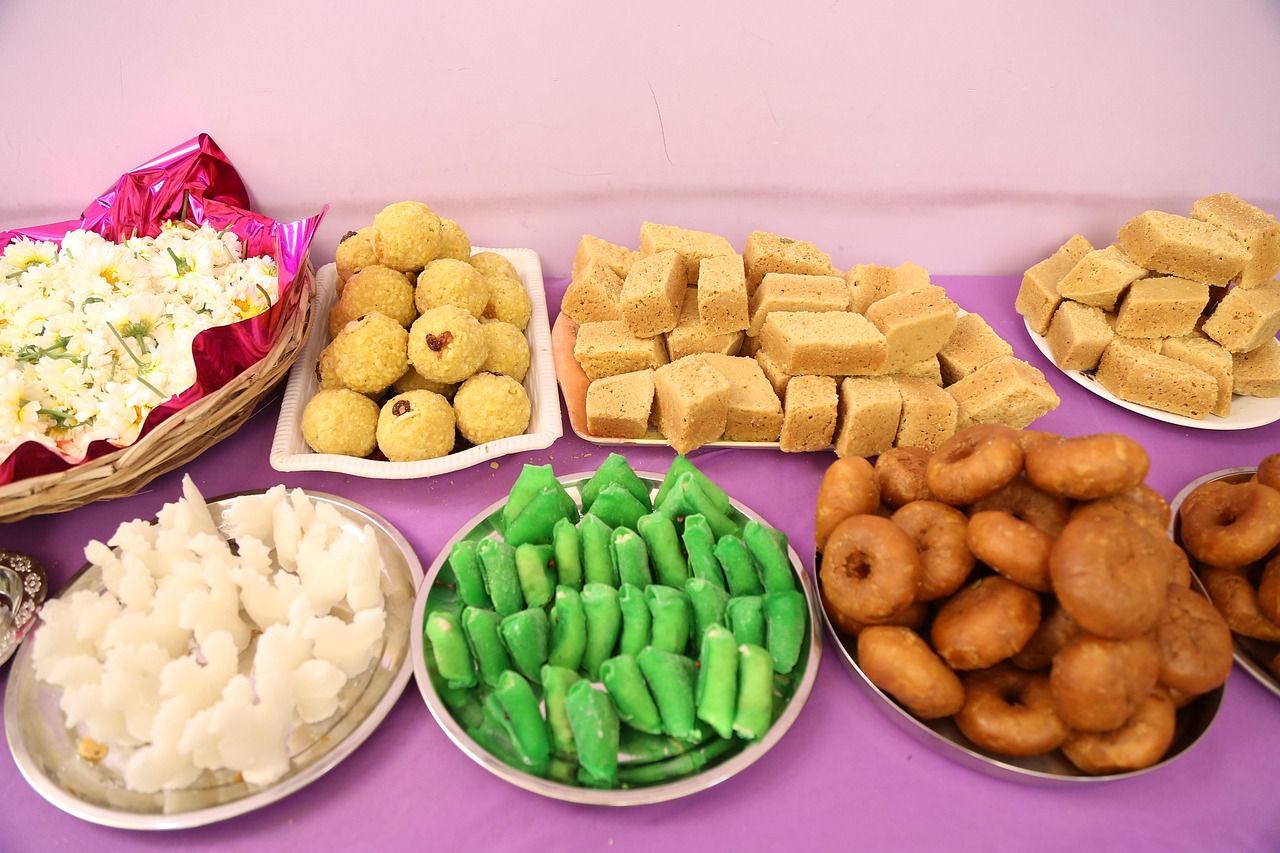
    A rich sweet of gram flour, sugar and plenty of ghee, either crumbly and porous or soft and melting. Tradition says it was first made in the royal kitchens of the Mysore Palace; sweet shops in Mysuru and Bengaluru sell it by the box.Read more
  • Masala dosa

    Mysuru (Mysore), India

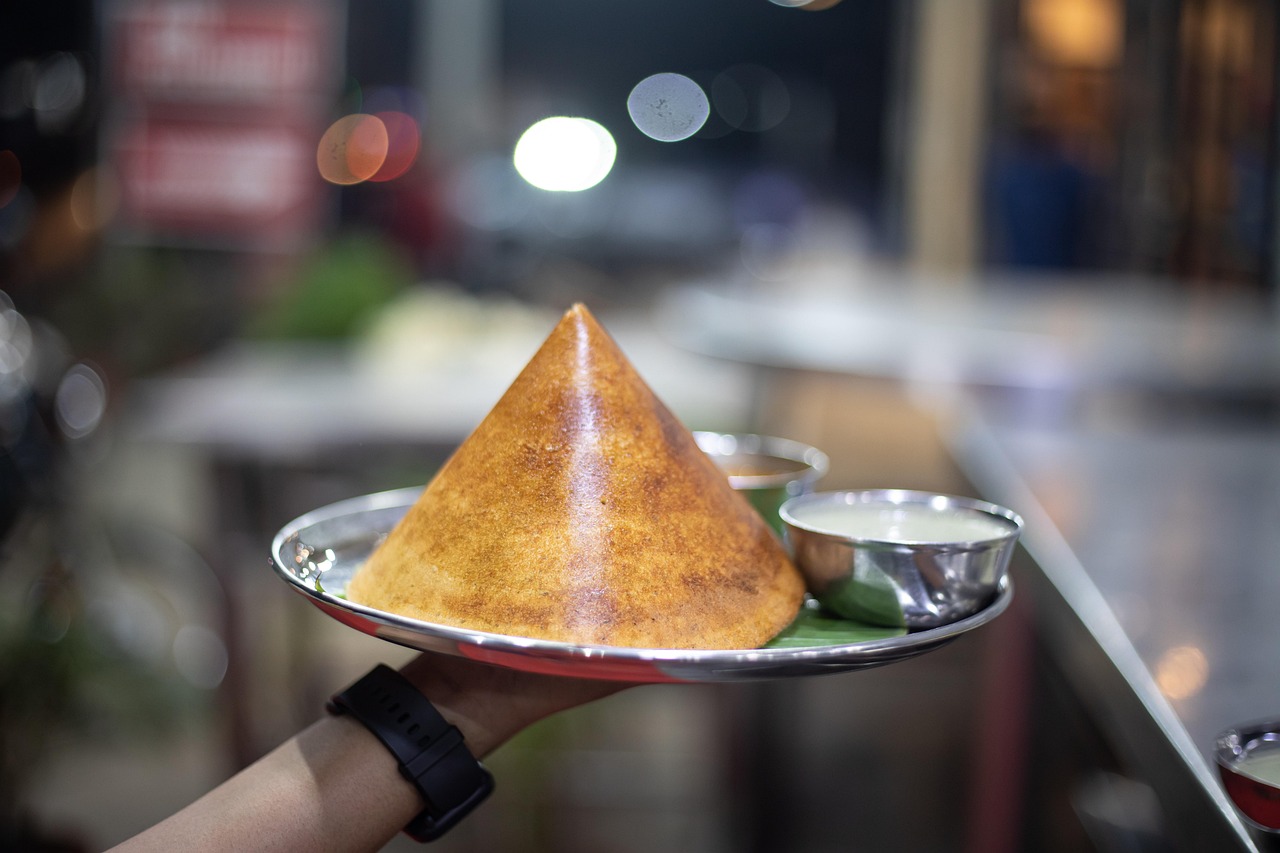
    A thin, crisp pancake of fermented rice and black-gram batter folded around spiced potato, served with coconut chutney and sambar. Karnataka claims it as its own; Bengaluru and Mysuru versions are often spread inside with a red chutney and a little ghee.Read more
  • Idli, vada and sambar

    Mysuru (Mysore), India

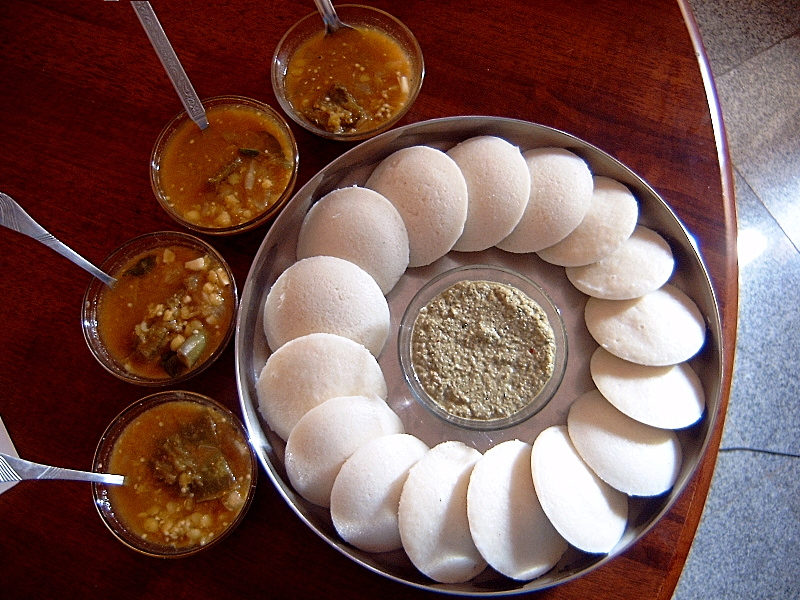
    The South Indian breakfast: soft steamed rice cakes and crisp lentil doughnuts with sambar (lentil and vegetable stew) and chutneys. Eaten standing at busy darshinis (self-service canteens) from early morning.

  • South Indian meals on a banana leaf

    Mysuru (Mysore), India

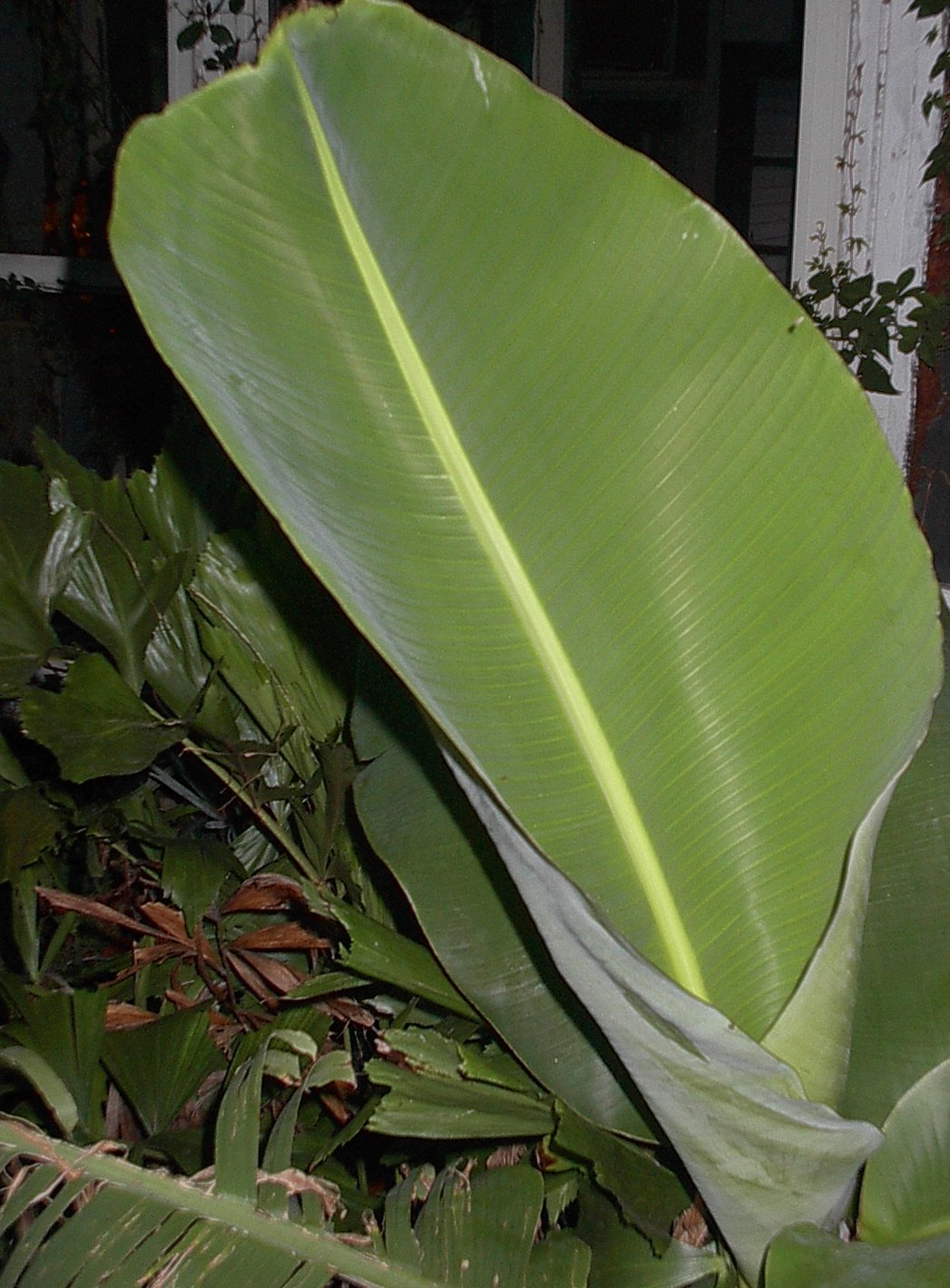
    Rice with a run of dishes — sambar, rasam, vegetable palya, kosambari (lentil salad), curd, pickle, papad and a sweet — served on a banana leaf or a steel plate and usually refilled until you say stop. Udupi-style restaurants serve it all over the south.Read more
  • Filter coffee

    Mysuru (Mysore), India

    Strong coffee brewed slowly in a metal filter, mixed with hot milk and sugar and poured between a tumbler and a bowl (dabara) to froth it. Coffee is grown in Karnataka and Kerala hills, and the drink is part of daily life across the south.Read more

Where to eat

  • Old city tiffin rooms

    Around the palace, Devaraja Market and Chamaraja Double Road

    Long-running vegetarian canteens serving Mysore masala dosa, idli and filter coffee from early morning — follow the local crowd.

    Open in Google Maps (opens in a new tab)
  • Sweet shops of Sayyaji Rao Road

    Around Devaraja Market

    Old sweet makers selling Mysore pak by weight, both the crumbly traditional kind and the soft ghee version, plus other Karnataka sweets.

    Open in Google Maps (opens in a new tab)
  • Nanjangud and Mysore meals restaurants

    City centre and Jayalakshmipuram

    South Indian meals on banana leaves at lunchtime, and North Indian and Mughlai restaurants for dinner around the city centre.

    Open in Google Maps (opens in a new tab)

Where to stay

  • Near the palace

    Mysuru (Mysore), India

    Hotels of all levels within walking distance of the palace and market — the best base for a short visit and the evening illuminations.

    Open in Google Maps (opens in a new tab)
  • Nazarbad and Lalitha Mahal side

    Mysuru (Mysore), India

    Quieter streets towards Chamundi Hill, including heritage stays in former royal mansions and the Lalitha Mahal palace hotel.

    Open in Google Maps (opens in a new tab)

Culture

Mysuru is proud of its royal and classical traditions. Mysuru Dasara, the ten-day Navaratri festival, ends with the Jamboo Savari procession on Vijayadashami, when a decorated elephant carries the golden howdah with the goddess Chamundeshwari through the city, and the palace and streets are lit every evening.

The city is a centre of Carnatic music, Mysore-style painting with gold leaf, rosewood inlay and yoga — Ashtanga yoga grew from teachers here, and students from around the world come to the Gokulam shalas. Mysore silk, sandalwood oil and soap, incense and fresh jasmine from Devaraja Market are the city's signature buys.

History

Mysuru was ruled for most of five centuries by the Wodeyar dynasty, first as chiefs under the Vijayanagara Empire and, after its fall, as kings of the Kingdom of Mysore. In the 18th century power passed to Hyder Ali and Tipu Sultan, who ruled from the island fortress of Srirangapatna nearby. After Tipu died there in 1799, the British restored the Wodeyars and Mysuru again became the capital.

The late 19th and early 20th centuries were Mysuru's golden age. Under maharajas such as Krishnaraja Wodeyar IV and his dewan Sir M. Visvesvaraya, the state built dams, railways, a university and industries, and the city was laid out with parks, broad roads and grand buildings. The present Mysore Palace (Amba Vilas) was built after the old wooden palace burnt in 1897 and completed in 1912.

After independence the kingdom joined India and Mysuru gave its name to the state until it was renamed Karnataka in 1973. The royal family still performs the Dasara rituals in the palace.

Tour plans

Mysuru in two days

2 days, 1 night
  1. Step 1: Day 1 — Palaces and markets

    Mysore Palace in the morning, Jaganmohan Palace gallery, lunch on a banana leaf, Devaraja Market and St. Philomena's in the afternoon, Chamundi Hill at sunset, and the palace lights if it is a lighting evening.

  2. Step 2: Day 2 — Tipu's island and the dam

    Srirangapatna in the morning — the temple, Daria Daulat Bagh and the Gumbaz — then Brindavan Gardens and the KRS dam for the evening fountain.

Hoysala day trip

1 day
  1. Step 1: Somanathapura

    The star-shaped Chennakeshava temple and its carved friezes.

  2. Step 2: Talakadu

    Temples half-buried in sand dunes on the Kaveri.

  3. Step 3: Back to Mysuru

    Return for dinner and a final walk around the palace.

Map

Open in Google Maps (opens in a new tab)

Travel information

Best time to visit

October to February is mild and dry; Dasara (September or October) is the highlight but hotels fill early. March to May is hot; June to September brings monsoon showers.

How to get there

By air: most visitors fly to Kempegowda International Airport, Bengaluru (BLR), about 170 km away (three to four hours by road). Mysuru has its own small airport at Mandakalli with a few domestic flights — check current routes.

By train: Mysuru Junction is linked to Bengaluru by frequent trains, including fast Shatabdi and Vande Bharat services (about two hours), and by long-distance trains to Chennai, Hubballi and beyond.

By road: the Bengaluru–Mysuru expressway brings the drive to about two to three hours; KSRTC buses run very frequently from Bengaluru. Roads lead on to Coorg, Ooty (through Bandipur) and Wayanad.

Getting around

  • Autos and app cabs: autos are the easiest way around town; agree a fare or ask for the meter.
  • On foot: the palace, Devaraja Market and the city centre are close together and pleasant to walk in the cool hours.
  • Hired car: the best way to combine Chamundi Hill, Srirangapatna, Brindavan Gardens and Somanathapura in a day.
  • City buses: run up to Chamundi Hill and to Srirangapatna and the KRS dam from the city bus stand.
  • Cycling: Mysuru's flat, broad avenues have a public bicycle-sharing scheme — check whether it is running.

Travel tips

  • Temples, mosques and churches: take your shoes off before entering shrines (racks or shoe-keepers are at the door). Cover shoulders and knees. Some Kerala and Karnataka temples allow only Hindus inside the inner shrine and ask men to remove their shirts — follow the notice at the gate. Ask before photographing people at prayer.
  • Visas: most visitors need a visa; many nationalities can apply for an Indian e-Visa online. Check the current rules for your passport before you travel.
  • Money: the currency is the Indian rupee (INR). Cards work in hotels and larger restaurants; most small shops use UPI phone payments, which foreign visitors may not be able to use, so carry cash for autos, markets and small eateries.
  • Monsoon: the south-west monsoon reaches Kerala and coastal Karnataka around June and lasts into September; hill roads can close after landslides and beaches have strong currents. Check the weather and road conditions before going.
  • Health: drink bottled or filtered water, eat where food is cooked fresh, and use mosquito repellent, especially near backwaters and forests.
  • Time zone: India Standard Time, UTC+5:30, all year.
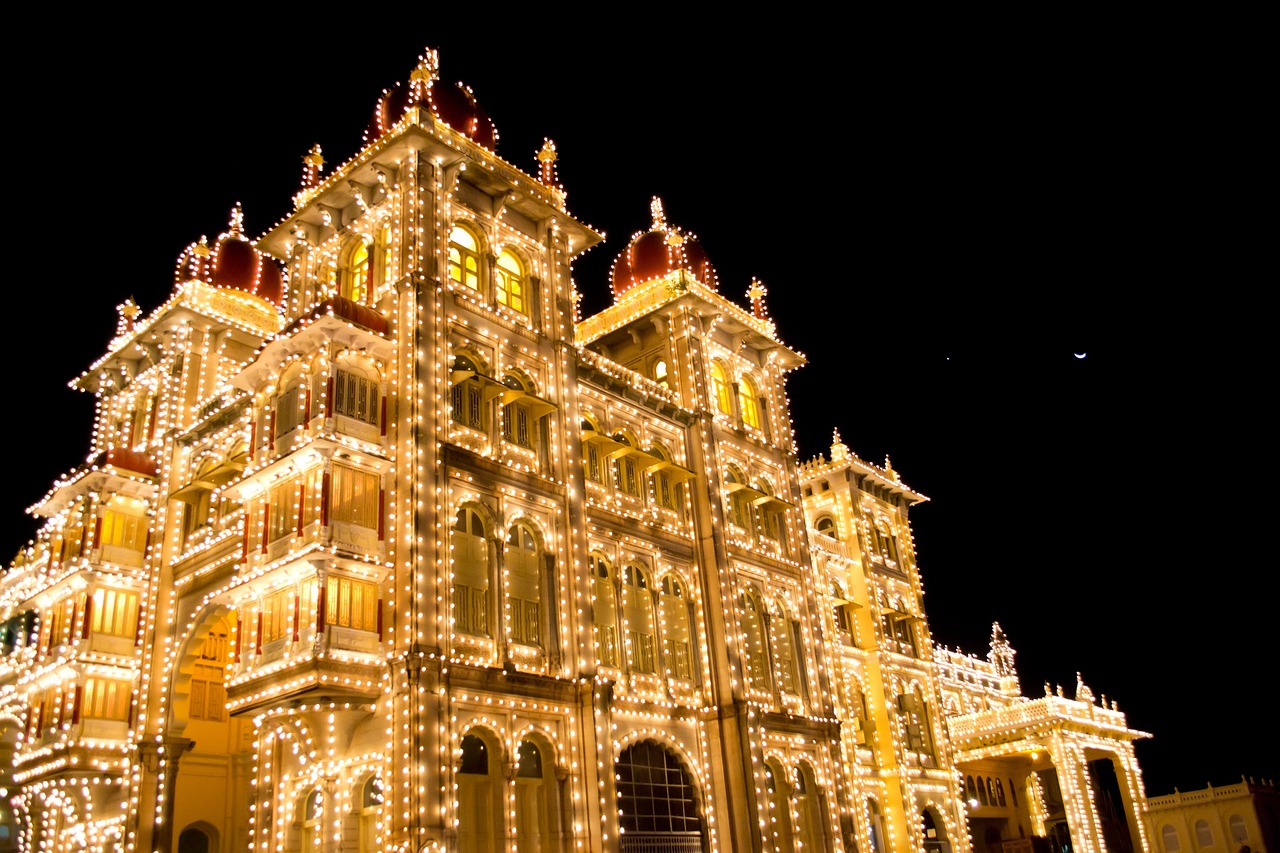
  • Palace lights: the palace is lit with nearly 100,000 bulbs on Sunday evenings, public holidays and during Dasara, for a short time after dark — check the current schedule.
  • Palace rules: shoes are left outside and photography rules inside change; follow the notices.
  • Shopping: buy silk saris and sandalwood from the government-run Karnataka Silk Industries and Cauvery emporium outlets to be sure of quality.

All destinations