Ooty (Udhagamandalam)

Ooty (Udhagamandalam), India

Ooty (Udhagamandalam)

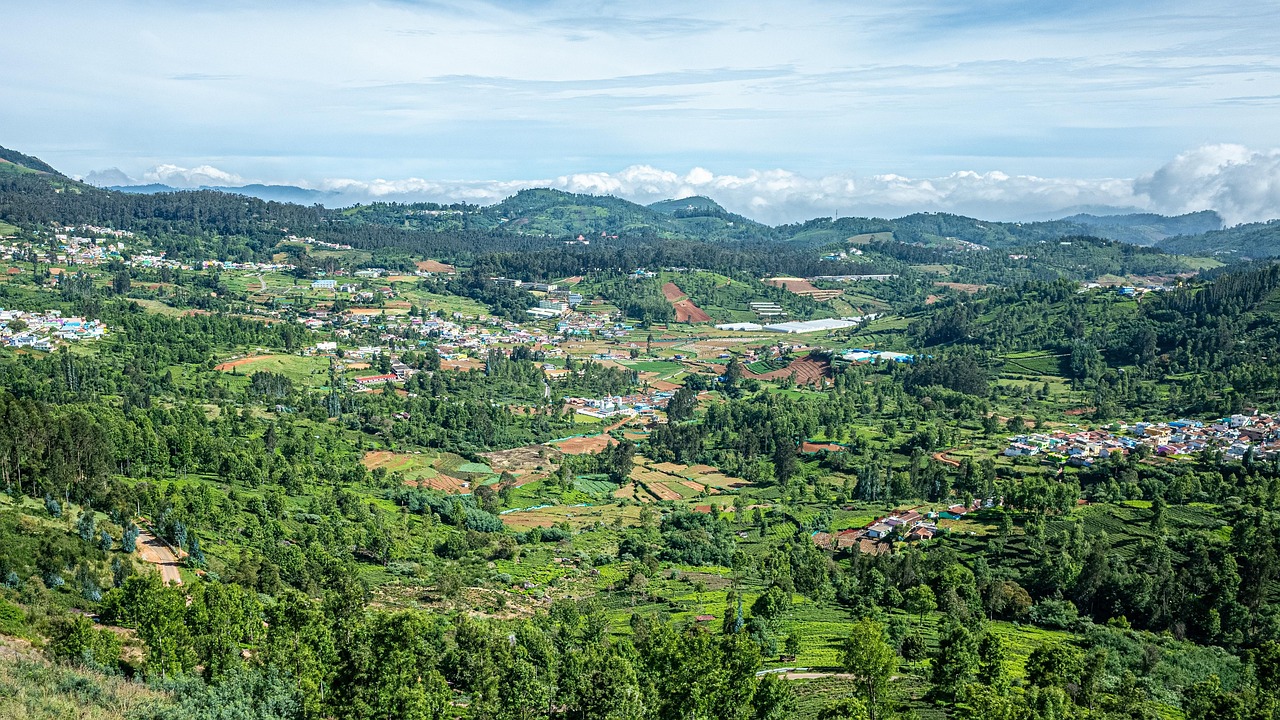
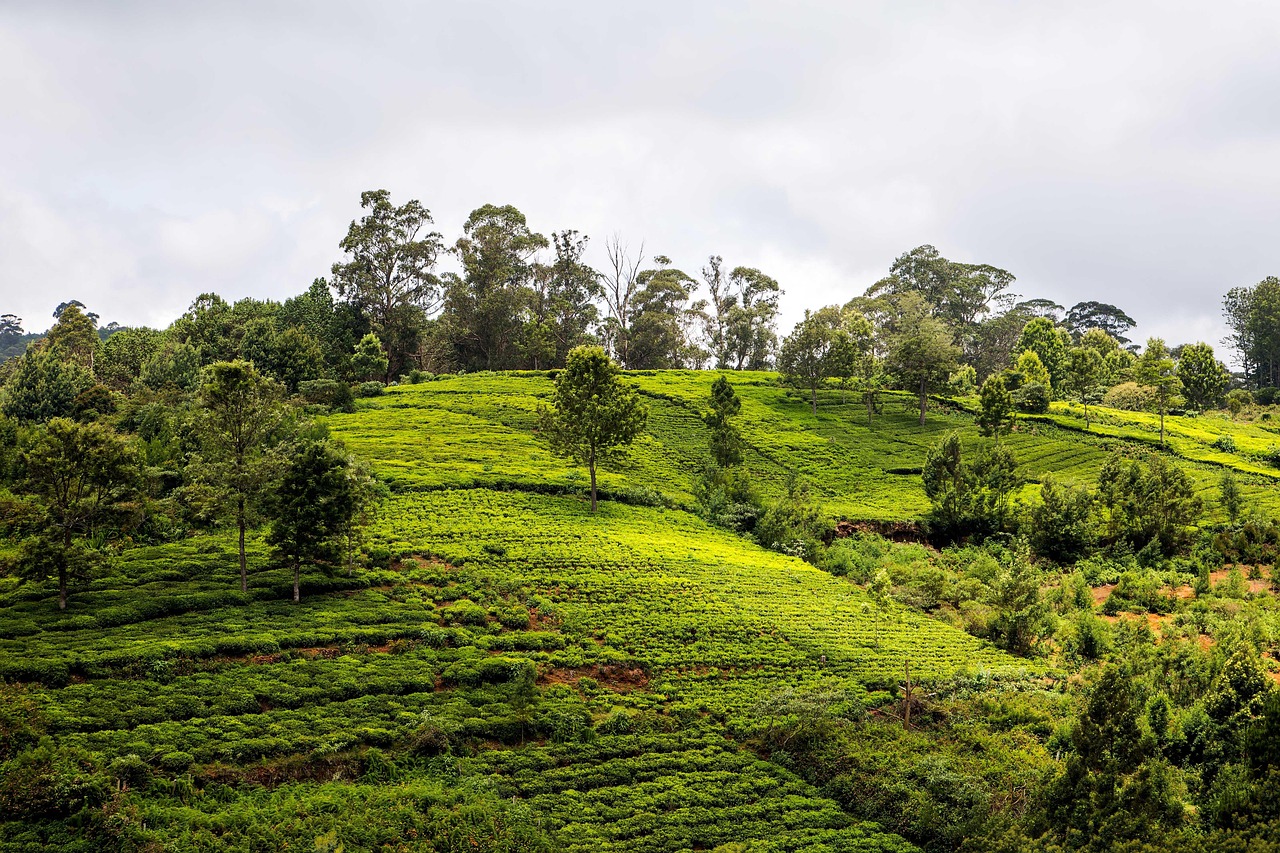
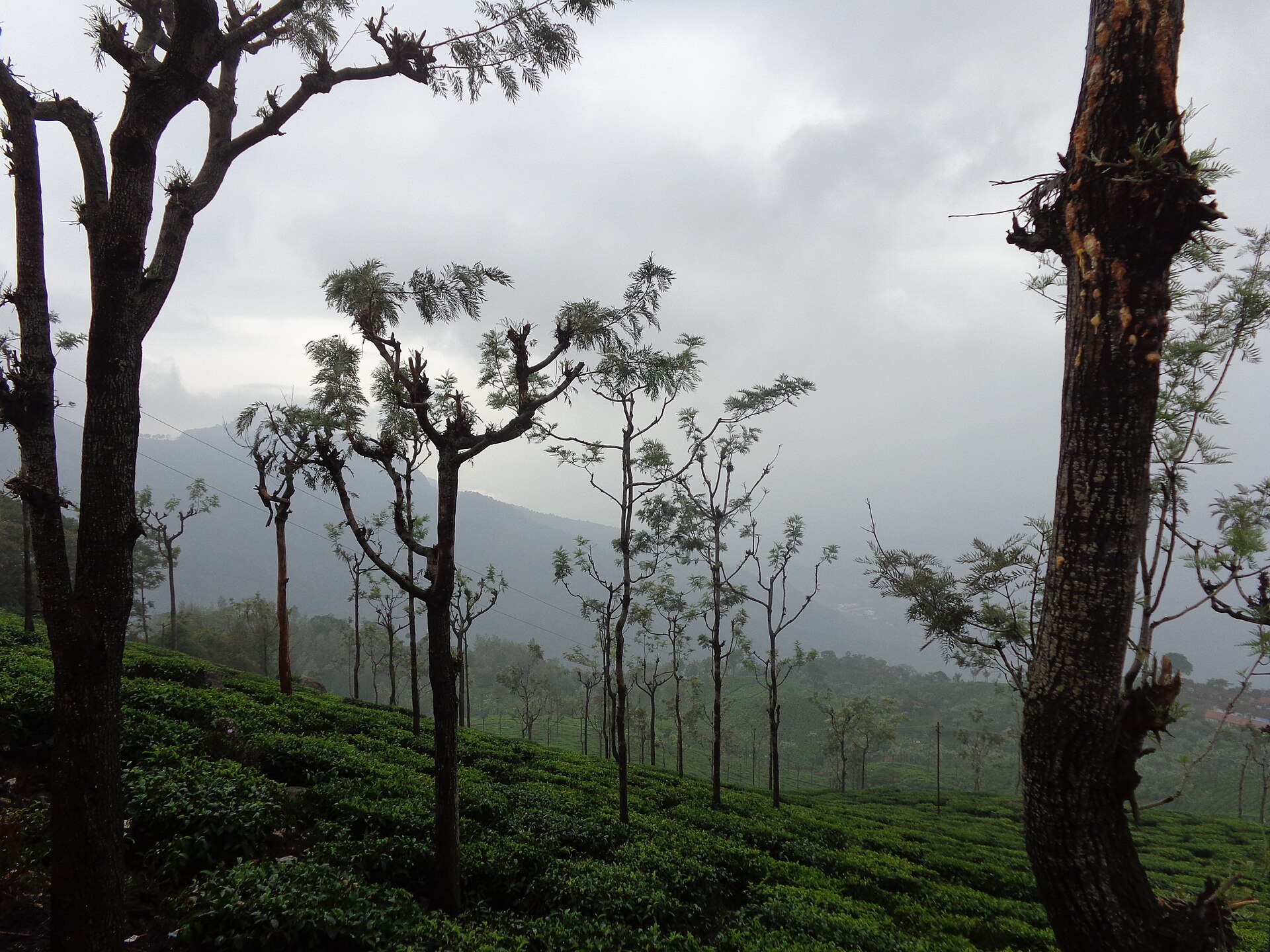
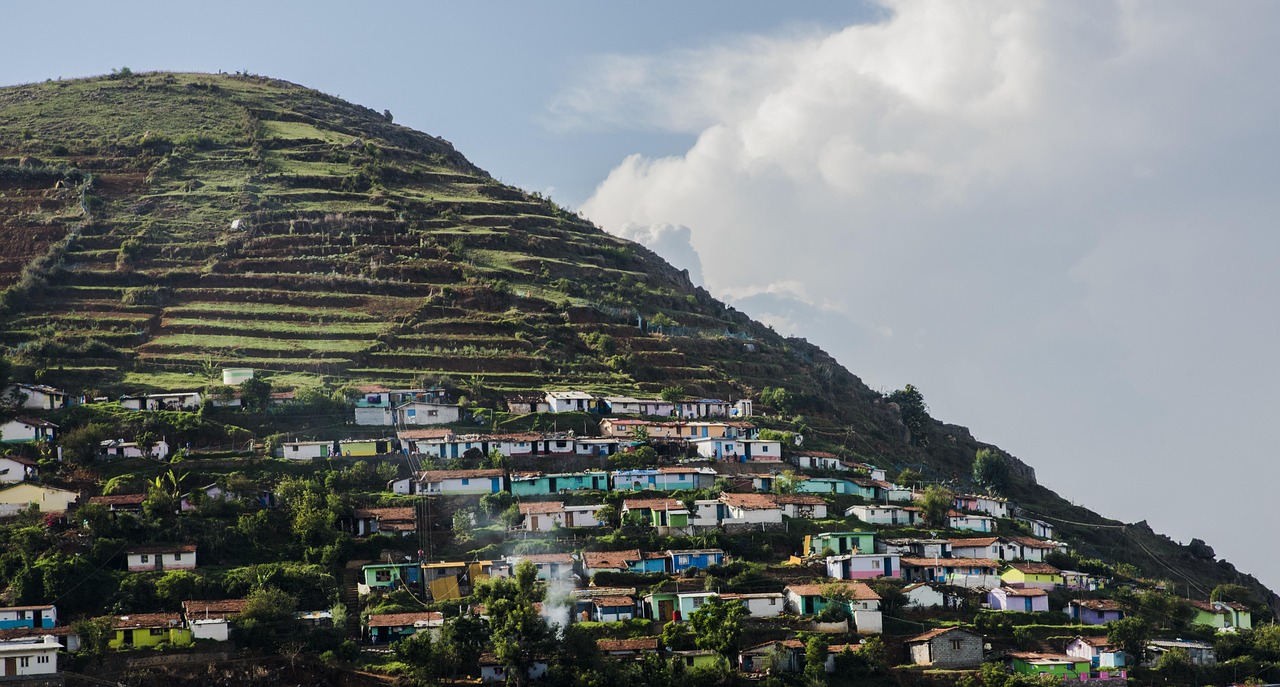
The best-known hill station of South India, high in the Nilgiri Hills: tea gardens, eucalyptus and pine forests, a lake and botanical garden from British days, and the little blue toy train climbing up from the plains.

Favourite places

  • Government Botanical Garden

    Upper Ooty, near Charing Cross

    Terraced lawns, flowerbeds, glasshouses and old trees laid out in the 1840s on the slopes of Doddabetta, including a fossilised tree trunk. Home of the May Flower Show.Read more

    How to get there: A walk or short auto ride from the town centre.

    Open in Google Maps (opens in a new tab)
  • Doddabetta Peak

    About 10 km east of Ooty

    The highest point of the Nilgiris, at around 2,600 m, with a viewing tower over the hills when the mist clears. Go in the morning for the best chance of views.Read more

    How to get there: By taxi or bus on the Kotagiri road.

    Open in Google Maps (opens in a new tab)
  • Nilgiri Mountain Railway

    Ooty station, Coonoor, Mettupalayam

    The UNESCO-listed narrow-gauge railway through tunnels, viaducts and tea gardens. Ride the full stretch from Mettupalayam, or a short section from Ooty to Coonoor.

    Open in Google Maps (opens in a new tab)
  • Pykara Lake and Falls

    About 20 km west of Ooty

    A reservoir with boating and a series of small waterfalls in grassland and shola forest along the road to Mudumalai.

    Open in Google Maps (opens in a new tab)
  • Coonoor

    About 18 km south-east of Ooty

    A smaller, quieter hill town surrounded by tea estates, with Sim's Park and viewpoints such as Dolphin's Nose and Lamb's Rock.Read more

    How to get there: By the toy train, bus or taxi.

    Open in Google Maps (opens in a new tab)

Historical places

  • St Stephen's Church

    Near the Collectorate, Ooty

    One of the oldest churches in the Nilgiris, built in the early 1830s, with timber said to have come from Tipu Sultan's palace at Srirangapatna.

    Open in Google Maps (opens in a new tab)

Local food

  • Nilgiri tea

    Ooty (Udhagamandalam), India

    Fragrant, bright black tea grown on the slopes of the Nilgiri Hills around Ooty and Coonoor. Taste it at a tea factory or estate and buy it loose to take home.

  • Hill-station homemade chocolate

    Ooty (Udhagamandalam), India

    Ooty and Kodaikanal are known for "homemade" chocolates and fudge sold by weight in small shops along the main bazaars — a traditional gift from the hills, along with eucalyptus oil and spices.

  • Dosa

    Ooty (Udhagamandalam), India

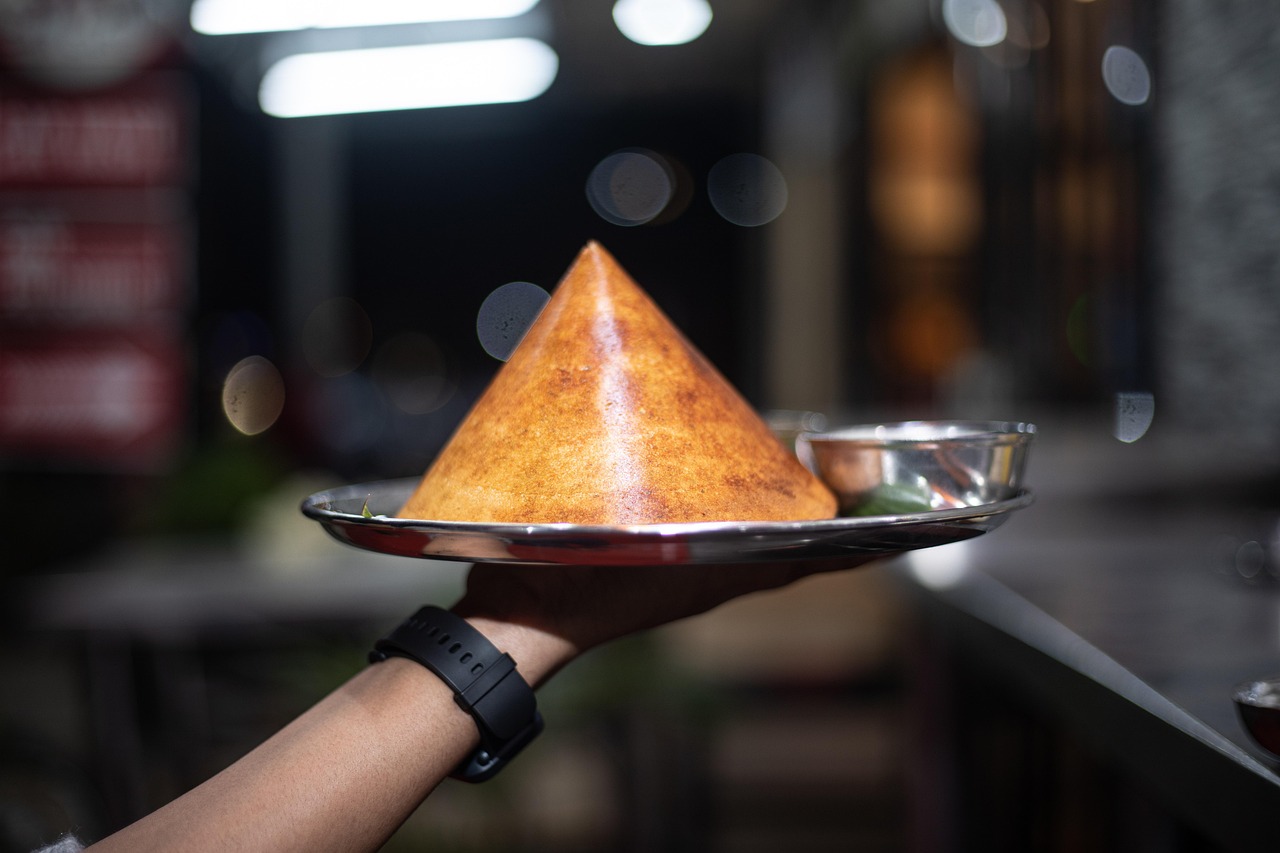
    A thin, crisp pancake of fermented rice and lentil batter, served plain, as a masala dosa folded around spiced potato, as a ghee roast or as a thick onion uttapam, always with sambar and chutneys. Best eaten hot off the griddle at breakfast or in the evening.Read more
  • Kongunadu cooking

    Ooty (Udhagamandalam), India

    The cuisine of the western Tamil Nadu (Kongu) region around Coimbatore: arisi paruppu sadam (rice and lentils cooked together with ghee), coconut-and-pepper chicken, kola urundai (meatballs) and milder, coconut-based gravies.Read more

Where to eat

  • Tea estate cafés and factories

    On the roads to Coonoor and Doddabetta

    Tea factories with tasting counters and small cafés among the gardens — a good stop on a sightseeing day.

    Open in Google Maps (opens in a new tab)

Where to stay

Culture

Ooty mixes hill tribes, Tamil and Kannada-speaking communities and an old colonial legacy of boarding schools, clubs and churches. The Toda people are known for their embroidered shawls (pukhoor), sold in local craft shops.

The town's big event is the Summer Festival in May, with the famous Flower Show at the Government Botanical Garden, a rose show and a vegetable and fruit show nearby. Tea and spices are sold everywhere, and walking through tea estates is part of every visit.

History

The Nilgiri ("Blue Mountains") plateau was home to the Toda, Badaga, Kota and other communities long before outsiders came. The Toda still keep their buffalo herds and their distinctive barrel-roofed huts (munds) in the hills.

In the early 19th century John Sullivan, Collector of Coimbatore, explored the plateau and began building here in the 1820s. Ootacamund grew into the summer headquarters of the Madras Presidency, with clubs, churches, schools and a botanical garden laid out in the 1840s. Tea, introduced by the British, became the region's main crop.

The Nilgiri Mountain Railway, completed in 1908, climbs from Mettupalayam using a rack-and-pinion system on its steepest stretch; it is part of the Mountain Railways of India UNESCO World Heritage Site. The town's official name today is Udhagamandalam.

Tour plans

Ooty and Coonoor in two days

2 days, 1 night
  1. Step 1: Day 1 — Ooty

    Morning at Doddabetta Peak, the Botanical Garden and Rose Garden, a tea factory visit, and boating on Ooty Lake in the late afternoon.

  2. Step 2: Day 2 — Down the mountain railway

    Take the toy train from Ooty to Coonoor, visit Sim's Park and Dolphin's Nose, then continue by train or road down to Mettupalayam and Coimbatore.

Map

Open in Google Maps (opens in a new tab)

Travel information

Best time to visit

March to June for pleasant days (the busiest time), and September to November. December to February nights are cold, with frost; July and August are wet.

How to get there

By air: the nearest airport is Coimbatore International Airport (CJB), about 90 km away (around 3 hours by road up the ghat road).

By train: mainline trains reach Mettupalayam at the foot of the hills, where the Nilgiri Mountain Railway toy train climbs to Coonoor and Ooty in about five hours. Seats are limited and sell out — book well ahead. Coimbatore Junction is the nearest major station.

By road: buses and taxis come up from Coimbatore and Mettupalayam via Coonoor, and from Mysuru (Karnataka) via Bandipur and Mudumalai; the forest road through the reserves may be closed at night — check current rules.

Getting around

  • On foot: the centre around Charing Cross, the bazaar and the botanical garden is walkable, but hilly.
  • Taxis and autos: for the lake, Doddabetta and viewpoints; many drivers offer half-day and full-day sightseeing circuits.
  • Toy train: short rides between Ooty and Coonoor are possible on the mountain railway.
  • Weekends and May: traffic jams are common in season; start early.

Travel tips

  • Temples: remove shoes (counters or racks at the gate) and dress modestly — shoulders and knees covered. Several large temples have dress codes (for example dhoti or trousers with a shirt for men, saree, salwar or long skirt for women) and some allow only Hindus into the inner sanctum; follow the signs and staff. Photography is usually not allowed inside the shrines.
  • Heat: the plains are hot most of the year and very hot from April to June. Start sightseeing early, rest at midday, carry water and a hat.
  • Rains: the Tamil Nadu and Puducherry coast gets most of its rain from the north-east monsoon (roughly October–December), when cyclones can occur; inland Andhra Pradesh and Telangana get the south-west monsoon (June–September). Check the weather before travelling.
  • Language: Tamil, Telugu or Malayalam is spoken locally; English is understood in hotels, stations and shops in the cities, and Hindi much less so in Tamil Nadu.
  • Eating: meals are often eaten with the right hand; spoons are always available. Ask for "less spicy" in Andhra and Telangana.
  • Money: UPI payments and cards are widely accepted in cities; carry some cash for small towns, temple stalls and autos.
  • Layers: mornings and evenings are cool even in summer; pack a warm layer and a rain jacket.
  • E-pass and limits: in recent seasons the authorities have required an e-pass for vehicles entering the Nilgiris and limited daily numbers — check current rules before driving up.
  • Plastic: single-use plastic is banned in the Nilgiris; carry your own bottle.

All destinations