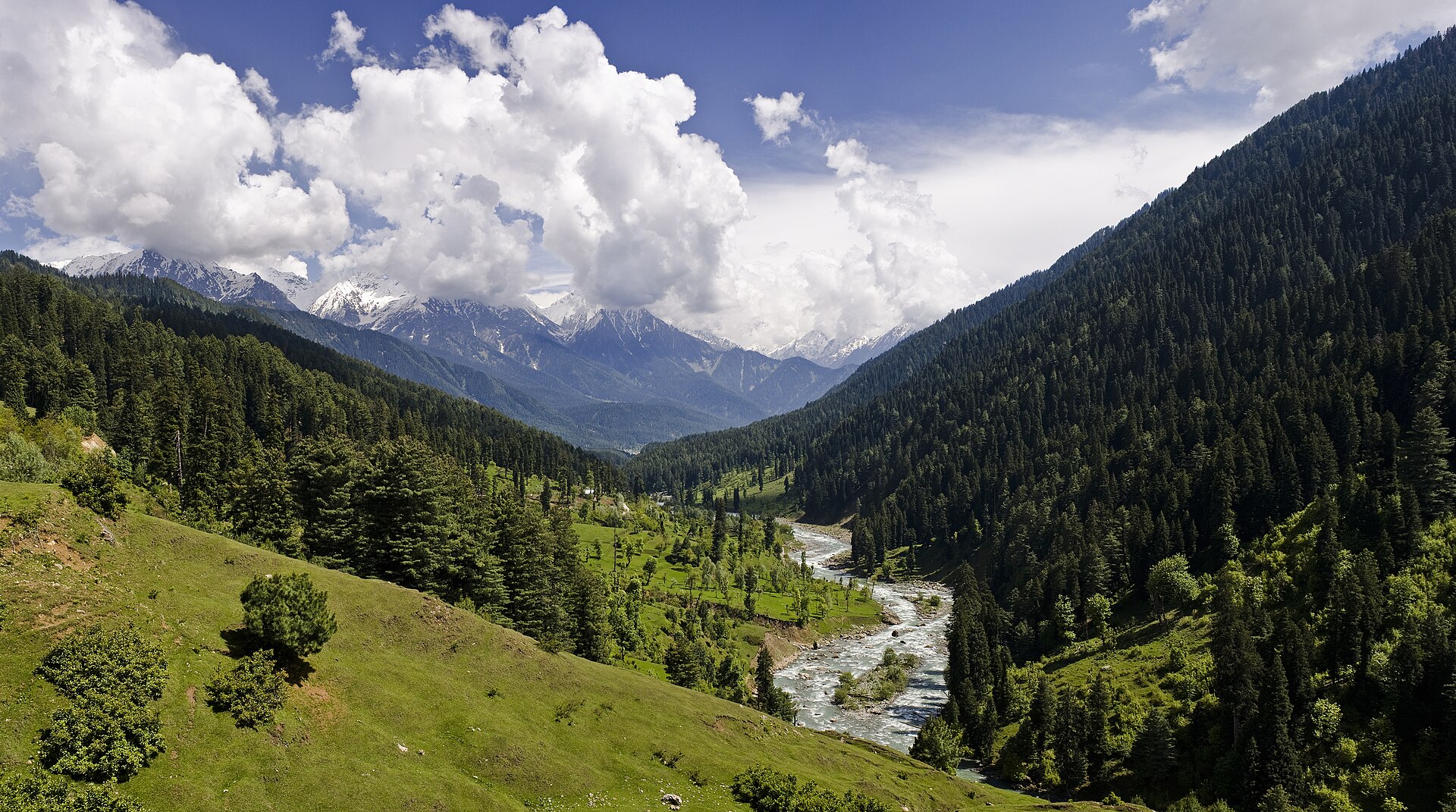
Betaab Valley
About 15 km from Pahalgam, on the Chandanwari road
A green valley with the Sheshnag stream winding through it, surrounded by pine-covered slopes and snow peaks.Read more
How to get there: Local union taxi from Pahalgam.
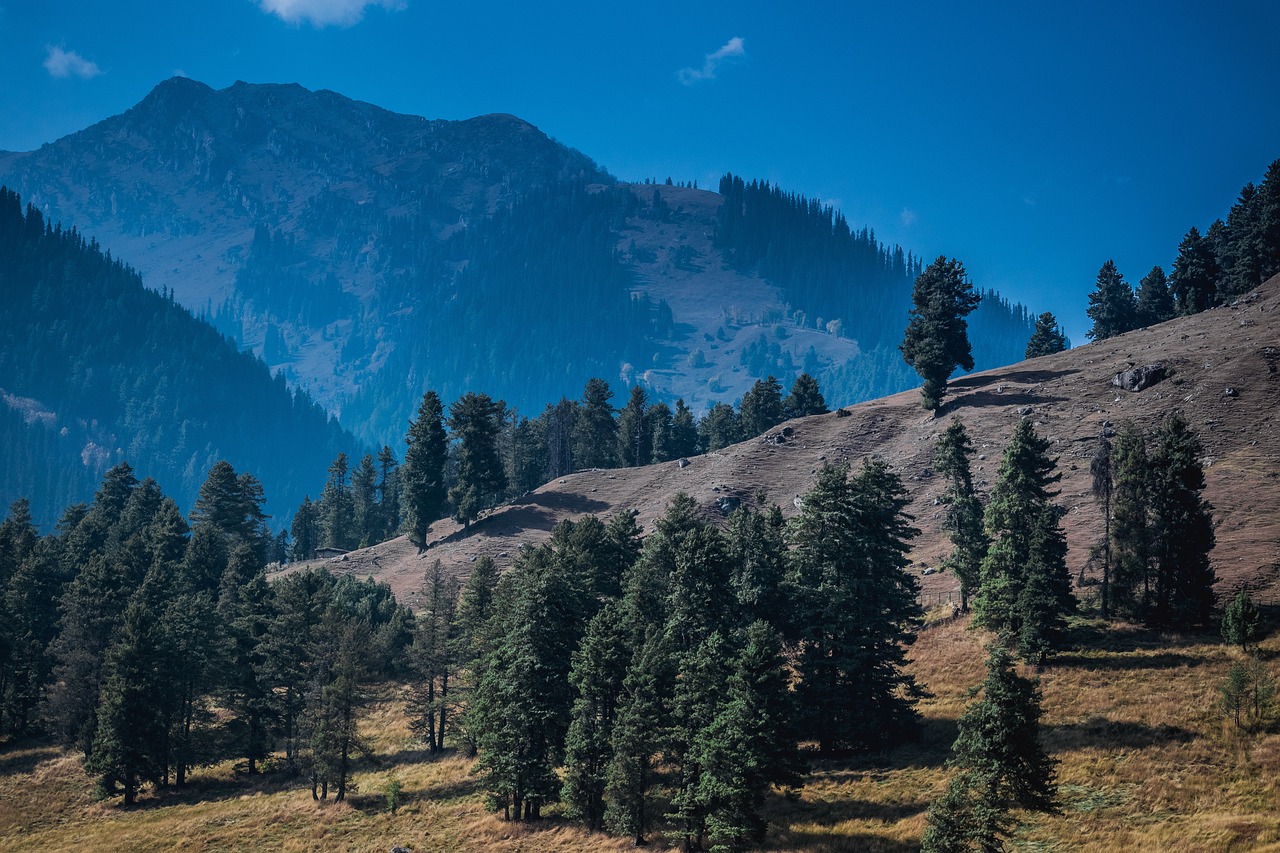
 Pahalgam, India
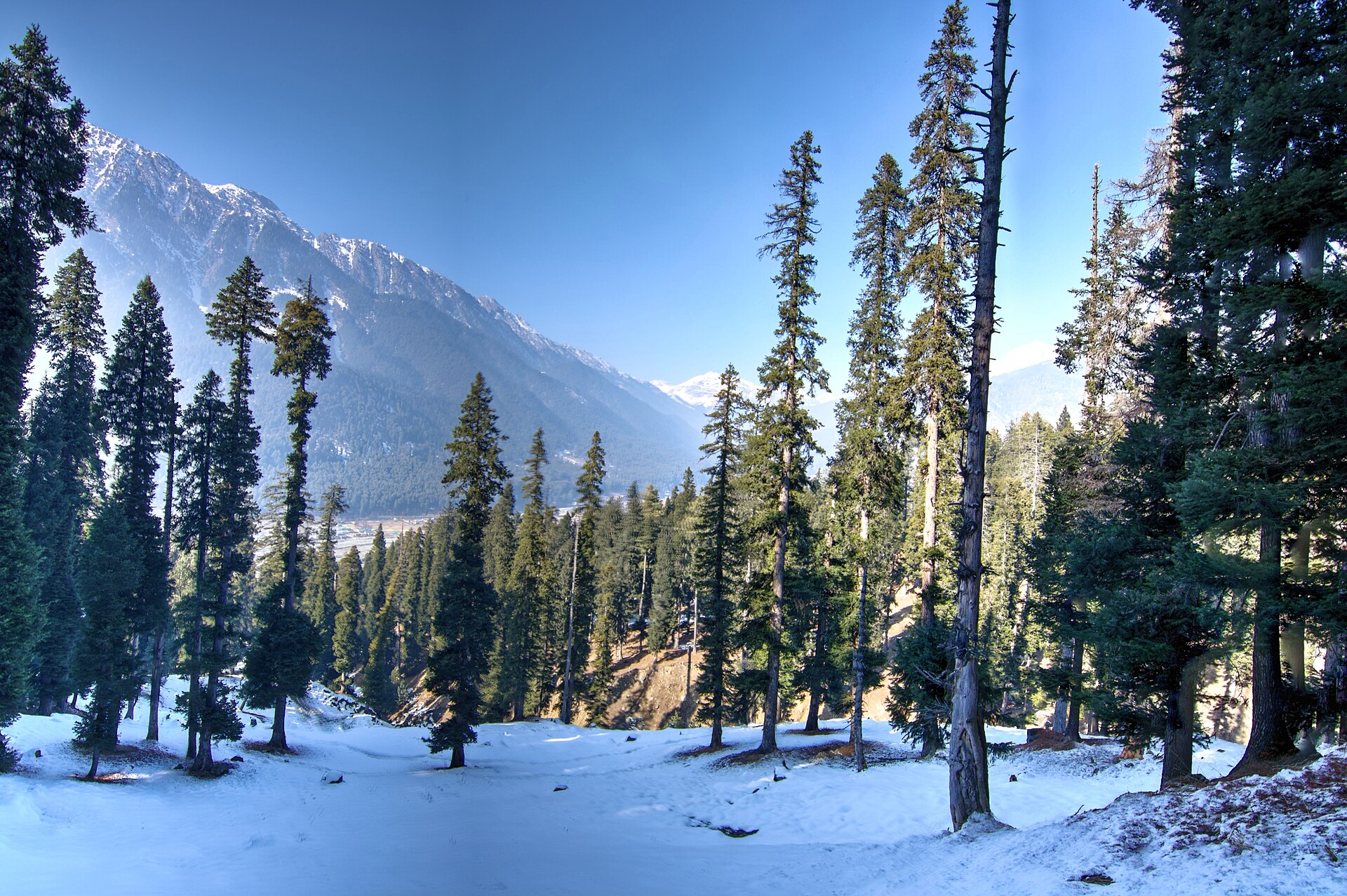
A valley town where the Lidder river meets the Sheshnag stream, known for pine forest, meadows such as Baisaran, Aru and Betaab Valley, and as the base for the Amarnath Yatra pilgrimage.
About 15 km from Pahalgam, on the Chandanwari road
How to get there: Local union taxi from Pahalgam.
About 12 km up the Lidder
How to get there: Local union taxi from Pahalgam.
Above Pahalgam
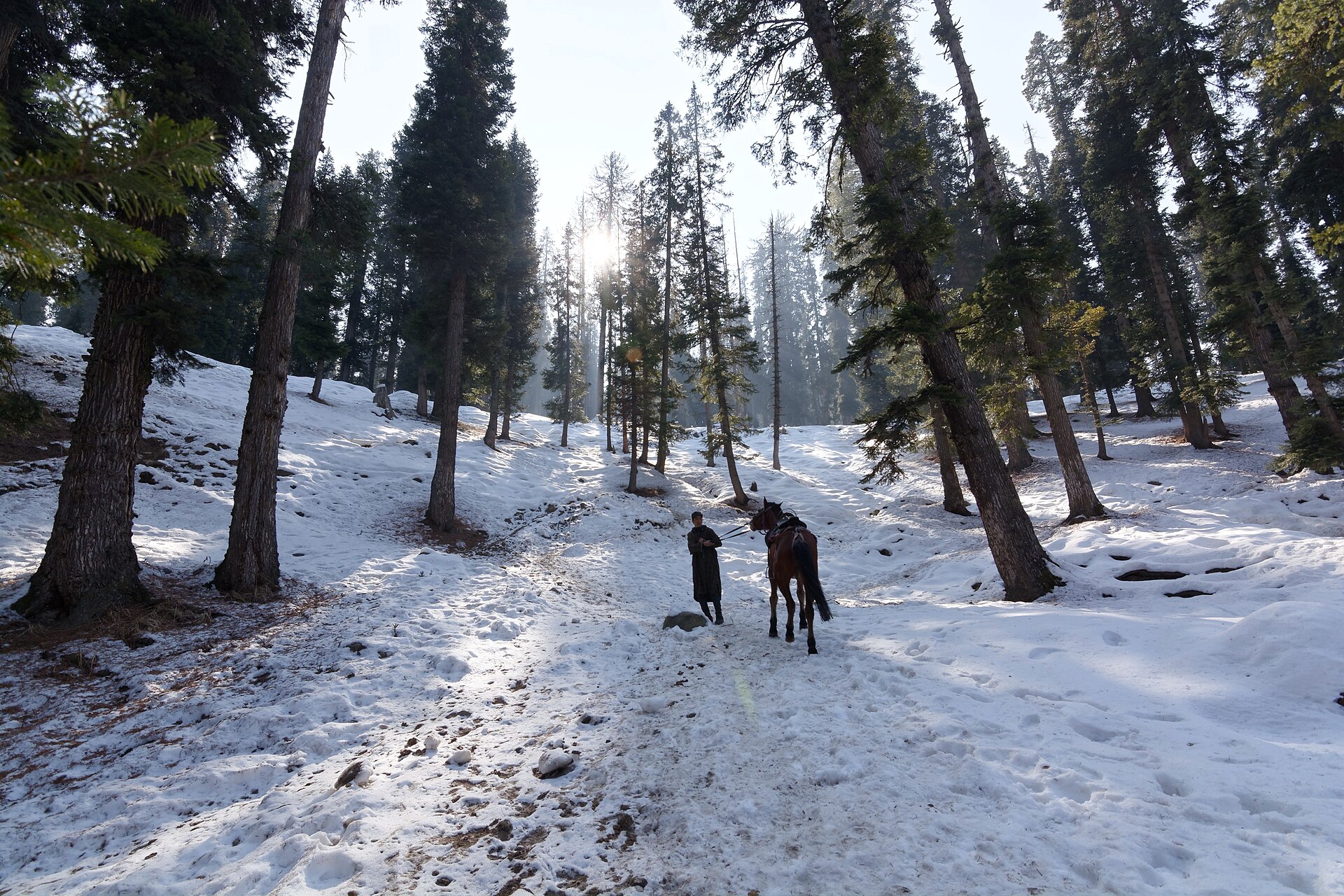
How to get there: By pony or a walk uphill from Pahalgam.
About 16 km from Pahalgam
The starting point of the Amarnath Yatra trek, often with snow bridges over the stream into early summer.
Open in Google Maps (opens in a new tab)Through Pahalgam
The rushing river through the town, with riverside walks, picnic spots and trout fishing (with a licence).
Open in Google Maps (opens in a new tab)Pahalgam
A small stone Shiva temple dating to around the 12th century, beside a spring.
Open in Google Maps (opens in a new tab)
Pahalgam, India
Pahalgam, India
Kashmiri green tea brewed with saffron, cardamom and cinnamon and served with almonds, traditionally from a brass samovar. Offered to guests everywhere — on houseboats, in hotels and in shops.
Pahalgam, India
Rainbow and brown trout farmed in the cold streams of the Kullu valley and Kashmir, served pan-fried, grilled or in a light curry. A local favourite in Manali, Kullu, Kasol and Kashmir.
Pahalgam
Restaurants and dhabas serving Kashmiri, North Indian and vegetarian food, plus kahwa stalls.
Open in Google Maps (opens in a new tab)Along the Lidder
Most hotels serve their own meals, including Kashmiri dishes.
Open in Google Maps (opens in a new tab)Pahalgam
Hotels and guesthouses along the Lidder river, close to the market and taxi stand.
Open in Google Maps (opens in a new tab)Aru Valley
Simple guesthouses and huts for a quieter stay near the trailheads.
Open in Google Maps (opens in a new tab)Pahalgam is home to Kashmiris and to Gujjar and Bakarwal herders whose flocks move up to the meadows each summer. The Amarnath Yatra brings pilgrims from across India, supported by local ponywallahs, porters and tent-keepers — an example of the shared life of the valley.
Pahalgam, "the village of shepherds", grew from a herding settlement into a resort in the 20th century. It lies on the route of the Amarnath Yatra, the Hindu pilgrimage to the ice lingam in the Amarnath cave, which passes Chandanwari and Sheshnag lake each summer. The 12th-century Mamleshwar temple stands near the town.
The valleys around it — Aru, Betaab (named after a Hindi film shot there) and Baisaran — have long been summer pastures of Gujjar and Bakarwal herders and are now popular for walks and pony rides.
Local taxi to Aru, Betaab Valley and Chandanwari.
Pony ride to Baisaran (if open), Mamleshwar Temple and a riverside walk.
April to October, with green meadows from May. Winters are snowy and cold. The Amarnath Yatra (usually July–August) brings crowds and security arrangements.
By air: fly to Srinagar (SXR), about 95 km away (around 2.5–3 hours by road).
By train: the nearest station on the Kashmir valley line is Anantnag, about 45 km away — check current services.
By road: taxis and buses run from Srinagar via Anantnag. Check current travel advisories and any restrictions before travelling, especially around the yatra season.