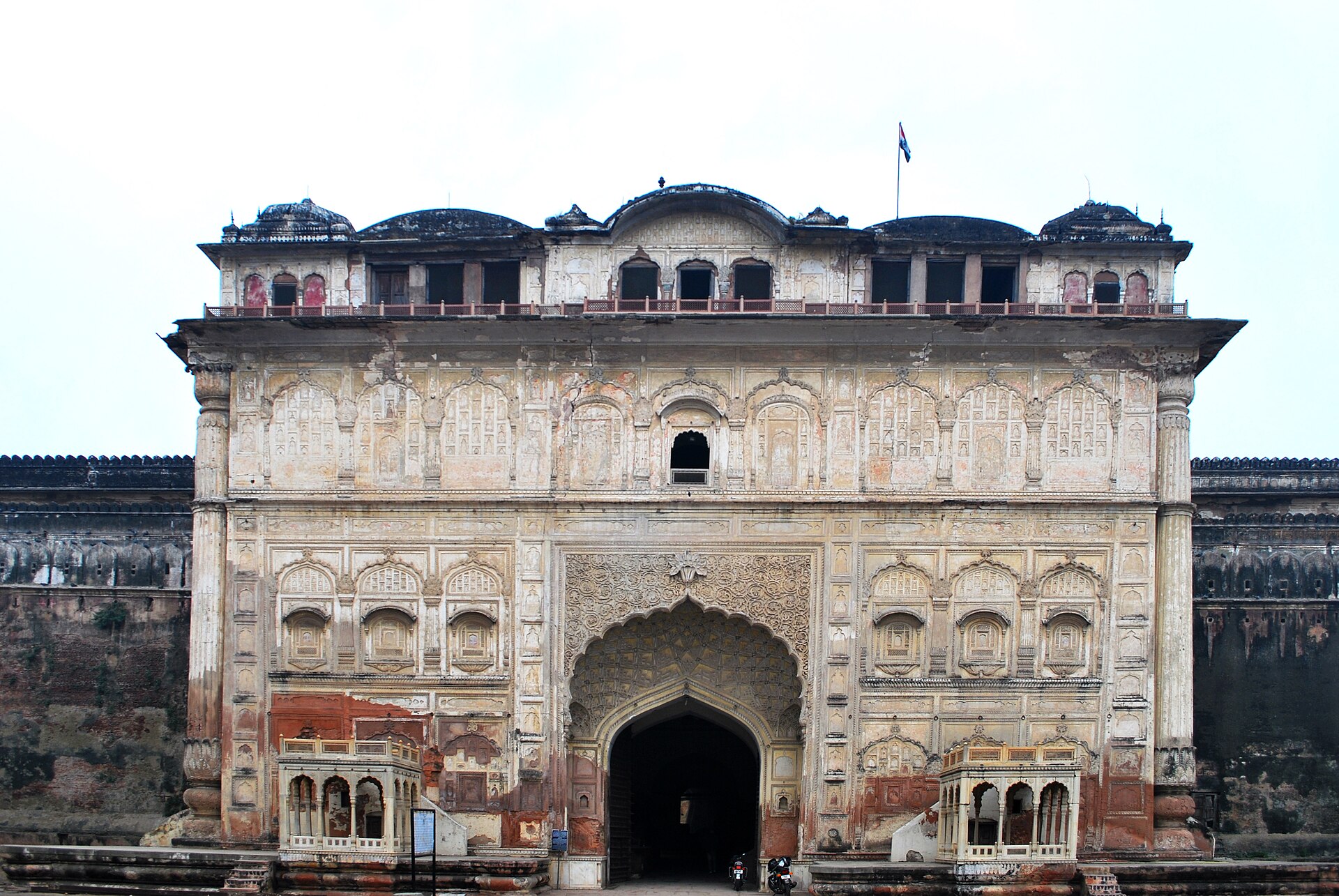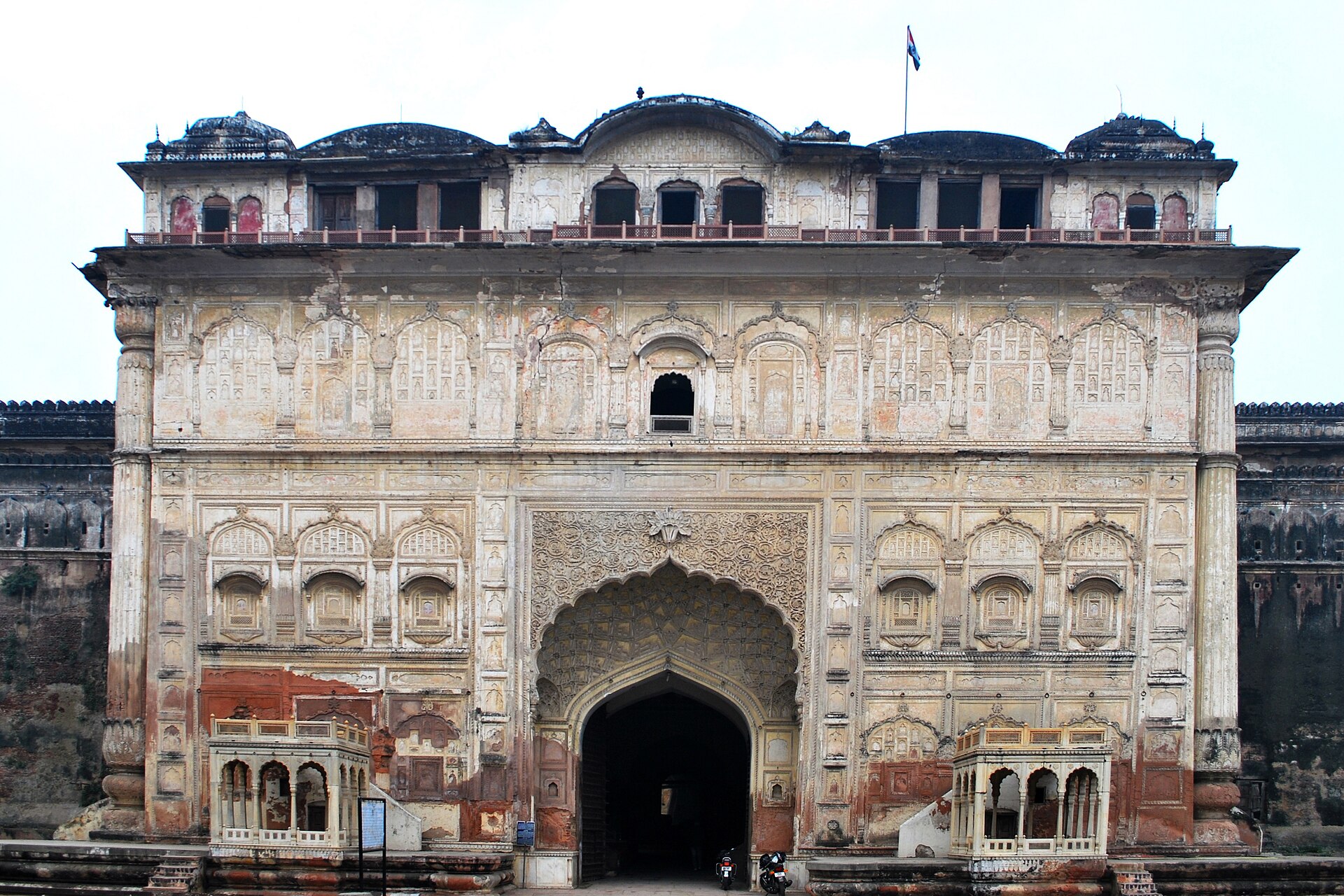
Qila Mubarak
Old city
The fort-palace begun in the 18th century, with the Qila Androon inner palace, the Darbar Hall museum of arms and chandeliers, and painted walls.
Open in Google Maps (opens in a new tab)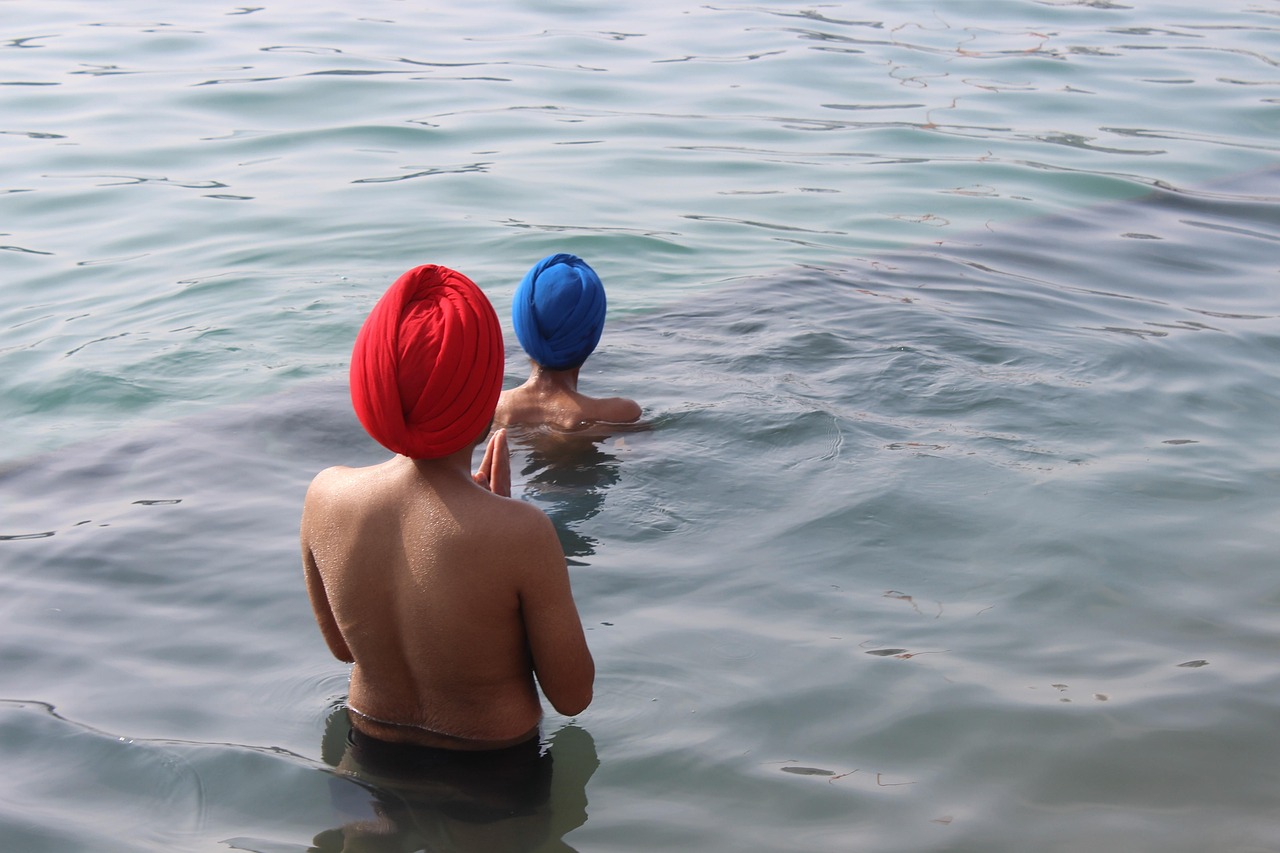
 Patiala, India
The old royal city of Punjab: the Qila Mubarak fort-palace, the mirrored Sheesh Mahal and Moti Bagh, Gurdwara Dukh Niwaran Sahib, and a name known across India for the Patiala salwar, the paranda, the jutti and the generous "Patiala peg".
Old city
The fort-palace begun in the 18th century, with the Qila Androon inner palace, the Darbar Hall museum of arms and chandeliers, and painted walls.
Open in Google Maps (opens in a new tab)Behind Moti Bagh Palace
A mirrored palace with murals and a museum of medals and miniature paintings, facing a lake with a suspension bridge.
Open in Google Maps (opens in a new tab)South Patiala
A grand 19th-century palace in Rajput style, now the National Institute of Sports; seen from the gardens.
Open in Google Maps (opens in a new tab)Lehal, Patiala
Patiala's most revered gurdwara, linked to the ninth Guru, Guru Tegh Bahadur, with a large sarovar and langar.
Open in Google Maps (opens in a new tab)North of the old city
Old royal gardens with a 19th-century pavilion, ferns and trees, popular for morning walks.
Open in Google Maps (opens in a new tab)Opposite the Baradari Gardens
A large temple of the goddess Kali built by Maharaja Bhupinder Singh, busy during Navratri.
Open in Google Maps (opens in a new tab)Old city
The traditional market for parandas, juttis, phulkari and Patiala salwars.
Open in Google Maps (opens in a new tab)Patiala, India
The Punjabi winter meal: mustard greens slow-cooked with spinach and spices, topped with white butter, eaten with flat maize-flour bread and jaggery. Best from November to February, when the greens are in season.
Patiala, India
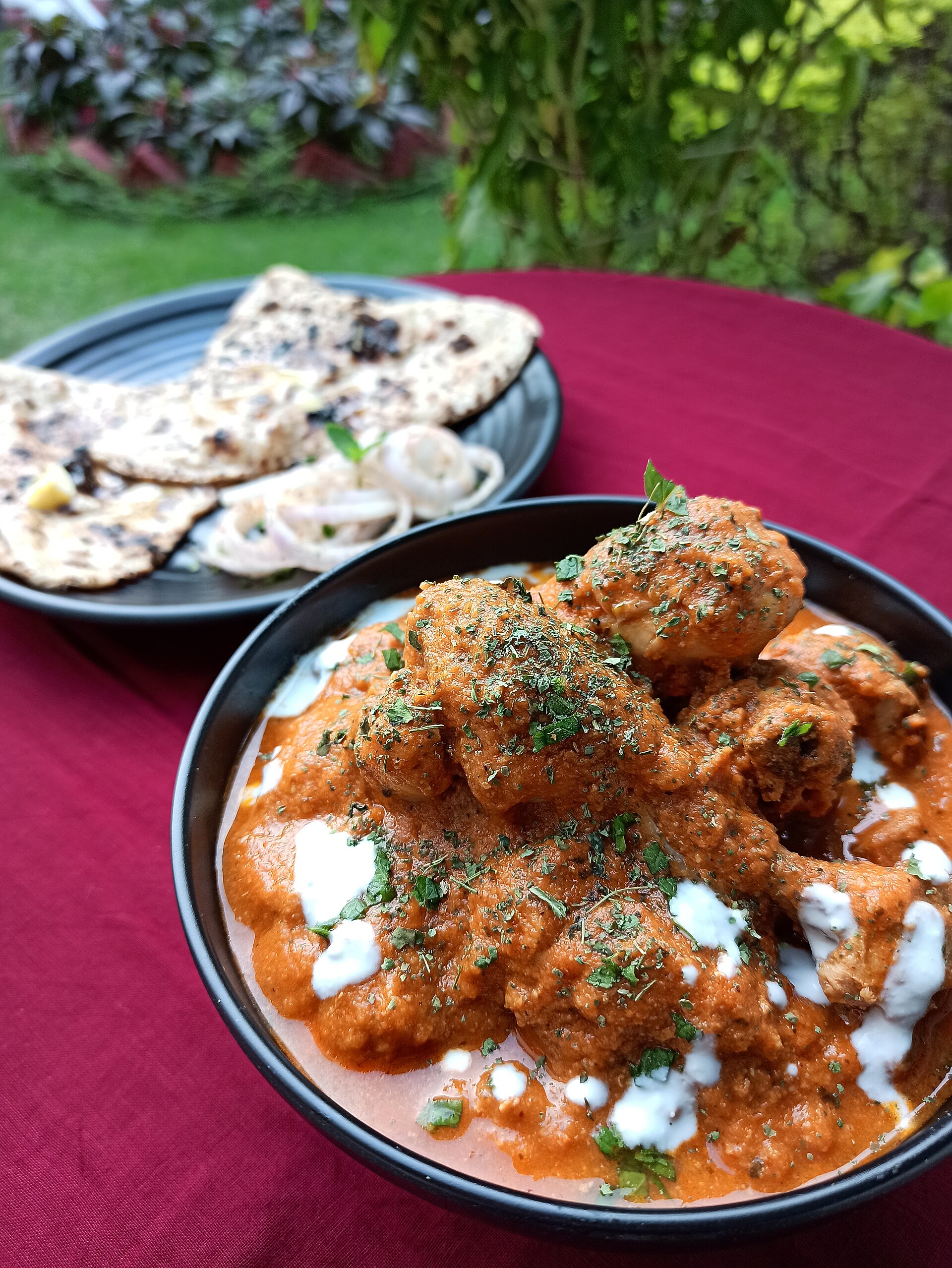
Tandoori chicken in a mild, creamy tomato and butter gravy, and black lentils simmered for hours with butter and cream, eaten with naan or tandoori roti. The everyday celebration food of Punjabi dhabas.
Patiala, India
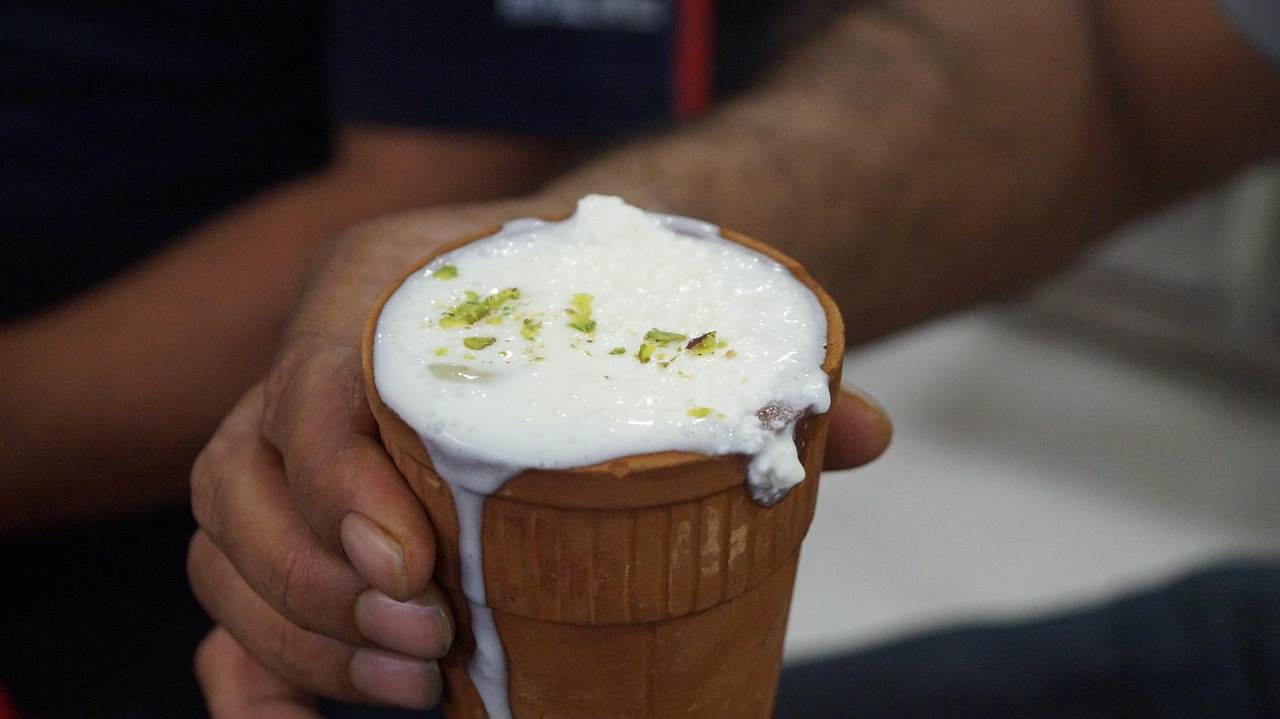
Thick churned yoghurt drink, sweet or salted, often topped with a layer of cream (malai) and served in a clay cup. Punjab and the Braj country around Mathura are particularly proud of theirs.
Patiala, India
Round Punjabi sweets of wheat flour roasted in ghee with jaggery or sugar, nuts and sometimes gond (edible gum). Made at home in winter and sold in sweet shops across Punjab.
Around Qila Mubarak
Sweet shops, kulcha and chole stalls and lassi.
Open in Google Maps (opens in a new tab)Central Patiala
Family restaurants and dhabas serving Punjabi food.
Open in Google Maps (opens in a new tab)Patiala, India
Mid-range hotels near the bus stand and Leela Bhawan.
Open in Google Maps (opens in a new tab)Patiala, India
A few heritage properties in old palace buildings; book ahead.
Open in Google Maps (opens in a new tab)Patiala's royal past lives on in its crafts — phulkari embroidery, embroidered juttis, colourful parandas and the voluminous Patiala salwar — and in the Patiala gharana of Hindustani classical music. It is a Sikh and Punjabi city of gurdwaras, sport (the National Institute of Sports at Moti Bagh) and hearty food.
Patiala was founded in 1763 by Baba Ala Singh, a Sikh chief who built a mud fort that grew into Qila Mubarak. His descendants ruled the princely state of Patiala, the largest of the Phulkian states, until 1948.
The maharajas — among them the flamboyant Bhupinder Singh, a patron of cricket and polo — built palaces, gardens and the Moti Bagh Palace, now home to the National Institute of Sports. After independence Patiala became the capital of the short-lived PEPSU state before it was merged into Punjab in 1956. The city's courtly arts gave its name to the Patiala gharana of classical singing.
The fort-palace and Darbar Hall in the morning.
Shopping for parandas and juttis, lunch in the old city.
Afternoon at the palaces.
Evening at the gurdwara.
October to March. February–March often brings the Patiala Heritage Festival (check dates). Summers are very hot.
By air: the nearest well-served airport is Chandigarh (IXC), about 70 km away.
By train: Patiala railway station has trains to Delhi and other Punjab cities; Rajpura Junction, about 25 km away on the Delhi–Amritsar main line, has many more.
By road: about 250 km from Delhi via NH44 and Rajpura; frequent buses from Chandigarh, Delhi and Ludhiana. Check current schedules before you travel.