Pelling

Pelling, India

Pelling

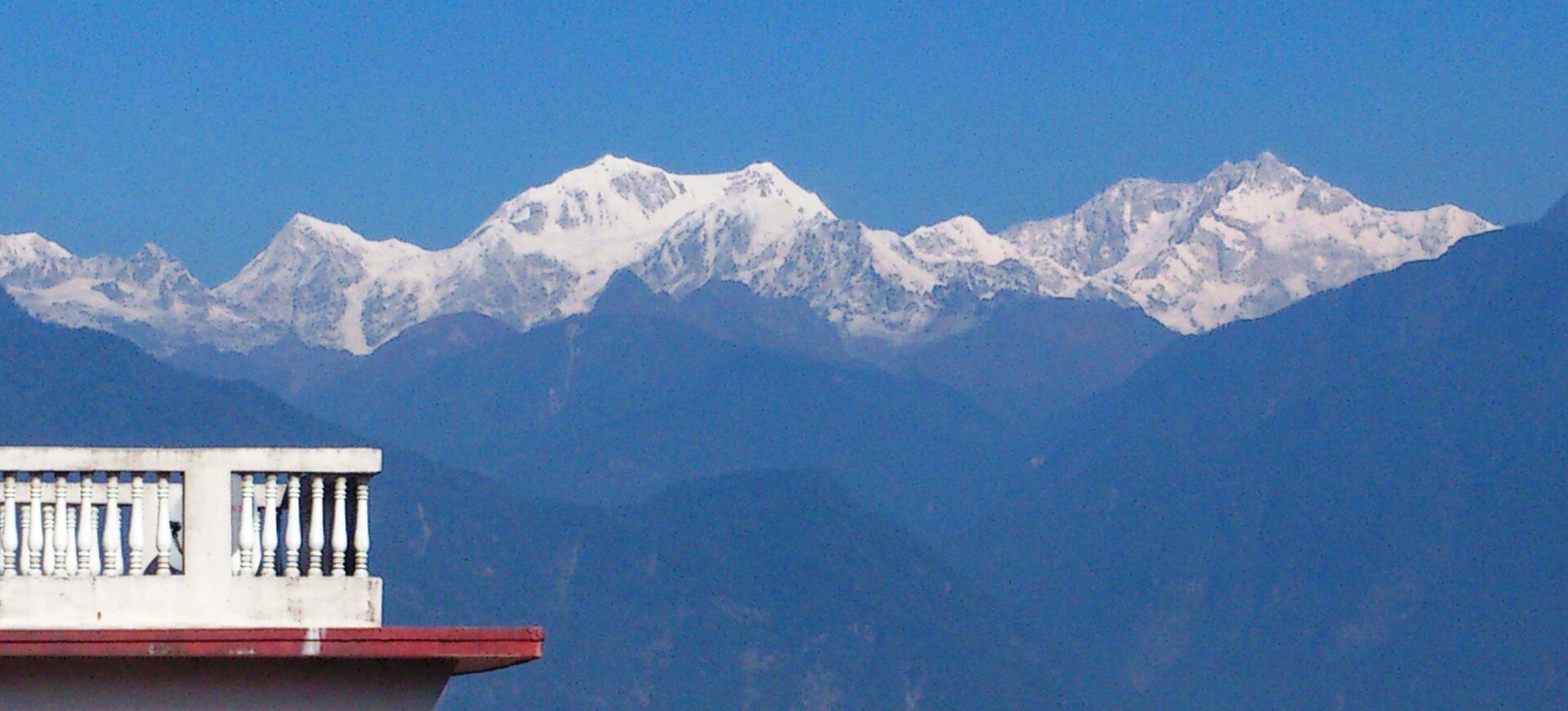
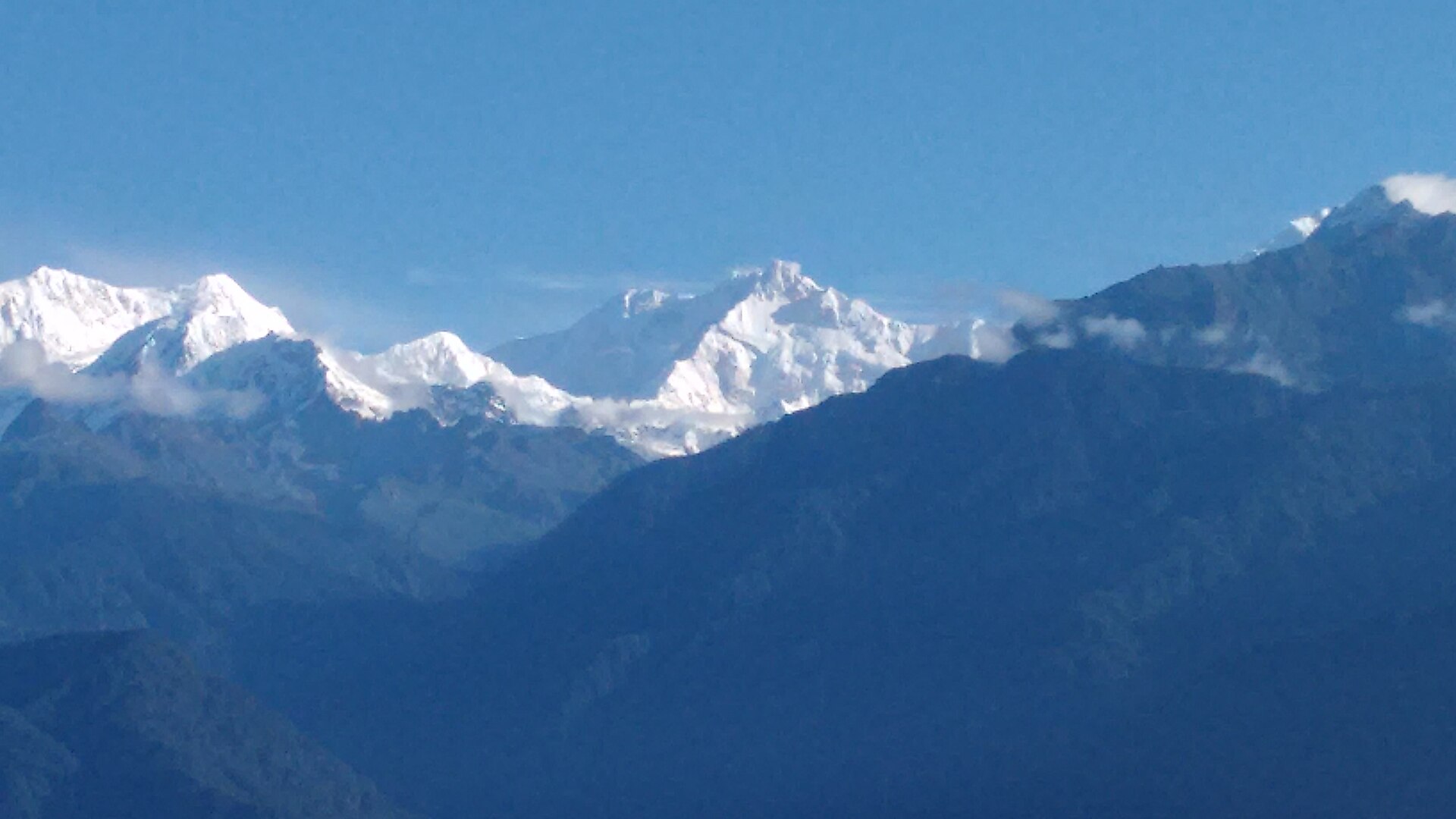
A small hill town in west Sikkim with some of the closest views of Kanchenjunga, near the historic Pemayangtse Monastery and the ruins of the royal capital at Rabdentse, and a base for the sacred Khecheopalri Lake and Yuksom.

Favourite places

  • Pemayangtse Monastery

    Near Pelling, about 2 km away

    One of the oldest monasteries in Sikkim, founded around 1705, with old murals and statues and, on its top floor, an intricate wooden model of the heavenly palace of Guru Rinpoche.

    Open in Google Maps (opens in a new tab)
  • Pelling Skywalk and Chenrezig statue

    Sanga Choeling, above Pelling

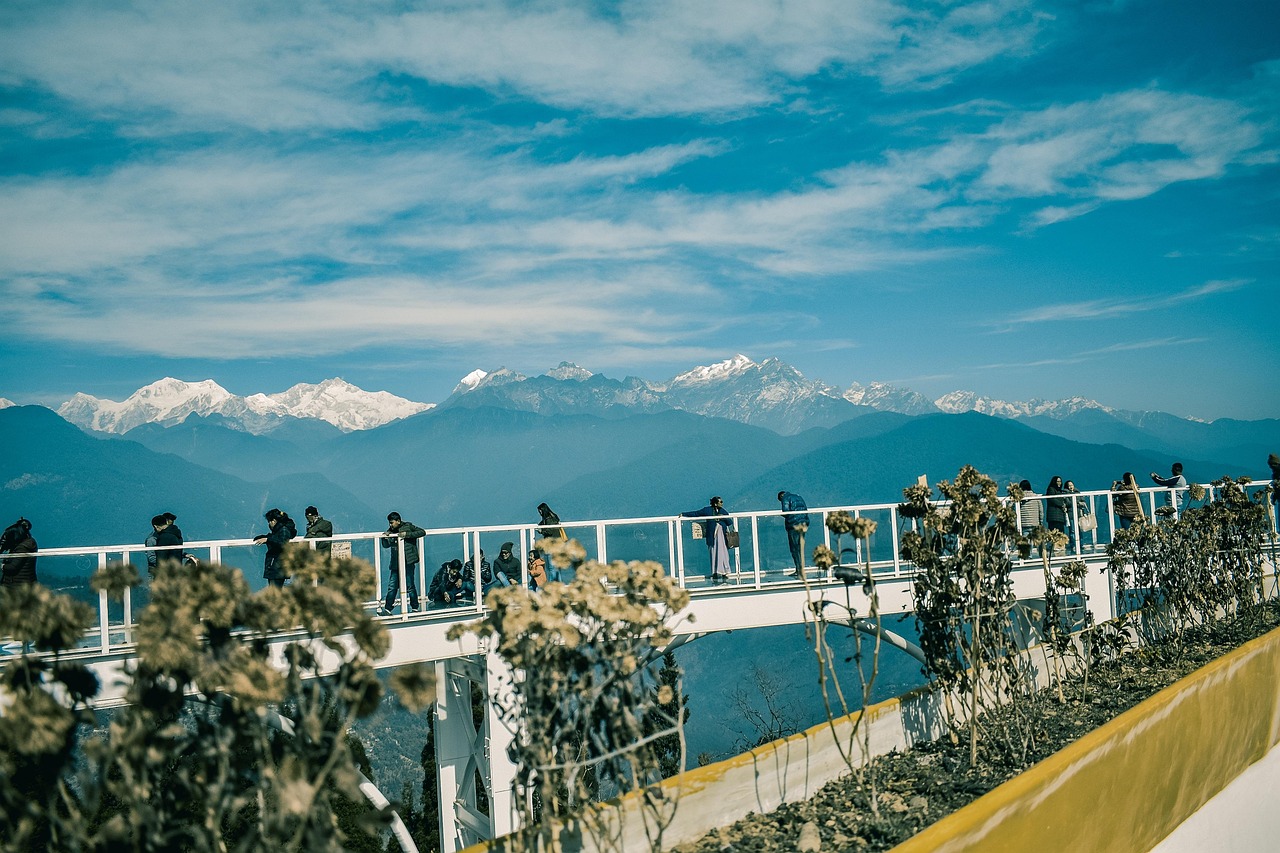
    A glass-floored skywalk leading to a large statue of Chenrezig (Avalokiteshvara), near the old Sanga Choeling Monastery.

    Open in Google Maps (opens in a new tab)
  • Khecheopalri Lake

    About 30 km from Pelling

    A sacred lake in the forest, holy to Buddhists and Hindus, believed to be a wish-fulfilling lake. The water is kept clean of leaves by the birds, locals say.

    Open in Google Maps (opens in a new tab)
  • Yuksom

    About 35 km north of Pelling

    Sikkim's first capital, with the Norbugang Coronation Throne, Dubdi Monastery (often called the oldest in Sikkim) and the Kathok Lake; the trailhead for the Goecha La trek.

    Open in Google Maps (opens in a new tab)

Historical places

Local food

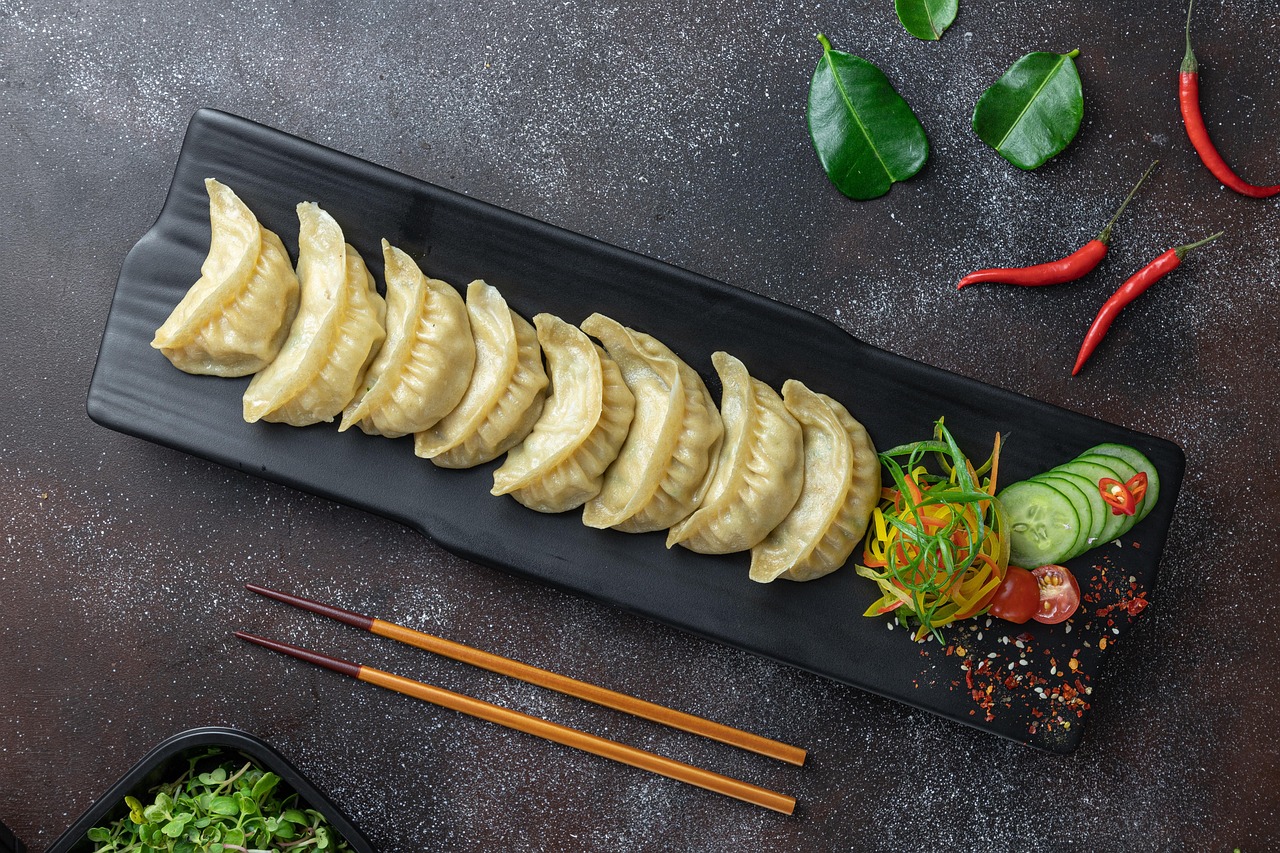
  • Momos

    Pelling, India

    Steamed or fried dumplings filled with pork, chicken, beef, cheese or vegetables, served with a fiery tomato-chilli sauce and a clear soup. Sold everywhere from small family kitchens to street stalls in the hill towns.

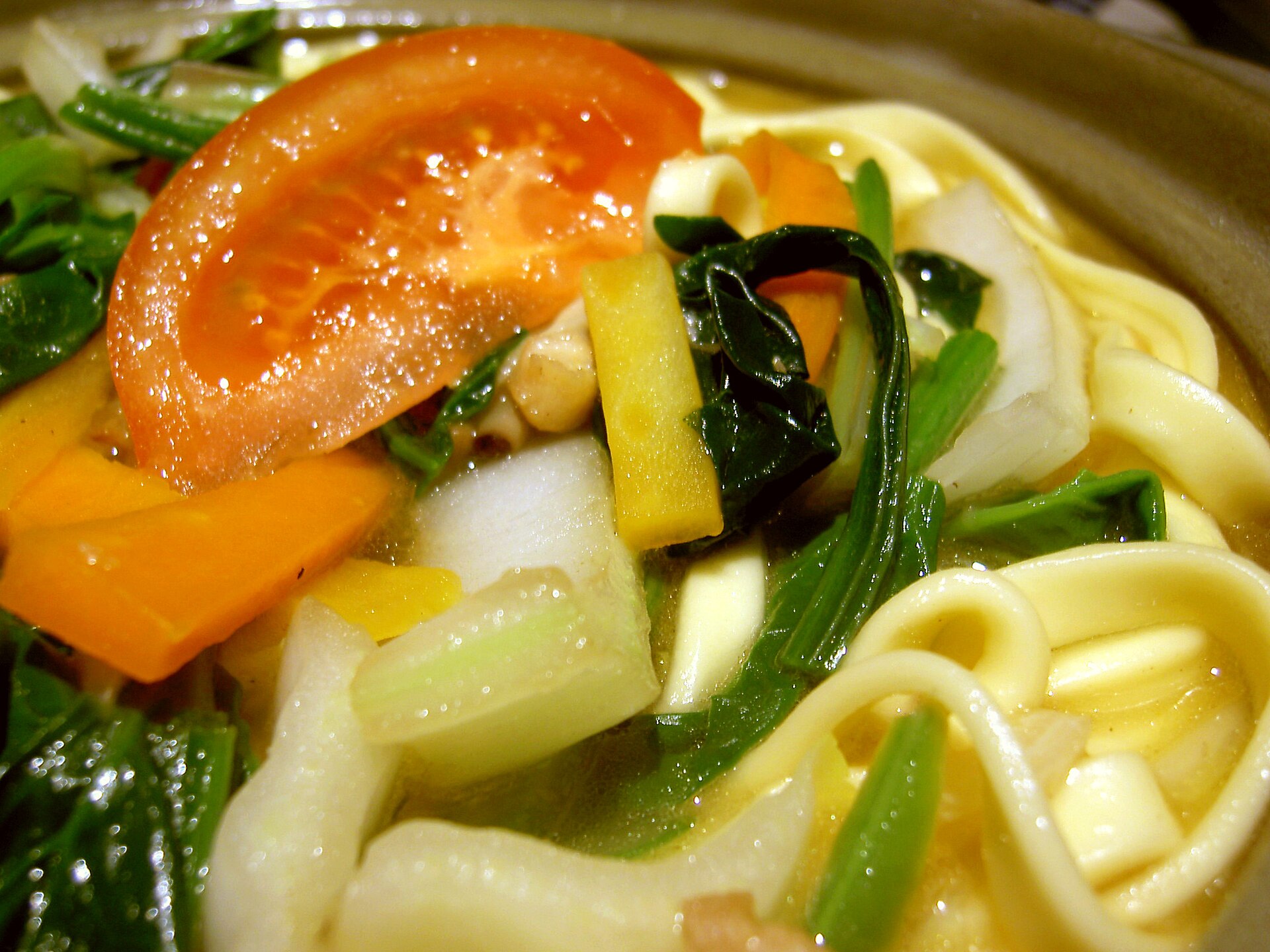
  • Thukpa

    Pelling, India

    A warming noodle soup with vegetables, egg, chicken, pork or yak meat, eaten across the Himalaya. In Tawang, Bomdila and Sikkim it is the standard lunch on a cold day.

  • Gundruk soup

    Pelling, India

    Fermented and dried leafy greens (mustard, radish or cauliflower leaves) made into a sour soup or pickle. A Nepali-Sikkimese staple, eaten with rice and dal.

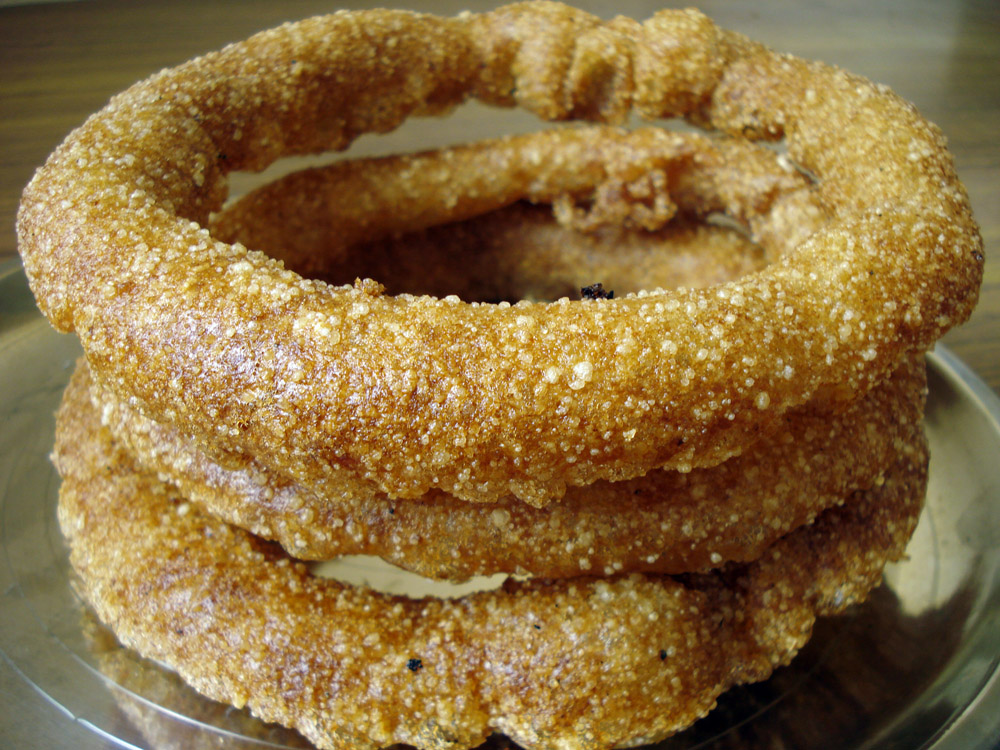
  • Sel roti

    Pelling, India

    A ring-shaped, slightly sweet fried bread of rice batter, made at home for Dashain and Tihar and sold in markets in the morning, eaten with tea or aloo dum (spiced potatoes).

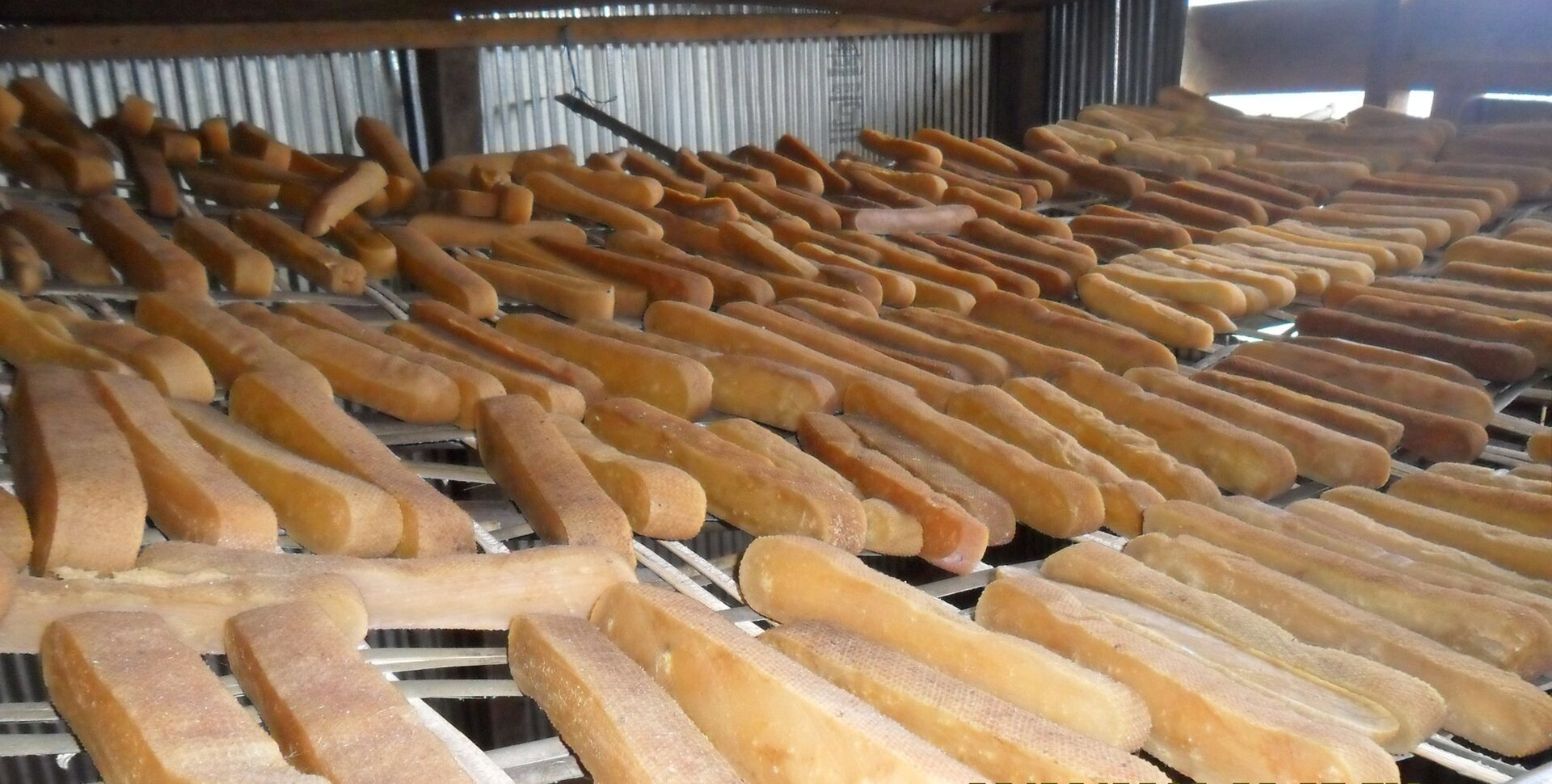
  • Chhurpi

    Pelling, India

    Yak or cow milk cheese in two forms: soft chhurpi cooked into curries and pickles with chilli (chhurpi achar), and hard dried chhurpi chewed slowly for hours. Sold in markets in Gangtok and the northern villages.

Where to eat

Where to stay

Culture

West Sikkim is a land of Lepcha, Bhutia, Limbu and Nepali villages, terraced fields of cardamom and millet, and monasteries on every ridge. Pemayangtse holds a famous seven-tiered wooden model of Guru Rinpoche's heavenly palace, and its cham dances are held in late winter. The Bumchu festival at Tashiding Monastery nearby, in early spring, draws pilgrims from across the Himalaya.

History

West Sikkim is where the kingdom began. In 1642 the first Chogyal, Phuntsog Namgyal, was crowned at Yuksom by three Tibetan lamas; the stone Norbugang Coronation Throne still stands there. In 1670 the capital moved to Rabdentse, near Pelling, whose ruins remain in the forest. It was later abandoned after invasions from Nepal.

Pemayangtse Monastery, founded around 1705, is one of the oldest and most important monasteries of Sikkim, belonging to the Nyingma school. Pelling itself grew from a small village into a hill resort because of its views of Kanchenjunga, the third-highest mountain in the world and the guardian deity of Sikkim.

Tour plans

Pelling and west Sikkim

2 days, 1 night
  1. Step 1: Day 1 — Monasteries and ruins

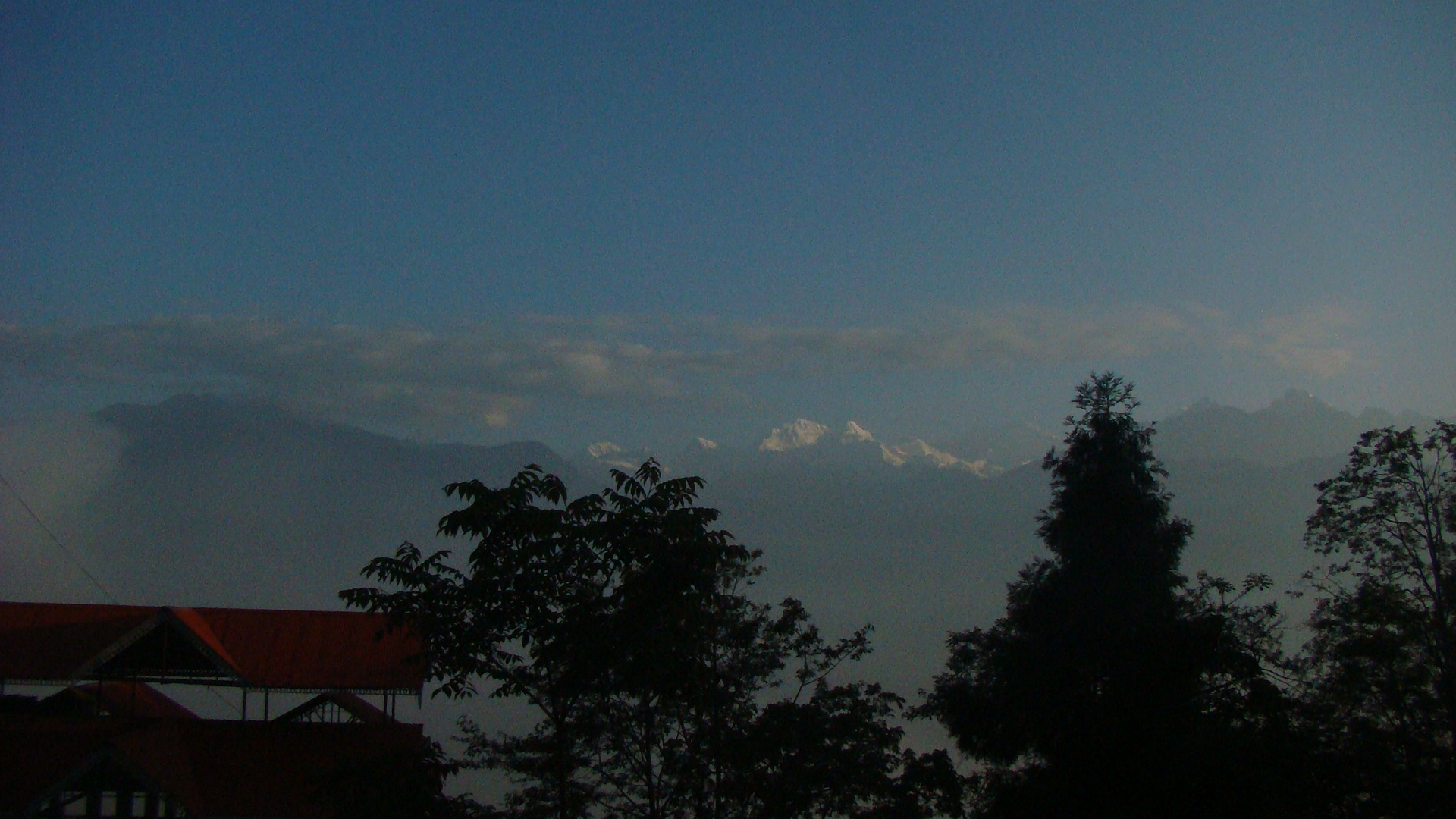
    Dawn view of Kanchenjunga, Pemayangtse Monastery, Rabdentse Ruins and the Skywalk.

  2. Step 2: Day 2 — Lakes and Yuksom

    Khecheopalri Lake, the waterfalls and Yuksom with the coronation throne and Dubdi Monastery.

Map

Open in Google Maps (opens in a new tab)

Travel information

Best time to visit

March to May and October to December, for clear mountain views. The monsoon (June to September) brings cloud and landslides; winters are cold but often clear.

How to get there

Permits: Indian citizens do not need a permit to enter Sikkim. Foreign nationals need a Restricted Area Permit (RAP), issued online or at the entry check posts (such as Rangpo and Melli) and by Indian missions; some nationalities face extra restrictions. Protected areas — North Sikkim (Lachung, Lachen, Yumthang, Gurudongmar), Tsomgo Lake and Nathu La — need an extra permit for everyone, usually arranged by a registered Sikkim tour operator, and some points are open to Indian citizens only. Check the current rules before you travel.

By air: the main airport for Sikkim is Bagdogra (IXB) near Siliguri in West Bengal, with flights from Delhi, Kolkata, Mumbai, Bengaluru and other cities. Sikkim's own Pakyong Airport, near Gangtok, has had irregular flights — check whether it is operating.

By train: the nearest major station is New Jalpaiguri (NJP) in Siliguri, with trains from Kolkata, Delhi and Guwahati. A railway line into Sikkim (Sivok–Rangpo) has been under construction — check its status.

By road: shared jeeps, buses and private taxis run from Siliguri, NJP and Bagdogra up the Teesta valley on NH10; landslides can close it, especially in the monsoon.

From Bangladesh: travellers often cross by land at Burimari–Changrabandha or Banglabandha–Fulbari to reach Siliguri, then continue by road; others fly via Kolkata to Bagdogra. Check current schedules, permits and visa rules before you travel.

Pelling is about 130–140 km (around 5–6 hours) from Bagdogra and NJP, via Melli or Jorethang, and about 4–5 hours from Gangtok. Shared jeeps run to Geyzing (Gyalshing), the district town just below Pelling.

Getting around

  • Hired car: the easiest way to see Pemayangtse, Rabdentse, Khecheopalri, the waterfalls and Yuksom.
  • Shared jeeps: connect Pelling with Geyzing, Yuksom and other towns, mostly in the morning.
  • On foot: Upper and Lower Pelling and the walk to Pemayangtse and Rabdentse.

Travel tips

  • Mountain views: Kanchenjunga is clearest at dawn; ask for a room facing north.
  • Khecheopalri Lake: it is sacred — keep quiet, do not throw anything into the water.
  • Yuksom: the starting point of the Goecha La and Dzongri treks, which need permits and registered guides.
  • Plastic and litter: Sikkim is strict about plastic and littering, and smoking in public places is banned. Carry a refillable bottle and take your rubbish back.
  • Altitude: places like Tsomgo Lake, Nathu La, Yumthang, Zero Point and Gurudongmar are high. Climb gradually, drink water, avoid alcohol on the way up and come down if you feel unwell.
  • Roads: landslides can close roads at any time, especially in the monsoon (June to September). Keep a spare day and follow the local tour operator and police advice.
  • Money: carry enough cash. ATMs exist in towns but can be few, out of cash or offline in the hills, and many small hotels, homestays, taxis and stalls take only cash or UPI.
  • Daylight: the North-East is far east within India's single time zone (IST, UTC+5:30), so the sun rises and sets early — often around 4:30–5:00 pm in winter. Start early and avoid driving mountain roads after dark.
  • Mobile signal: patchy in the hills and valleys; download maps offline. Some prepaid connections from outside the region may not work in all areas — check before you go.
  • Respect: ask before photographing people, villages, rituals and monasteries; dress modestly at temples, satras and gompas; remove shoes where asked.

All destinations