Pune grew on the banks of the Mula and Mutha rivers. In the 17th century it was a jagir (estate) of Shahaji Bhosale, and his son Shivaji, founder of the Maratha state, spent his childhood here with his mother Jijabai; the Lal Mahal in the old city stands where their house was.
In the 18th century the city became the capital of the Peshwas, the chief ministers who ran the Maratha Empire. Bajirao I built Shaniwar Wada in 1732, and Pune grew into a city of temples, wadas (mansions) and peths (neighbourhoods). The Peshwas lost to the British in 1818, and Pune became a cantonment and the monsoon capital of the Bombay Presidency.
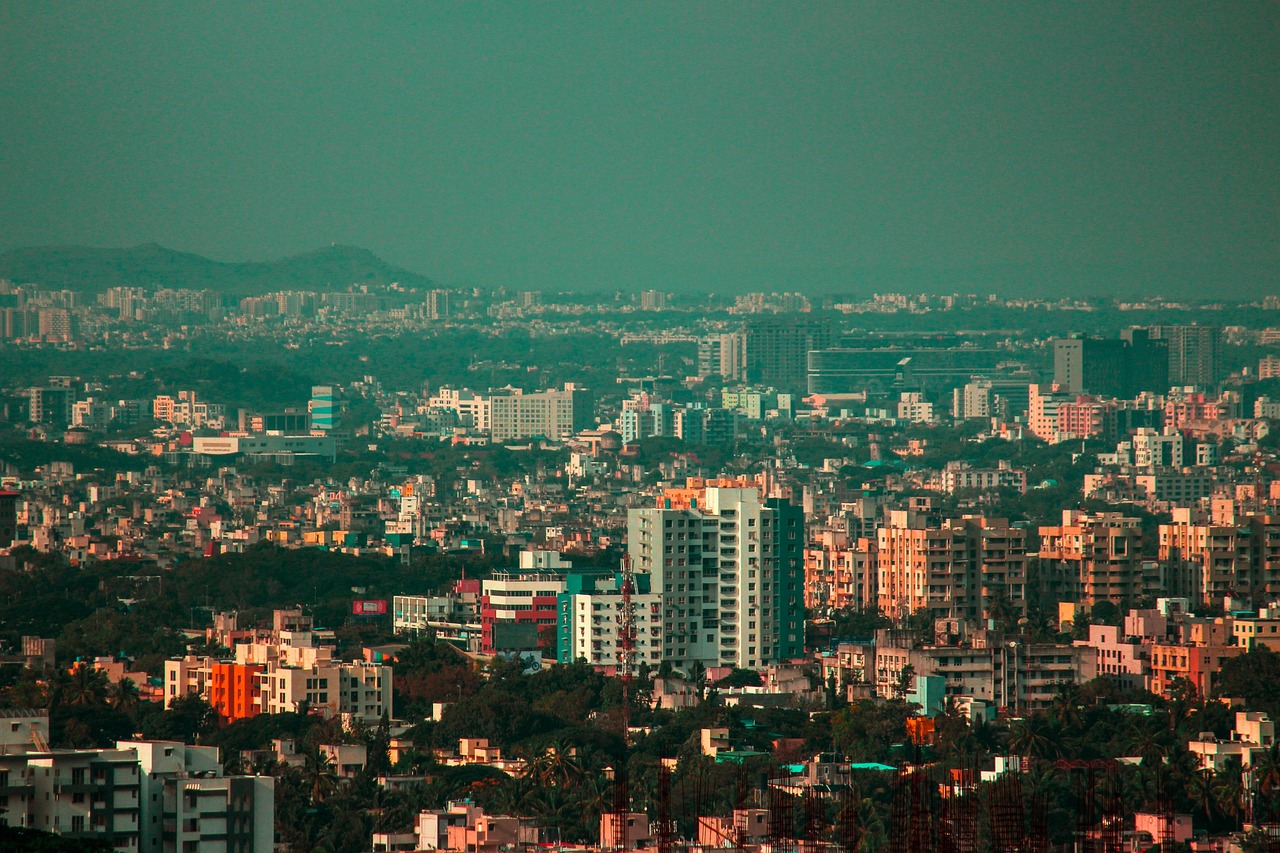
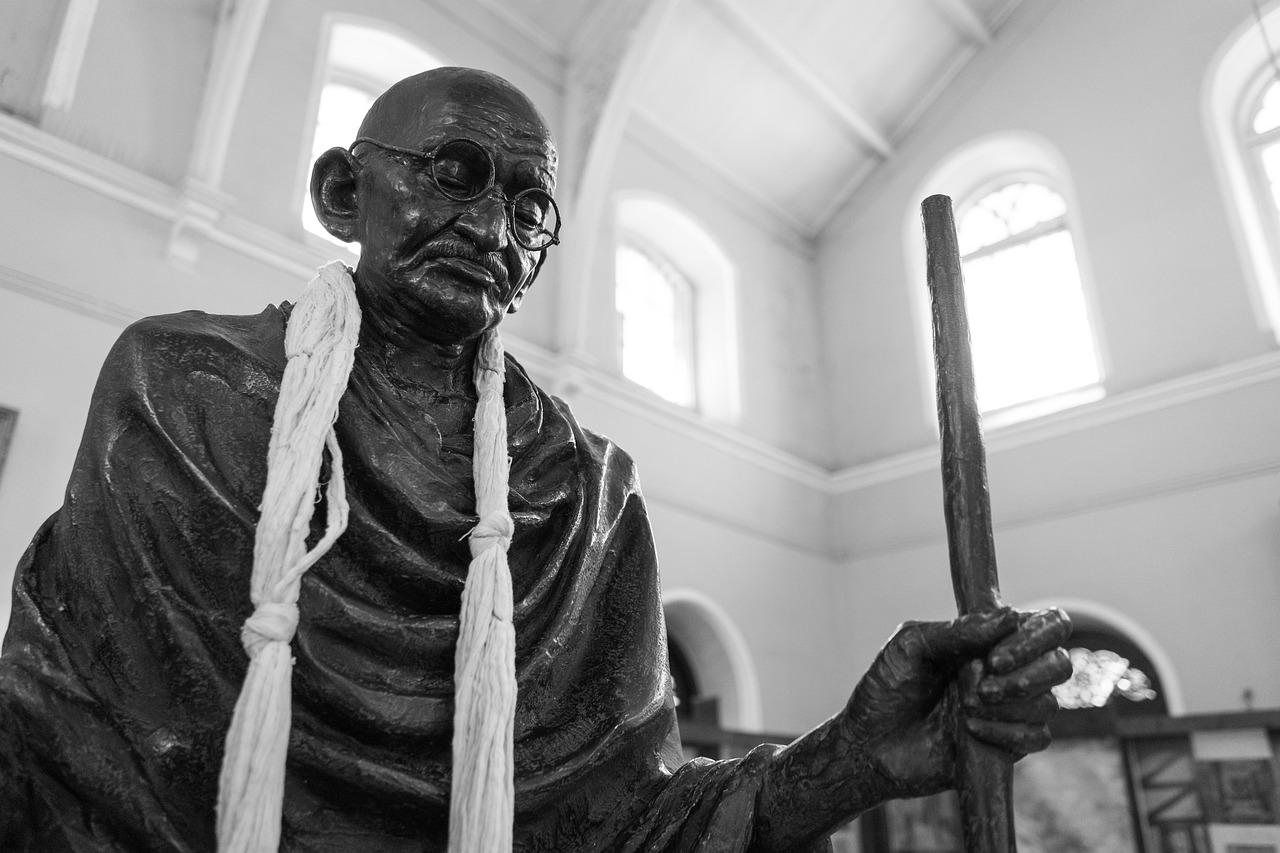
Pune was a centre of social reform and the freedom movement: Jyotirao and Savitribai Phule opened schools for girls and lower-caste children here, and Lokmanya Tilak turned the Ganesh festival into a public celebration. Mahatma Gandhi was held at the Aga Khan Palace from 1942 to 1944. Today Pune is known for its universities, research institutes, industry and IT parks.

 Pune, India