Jagannath Temple
Grand Road (Bada Danda)
The 12th-century temple of Lord Jagannath, with its tall tower crowned by the wheel and flag, which is changed every day. Entry is for Hindus only.
Open in Google Maps (opens in a new tab)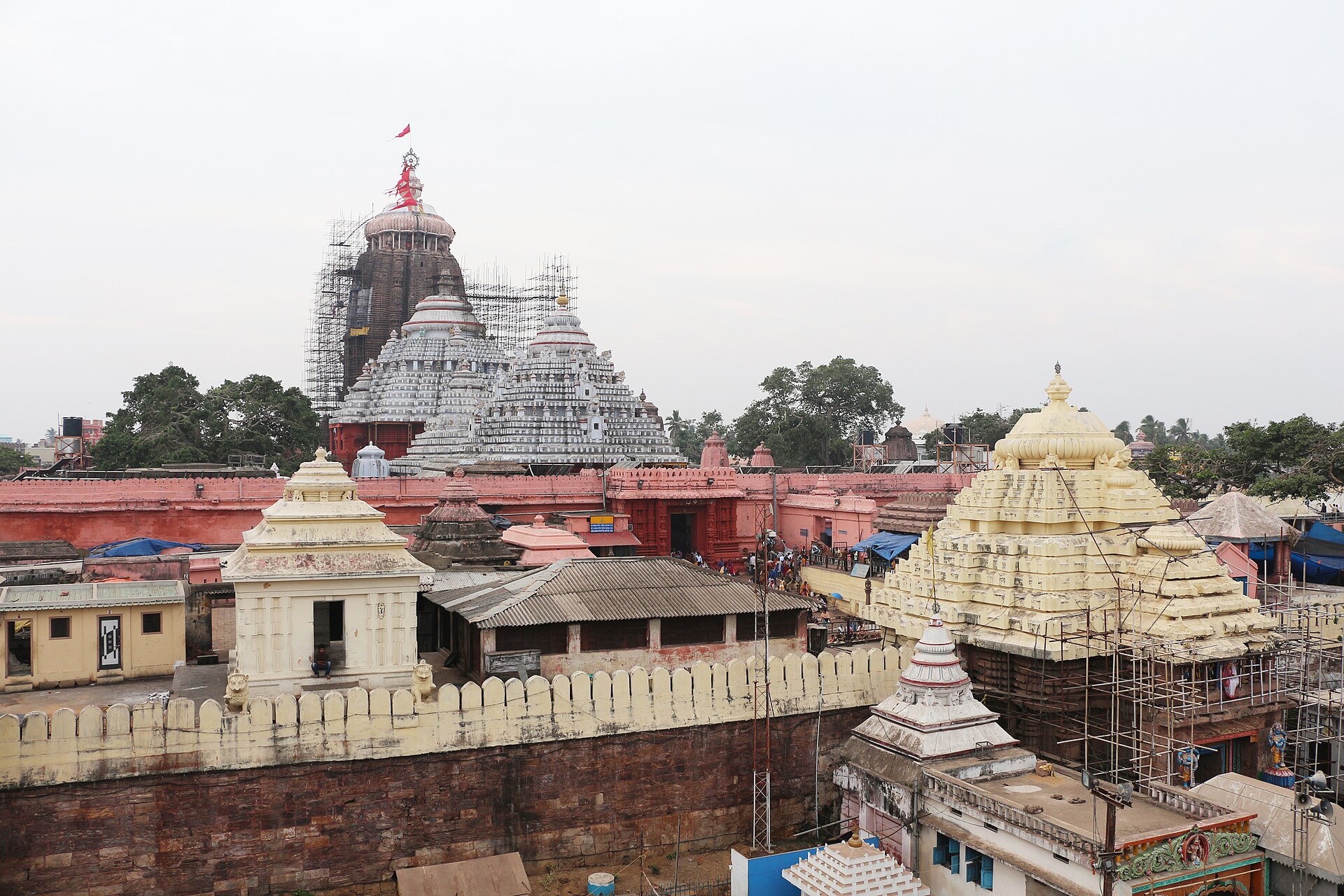
 Puri, India
One of the four great Char Dham pilgrimage sites of Hinduism, home of Lord Jagannath and the Rath Yatra chariot festival — and a long beach town on the Bay of Bengal, with the crafts village of Raghurajpur and Chilika Lake nearby.
Grand Road (Bada Danda)
The 12th-century temple of Lord Jagannath, with its tall tower crowned by the wheel and flag, which is changed every day. Entry is for Hindus only.
Open in Google Maps (opens in a new tab)The seafront
A long sandy beach busy with pilgrims and families, camel rides and food stalls. Swargadwar, near the cremation ground, is sacred for bathing.
Open in Google Maps (opens in a new tab)Near the main beach
A cleaner, managed stretch of the beach with Blue Flag certification, lifeguards and facilities.
Open in Google Maps (opens in a new tab)End of the Grand Road
The temple where the deities stay for a week during Rath Yatra, about 3 km from the main temple.
Open in Google Maps (opens in a new tab)About 14 km north
How to get there: By taxi or auto, often combined with the drive to Bhubaneswar.
About 50 km south-west
How to get there: By road from Puri; boats from the Satapada jetty.
Near Swargadwar
One of the four monasteries founded by Adi Shankaracharya.
Open in Google Maps (opens in a new tab)About 20 km on the Bhubaneswar road
A Krishna temple visited by pilgrims on the way to Puri.
Open in Google Maps (opens in a new tab)Puri, India
Puri, India
Puri, India
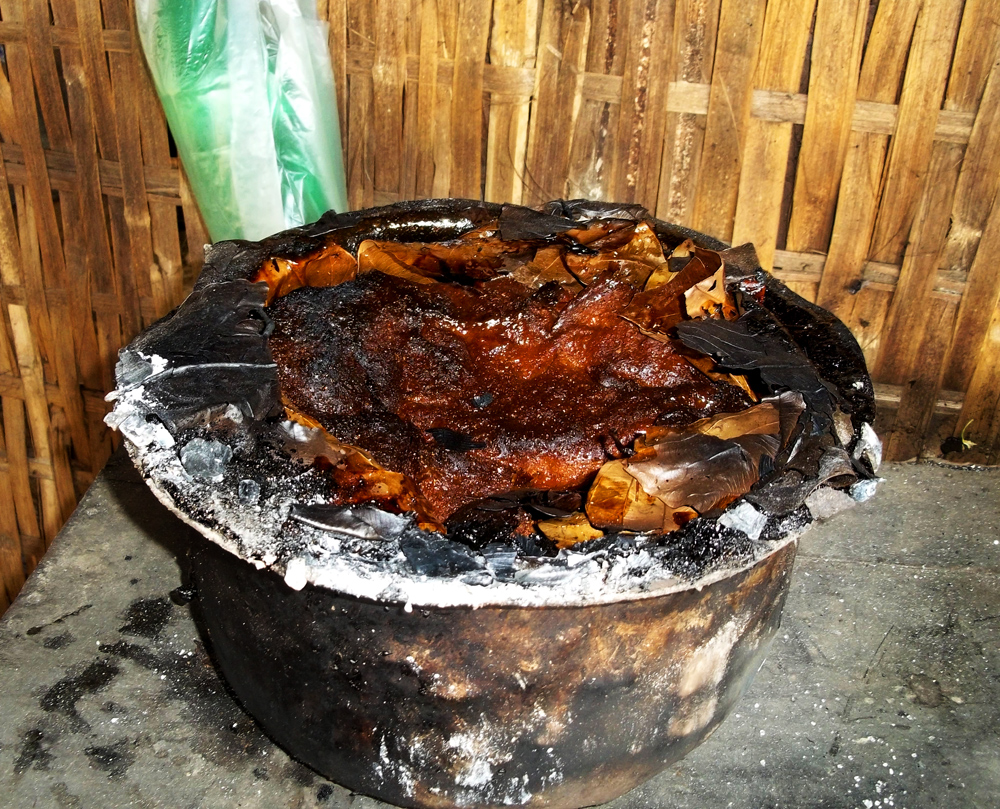
The everyday dish of Odisha: lentils cooked with vegetables such as raw banana, pumpkin, papaya and aubergine, finished with cumin, dried chilli and ghee. Eaten with rice, and part of temple food.
Puri, India
Fish cooked in a mustard paste — the Odia version of a dish loved all over the east — along with prawn curry (chingudi), crab (kankada) and fried fish from the coast and Chilika Lake.
Puri, India
Along the seafront
Restaurants, cafés and hotel dining rooms with seafood and Odia and Bengali dishes.
Open in Google Maps (opens in a new tab)Near the temple
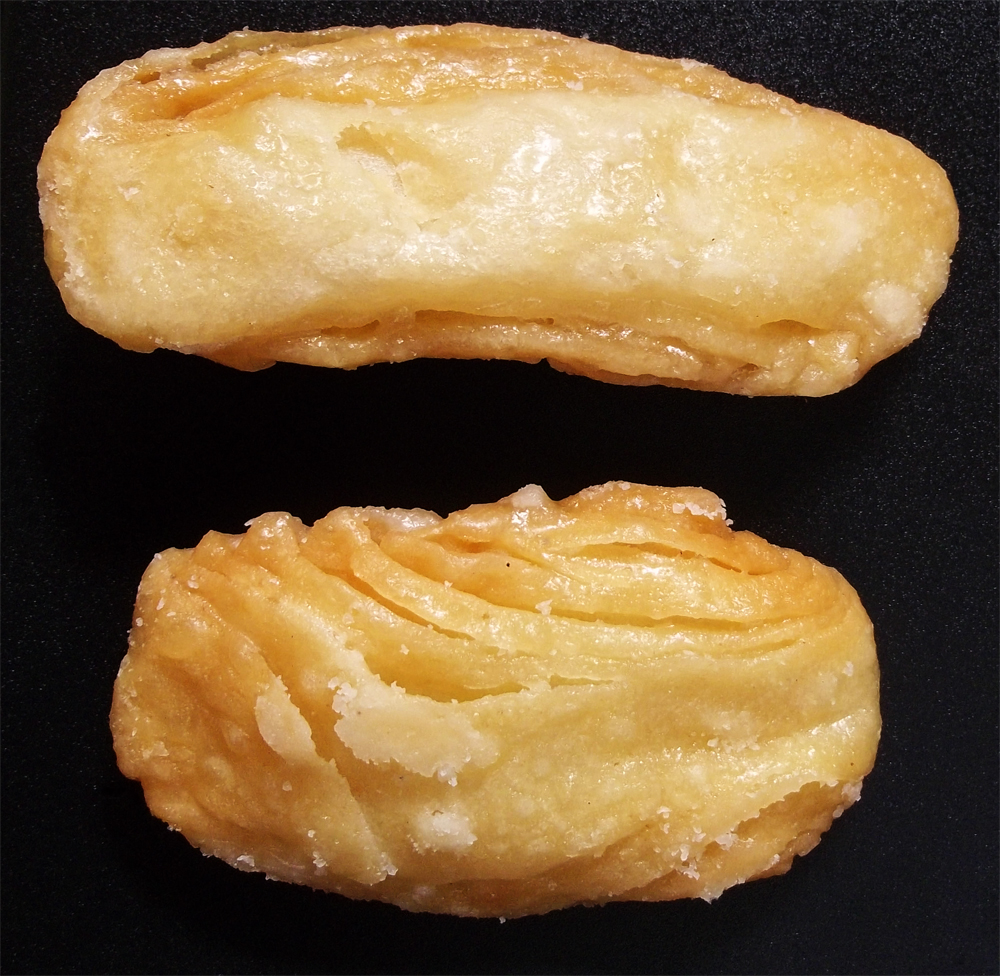
Vegetarian eateries and sweet shops selling khaja and other temple sweets.
Open in Google Maps (opens in a new tab)The main beach
Evening snacks, fried fish and jhal muri.
Open in Google Maps (opens in a new tab)Puri, India
Hotels facing the sea, from simple lodges to larger resorts.
Open in Google Maps (opens in a new tab)Puri, India
A quieter end of the beach with guesthouses and budget hotels.
Open in Google Maps (opens in a new tab)Puri, India
Simple pilgrim hotels and dharamshalas close to Jagannath.
Open in Google Maps (opens in a new tab)Life in Puri revolves around Jagannath. The temple's kitchen, said to be one of the largest in the world, cooks food for the deities in clay pots over wood fires, and the Mahaprasad is shared by all castes. During Rath Yatra, in June–July, the three deities are pulled on giant wooden chariots along the Grand Road to the Gundicha Temple by huge crowds.
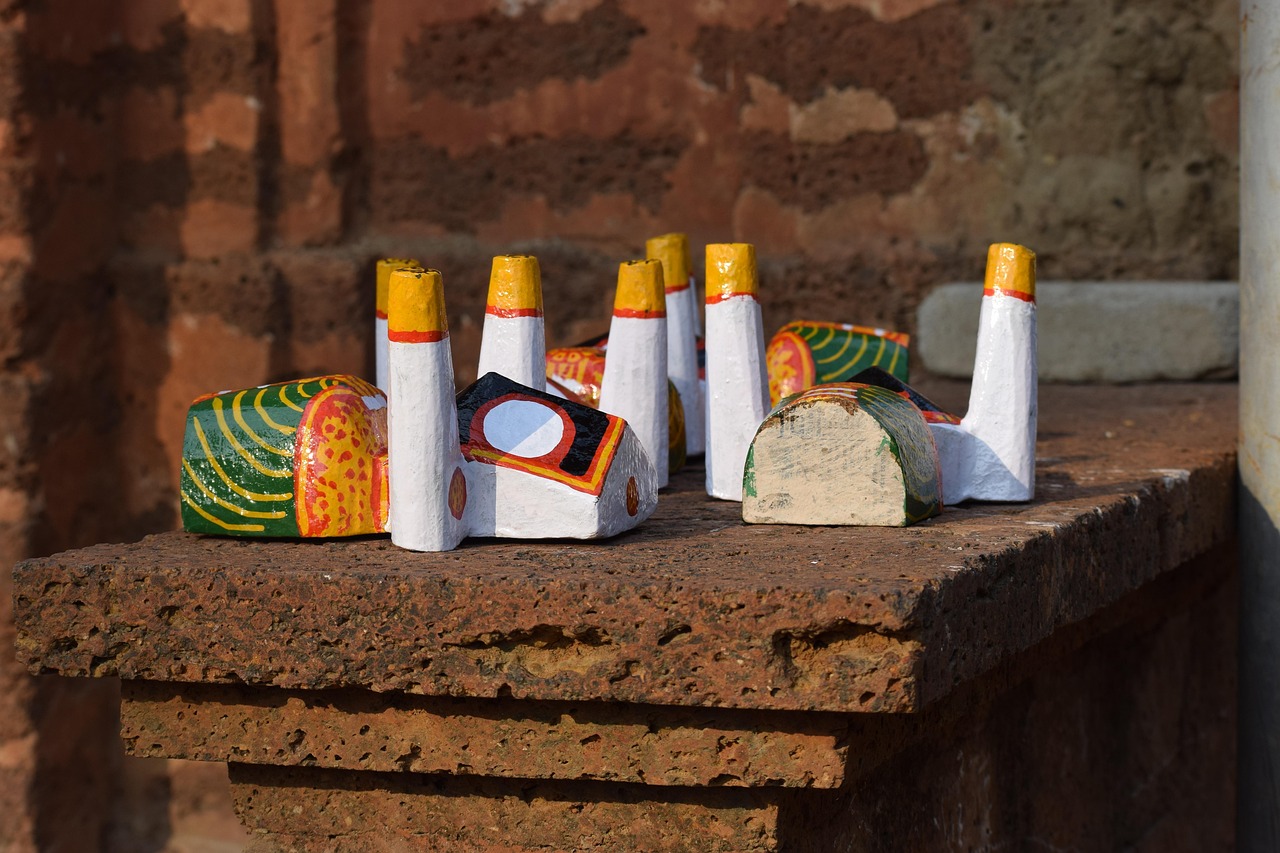
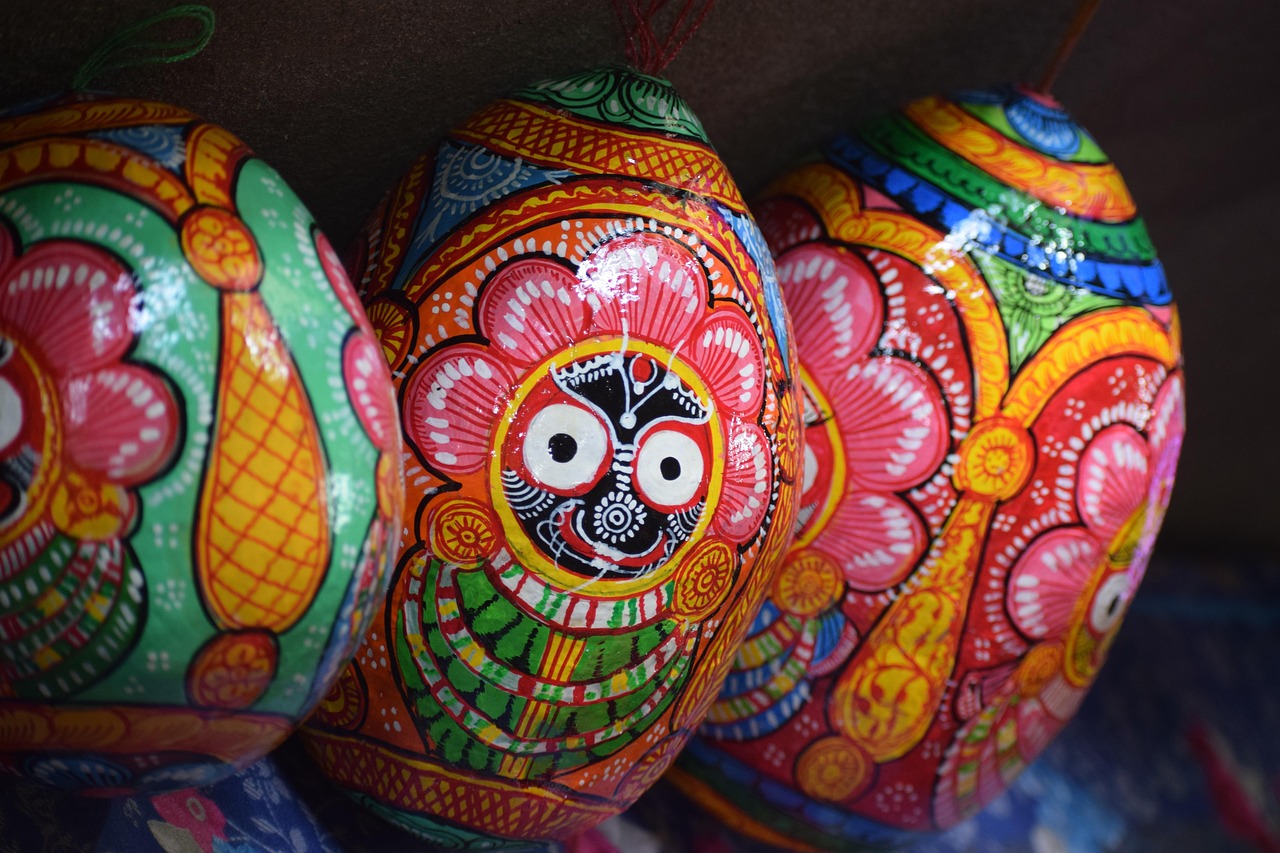
Puri is also a town of crafts and performance: pattachitra paintings, palm-leaf engravings, appliqué from Pipili on the Bhubaneswar road, and Gotipua dancing by young boys, an ancestor of Odissi. The beach is lively in the evening with families, food stalls and the sand sculptures that Puri is famous for.
Puri, also called Jagannath Puri or Purushottama Kshetra, has been a sacred place for well over a thousand years. The present Jagannath Temple was built in the 12th century by King Anantavarman Chodaganga of the Eastern Ganga dynasty, and completed by his successors. Its tall tower dominates the town.
Lord Jagannath, with his brother Balabhadra and sister Subhadra, is worshipped in unique wooden images that are ritually renewed in the Nabakalebara ceremony every 12–19 years. The temple is one of the four Char Dham of Hinduism, linked with the 8th-century philosopher Adi Shankaracharya, who founded the Govardhan Math here. The saint Chaitanya Mahaprabhu spent his last years in Puri, and the town became central to Bengali and Odia Vaishnavism.
Under the British, Puri's beach became a popular resort for Bengali families, a tradition that continues today.
Early-morning darshan (Hindus) or a walk along the Grand Road.
Late-morning visit to the painters.
Odia thali or seafood.
Afternoon and sunset by the sea.
October to March for pleasant beach weather. Rath Yatra (June–July) is the great festival, very crowded. Summers are hot and humid; the monsoon brings rough seas.
By air: Biju Patnaik International Airport, Bhubaneswar (BBI), about 60 km (around 1.5 hours by road).
By train: Puri station has direct trains from Kolkata (Howrah), Delhi and many other cities; trains from Bhubaneswar take about 1.5–2 hours.
By road: buses and taxis run often from Bhubaneswar; the scenic Marine Drive links Puri with Konark (about 35 km).
From Bangladesh, the usual route is via Kolkata, then an overnight train to Puri — check current schedules and visa rules.