Pushkar

Pushkar, India

Pushkar

A small, sacred desert town wrapped around a holy lake with 52 ghats, home to one of the very few temples of Lord Brahma, hilltop shrines at sunrise and sunset, a bohemian bazaar and the famous Pushkar Camel Fair.

Favourite places

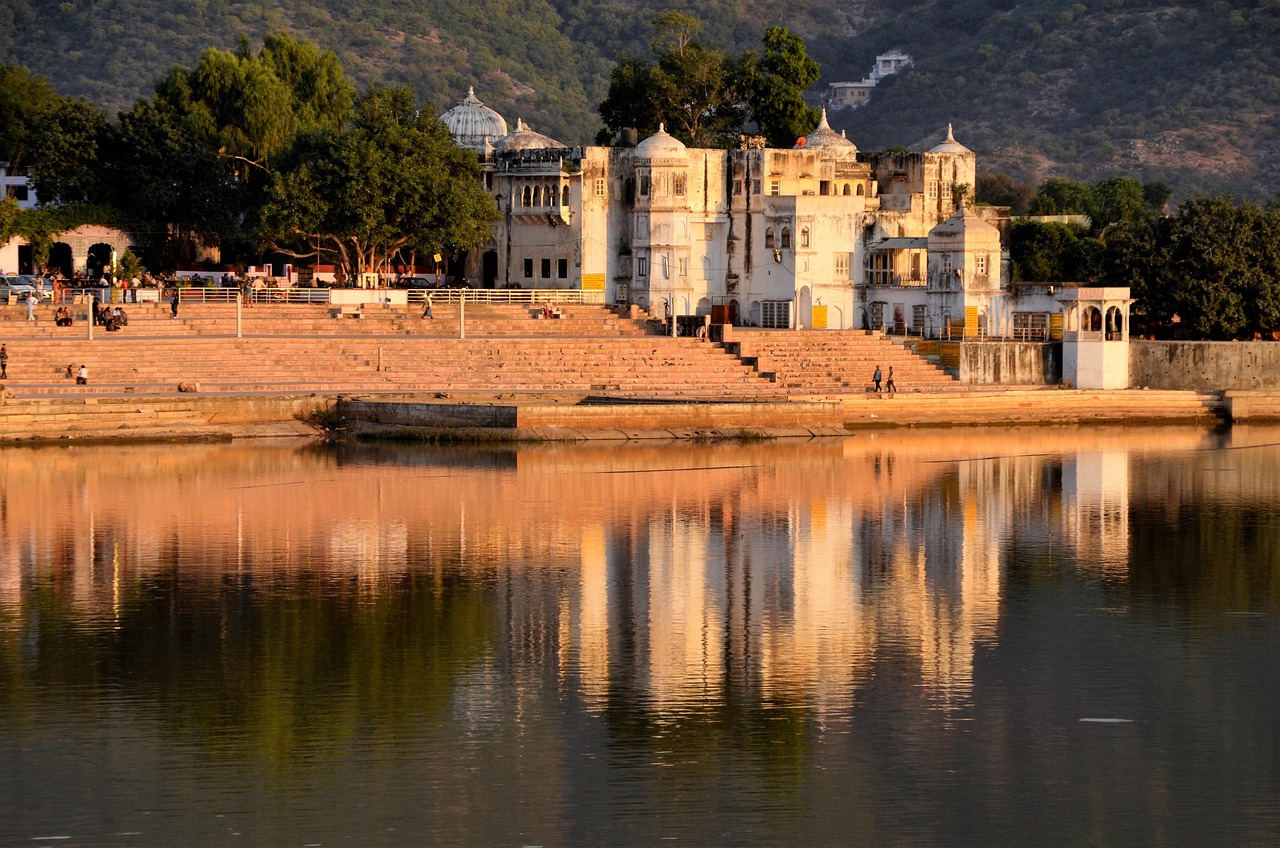
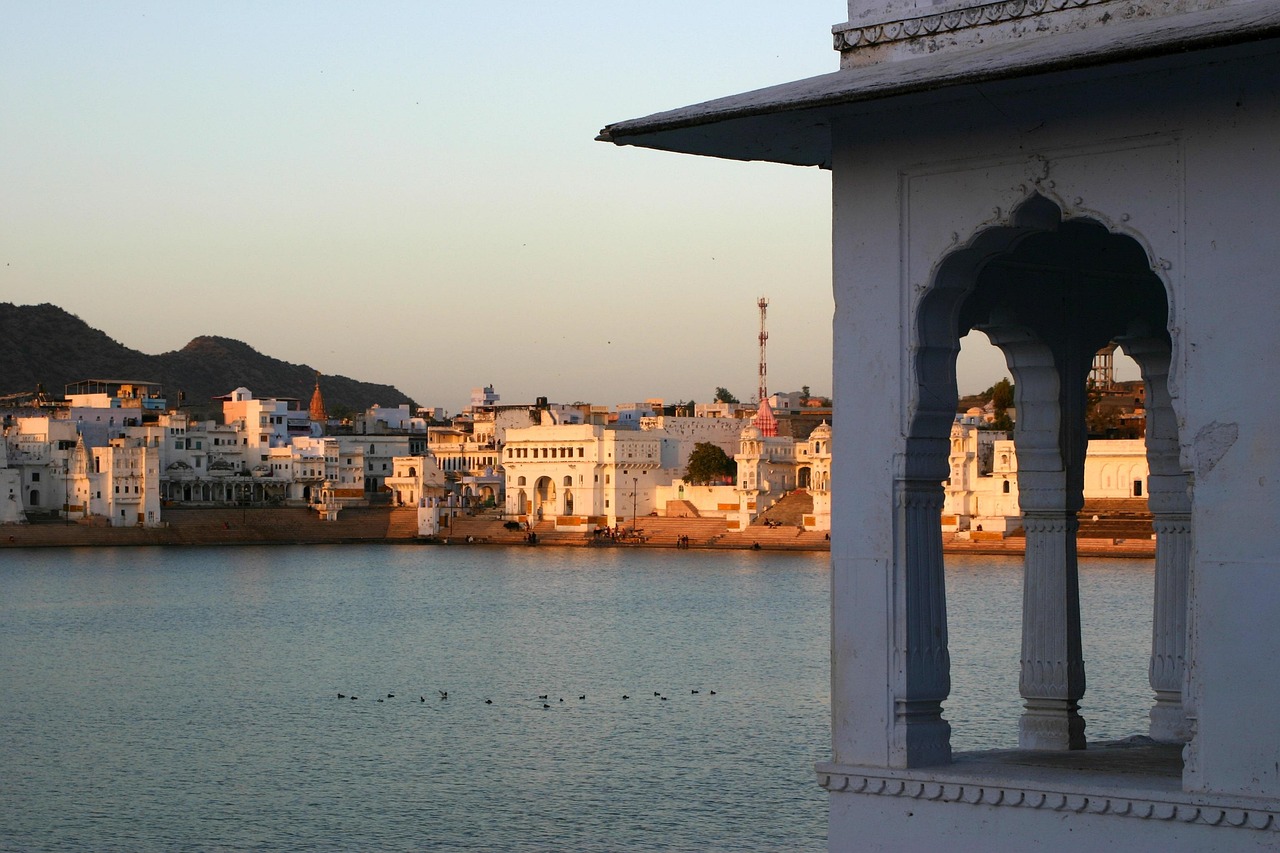
  • Pushkar Lake and the ghats

    Centre of town

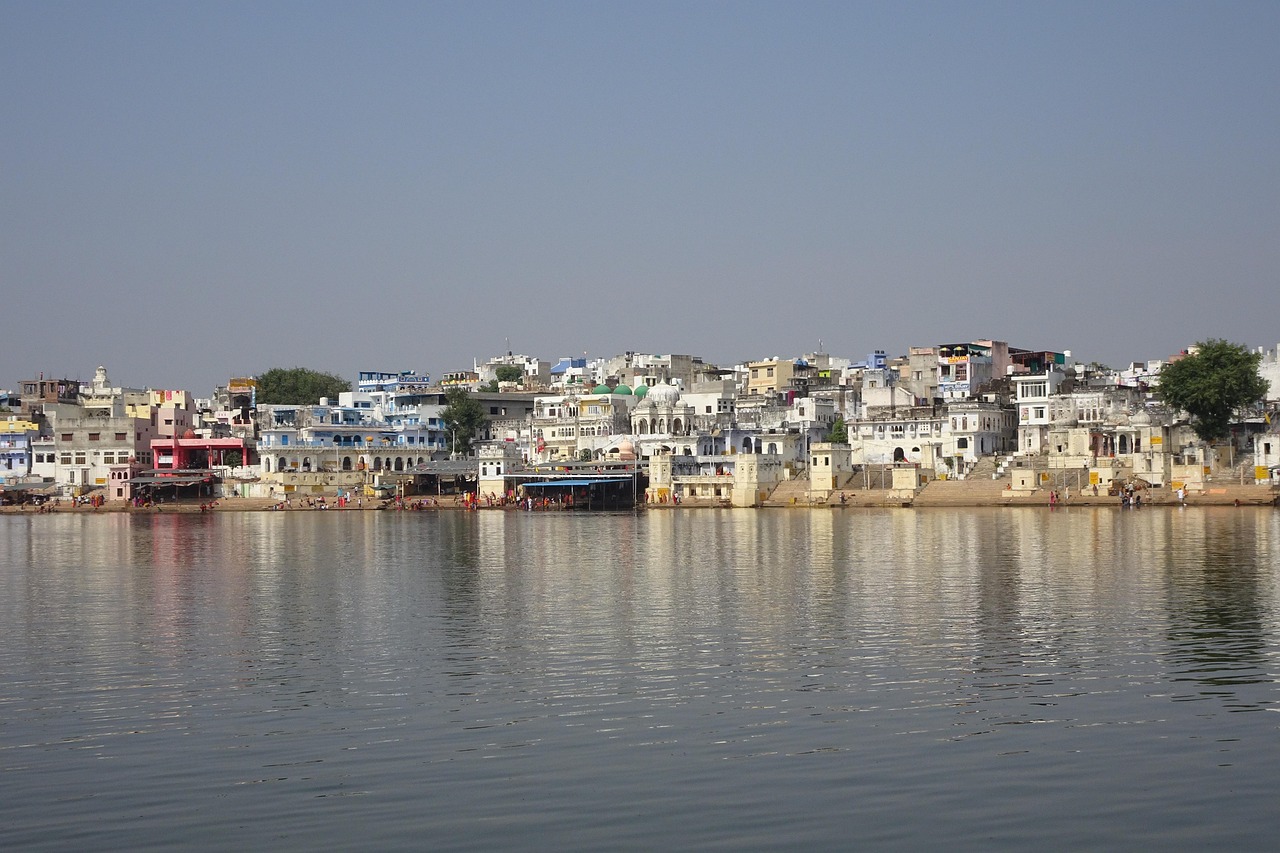
    The sacred lake ringed by 52 ghats and old temples and rest houses. Varaha Ghat, Brahma Ghat and Gau Ghat are among the most important; evening aarti is the time to come.

    Open in Google Maps (opens in a new tab)
  • Brahma Temple

    West side of the lake

    One of the very few temples in India dedicated to Lord Brahma, with a red spire and a marble-floored hall set with silver coins. Phones and cameras may not be allowed inside — check at the entrance.

    Open in Google Maps (opens in a new tab)
  • Savitri Temple

    Ratnagiri hill, south-west of town

    A hilltop temple to Brahma's wife Savitri, with sweeping views over the lake, the town and the desert. Most beautiful at sunrise.Read more

    How to get there: A steep climb of about an hour, or the ropeway from the foot of the hill.

    Open in Google Maps (opens in a new tab)
  • Main Bazaar (Sadar Bazaar)

    Around the lake

    A long, winding market street of sweet shops, cafés, jewellery, textiles, leather and music shops, busiest in the evening.

    Open in Google Maps (opens in a new tab)
  • Pushkar Fair Ground and dunes

    Western edge of town

    The site of the Camel Fair, and the rest of the year the starting point for camel rides into the low dunes at sunset.

    Open in Google Maps (opens in a new tab)

Historical places

Local food

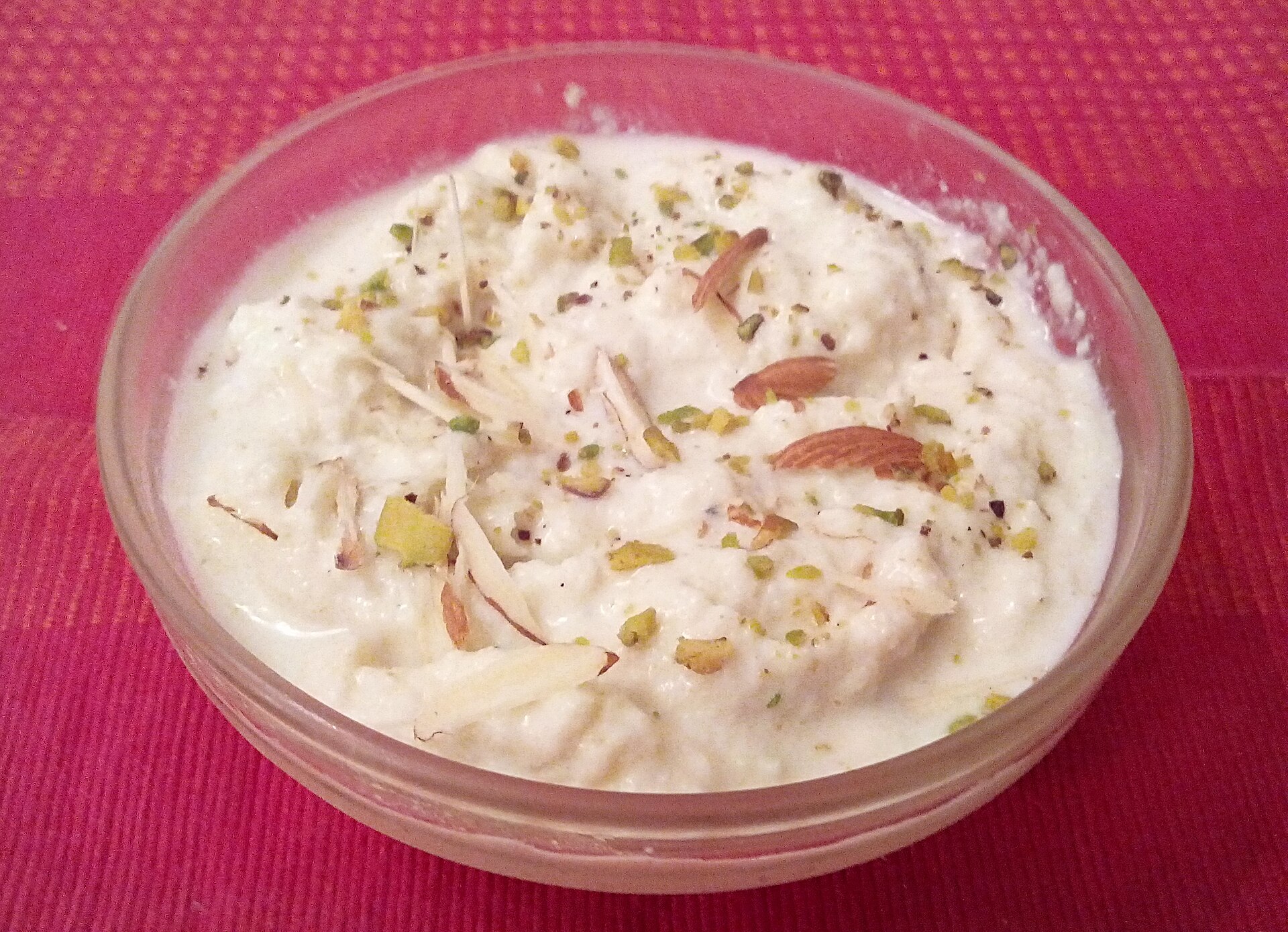
  • Malpua with rabri

    Pushkar, India

    Soft, sweet fried pancakes soaked in syrup and topped with rabri (thickened sweet milk). Pushkar is known for them — the sweet shops around the bazaar fry them all day.

  • Dal baati churma

    Pushkar, India

    Rajasthan's signature meal: hard wheat dumplings (baati) baked over coals and drenched in ghee, served with a spicy mixed-lentil dal and churma, crumbled sweetened wheat fried in ghee. Filling, rich and made for the desert.Read more
  • Pyaaz kachori and mirchi vada

    Pushkar, India

    The Rajasthani breakfast and tea-time snacks: flaky fried pastries filled with spiced onion, and large green chillies stuffed with potato, dipped in gram-flour batter and fried, served with tamarind and mint chutneys.

  • Makhania lassi

    Pushkar, India

    A thick, sweet yoghurt drink, often flavoured with saffron and cardamom and topped with cream. Sold in clay cups across Rajasthan — a cooling stop on a hot day in the desert towns.

Where to eat

Where to stay

Culture

Pushkar mixes deep devotion with a relaxed traveller scene. At dawn and dusk the ghats fill with pilgrims, bells ring and lamps float on the lake during aarti. Sadhus sit along the lake edge, and pilgrims come from across India to bathe and pray at the Brahma Temple.

The main bazaar sells silver jewellery, embroidered textiles, bangles and rose products — the fields around Pushkar grow roses for rose water and gulkand. At the Camel Fair, herders from across Rajasthan camp in the dunes with their animals, and the fair ground hosts races, folk music, dance and competitions.

History

Hindu legend tells that Lord Brahma dropped a lotus flower here and a lake sprang up where its petals fell; he then held a great sacrifice (yajna) on its shores. That makes Pushkar Lake one of the holiest in India, and a dip in its waters, especially on the full moon of Kartik, is believed to wash away sins.

Temples have stood here for well over a thousand years, though many were damaged in the medieval period and rebuilt later; most of what you see today dates from the last few centuries. Rajput rulers and noble families built ghats and rest houses around the lake for pilgrims.

The Pushkar Fair, held around the Kartik full moon, grew from a religious festival into one of the largest livestock fairs in the world, where camels, horses and cattle are traded alongside the pilgrimage.

Tour plans

Pushkar in a day and a half

2 days, 1 night
  1. Step 1: Day 1 — The lake and temples

    Arrive from Ajmer, walk the ghats, visit the Brahma Temple, browse the bazaar in the afternoon and watch evening aarti at the lake.

  2. Step 2: Day 2 — Sunrise and the dunes

    Climb (or take the ropeway) to Savitri Temple for sunrise, have malpua for breakfast, and end the day with a camel ride into the dunes before heading on to Ajmer.

Map

Open in Google Maps (opens in a new tab)

Travel information

Best time to visit

October to March. The Camel Fair is held around the Kartik full moon (October or November) — book months ahead. April to June is very hot.

How to get there

By air: Jaipur International Airport (JAI) is about 145 km away (around 3 hours by road). Kishangarh Airport near Ajmer has a few domestic flights — check current schedules.

By train: Ajmer Junction, 14 km away, is the main railhead, with fast trains from Delhi, Jaipur and Ahmedabad. Pushkar has a small station with only a few services.

By road: buses and shared jeeps run often from Ajmer bus stand over Nag Pahar; taxis take about 30 minutes. Direct buses also come from Jaipur, Jodhpur and Udaipur.

Getting around

  • On foot: the town is small; the main bazaar loops around the lake and most sights are walkable.
  • Motor vehicles are kept out of the busiest lanes; buses stop on the edge of town.
  • Savitri Temple: a steep climb of about an hour, or the ropeway — check that it is running.
  • Camels and horses: rides into the dunes on the edge of town are offered everywhere; agree the price and duration first.

Travel tips

  • Temples, mosques and dargahs: take your shoes off before entering (racks or shoe-keepers are at the door). Cover shoulders and knees; at dargahs and many mosques both men and women cover their heads — scarves are often sold or lent at the entrance. Leather, phones and cameras are banned in some temples. Ask before photographing people at prayer.
  • Visas: most visitors need a visa; many nationalities can apply for an Indian e-Visa online. Check the current rules for your passport before you travel.
  • Money: the currency is the Indian rupee (INR). Cards work in hotels and larger restaurants; most small shops use UPI phone payments, which foreign visitors may not be able to use, so carry cash for rickshaws, markets and street food.
  • Health: drink bottled or filtered water, eat food cooked fresh in front of you, and carry sun protection — the west of India is very hot from April to June.
  • Touts: be polite but firm with people who offer "free" guides, say a site is closed or steer you to a shop. Agree taxi and guide prices before setting off.
  • Time zone: India Standard Time, UTC+5:30, all year.
  • A holy town: meat, fish, eggs and alcohol are not allowed in Pushkar. Public displays of affection are frowned upon; dress modestly, especially at the ghats.
  • At the ghats: remove shoes, do not photograph people bathing, and be wary of anyone who hands you flowers and then asks for a large "donation" for a puja. You can decline politely; give only what you wish.
  • Camel Fair: prices for rooms rise sharply; the fairground is dusty — bring a scarf or mask.

All destinations