Ranchi

Ranchi, India

Ranchi

Jharkhand's capital on the Chota Nagpur plateau, known as the City of Waterfalls: a green, relatively cool city in tribal country, with Hundru, Dassam and Jonha falls, hilltop temples and the Patratu valley close by.

Favourite places

  • Hundru Falls

    About 40 km east of Ranchi

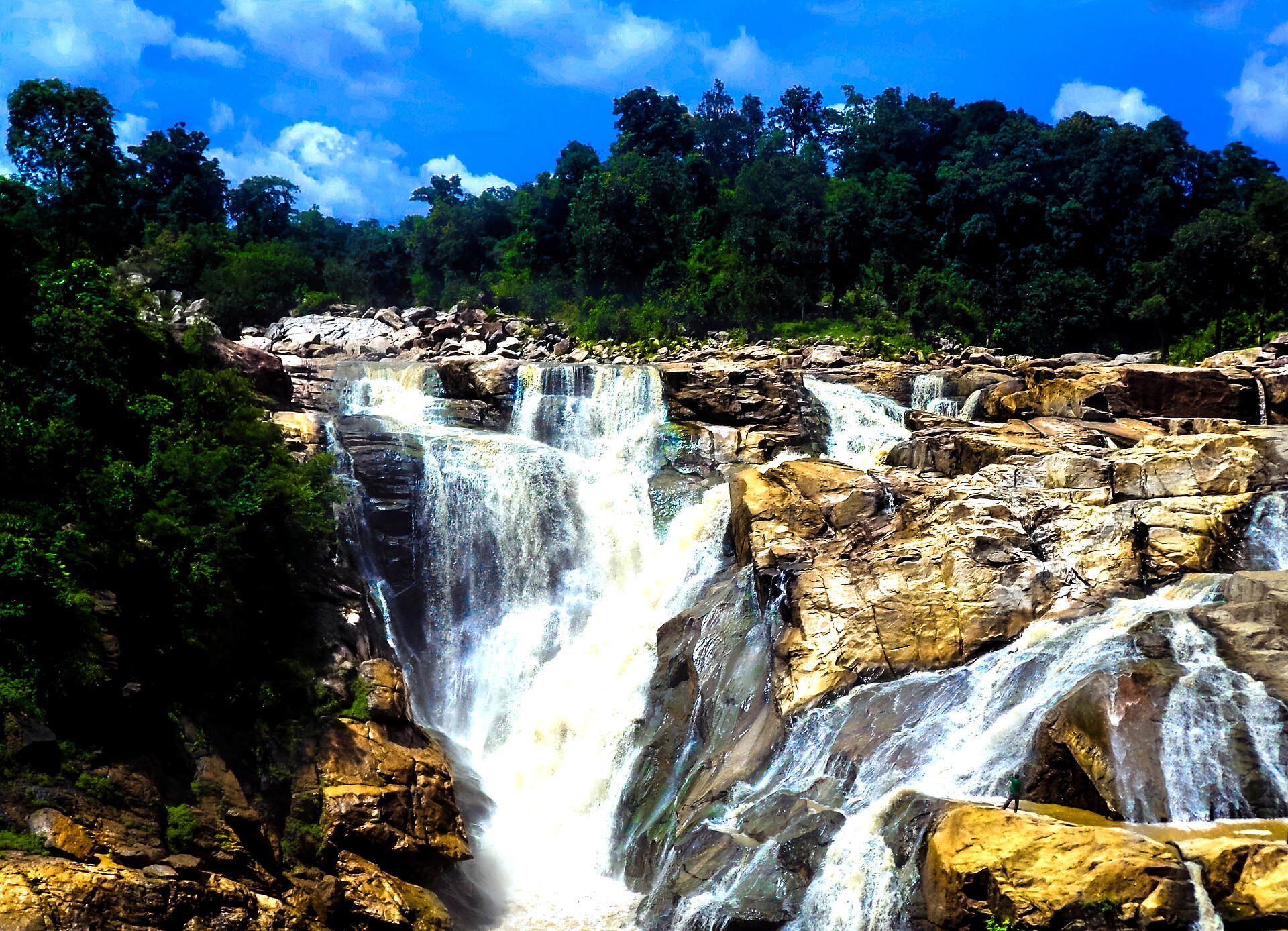
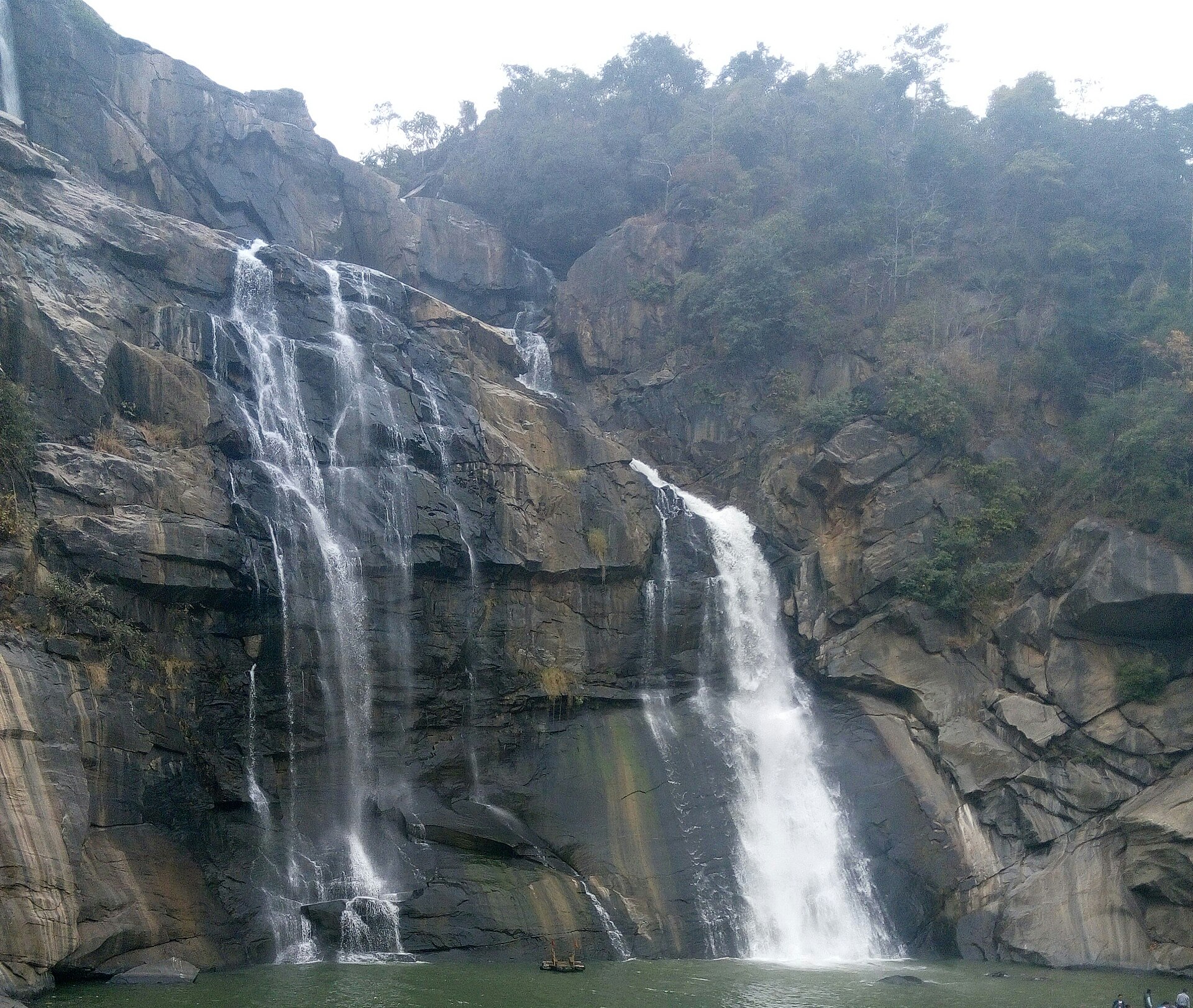
    The Subarnarekha river plunges about 98 metres off the plateau into a rocky gorge — the most famous of the Ranchi falls, reached by a long flight of steps.Read more

    How to get there: By car via the Ranchi–Purulia road.

    Open in Google Maps (opens in a new tab)
  • Dassam Falls

    About 40 km south-east, near Taimara

    The Kanchi river falls in several streams over a broad rock face. Dramatic after the monsoon.Read more

    How to get there: By car on the Ranchi–Jamshedpur highway, then a side road.

    Open in Google Maps (opens in a new tab)
  • Pahari Mandir

    Ranchi Hill, in the city

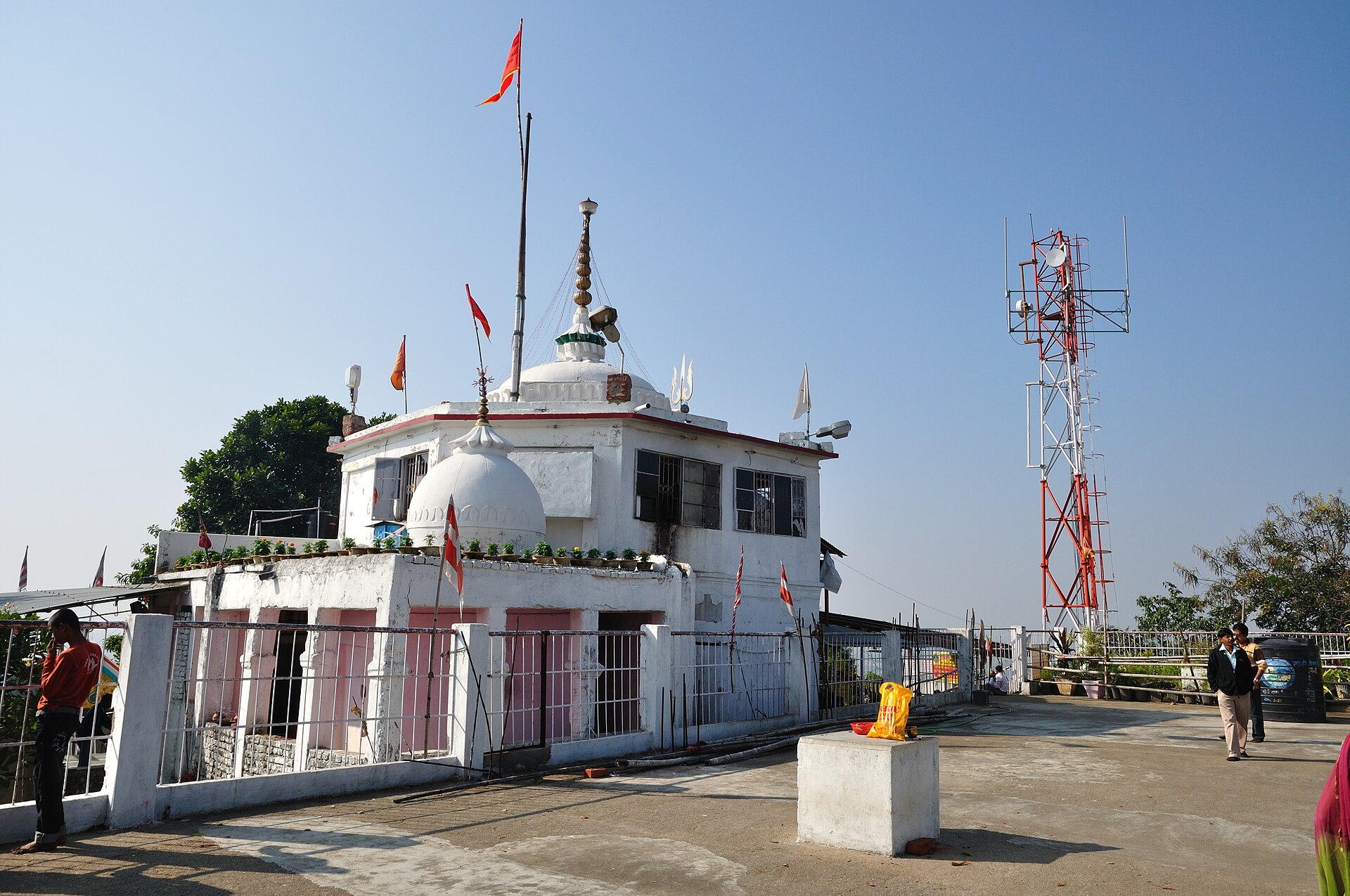
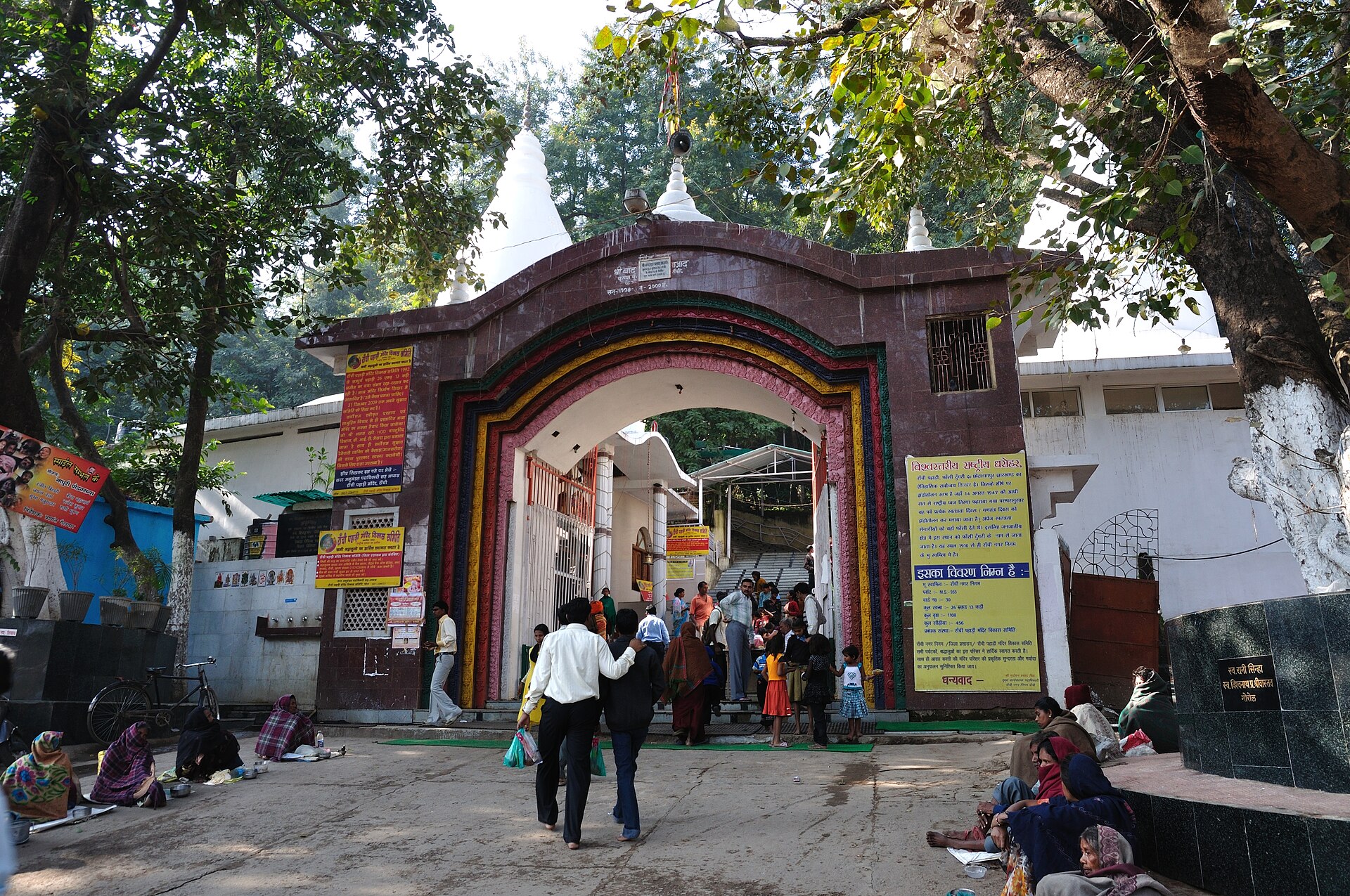
    A Shiva temple on a hill in the city, with views over Ranchi and Ranchi Lake. The hill was once a British execution ground for freedom fighters, and the national flag flies over it.

    Open in Google Maps (opens in a new tab)
  • Jagannath Temple

    Jagannathpur, south of the city

    A temple built in 1691 on a hillock in the style of the Puri temple, with its own Rath Yatra festival and fair in June–July.

    Open in Google Maps (opens in a new tab)
  • Patratu Valley and Patratu Dam

    About 35 km north-west

    A winding ghat road with hairpin bends and views over green hills, leading to a large reservoir with boating.

    Open in Google Maps (opens in a new tab)
  • Tagore Hill and Rock Garden

    Morabadi and Kanke Road

    Tagore Hill, linked with the Tagore family (Rabindranath's elder brother Jyotirindranath lived here), and the Rock Garden and Kanke Dam lakeside, popular in the evening.

    Open in Google Maps (opens in a new tab)

Historical places

Local food

  • Dhuska

    Ranchi, India

    A Jharkhand breakfast: deep-fried savoury cakes of ground rice and lentils, served with a spicy potato or chickpea curry and chutney. Sold hot from morning stalls in Ranchi and other towns.

  • Rugra and bamboo shoot

    Ranchi, India

    Rugra is a wild mushroom that grows in the sal forests of Jharkhand after the first monsoon rains, cooked in a spicy curry; tender bamboo shoot (karil) is another seasonal tribal dish. Both appear in markets only in season.Read more
  • Pitha

    Ranchi, India

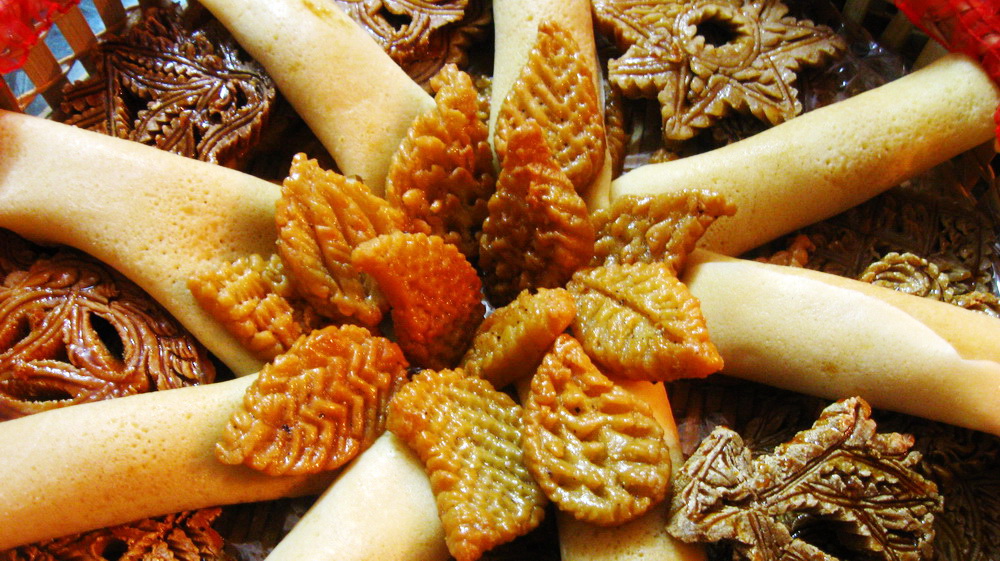
    Rice-flour cakes, steamed, fried or baked, sweet or savoury, made across East India: arsa and dhuska in Jharkhand, enduri and poda pitha in Odisha, patishapta and puli pitha in Bengal in winter.

  • Litti chokha

    Ranchi, India

    Bihar's signature dish: balls of wheat dough stuffed with spiced roasted gram flour (sattu), baked over coals and dipped in ghee, served with chokha — a smoky mash of roasted aubergine, tomato and potato with mustard oil, garlic and chilli. Sold at roadside stalls across Bihar and Jharkhand.Read more

Where to eat

Where to stay

Culture

Ranchi is a meeting place of Adivasi cultures, with Sadri (Nagpuri) as a common language alongside Hindi, Mundari and Kurukh. The spring festival of Sarhul, when the sal trees blossom, fills the streets with drums and dancing; Karma is celebrated after the monsoon, and Sohrai honours cattle with bold wall paintings on village houses.

The city also has strong Christian communities, a large Durga Puja and the Jagannath Rath Yatra at the hilltop Jagannath Temple. Rice beer (handia) is part of many tribal rituals.

History

Ranchi lies on the Chota Nagpur plateau, the homeland of Adivasi (tribal) peoples such as the Munda, Oraon and Ho, who have lived in these forests and hills for centuries. Local rulers, the Nagvanshi kings, held the region for a long time before the British.

Under British rule Ranchi became a hill station and the summer capital of the Bihar province. The plateau was also the scene of tribal uprisings, most famously the movement of Birsa Munda at the end of the 19th century; he died in Ranchi jail in 1900 and is honoured across India — the airport and the old jail, now a memorial museum, carry his name.

When the state of Jharkhand was carved out of Bihar on 15 November 2000 — Birsa Munda's birth anniversary — Ranchi became its capital.

Tour plans

Waterfalls day from Ranchi

1 day
  1. Step 1: Hundru Falls

    Start early; allow time for the steps down and up.

  2. Step 2: Jonha Falls

    A short drive away.

  3. Step 3: Dassam Falls

    Afternoon, on the way back via the Jamshedpur highway.

  4. Step 4: Pahari Mandir at sunset

    Views over the city.

Map

Open in Google Maps (opens in a new tab)

Travel information

Best time to visit

September to March. The waterfalls are at their fullest just after the monsoon (September–October); winters are pleasant. Summers are hot, though milder than the plains.

How to get there

By air: Birsa Munda Airport (IXR), close to the city, has flights from Delhi, Kolkata, Mumbai, Bengaluru, Patna and other cities.

By train: Ranchi Junction has trains from Delhi (Rajdhani), Kolkata, Patna and other cities; Hatia station serves the south of the city.

By road: national highways link Ranchi with Jamshedpur (about 3 hours), Patna, Kolkata and Netarhat. Overnight buses run from Kolkata.

Getting around

  • App cabs and taxis: best for the city and day trips to the waterfalls, which are 30–45 km away.
  • Auto-rickshaws: shared and private autos run on the main roads.
  • Hire a car for the day: the waterfalls are on different roads; a car with a driver lets you see two or three in a day.

Travel tips

  • Temples and monasteries: take your shoes off before entering, dress modestly (shoulders and knees covered) and follow the rules at each gate. Some Hindu temples admit only Hindus to the inner sanctum, and phones, cameras and leather items are often not allowed inside — use the lockers near the entrance. Walk clockwise around stupas and Buddhist shrines.
  • Guides and priests (pandas): at busy pilgrimage temples people may offer to guide you through the rituals for a fee. Agree on any amount first, or politely decline.
  • Weather: summers (April–June) are very hot and humid; the monsoon (June–September) brings heavy rain and sometimes floods or cyclones on the coast. Check the forecast and road conditions before travelling.
  • Money: UPI and cards work in cities, but carry some cash for small towns, temples, boats and village eateries.
  • Water: drink bottled or filtered water.
  • Waterfalls: the rocks are slippery and the water can be strong, especially after rain. Bathe only where it is allowed, and never at the foot of a big fall — there have been drownings. Many falls have long flights of steps.
  • Respect tribal villages: ask before photographing people or village shrines.

All destinations