
Rishikesh

Rishikesh, India

Rishikesh

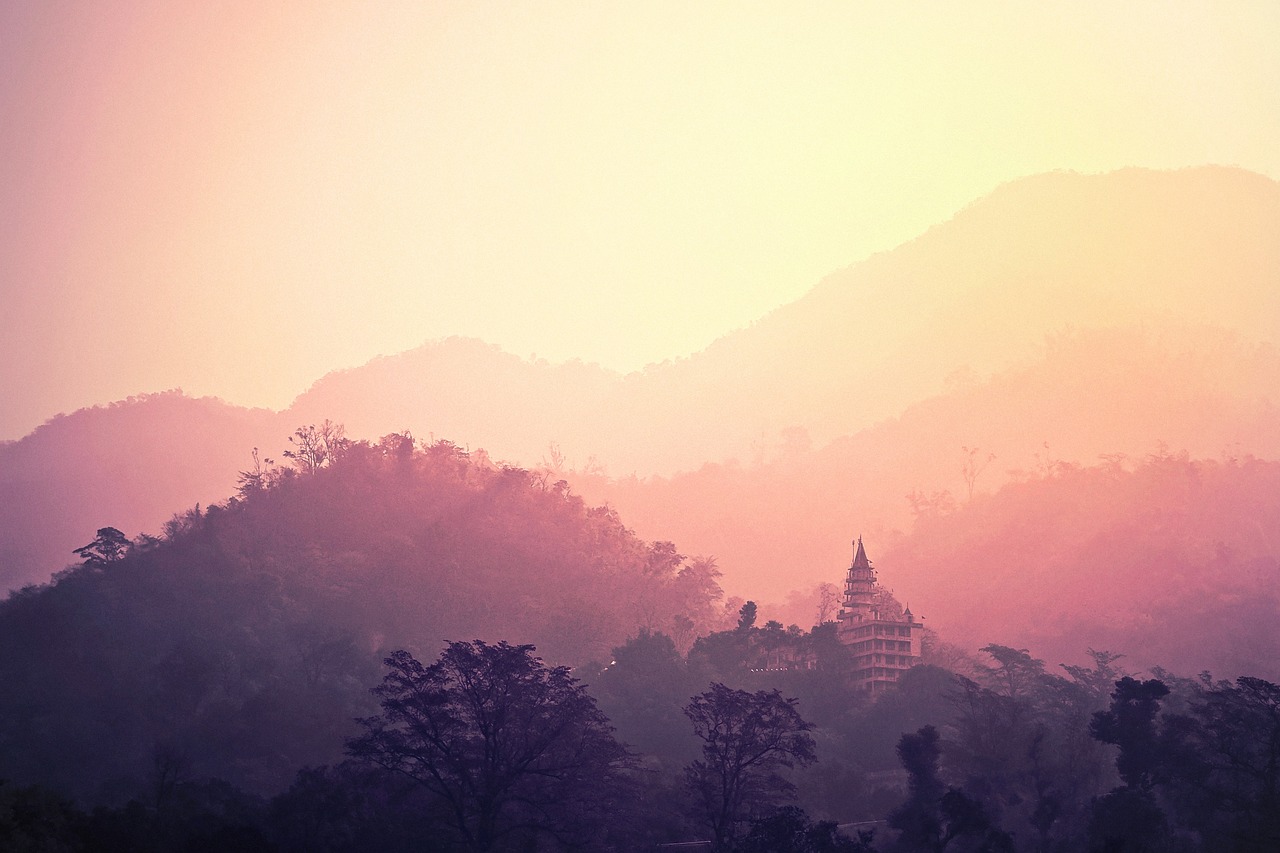
The town where the Ganga leaves the Himalayan foothills: ashrams and temples on both banks, suspension bridges, the evening Ganga aarti, yoga schools from all over the world, and white-water rafting upstream.

Favourite places

  • Ram Jhula and the ashrams of Swarg Ashram

    Swarg Ashram, east bank

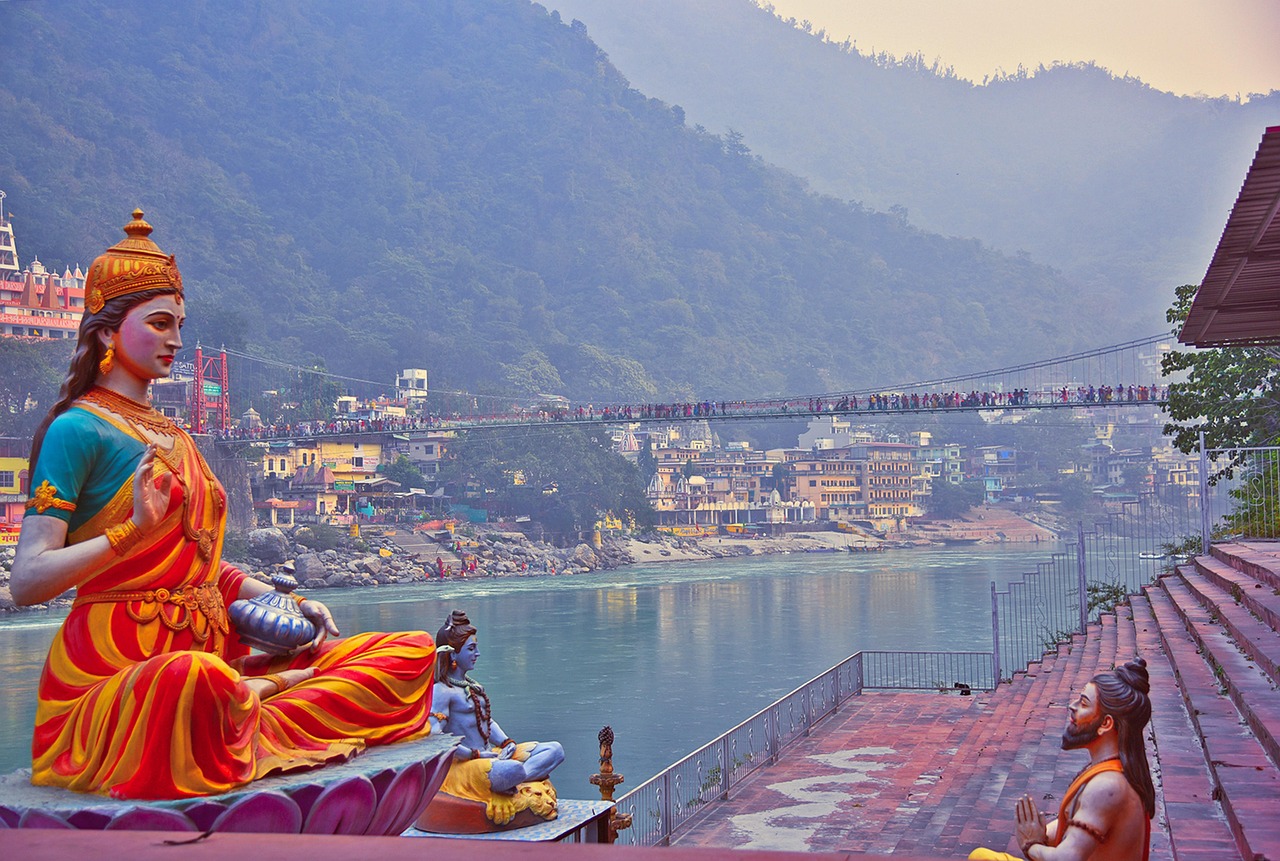
    The iron suspension bridge across the Ganga to the ashram quarter, lined with temples, bookshops and stalls; the big ashrams welcome visitors at set times.

    Open in Google Maps (opens in a new tab)
  • Parmarth Niketan Ganga aarti

    Swarg Ashram, by Ram Jhula

    One of the best-known evening aartis, on the riverside steps with singing and lamps. Arrive early to find a place to sit.

    Open in Google Maps (opens in a new tab)
  • Lakshman Jhula and Tapovan

    North of Ram Jhula

    The area around the old bridge, with the multi-storey Trayambakeshwar temple, cafés, yoga schools and guesthouses running up into Tapovan.

    Open in Google Maps (opens in a new tab)
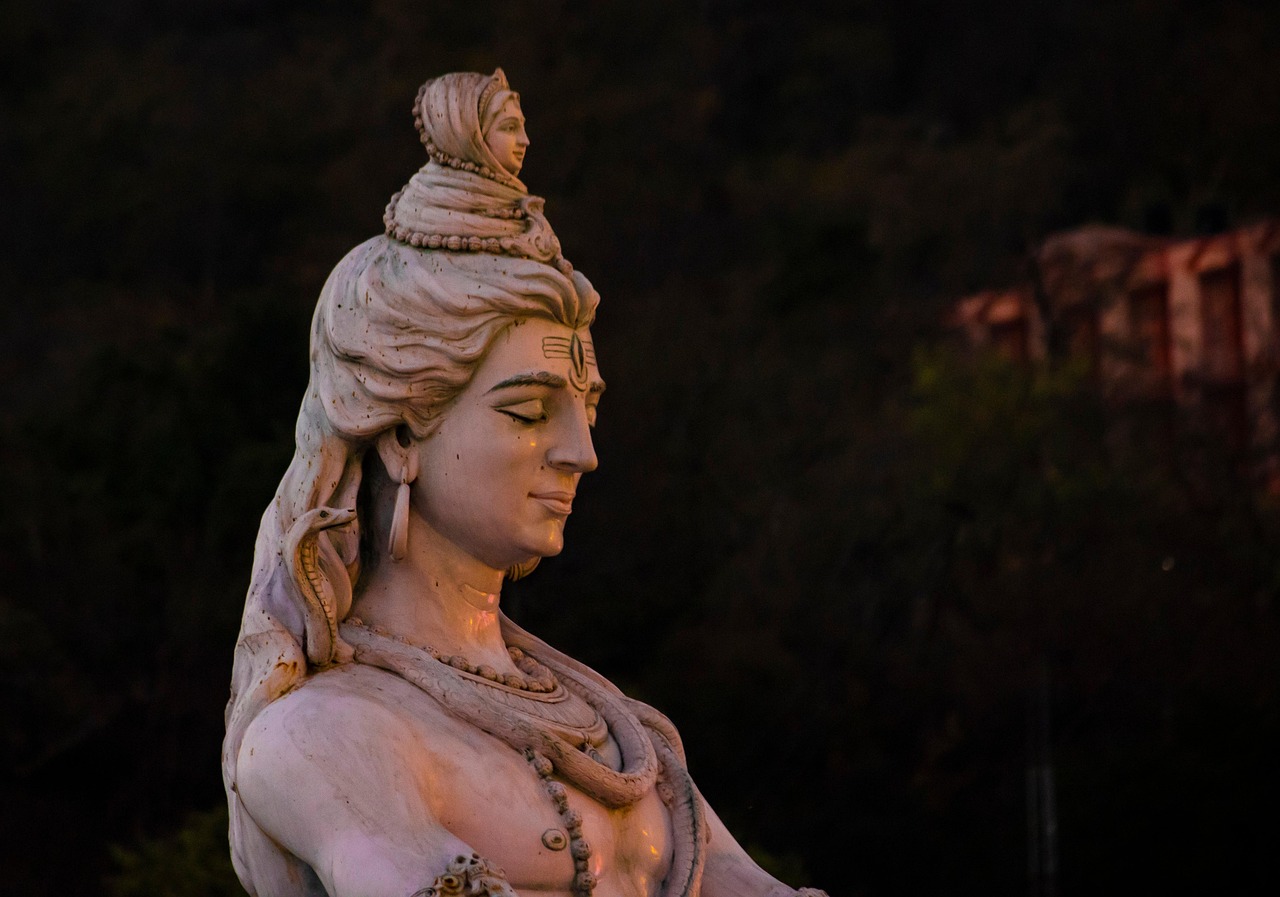
  • Beatles Ashram (Chaurasi Kutia)

    South of Swarg Ashram, inside Rajaji Tiger Reserve

    The ruins of Maharishi Mahesh Yogi's ashram, with meditation domes and walls covered in murals, among the forest. Run by the forest department with an entry fee.Read more

    How to get there: A walk along the east bank from Ram Jhula.

    Open in Google Maps (opens in a new tab)
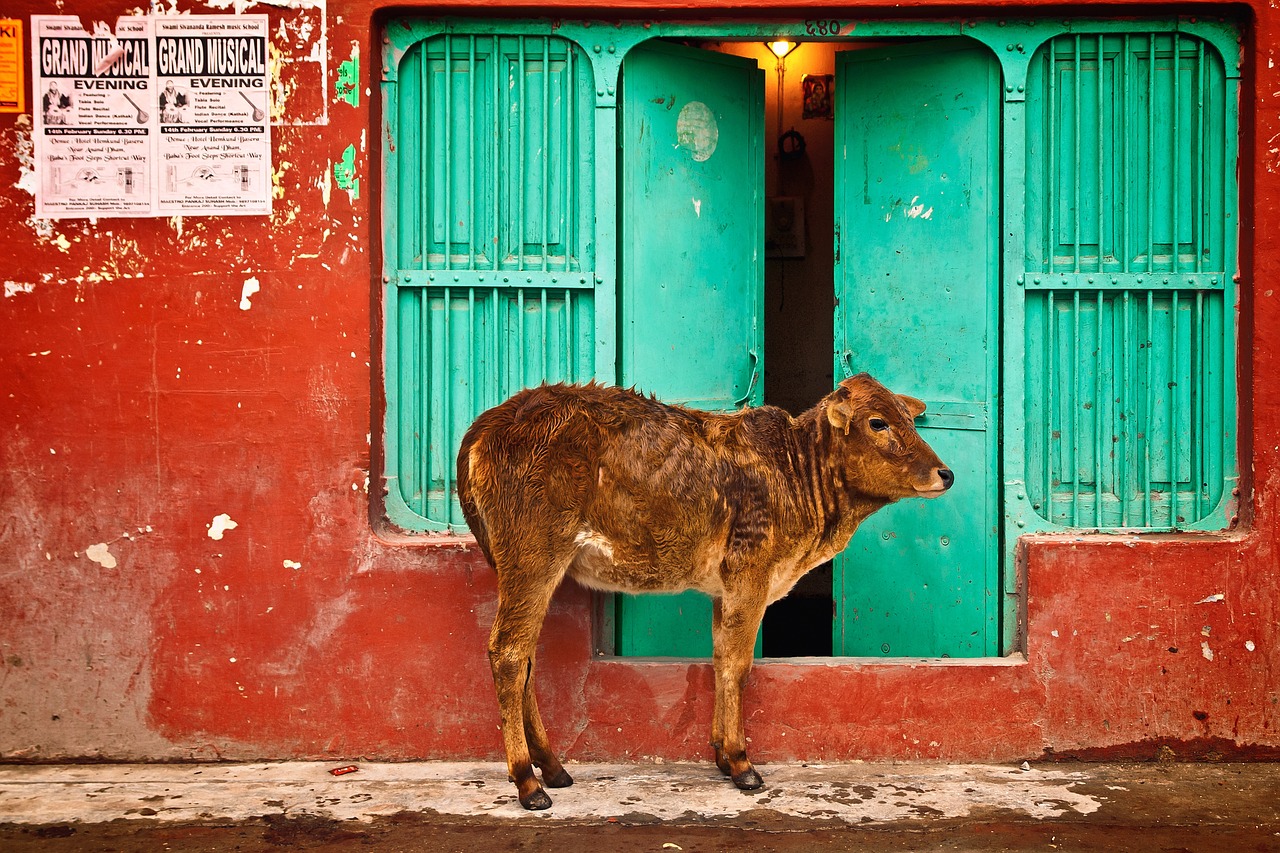
  • Neelkanth Mahadev Temple

    In the hills about 30 km by road

    A Shiva temple in the forest where, in tradition, Shiva drank the poison churned from the ocean. Extremely crowded during the Kanwar Yatra in July–August.Read more

    How to get there: By taxi or shared jeep from Ram Jhula, or a forest trek of about 12 km.

    Open in Google Maps (opens in a new tab)
  • White-water rafting

    Upstream at Shivpuri, Marine Drive and Kaudiyala

    Rafting on the Ganga with rapids of varying grades, usually from September to June. Many operators also run riverside camps.

    Open in Google Maps (opens in a new tab)

Local food

  • Satvik thali

    Rishikesh, India

    Pure vegetarian food without onion and garlic, cooked for pilgrims: dal, seasonal vegetables, rice, roti, curd and a sweet. The food of ashrams, dharamshalas and bhojanalayas in the temple towns.

  • Kachori and aloo sabzi

    Rishikesh, India

    Deep-fried pastry rounds stuffed with spiced lentils, served with a tangy potato curry and pickles. The standard breakfast of the pilgrim towns on the Ganga and of old Uttar Pradesh bazaars — Haridwar, Prayagraj and Mathura each have their own version.Read more
  • Lassi

    Rishikesh, India

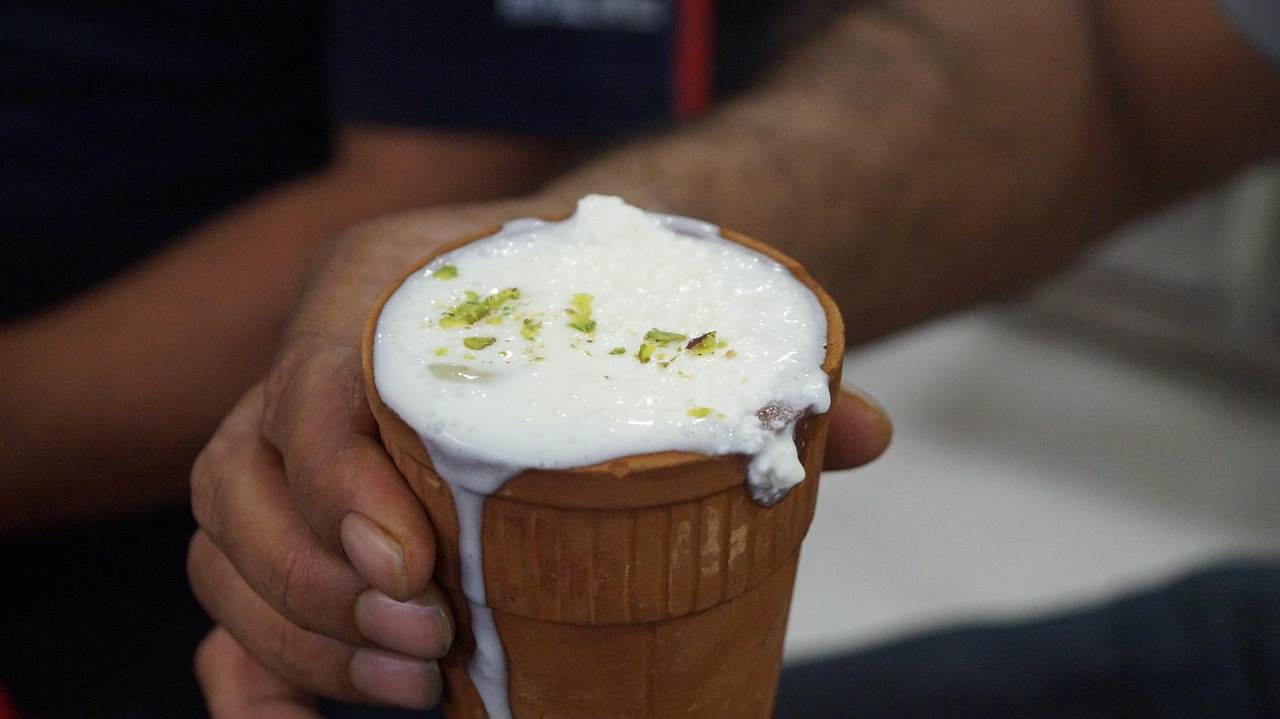
    Thick churned yoghurt drink, sweet or salted, often topped with a layer of cream (malai) and served in a clay cup. Punjab and the Braj country around Mathura are particularly proud of theirs.

  • Masala chai

    Rishikesh, India

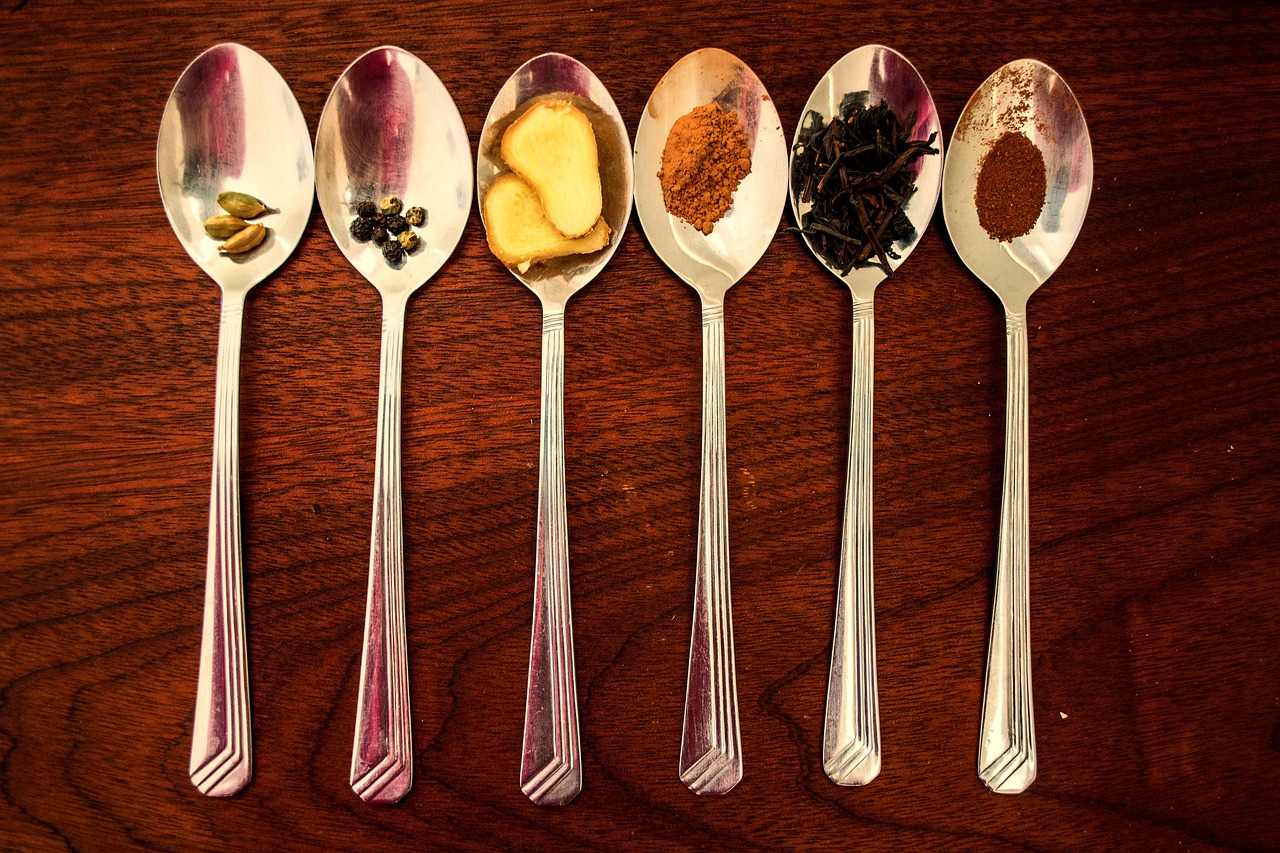
    Black tea boiled with milk, sugar, ginger and cardamom and poured into small glasses or clay cups (kulhads) at roadside stalls all day long.

Where to eat

Where to stay

Culture

Rishikesh lives by the river. Each evening, Ganga aarti is performed at Triveni Ghat and on the steps of Parmarth Niketan — priests swing brass lamps, bells ring and devotees float leaf boats with flowers and small flames on the water.

The town draws Hindu pilgrims, sadhus, spiritual seekers and backpackers alike, with yoga and meditation classes, Ayurveda and vegetarian cafés. Respect the ashrams' rules on dress and silence.

History

Rishikesh has been a place of retreat for sages (rishis) for centuries; in Hindu tradition it is linked to Lord Rama's brother Lakshmana, who is said to have crossed the river here on a rope bridge, and to the sages who meditated in the forests along the Ganga. It is also the starting point of the old pilgrim route to the Char Dham in the Himalaya.

In the 20th century, spiritual teachers founded large ashrams here, such as Swami Sivananda's Divine Life Society. In 1968 the Beatles stayed at Maharishi Mahesh Yogi's ashram and wrote many songs there, bringing Rishikesh to world attention. It now calls itself the "Yoga Capital of the World" and hosts the International Yoga Festival each March.

Tour plans

Rishikesh in two days

2 days, 1 night
  1. Step 1: Day 1 — Bridges and aarti

    Ram Jhula and Swarg Ashram, the Beatles Ashram in the afternoon, and the Parmarth Niketan aarti at sunset.

  2. Step 2: Day 2 — River and hills

    Morning yoga class, rafting from Shivpuri, or a trip to Neelkanth Mahadev.

Map

Open in Google Maps (opens in a new tab)

Travel information

Best time to visit

October to April is best: clear and mild, with rafting open. March brings the yoga festival. May and June are hot; in the monsoon (July to mid-September) the river is high and rafting stops.

How to get there

By air: Jolly Grant Airport (DED) is about 20 km away, under an hour by taxi.

By train: Yog Nagari Rishikesh station has some direct trains, but most travellers come through Haridwar Junction, about 25 km south, which has many more trains from Delhi and across India.

By road: about 240 km from Delhi; buses run from Delhi's Kashmere Gate ISBT. Shared and private taxis connect Haridwar, Dehradun and Rishikesh. Check current schedules before you travel.

Getting around

  • On foot: the bridges and the ashram areas around Ram Jhula and Lakshman Jhula are best explored on foot.
  • Shared autos (vikrams): run along the main road between the bus stand, Ram Jhula and Tapovan.
  • Bridges and boats: Ram Jhula is a pedestrian and two-wheeler suspension bridge; ferry boats also cross the Ganga near it. The old Lakshman Jhula has been closed for safety and a new bridge built nearby — check current status.
  • Taxis: for Neelkanth Mahadev, the rafting start points and Haridwar.

Travel tips

  • Temples and gurdwaras: take your shoes off before entering (shoe-keepers or racks are usually at the door). Cover shoulders and knees; at gurdwaras everyone covers their head — scarves are usually provided. Leather items are not allowed inside some temples. Ask before photographing people at prayer, and follow the signs on photography.
  • Money: the currency is the Indian rupee (INR). UPI phone payments are everywhere, cards work in hotels and larger shops; carry cash for small stalls, temples, rickshaws and hill towns. ATMs can run dry in remote places.
  • Visas: most visitors need an Indian visa or e-Visa — check the current rules for your passport before you travel.
  • Time zone: India Standard Time, UTC+5:30, all year.
  • Water: drink bottled or filtered water.
  • Vegetarian towns: meat, eggs and alcohol are not sold in the central pilgrimage areas — respect this, and do not bring them in.
  • The river: the Ganga is cold and the current strong even where it looks calm. Bathe only at ghats with chains and steps, and never swim outside them.
  • Rafting: choose a licensed operator; rafting is suspended in the monsoon and may be suspended after rain.
  • Yoga courses: quality varies a lot — read up on a school and its teachers before paying for a long course.
  • Monkeys: common on the bridges; keep food and phones out of sight.

All destinations