Srinagar

Srinagar, India

Srinagar

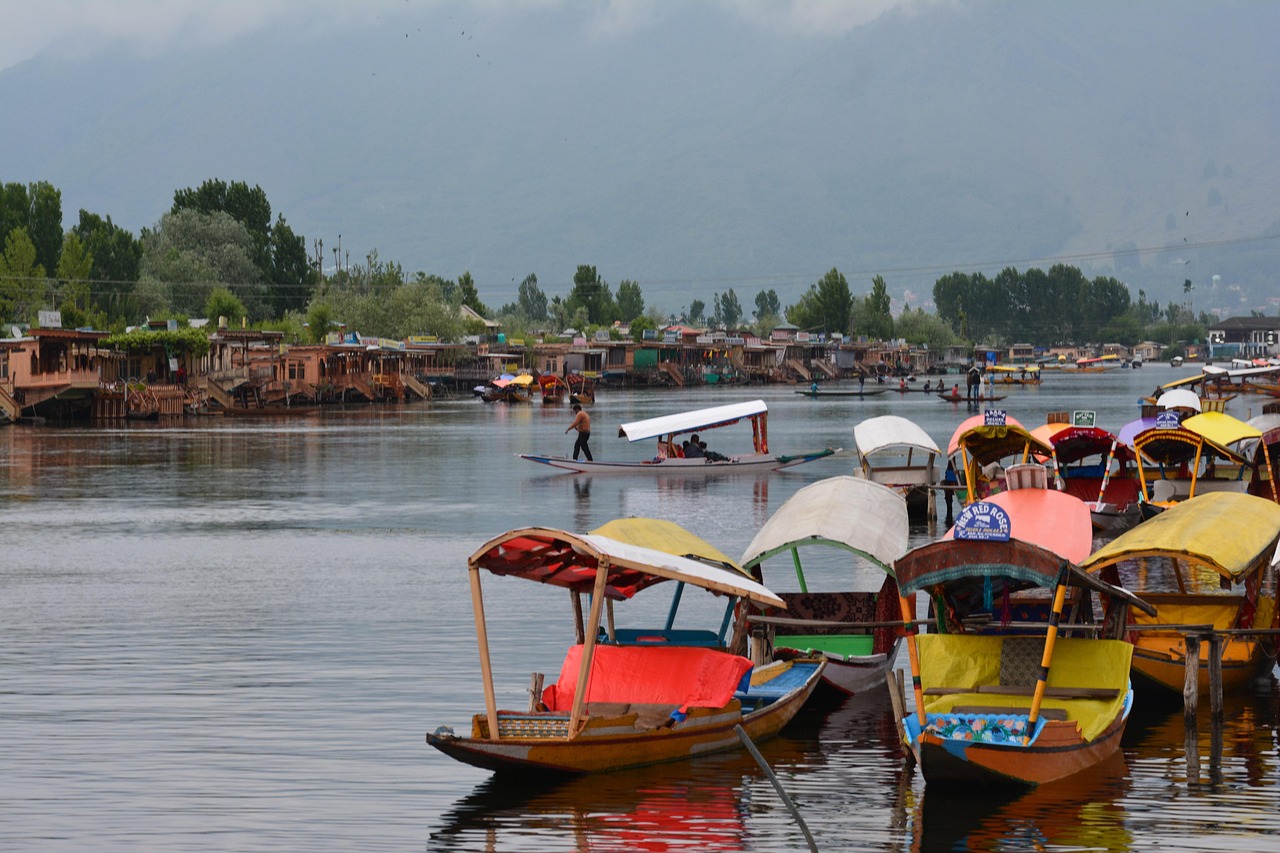
The summer capital of Jammu and Kashmir, set around Dal Lake in the Kashmir valley: houseboats and shikaras, Mughal gardens, wooden shrines and mosques of the old city, and the floating vegetable market at dawn.

Favourite places

  • Dal Lake and the houseboats

    East Srinagar

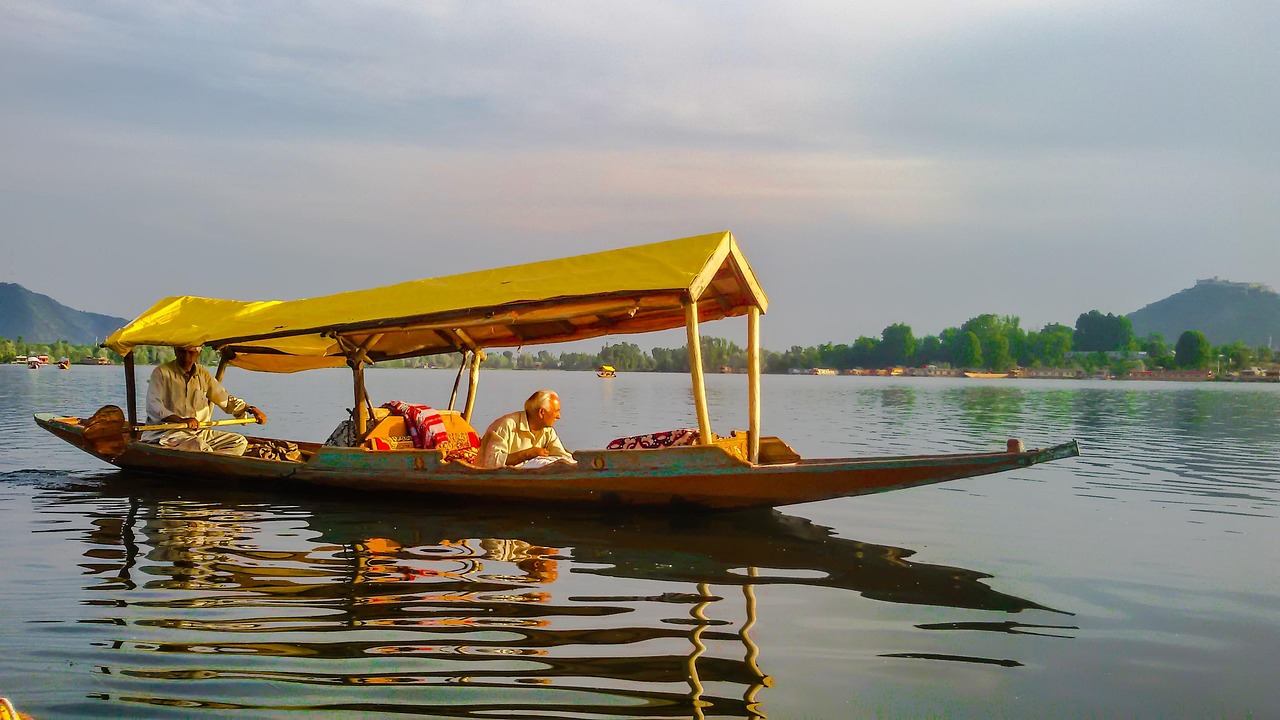
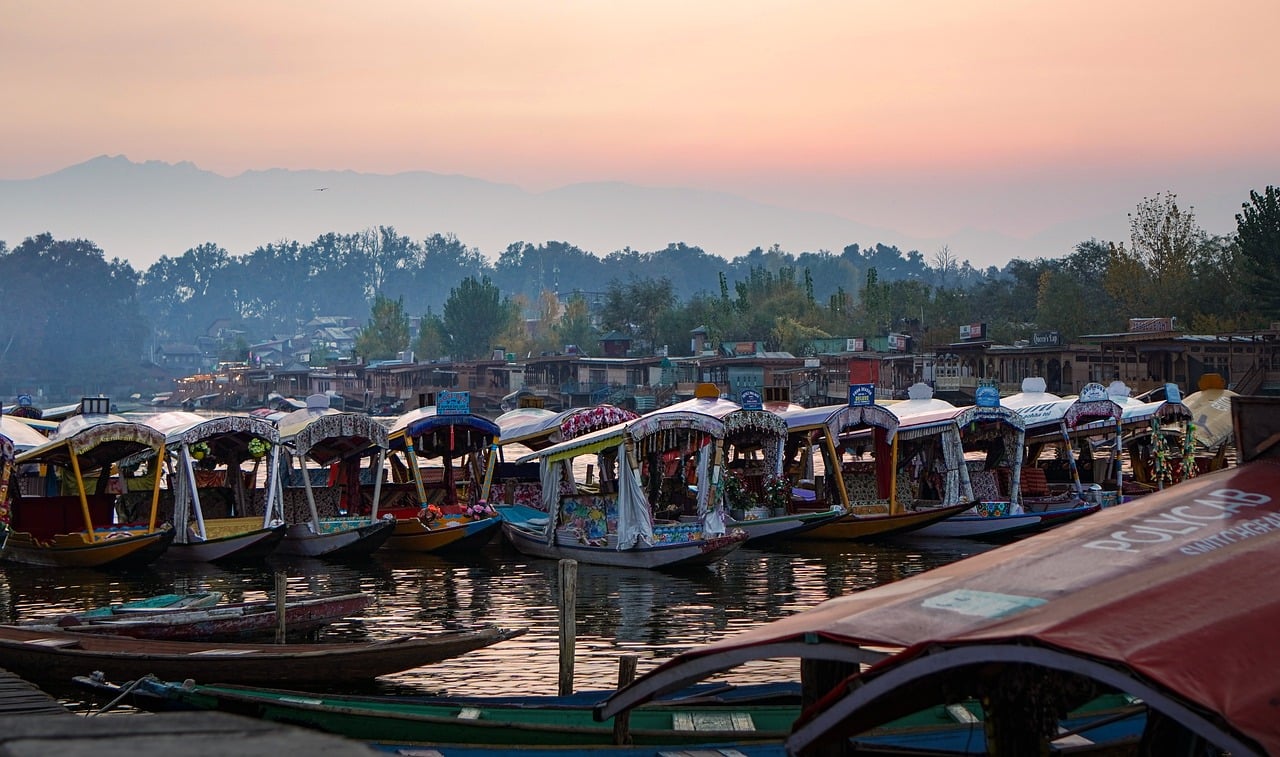
    The lake at the heart of Srinagar, lined with carved wooden houseboats and crossed by shikaras, with floating gardens and the Zabarwan hills behind. A sunrise or sunset shikara ride is the classic experience.Read more

    How to get there: From the ghats along the Boulevard Road.

    Open in Google Maps (opens in a new tab)
  • Shalimar Bagh

    North-east shore of Dal Lake

    The largest Mughal garden in Srinagar, laid out for Jahangir in 1619, with terraces, water channels and fountains under old chinar trees.Read more

    How to get there: Taxi or auto from the Boulevard, about 30 minutes.

    Open in Google Maps (opens in a new tab)
  • Hazratbal Shrine

    North shore of Dal Lake

    A white marble shrine housing a relic revered as a hair of the Prophet Muhammad, and an important place of worship. Visitors should dress modestly; women may be restricted from parts of the shrine.

    Open in Google Maps (opens in a new tab)
  • Shankaracharya Temple

    Shankaracharya Hill, above the Boulevard

    An ancient stone Shiva temple on a hilltop with sweeping views over Srinagar and Dal Lake. Security checks apply and phones or cameras may not be allowed inside — check current rules.Read more

    How to get there: Drive up the hill road, then climb about 250 steps.

    Open in Google Maps (opens in a new tab)
  • Indira Gandhi Memorial Tulip Garden

    Foothills of the Zabarwan range

    A large tulip garden that opens for a few weeks in spring (usually late March to April); dates are announced each year.

    Open in Google Maps (opens in a new tab)

Historical places

  • Jamia Masjid

    Nowhatta, old city

    The great Friday mosque of Srinagar, first built around 1400, with more than 370 wooden pillars of deodar around a garden courtyard. Visitors should dress modestly and avoid prayer times.

    Open in Google Maps (opens in a new tab)
  • Khanqah of Shah-e-Hamadan

    On the Jhelum, old city

    One of the oldest Muslim shrines in Kashmir, a wooden building with a tiered roof and richly painted papier-mâché interior. Non-Muslims usually view it from outside.

    Open in Google Maps (opens in a new tab)

Local food

  • Wazwan

    Srinagar, India

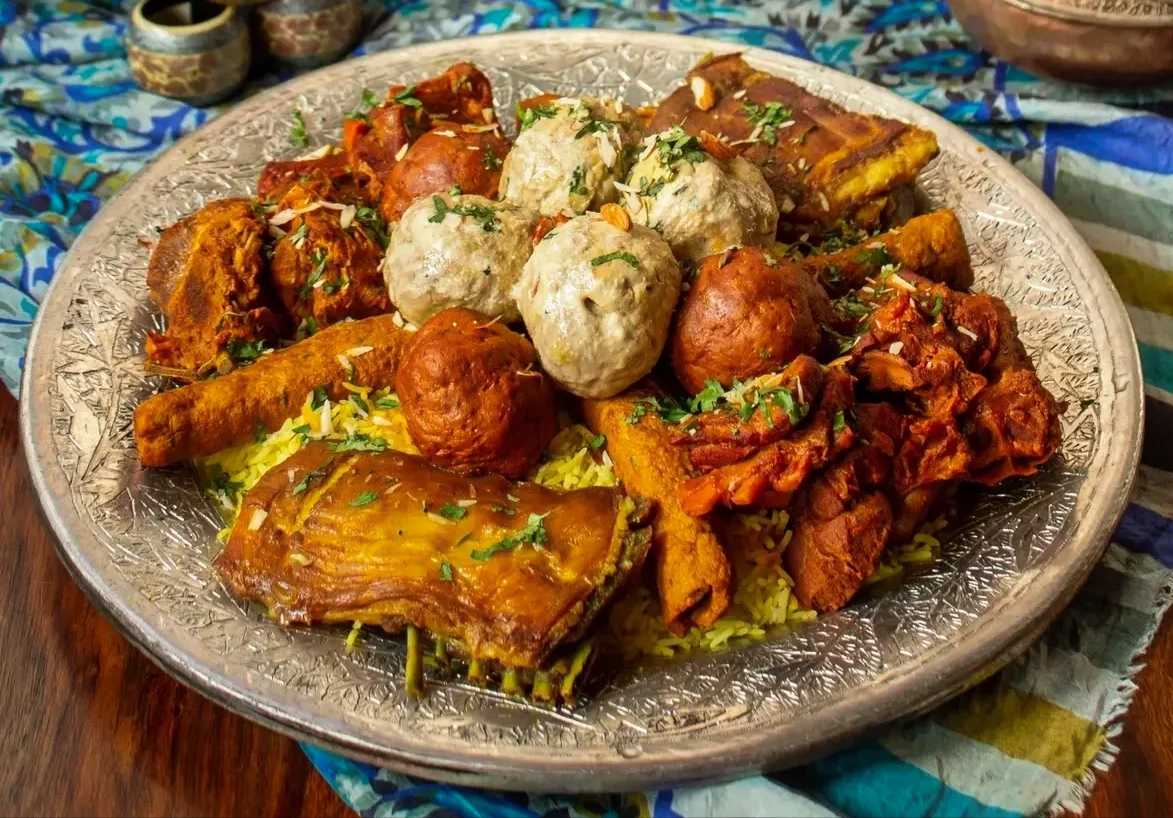
    The great multi-course Kashmiri feast cooked by wazas (master cooks) for weddings, centred on mutton: seekh kebabs, tabak maaz (fried ribs), rista and gushtaba (meatballs in red and yoghurt gravies), rogan josh and yakhni. Shared from a large copper plate (trami). Several restaurants in Srinagar serve a smaller wazwan.Read more
  • Rogan josh

    Srinagar, India

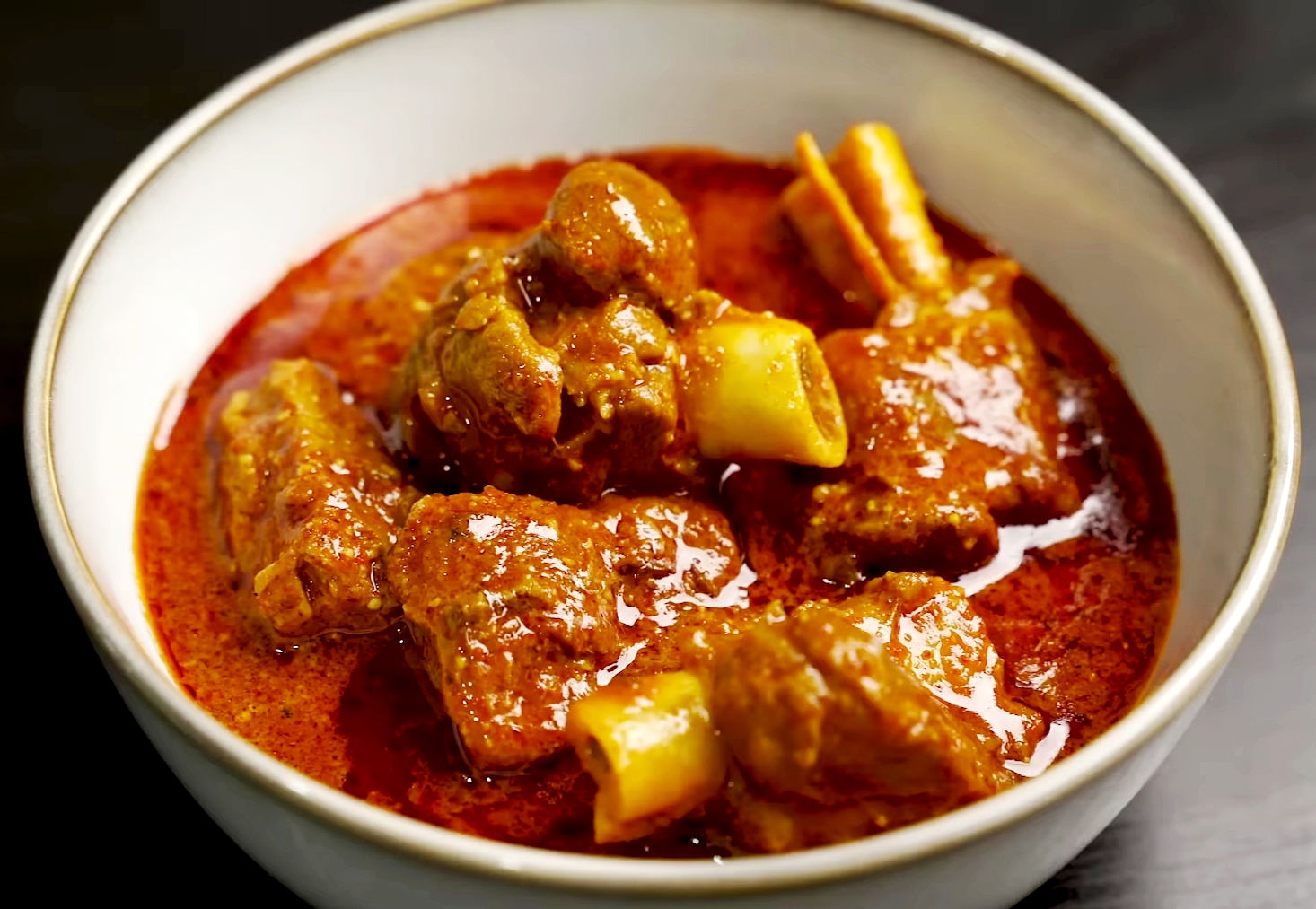
    Tender mutton cooked in a deep red gravy coloured with Kashmiri chilli and cockscomb flower (mawal), fragrant with fennel and dry ginger. A wazwan classic, also cooked in Kashmiri Pandit homes without onion or garlic.

  • Kahwa

    Srinagar, India

    Kashmiri green tea brewed with saffron, cardamom and cinnamon and served with almonds, traditionally from a brass samovar. Offered to guests everywhere — on houseboats, in hotels and in shops.

  • Noon chai and Kashmiri breads

    Srinagar, India

    Noon chai (sheer chai) is a pink, salted tea drunk at breakfast and tea time with breads from the local kandur (baker): girda, lavasa, bakarkhani and the sesame-topped kulcha. Bakeries open early in every Srinagar neighbourhood.Read more
  • Harissa

    Srinagar, India

    A winter breakfast of Srinagar: mutton slow-cooked overnight with rice into a smooth paste, topped with hot mustard oil and fried onions, eaten with kandur bread. Sold early in the morning in the old city from roughly November to March.Read more

Where to eat

Where to stay

Culture

Kashmiri culture is famous for its gentleness, poetry and crafts. The valley's Sufi tradition — the Rishi saints and shrines such as Hazratbal and Makhdoom Sahib — runs deep, and the Kashmiri language has a long literature of mystic verse.

Craft traditions include pashmina and kani shawls, hand-knotted silk and wool carpets, papier-mâché, walnut-wood carving and crewel embroidery. Hospitality centres on kahwa and the great wazwan feast. The tulip festival in spring and the autumn colours of the chinar trees mark the year.

History

Srinagar has been the main city of the Kashmir valley for well over a thousand years; tradition credits its founding to the Mauryan emperor Ashoka, and the later king Pravarasena II built a new capital near the present site. Hindu and Buddhist dynasties were followed from the 14th century by the Shah Mir sultans, under whom Islam spread through the valley; Sultan Zain-ul-Abidin (Budshah) is still remembered for his tolerance and patronage of crafts.

The Mughals, who took Kashmir in 1586, loved the valley as a summer retreat. Emperor Jahangir and his successors laid out the terraced gardens of Shalimar, Nishat and Chashme Shahi on the slopes above Dal Lake. Afghan, Sikh and then Dogra rule followed; under the Dogras, the British, who could not own land, began living on houseboats on the lake.

Srinagar is now the summer capital of the union territory of Jammu and Kashmir. Its old city, along the Jhelum river, keeps wooden mosques, shrines and bridges.

Tour plans

Srinagar in three days

3 days, 2 nights
  1. Step 1: Day 1 — The lake

    Check into a houseboat, evening shikara ride on Dal Lake past the floating gardens.

  2. Step 2: Day 2 — Mughal gardens

    Dawn floating market, then Shalimar, Nishat, Chashme Shahi and Pari Mahal, and Hazratbal in the afternoon.

  3. Step 3: Day 3 — Old city

    Shankaracharya Temple in the morning, then Jamia Masjid, Shah-e-Hamadan and the old bridges on the Jhelum, with a wazwan lunch.

Map

Open in Google Maps (opens in a new tab)

Travel information

Best time to visit

April to October. Tulips bloom in late March–April, summer is mild, and October brings golden chinar leaves. Winters (December–February) are cold, with snow and frozen edges on the lake.

How to get there

By air: Sheikh ul-Alam International Airport, Srinagar (SXR) has frequent flights from Delhi, Mumbai, Jammu and other cities. It is about 14 km from the city centre; prepaid taxis run from the airport.

By train: the Kashmir valley railway links Srinagar station (Nowgam) with Baramulla and southwards towards Banihal, and the line through the mountains to Jammu and Katra has been completed in stages — check current services and through trains.

By road: the Jammu–Srinagar National Highway (NH44) through the Banihal (Jawahar/Navyug) tunnels takes about 6–9 hours from Jammu; shared taxis and buses run it. The Srinagar–Leh highway leads east over the Zoji La pass in summer.

Check current travel advisories, road status and permits before travelling.

Getting around

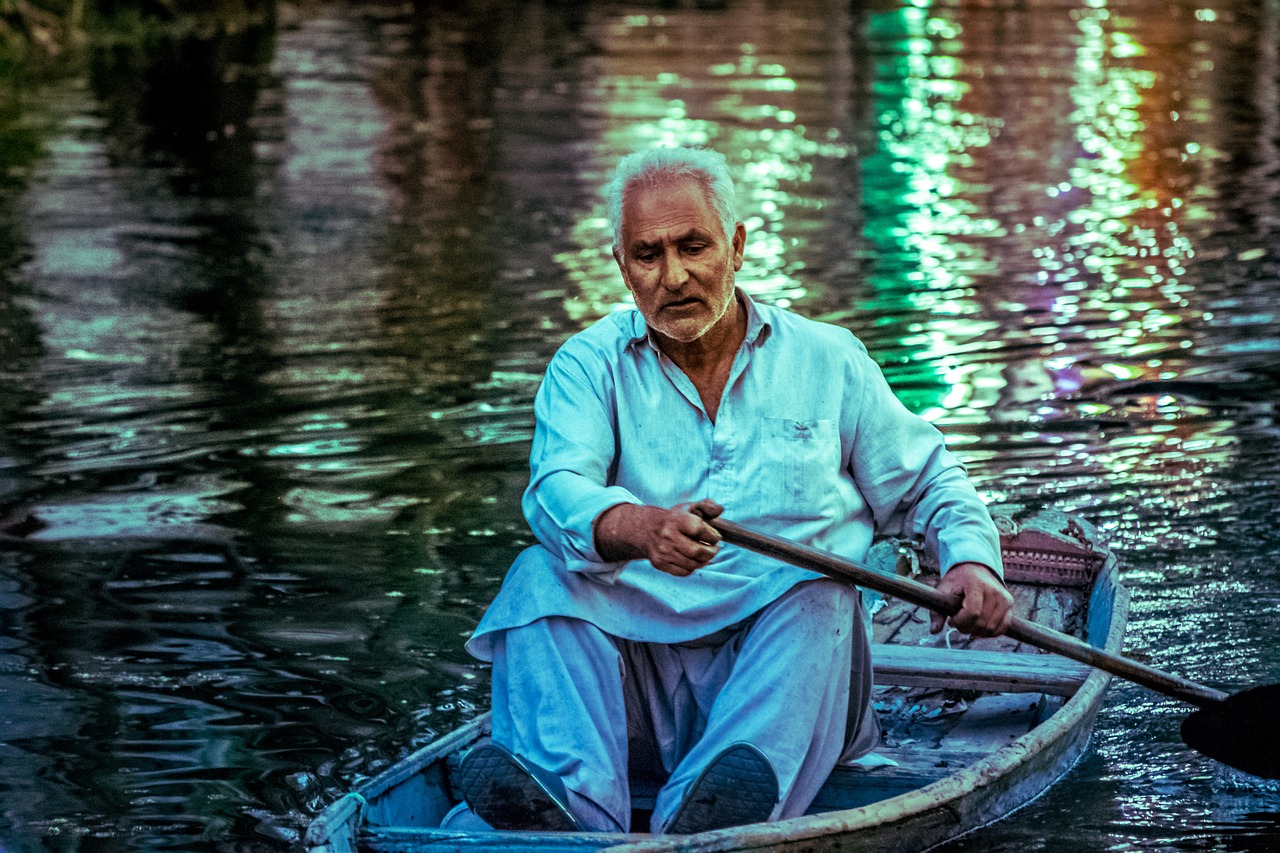
  • Shikaras: the classic way to cross Dal Lake to your houseboat or for a lake tour; agree the price and duration with the boatman first (there are official rate boards at the ghats).
  • Taxis and autos: for the Mughal gardens, the old city and the airport. Taxi stands along the Boulevard run fixed-rate tours.
  • Buses and minibuses: cheap but crowded within the city.
  • On foot: the Boulevard along Dal Lake, Lal Chowk and parts of the old city are walkable.

Travel tips

  • Advisories: check your government's current travel advisory for Jammu and Kashmir before booking, and follow local instructions; security checks on roads and at sights are normal.
  • Mobile phones: prepaid SIM cards from other Indian states do not work in Jammu and Kashmir and Ladakh under current rules; postpaid connections do. Foreign SIMs rarely work. Check the current rules with your provider.
  • Dress and customs: Kashmir is a conservative society. Dress modestly, ask before photographing people, and expect shops to close for Friday prayers.
  • Ramadan and holidays: opening hours change during Ramadan and on public holidays — check before going.
  • Houseboats: choose a houseboat registered with the tourism department and agree what is included (meals, shikara transfers) before booking.
  • Shopping: Kashmiri shawls, carpets and papier-mâché are sold everywhere; genuine pashmina and hand-knotted carpets are expensive — buy from established shops or government emporiums and ask about certificates.

All destinations