
Surat Castle (Old Fort)
By the Tapi, near Chowk Bazaar
A 16th-century fort built to defend the city from Portuguese raids, restored and opened as a heritage site with exhibits on Surat's history.
Open in Google Maps (opens in a new tab)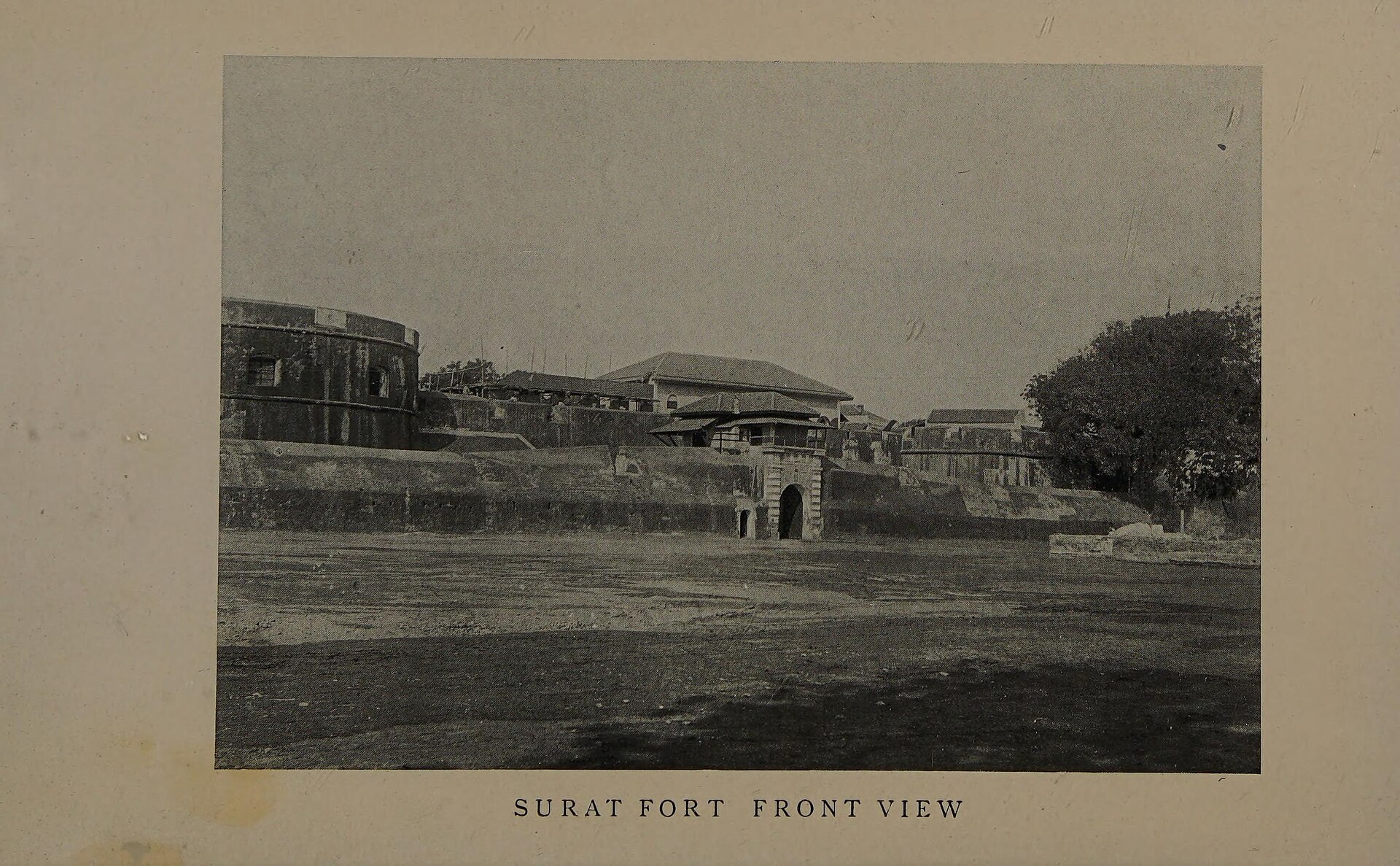
 Surat, India
A fast-growing port city on the Tapi river: once the Mughal Empire's great harbour, now the world's diamond-cutting capital and India's silk-sari hub — and, for Gujaratis, the city where you eat best.
By the Tapi, near Chowk Bazaar
A 16th-century fort built to defend the city from Portuguese raids, restored and opened as a heritage site with exhibits on Surat's history.
Open in Google Maps (opens in a new tab)Katargam and near Kataragam Gate
Grand domed tombs of 17th- and 18th-century European traders, remnants of the days when Surat was the gateway to India.
Open in Google Maps (opens in a new tab)About 20 km south-west of the city
A dark-sand beach on the Arabian Sea, popular with families in the evening for snacks — especially hot bhajiyas and tomato bhajiya — and sea breezes.
Open in Google Maps (opens in a new tab)Sardar Patel Road (Athwa)
An old city museum of arts and crafts, coins and textiles of the region.
Open in Google Maps (opens in a new tab)City centre
Riverside walks and the restored Gopi Talav, a 16th-century lake, both busy in the evenings.
Open in Google Maps (opens in a new tab)Around Surat Castle
The crowded heart of old Surat, with old mosques, Parsi fire temples (closed to non-Parsis) and wooden houses in the lanes.
Open in Google Maps (opens in a new tab)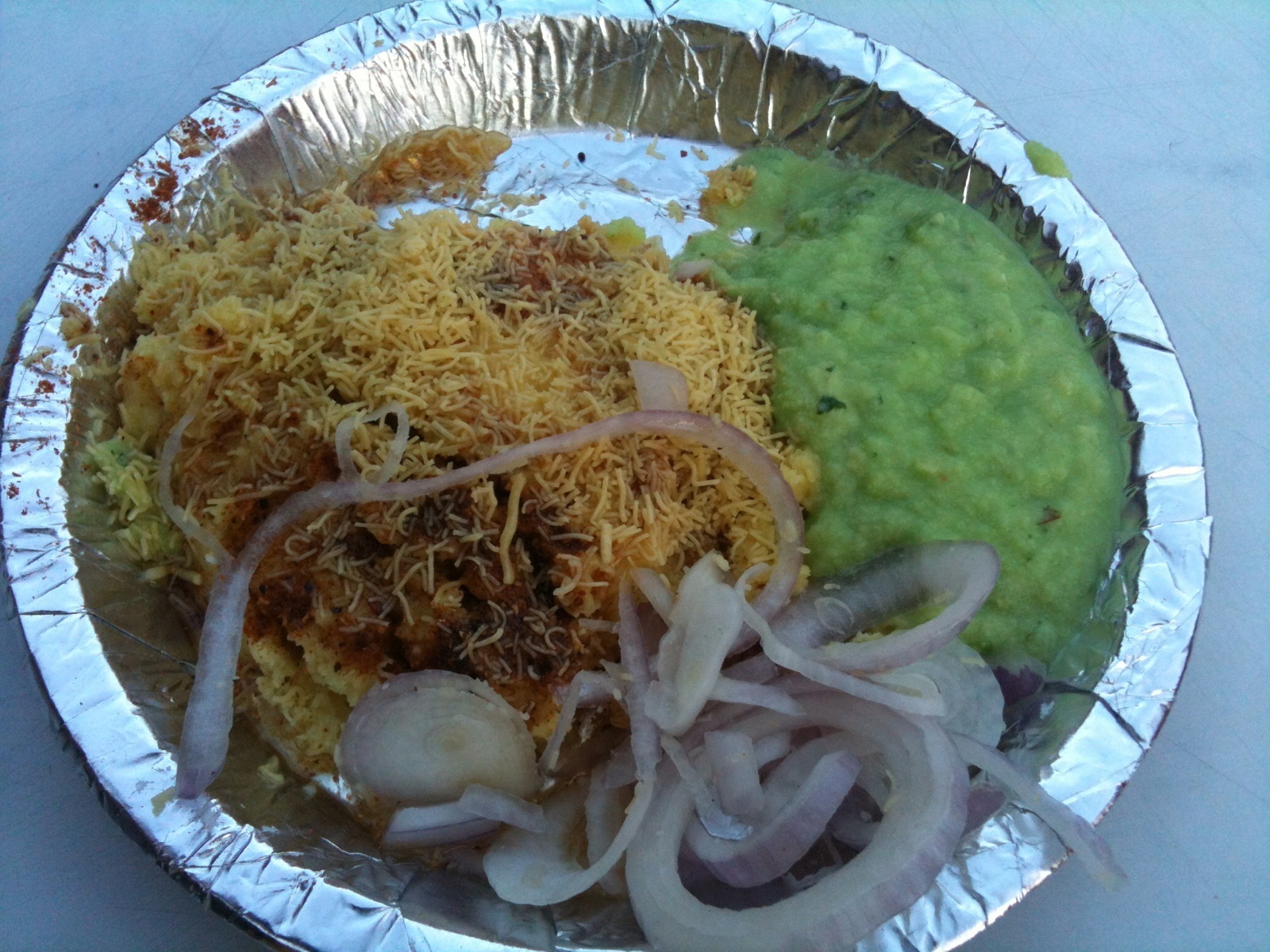
Surat, India
Surat's breakfast: a soft, crumbly steamed gram-flour batter, broken up on the plate and topped with oil or butter, spice mix, sev, onion and green chutney. Eaten from street stalls in the morning.
Surat, India
Surat, India
A rich Surat sweet of puri dough filled with mawa (milk solids), dry fruit and ghee. Eaten in huge quantities on Chandi Padvo, the day after Sharad Purnima in autumn.
Surat, India
Surat, India
Old city
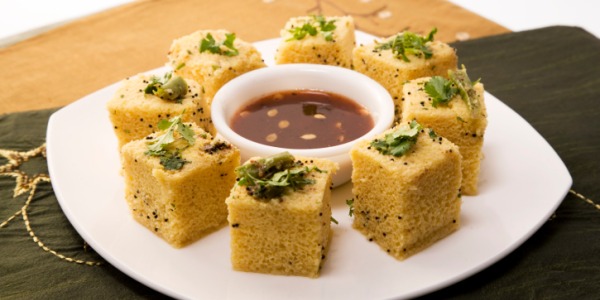
Locho, khaman, sweets and ghari from long-established shops.
Open in Google Maps (opens in a new tab)South-west Surat
Street-food lanes and family restaurants serving Surti snacks, thalis and modern cafés.
Open in Google Maps (opens in a new tab)Surat, India
The upmarket side of the city, with business hotels, restaurants and the road to Dumas.
Open in Google Maps (opens in a new tab)Surat, India
Many budget and mid-range hotels close to trains and the old city.
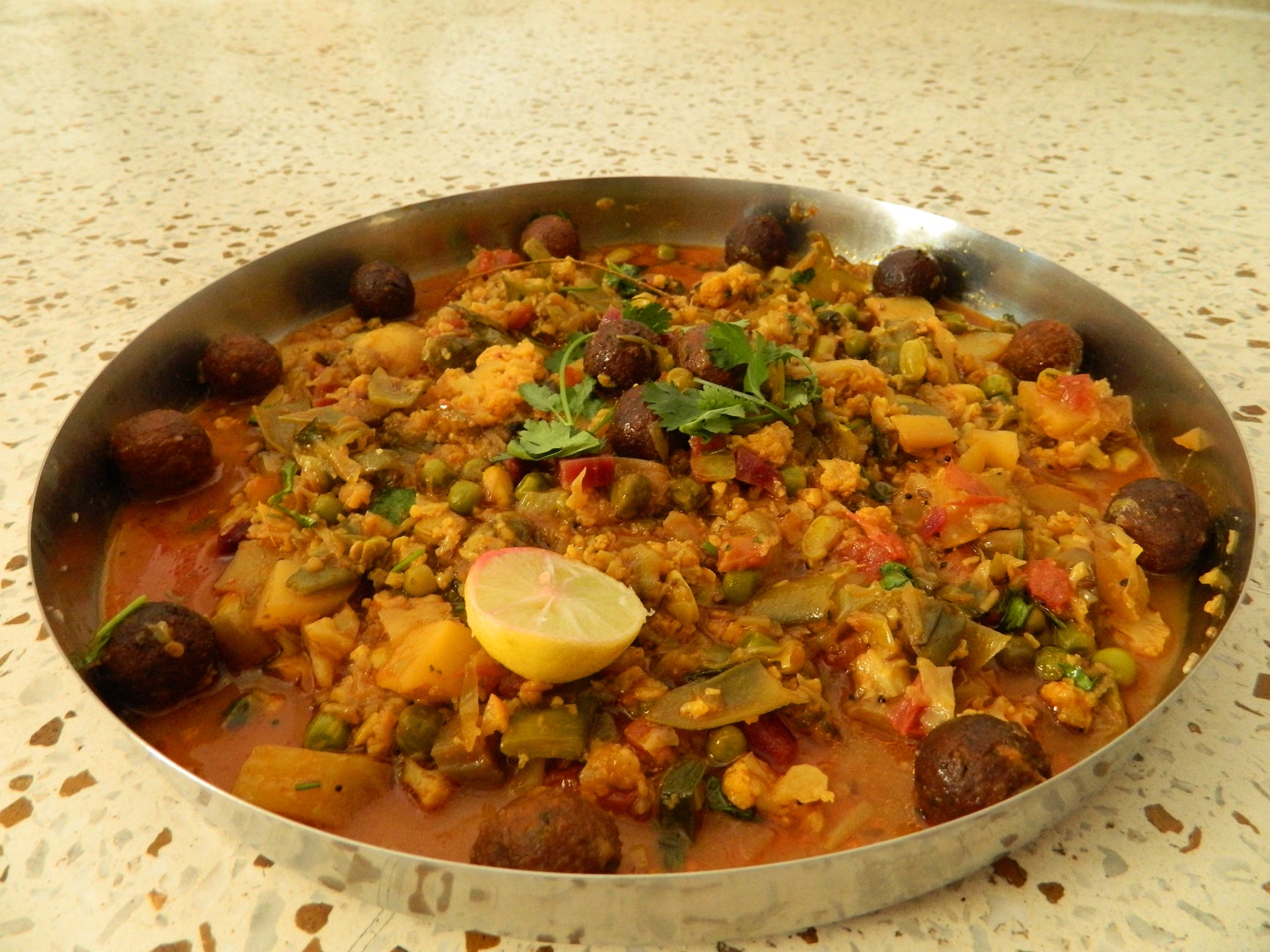
Open in Google Maps (opens in a new tab)Surat is a working city of traders, weavers and diamond polishers, with communities from all over India. Its people are known across Gujarat for their love of food — there is a saying that you should "eat in Surat" — and for festivals such as Chandi Padvo, when families eat ghari and bhusu on moonlit terraces.
The city keeps Parsi, Bohra and old merchant traditions alive in its old quarters, and its zari and silk work reaches every wedding in India.
Surat rose in the 16th century as a port on the Tapi river near the Arabian Sea. Under the Mughals it was their main harbour, the departure point for pilgrims sailing to Mecca, and one of the richest trading cities in the world.
European traders followed: the English East India Company set up its first trading factory in India here in the early 17th century, and the Dutch, French and Portuguese came too. The city was raided by Shivaji in 1664 and 1670, and as Bombay grew under the British, Surat's trade slowly moved south.
In the 20th century Surat reinvented itself through textiles — synthetic and silk saris and zari (metal thread) work — and diamond cutting and polishing, which now employs huge numbers of workers. Today it is one of India's fastest-growing cities.
From a street stall in the old city.
The fort, then the lanes of Chowk Bazaar.
The Dutch and English tombs.
Hot bhajiyas by the sea, then dinner at a thali restaurant.
November to February for mild weather and winter specialities like undhiyu and ponk. The monsoon (June–September) is heavy.
By air: Surat International Airport (STV) has flights from many Indian cities and some international routes. Mumbai (BOM) and Ahmedabad (AMD) have far more connections.
By train: Surat railway station is on the busy Mumbai–Ahmedabad–Delhi main line, with frequent fast trains to Mumbai (about 3–4 hours) and Ahmedabad.
By road: National Highway 48 links Surat with Mumbai and Ahmedabad; buses run frequently.