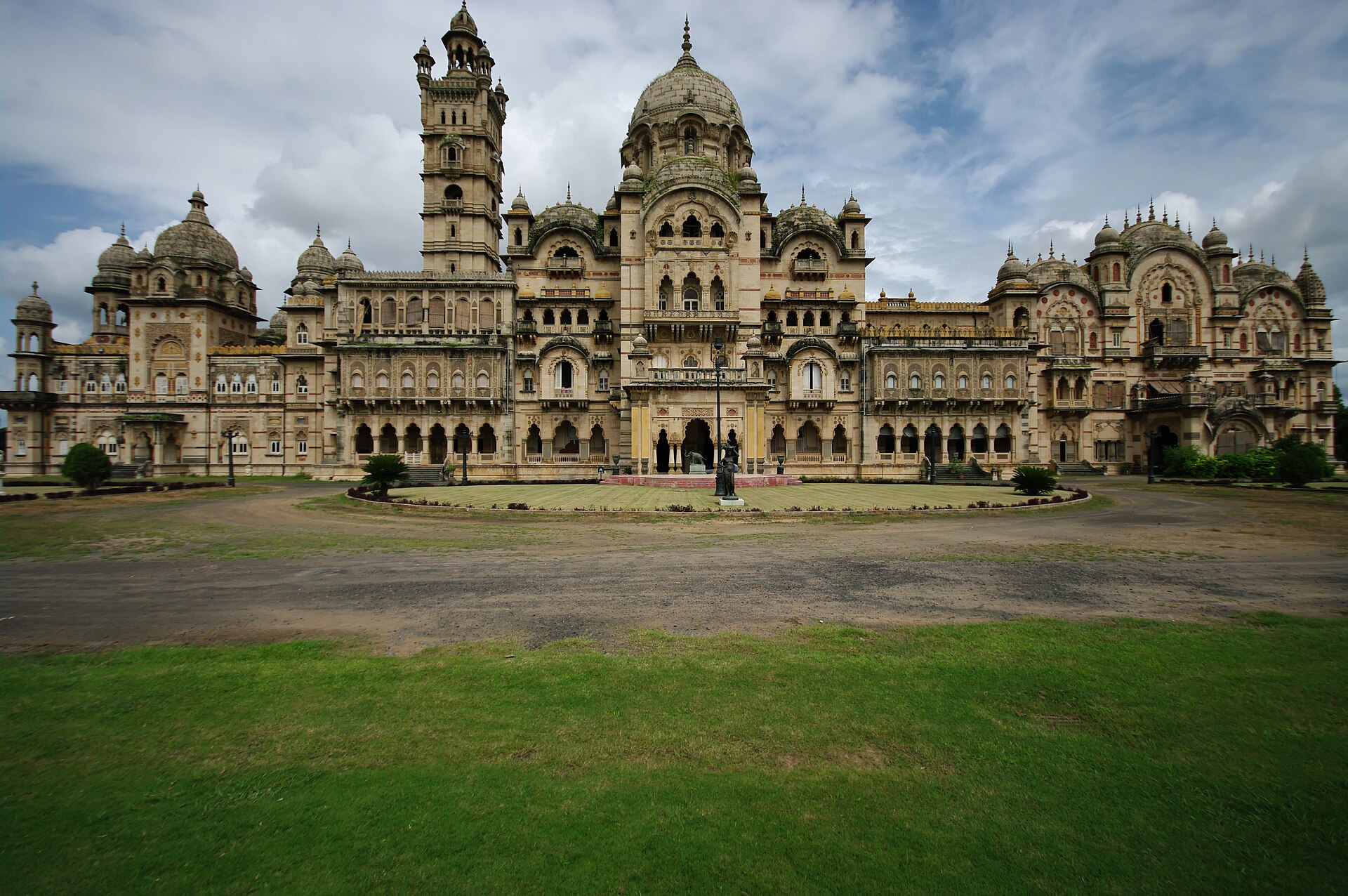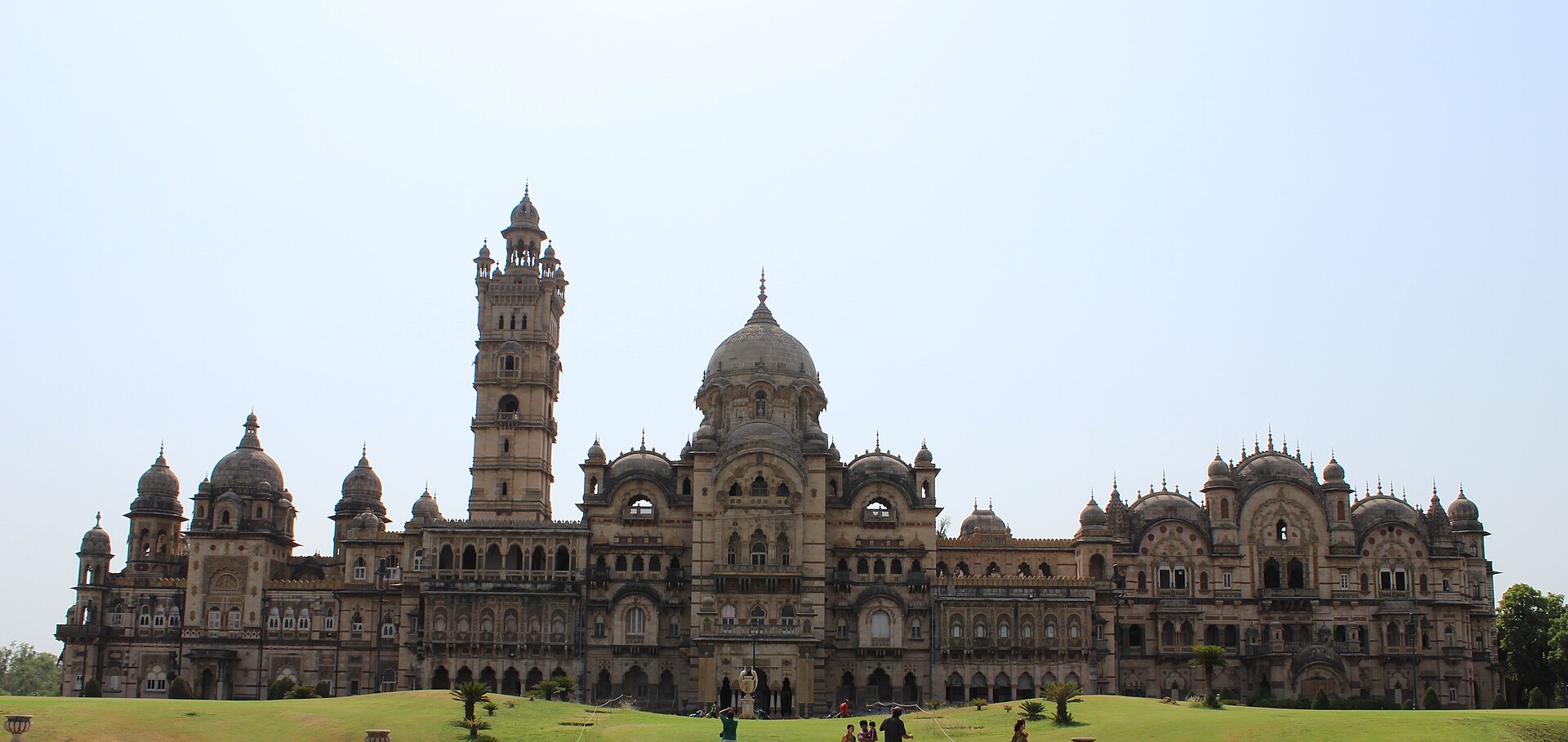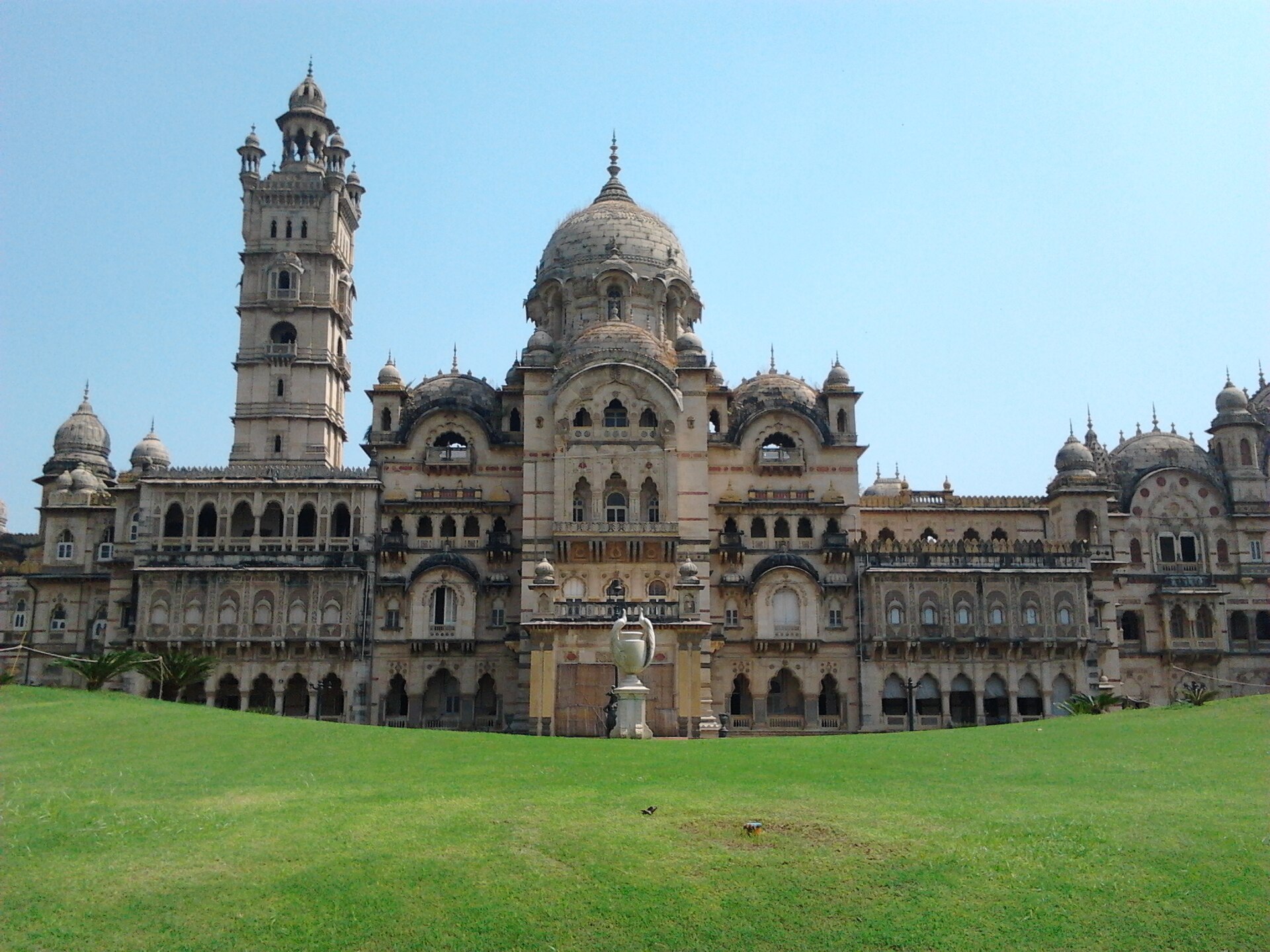
Laxmi Vilas Palace
South of the centre
 Vadodara (Baroda), India
The former capital of the Gaekwad maharajas: the vast Laxmi Vilas Palace, fine museums, the gardens of Sayaji Baug, Gujarat's most famous Navratri, and the base for Champaner-Pavagadh and the Statue of Unity.
South of the centre
Sayaji Baug
A museum founded by Sayajirao III with sculpture, coins, natural history and a picture gallery of European and Indian paintings.
Open in Google Maps (opens in a new tab)City centre
A large park on the river with the museum, a zoo, a planetarium and a toy train; full of families in the evening.
Open in Google Maps (opens in a new tab)EME cantonment
A modern Shiva temple covered in aluminium sheets, built by the army engineers and unlike any other in India.
Open in Google Maps (opens in a new tab)About 50 km north-east
How to get there: By taxi or bus, about 1.5 hours.
Ekta Nagar (Kevadia), about 90 km south-east
How to get there: By taxi or bus (around 2 hours); Ekta Nagar also has a railway station.
City centre
A grand Indo-Saracenic building of the Gaekwad era, formerly the district court.
Open in Google Maps (opens in a new tab)Near the Vishwamitri river
The memorial of the Gaekwad family, with murals by the artist Nandalal Bose.
Open in Google Maps (opens in a new tab)Vadodara (Baroda), India
Vadodara's favourite street dish: a spicy curry of white peas topped with sev, onion and lemon, eaten with pav (bread rolls). Busy stalls serve it from morning to evening.
Vadodara (Baroda), India
Vadodara (Baroda), India
Vadodara (Baroda), India
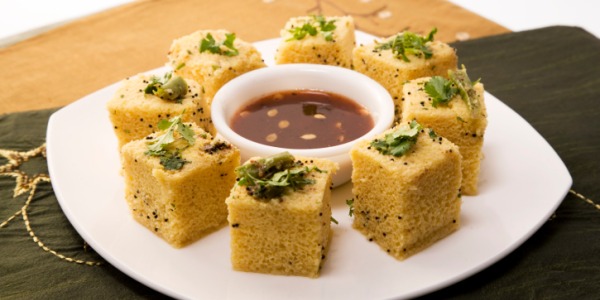
Crunchy strips of fried gram-flour dough served with papaya relish, fried green chillies and hot, syrupy jalebi. The classic Gujarati Sunday breakfast, and eaten by the plateful on Dussehra.
Around the Mandvi gate
Sev usal, farsan shops and old sweet shops in the busy old market.
Open in Google Maps (opens in a new tab)West Vadodara
Restaurants, thali houses and cafés in the city's main shopping district.
Open in Google Maps (opens in a new tab)Vadodara (Baroda), India
Central, close to the station, with the widest choice of hotels and restaurants.
Open in Google Maps (opens in a new tab)Vadodara (Baroda), India
Hotels and tent cities near the Statue of Unity for those who want to stay overnight there.
Open in Google Maps (opens in a new tab)Vadodara calls itself the Sanskari Nagari, the cultured city, thanks to the Gaekwads' support for music, art and education. Its Navratri is famous across India, with thousands of dancers moving in circles to live music until late at night.
The Faculty of Fine Arts has trained many of India's best-known artists, and the city's galleries and museums reflect that. Daily life is easy-going, with old markets around Mandvi and Nyay Mandir and evening walks in Sayaji Baug.
Vadodara, long known as Baroda, grew on the banks of the Vishwamitri river. In the 18th century the Gaekwad dynasty of the Marathas took it and made it the capital of one of India's largest princely states.
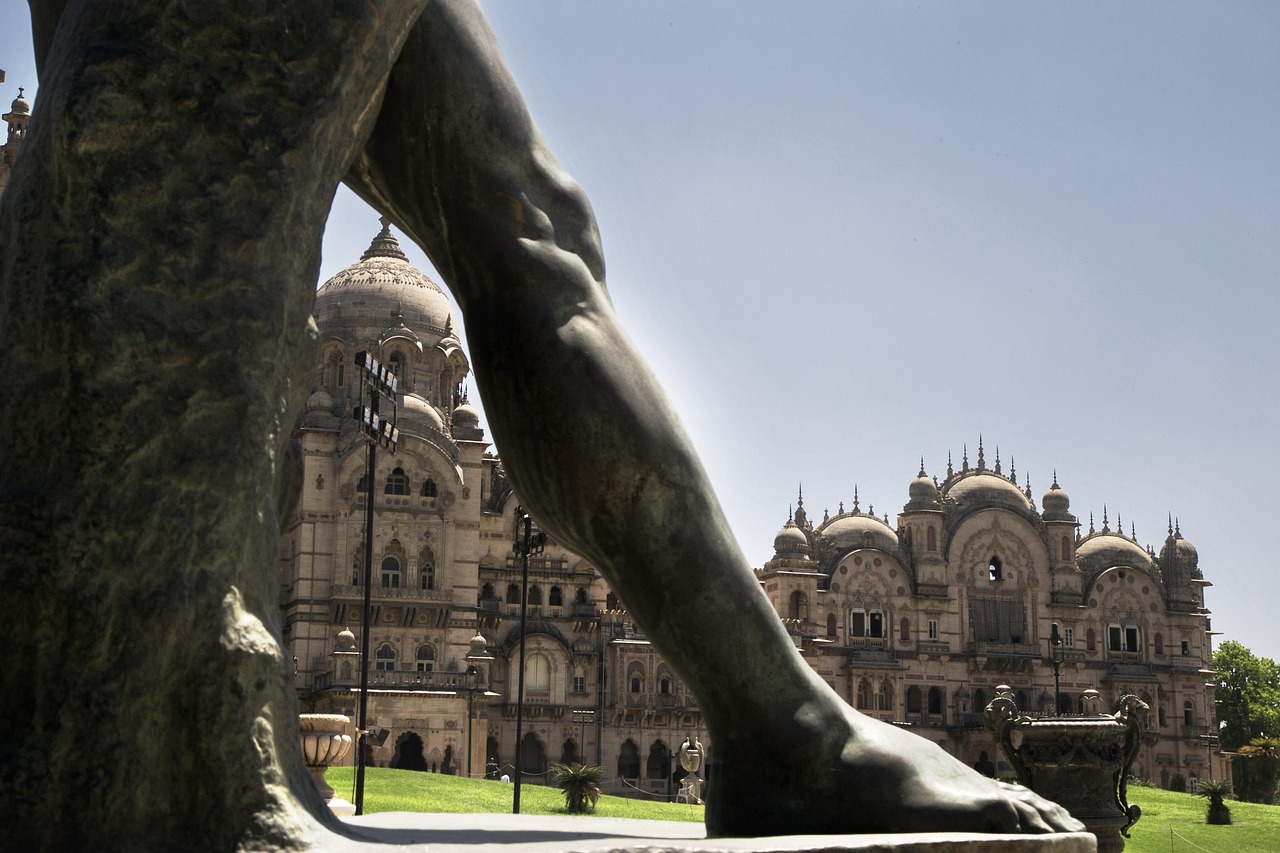
Its golden age came under Maharaja Sayajirao Gaekwad III (ruled 1875–1939), a reformer who introduced free primary education, built libraries, a railway, the university and the museum, and commissioned the Laxmi Vilas Palace, completed in 1890. He also supported the education of Dr B. R. Ambedkar.
Baroda joined India in 1949. The Maharaja Sayajirao University, with its celebrated Faculty of Fine Arts, keeps the city a centre of art and learning.
Laxmi Vilas Palace and the Fateh Singh Museum in the morning, the Baroda Museum and Sayaji Baug in the afternoon, sev usal for dinner.
Drive to Champaner for the mosques and walls, then the ropeway up Pavagadh to the Kalika Mata temple.
October to March. Navratri (September or October) is the highlight, with huge garba grounds. Summers are hot; the monsoon is heavy.
By air: Vadodara Airport (BDQ) has domestic flights from Delhi, Mumbai and other cities. Ahmedabad (AMD), about 110 km away, has more connections.
By train: Vadodara Junction is a major station on the Mumbai–Delhi and Mumbai–Ahmedabad lines.
By road: the Ahmedabad–Vadodara Expressway links the two cities in under two hours; highways run to Mumbai and to the Statue of Unity.