RK Beach (Ramakrishna Beach)
Beach Road, central Vizag
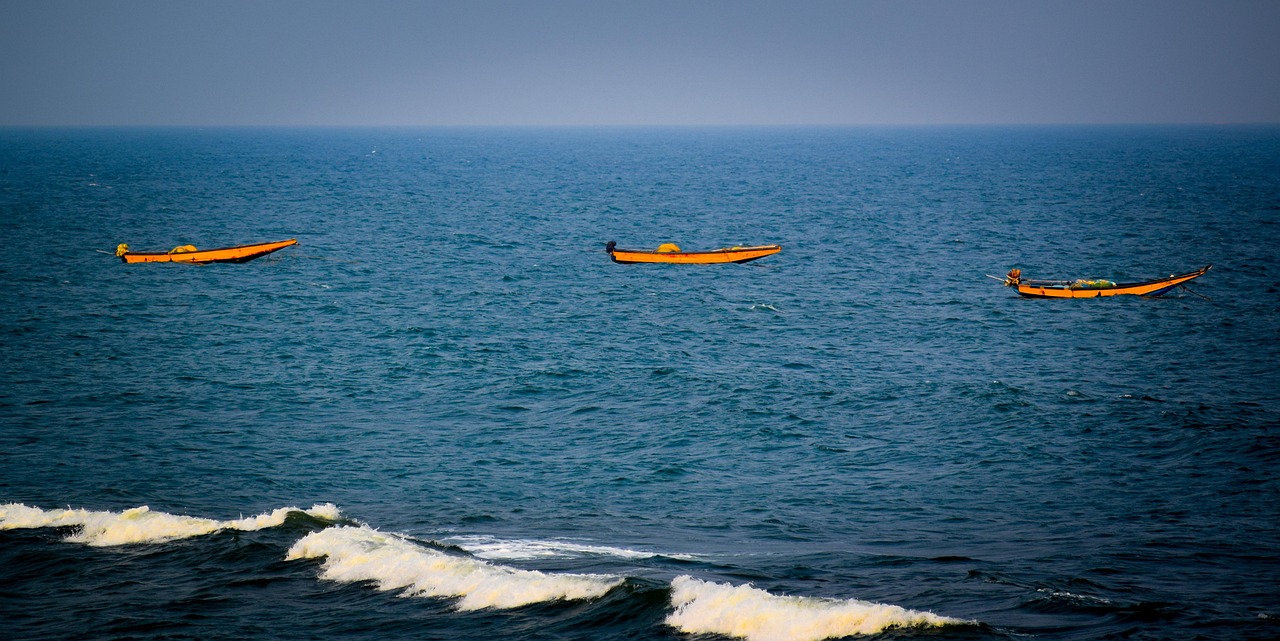
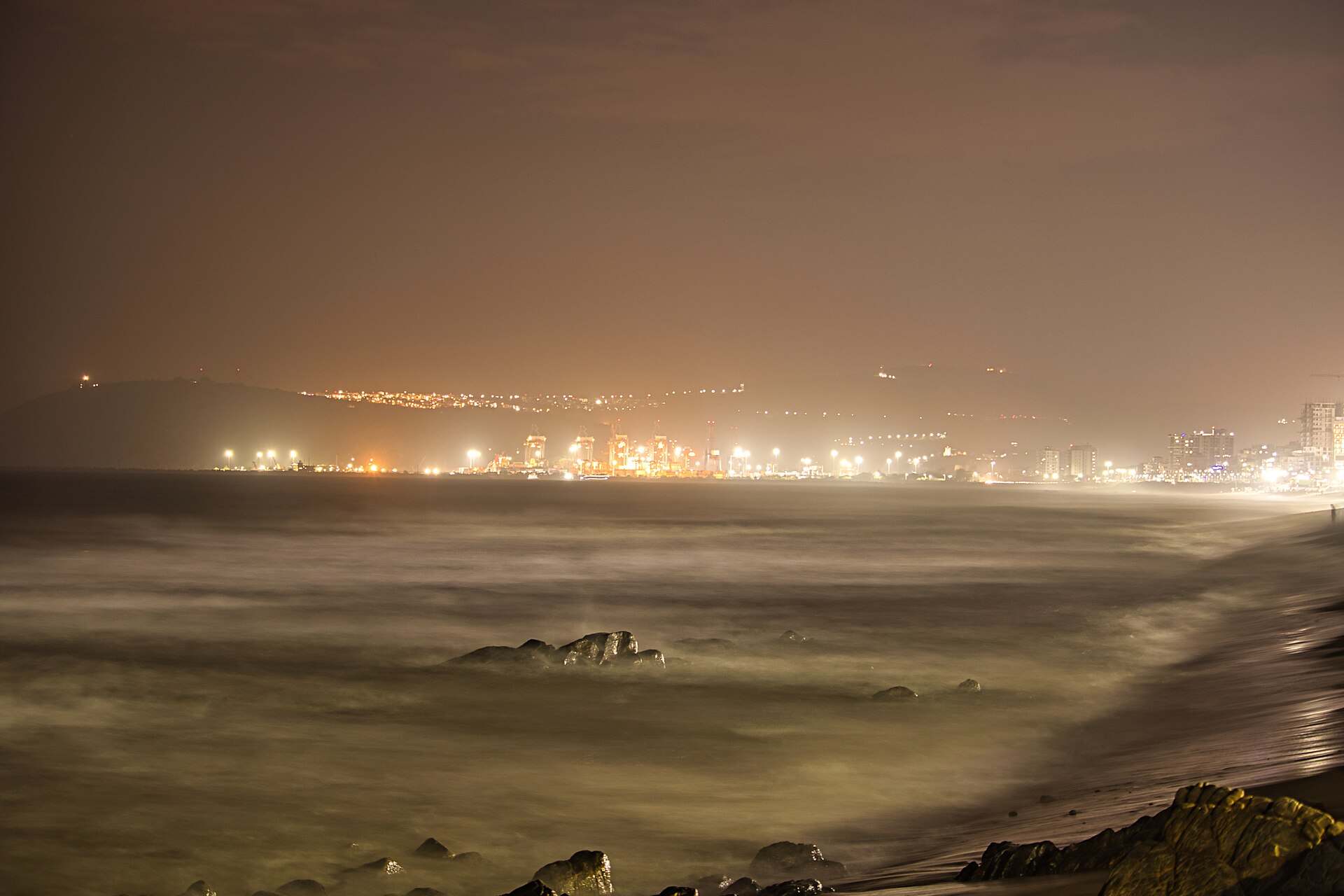
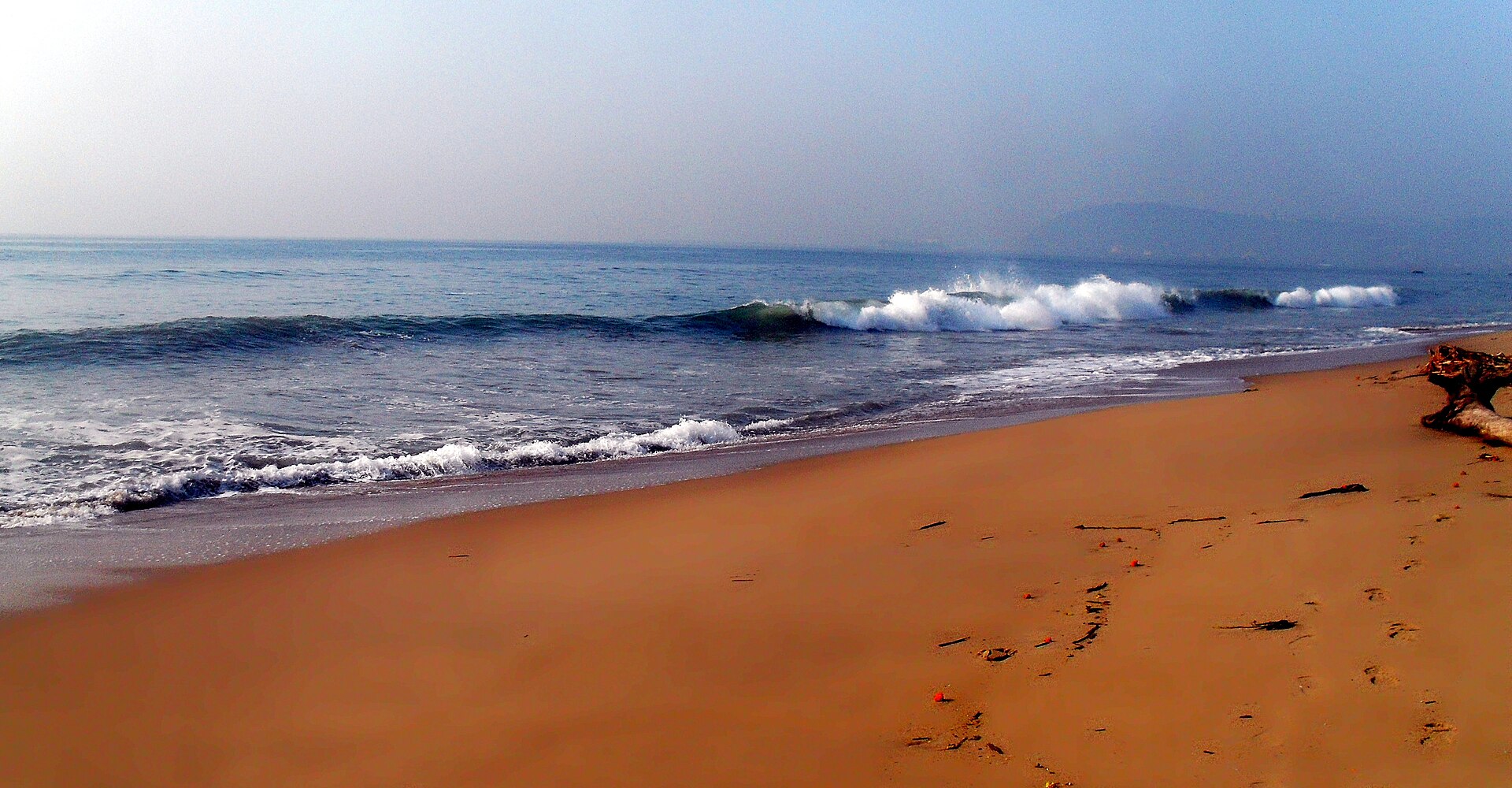
The city's main beach and promenade, busy at sunrise and in the evening, with the Victory at Sea war memorial and museums along it.
Open in Google Maps (opens in a new tab)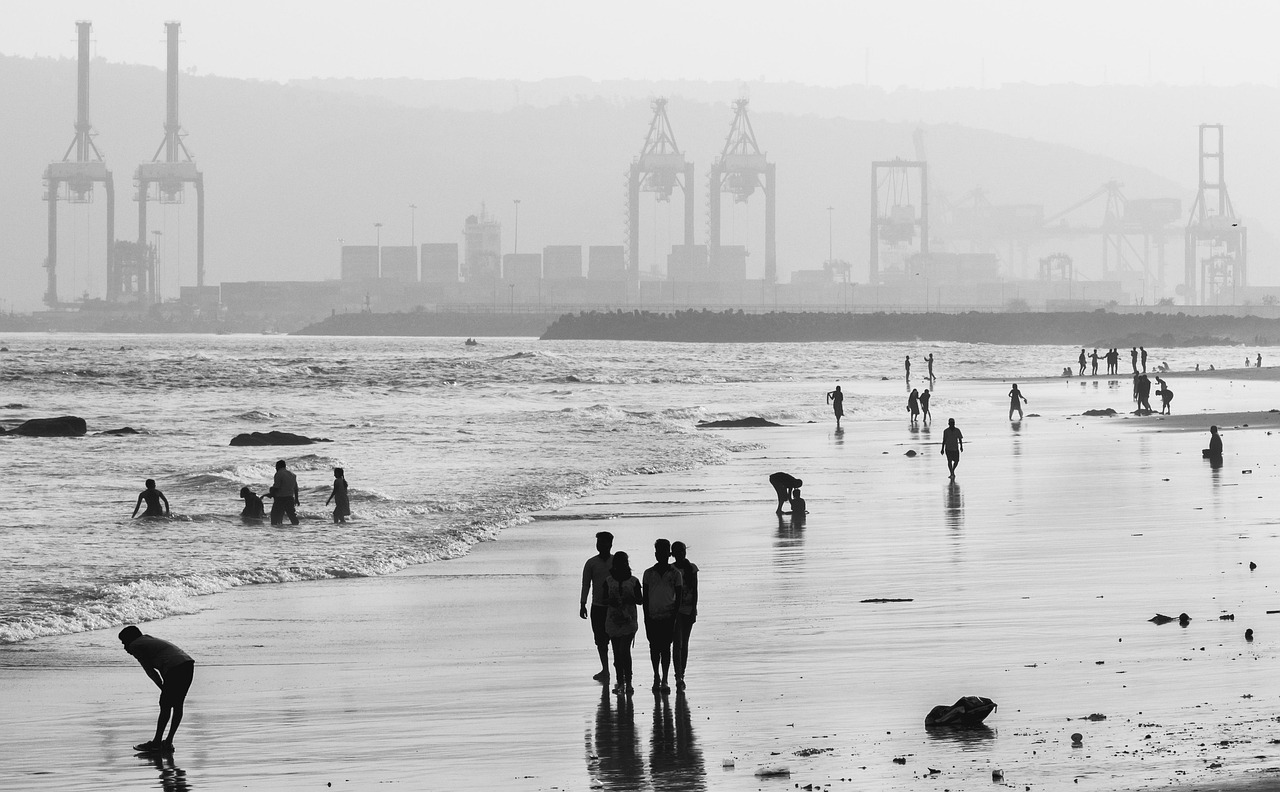
 Visakhapatnam (Vizag), India
Andhra Pradesh's largest city, a port and navy town wrapped around a bay between green hills: long beaches, a real submarine you can walk through, ancient Buddhist hilltop sites, and the scenic railway up to Araku Valley and the Borra Caves.
Beach Road, central Vizag
The city's main beach and promenade, busy at sunrise and in the evening, with the Victory at Sea war memorial and museums along it.
Open in Google Maps (opens in a new tab)Beach Road, RK Beach
A retired Indian Navy submarine set on the beach, which visitors walk through with guides explaining life on board. The TU-142 aircraft museum stands across the road.
Open in Google Maps (opens in a new tab)Hilltop park north of RK Beach
A hilltop park with large Shiva and Parvati statues, a ropeway and a toy train, and wide views over the bay and the coast.
Open in Google Maps (opens in a new tab)About 10 km north along Beach Road
A golden beach in a curve of green hills, one of the better beaches near the city for a swim in calm weather.
Open in Google Maps (opens in a new tab)Simhachalam hill, about 15 km north-west
A hilltop temple of Varaha Lakshmi Narasimha, with fine carved stone of the Eastern Ganga period.
Open in Google Maps (opens in a new tab)Hills off Beach Road towards Bheemunipatnam
Excavated remains of ancient Buddhist monasteries, stupas and rock-cut water cisterns on hilltops above the sea.
Open in Google Maps (opens in a new tab)Eastern Ghats, about 110 km north
How to get there: By the Kirandul line train or by road over the ghats.
Visakhapatnam (Vizag), India
Spicy prawn and fish curries soured with tamarind or gongura, crab masala and fried fish along the coast from Visakhapatnam to the Godavari and Krishna deltas.
Visakhapatnam (Vizag), India
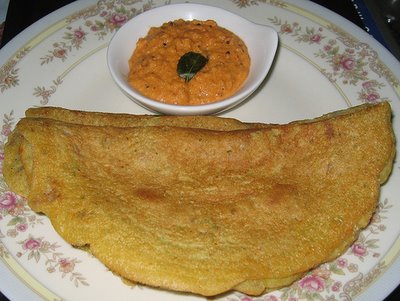
Visakhapatnam (Vizag), India
A crepe of ground green moong, often filled with upma (as MLA pesarattu) and served with ginger chutney. A typical Andhra breakfast.
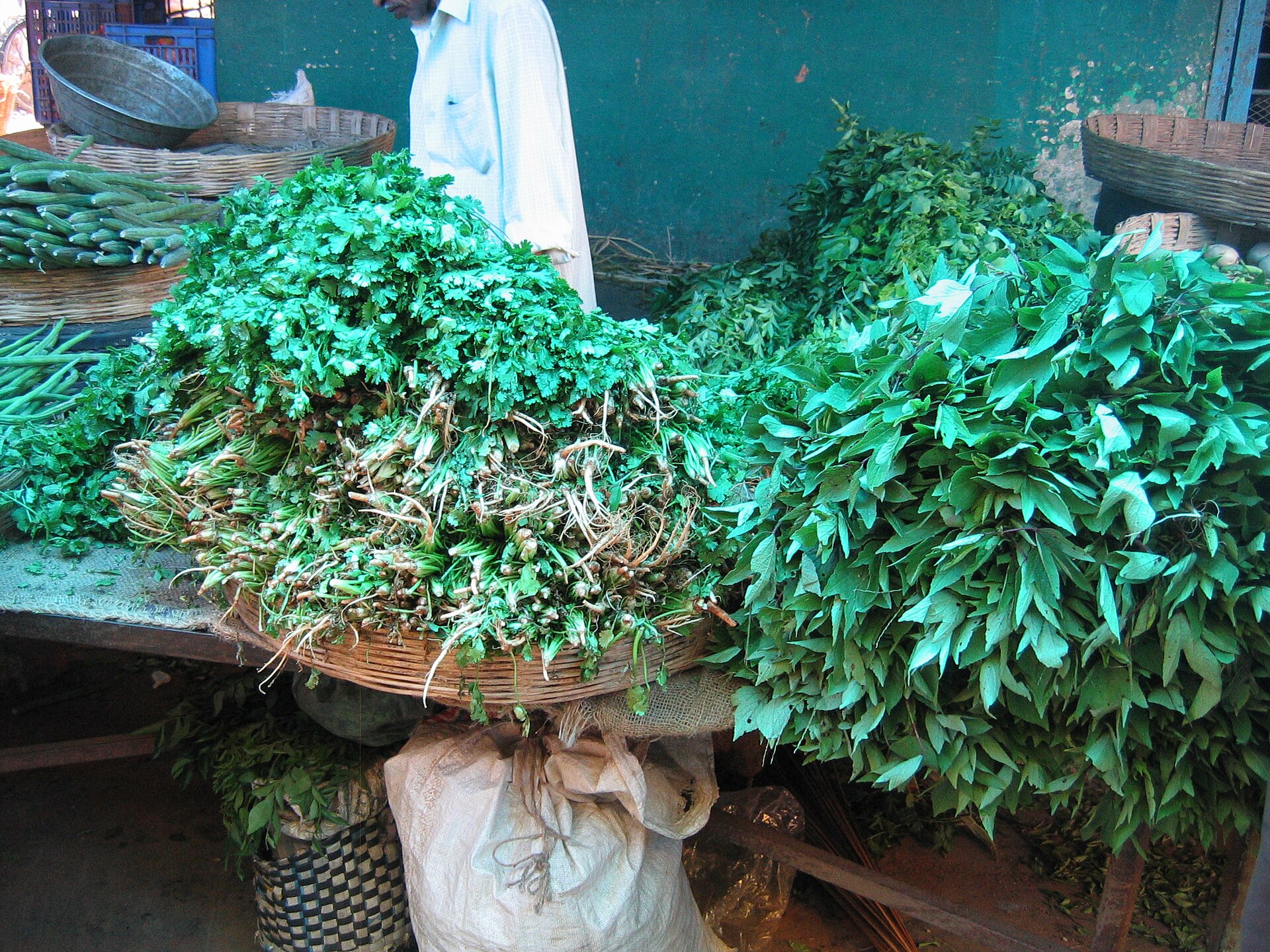
Visakhapatnam (Vizag), India
Sour sorrel leaves (gongura) cooked into a pickle, or with mutton or prawns. A taste closely tied to Andhra Pradesh and Telangana.
Central Vizag
Seafood restaurants, cafés and evening snack stalls along the coast.
Open in Google Maps (opens in a new tab)City centre
The busy shopping area, with Andhra meals restaurants, tiffin centres and sweet shops.
Open in Google Maps (opens in a new tab)Visakhapatnam (Vizag), India
Hotels with sea views between RK Beach and Rushikonda.
Open in Google Maps (opens in a new tab)Visakhapatnam (Vizag), India
Central, practical business and budget hotels.
Open in Google Maps (opens in a new tab)Visakhapatnam (Vizag), India
Resorts and cottages in the hills for an overnight stay.
Open in Google Maps (opens in a new tab)Vizag is a navy and port city with a relaxed seaside life: evening walks on Beach Road, festivals on the sands and seafood stalls. The Simhachalam temple's Chandanotsavam festival in April–May, when the deity's sandalwood covering is removed for one day, draws huge crowds. The Araku Valley is home to Adivasi (tribal) communities whose Dhimsa dance is often performed for visitors; Araku is also known for its coffee.
The coast around Visakhapatnam was a meeting point of trade and religion two thousand years ago: the hills of Thotlakonda, Bavikonda and Pavurallakonda hold the remains of Buddhist monasteries from around the 3rd century BCE to the 3rd century CE, linked to the sea trade with South-East Asia and Sri Lanka.
The town later came under the Eastern Gangas and the Gajapatis of Odisha and the Qutb Shahis of Golconda. The Dutch and then the British set up trading posts here in the 17th century. In the 20th century the deep natural harbour was developed into a major port, and the city became the headquarters of the Indian Navy's Eastern Naval Command. Steel, shipbuilding and industry followed.
The submarine and aircraft museums, Kailasagiri by ropeway, and sunset on RK Beach.
The morning train up the Kirandul line, the coffee museum and tribal museum in Araku, overnight in the hills.
The Borra Caves on the drive down, then Simhachalam or the Buddhist hilltop sites near the city.
October to March, when it is warm and dry. Summers are hot and humid; the monsoon months and October–November can bring cyclones to this coast.
By air: Visakhapatnam International Airport (VTZ), about 12 km west of the city, has flights to the main Indian cities and a few international routes. A new airport is being built at Bhogapuram, north of the city — check which airport your flight uses.
By train: Visakhapatnam Junction is on the main east coast line between Chennai and Howrah (Kolkata), with fast trains including Vande Bharat services to Secunderabad and other cities. The Kirandul line climbs to Araku Valley.
By road: buses from Vijayawada, Hyderabad, Odisha and across Andhra Pradesh. From Bangladesh, the usual route is a flight to Kolkata or Chennai and a train or flight on — check current schedules and visa rules.