Ceremony galleries
By the Indian gate
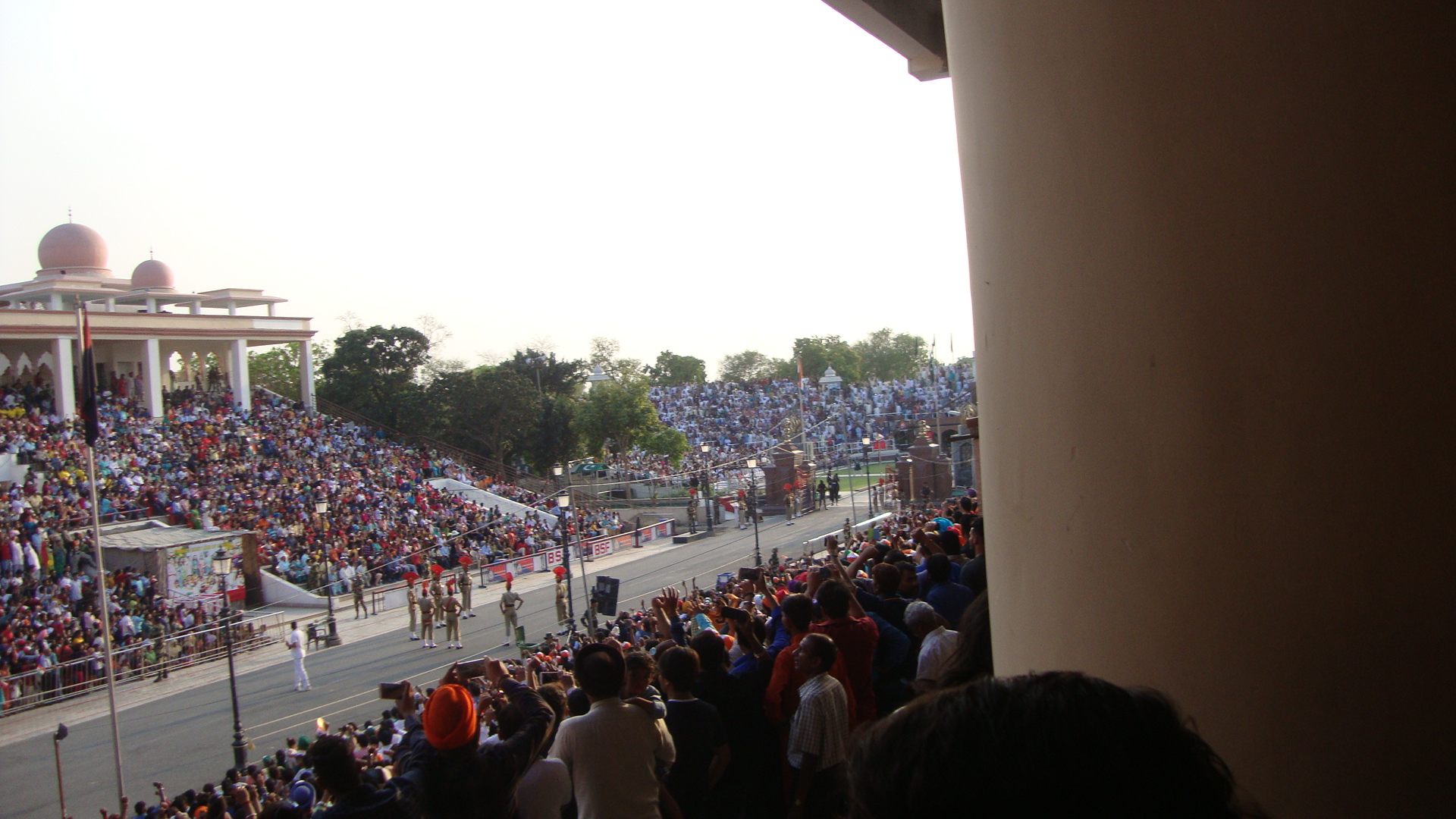
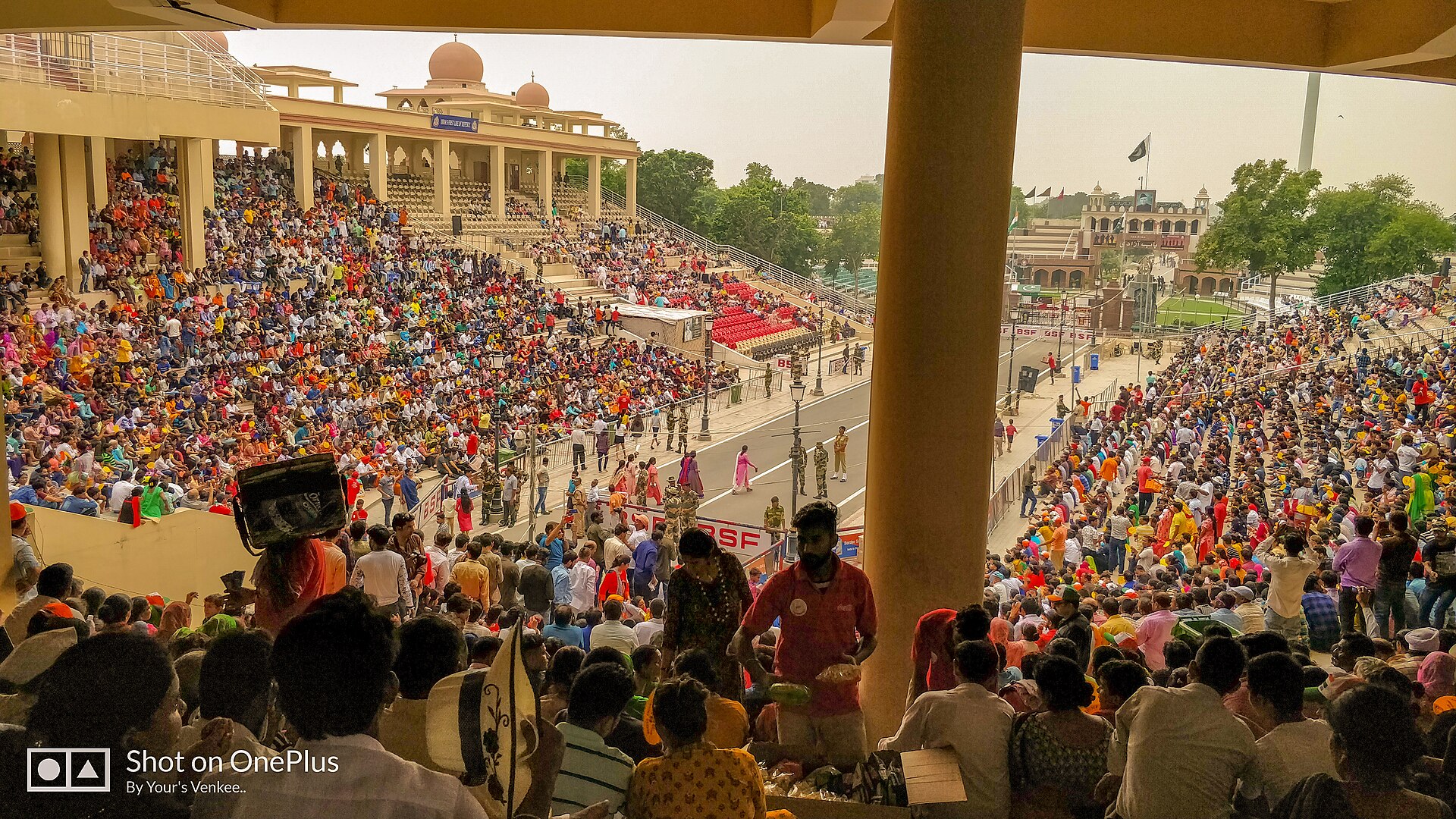
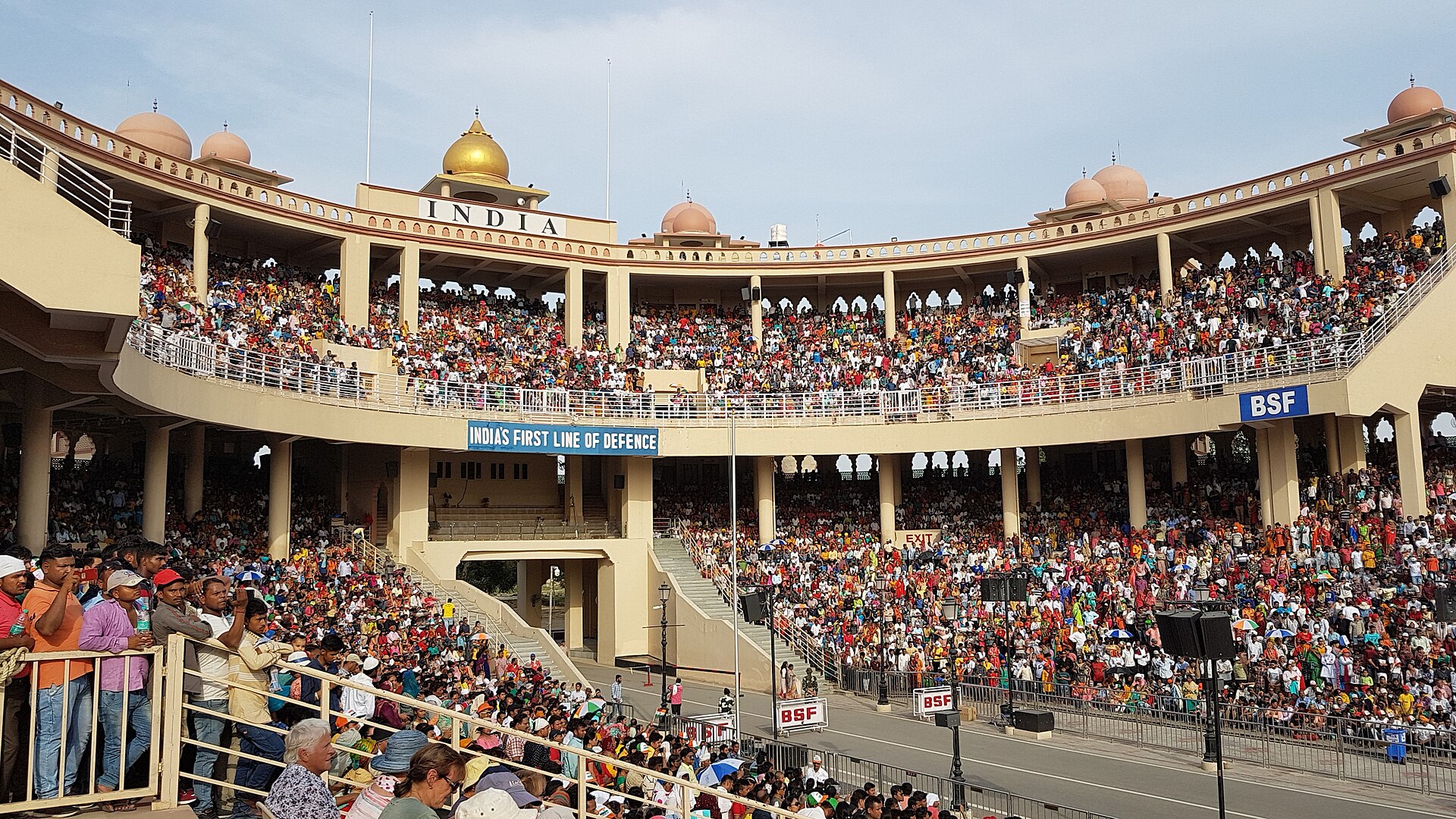
Tiered seating facing the gates, filled with cheering crowds.
Open in Google Maps (opens in a new tab)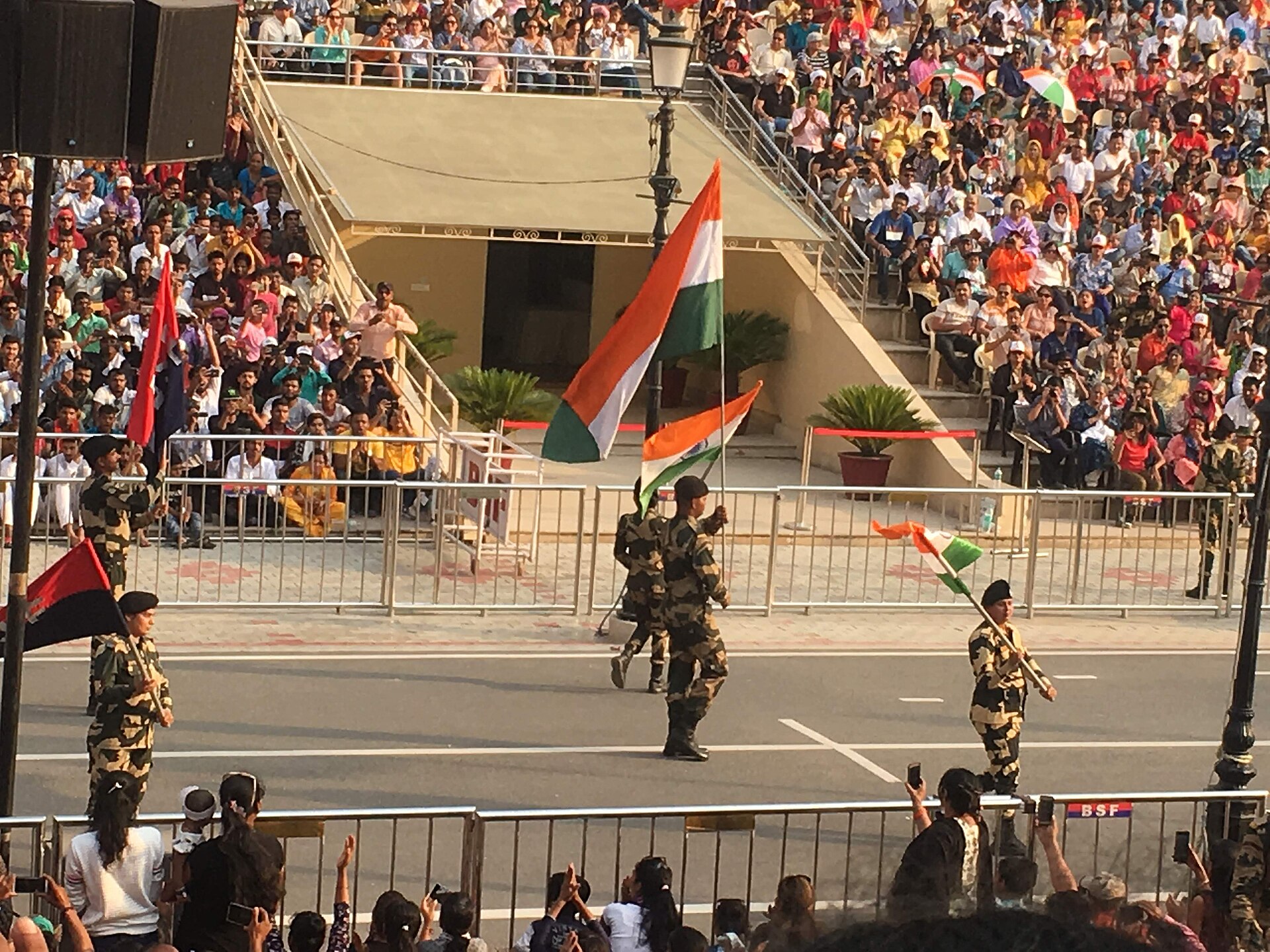
 Amritsar, India
Every evening at the Attari–Wagah crossing between India and Pakistan, border guards of both countries lower their flags in a loud, theatrical ceremony watched by cheering crowds on each side.
By the Indian gate
Tiered seating facing the gates, filled with cheering crowds.
Open in Google Maps (opens in a new tab)On the Grand Trunk Road
Where guards from both sides meet, salute and lower the flags at sunset.
Open in Google Maps (opens in a new tab)Near the border
The border village on the Indian side, with dhabas and tea stalls on the road.
Open in Google Maps (opens in a new tab)Amritsar, India
Pieces of river fish marinated in ajwain (carom seed), chilli and gram flour and deep-fried until crisp. Usually eaten as an evening snack with lemon and mint chutney.
Amritsar, India
A tall steel glass of thick churned yoghurt, sweet or salted, often topped with a slab of cream. In Amritsar it is almost a meal on its own.
Amritsar, India
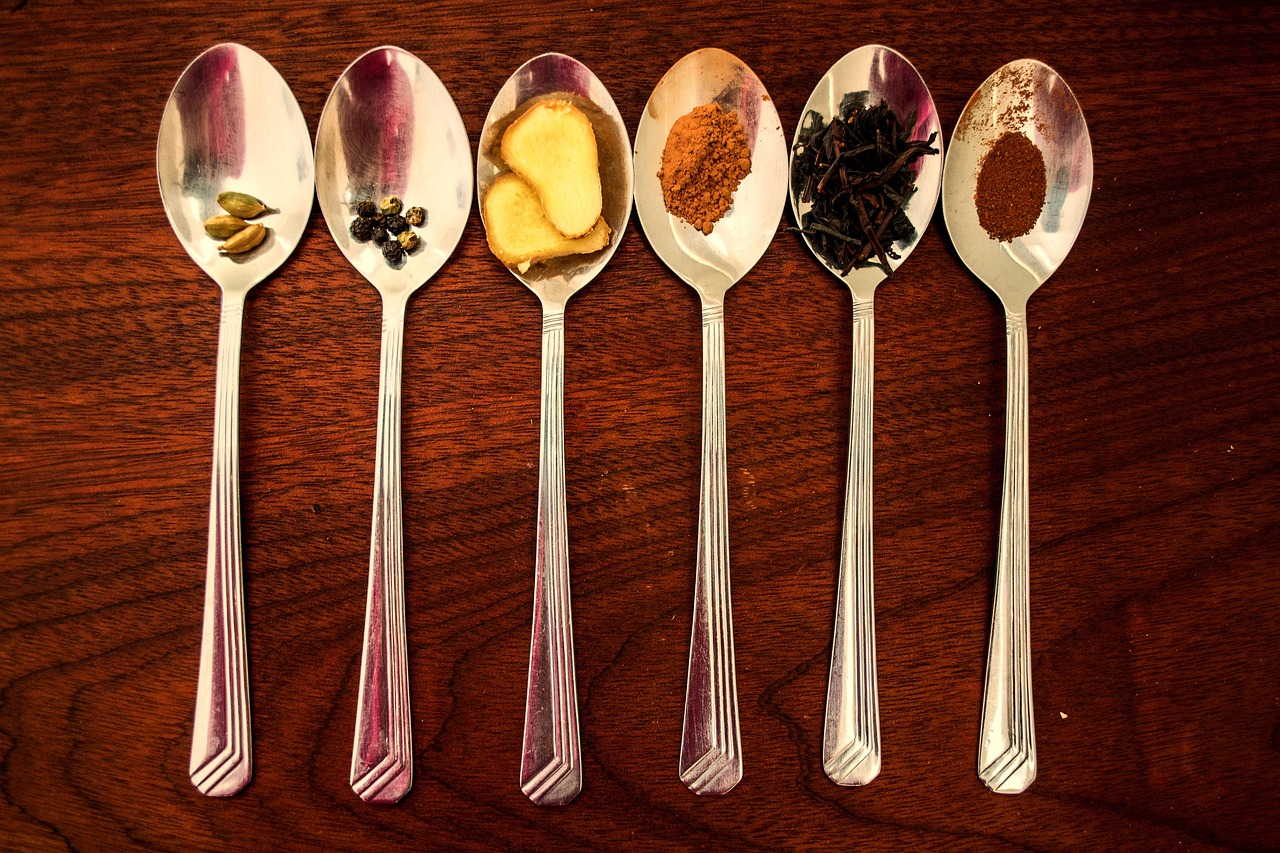
Black tea boiled with milk, sugar and spices such as ginger, cardamom and cloves, served in small glasses or clay cups at stalls all day long.
Outside the walled city
Busy evening food streets with Amritsari fish and chicken shops, tikka grills, sweet shops and modern restaurants.
Open in Google Maps (opens in a new tab)Lanes around Town Hall, Hall Bazaar and the Golden Temple
Old dhabas and kulcha bakeries serving Amritsari kulcha with chole from early morning, plus lassi shops and sweet sellers. Bharawan Da Dhaba near Town Hall is another long-established name.
Open in Google Maps (opens in a new tab)Amritsar, India
Modern hotels outside the walled city, with restaurants and shopping nearby, a short drive to the temple and on the way to the airport and Wagah.
Open in Google Maps (opens in a new tab)Amritsar, India
The atmosphere is loud and patriotic, with music, dancing and chanting before the ceremony begins. Enjoy the spectacle, but remember it is an active international border: follow the security staff, and do not photograph security installations outside the ceremony area. Amritsar is the spiritual centre of the Sikh faith, founded by the Sikh Gurus, and the warmth of Punjabi hospitality is famous — expect to be offered tea and food. Sewa (selfless service) is central to Sikh life: volunteers run the Golden Temple's kitchens, shoe counters and cleaning. The city's biggest days are Baisakhi (the harvest festival in April) and the Gurpurabs, the birth anniversaries of the Gurus, and Diwali, when the temple is lit up. Dress modestly and respect the religious rules in the walled city.
The border between India and Pakistan was drawn in 1947 at Partition, and the Grand Trunk Road between Amritsar and Lahore — about 50 km apart — was cut by it. The crossing is called Attari on the Indian side and Wagah on the Pakistani side.
The Beating Retreat ceremony has been held here daily since 1959. India's Border Security Force (BSF) and the Pakistan Rangers march, stamp and salute in mirror image, then lower the two national flags together at sunset and close the gates. It is a show of national pride, and also, in its precise coordination, a daily act of cooperation.
Drive out on the Grand Trunk Road.
Walk to the gallery and find a seat.
Music, marching and the lowering of the flags.
Back to the city for Amritsari fish.
Late afternoon, every day, before sunset. Timings shift with the seasons and the ceremony can be changed or suspended at short notice for security reasons — check before going.
The border is about 30 km west of Amritsar on the Grand Trunk Road, around 45 minutes to an hour by car. Hotels, taxis and shared jeeps run afternoon trips. The last stretch is on foot from the car park through security checks.
From the car park you walk to the gallery seating near the gate; plan for queues and security checks.