Nassif House
Souq Al-Alawi
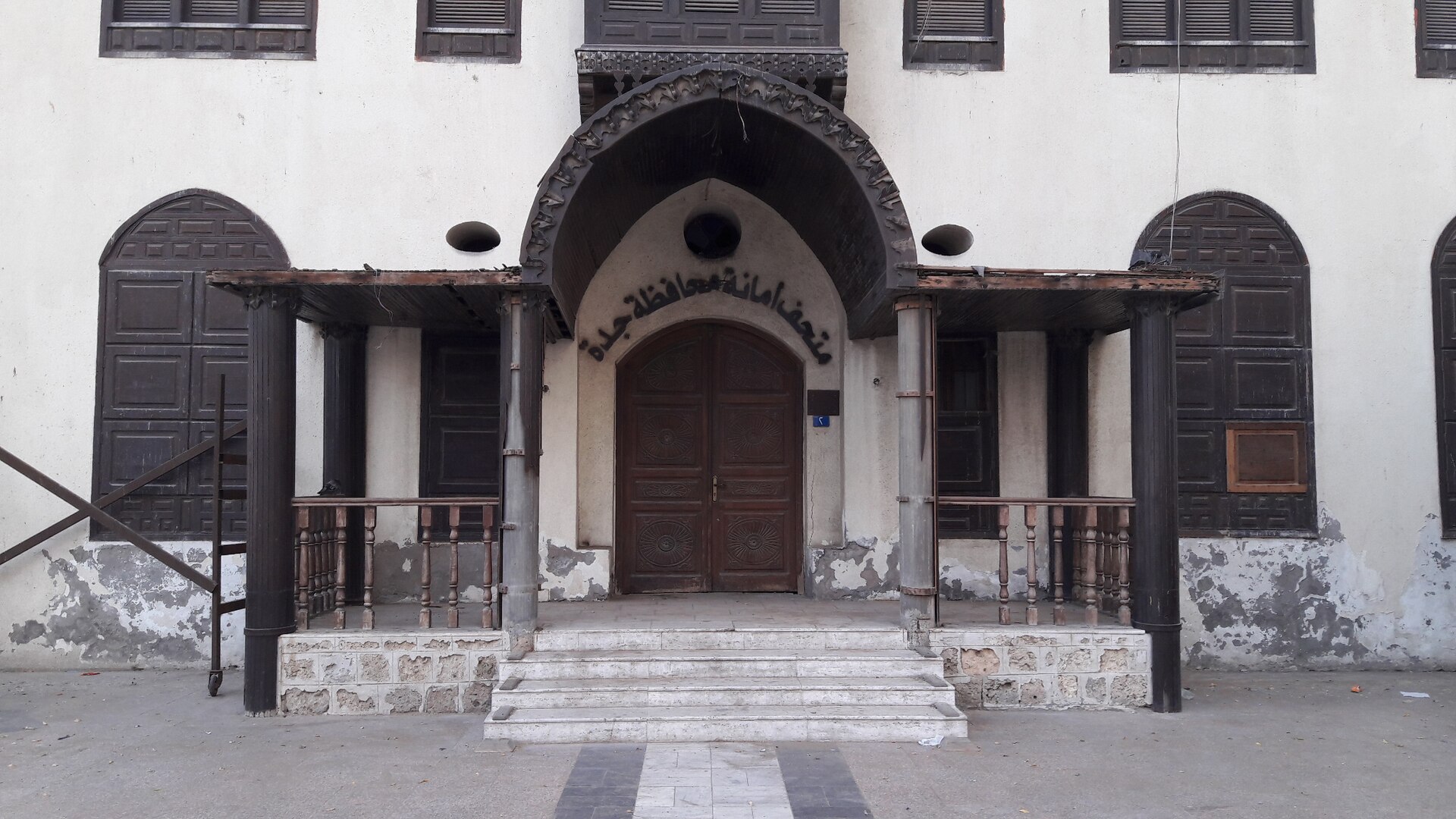
The best-known merchant house in the old town, now a museum (see its own page).
Open in Google Maps (opens in a new tab)
 Jeddah, Saudi Arabia
Jeddah's historic old town, a UNESCO World Heritage Site of tall coral-stone houses with carved wooden balconies, old mosques and busy souqs.
Souq Al-Alawi
The best-known merchant house in the old town, now a museum (see its own page).
Open in Google Maps (opens in a new tab)Main market street
The old market lane once walked by pilgrims heading to Makkah, lined with shops of spices, fabrics and perfumes.
Open in Google Maps (opens in a new tab)Mazloum quarter
One of the oldest mosques in Jeddah, with an old minaret, restored in recent years.
Open in Google Maps (opens in a new tab)Throughout the old town
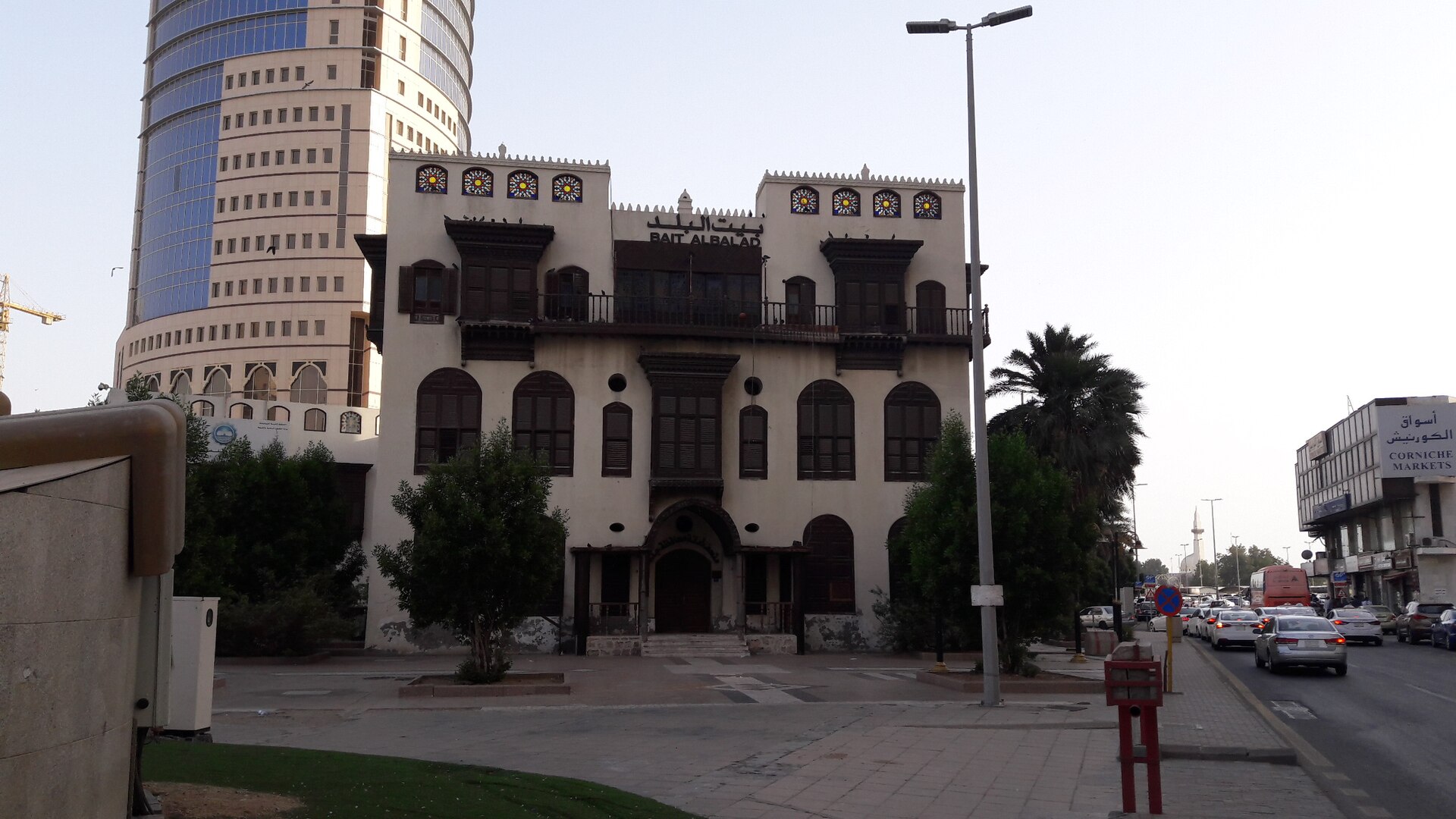
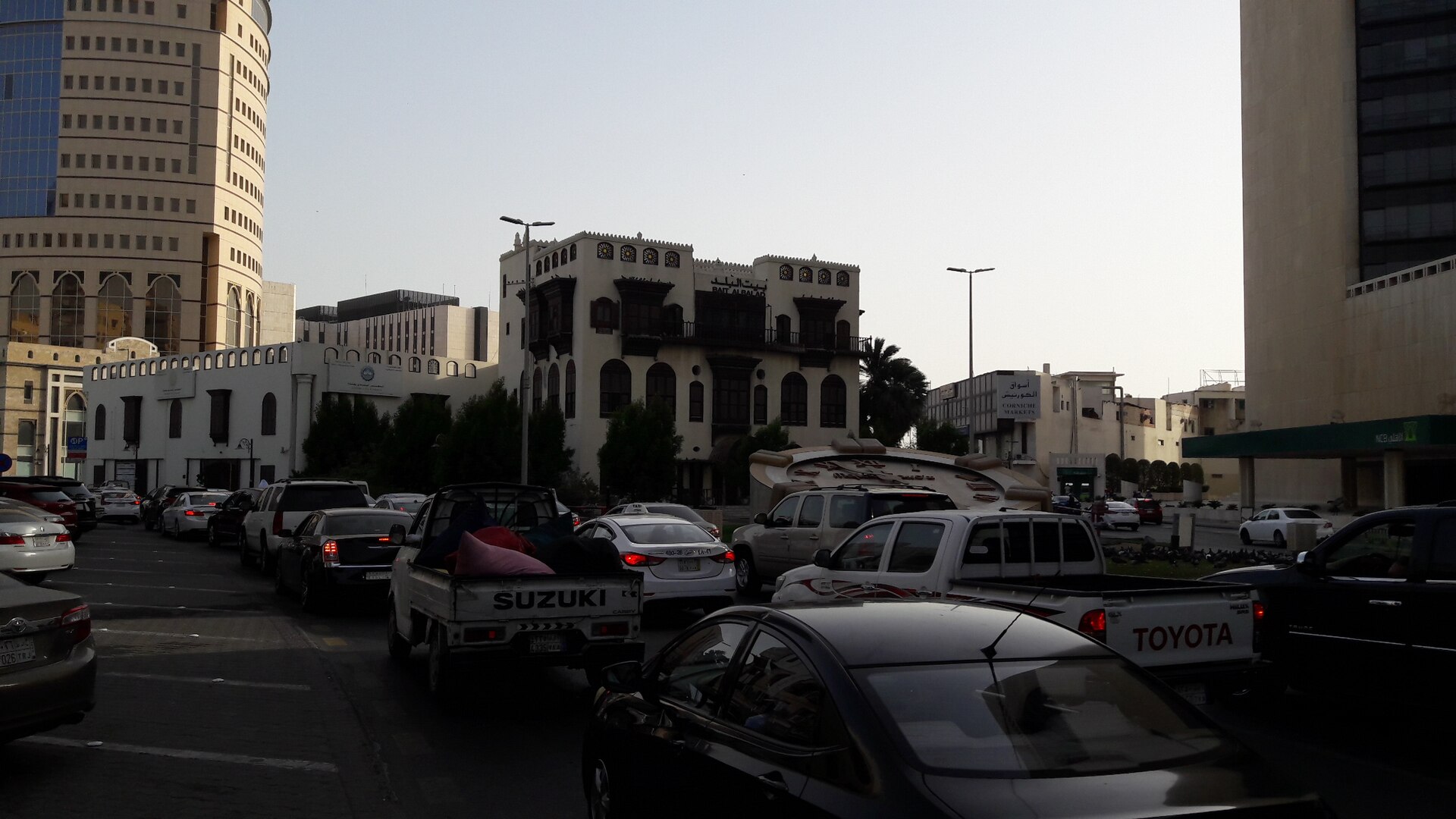
Tall houses of coral blocks with carved teak and wooden lattice balconies.
Open in Google Maps (opens in a new tab)Eastern edge of Al-Balad
The rebuilt "Makkah Gate" of the old city wall, through which caravans once left for Makkah.
Open in Google Maps (opens in a new tab)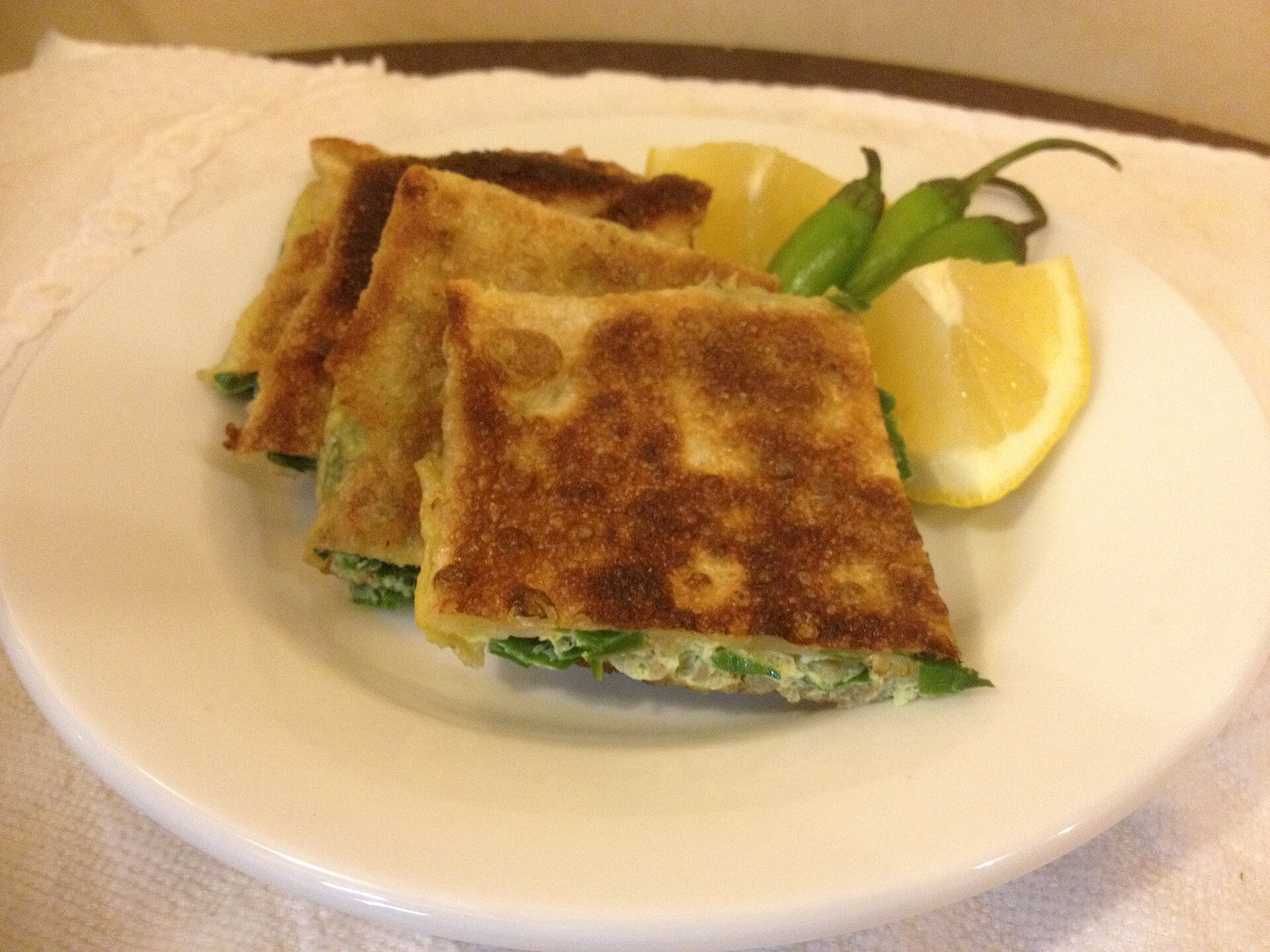
Jeddah, Saudi Arabia
Thin, crispy folded pastry filled with minced meat, egg and leek (or a sweet banana and cheese version), cooked on a hot griddle. A favourite Hejazi street snack, especially in the evening and in Ramadan.
Jeddah, Saudi Arabia
Slow-cooked fava beans mashed with oil, cumin and lemon, eaten for breakfast with fresh tamees bread from a bakery oven.
Jeddah, Saudi Arabia
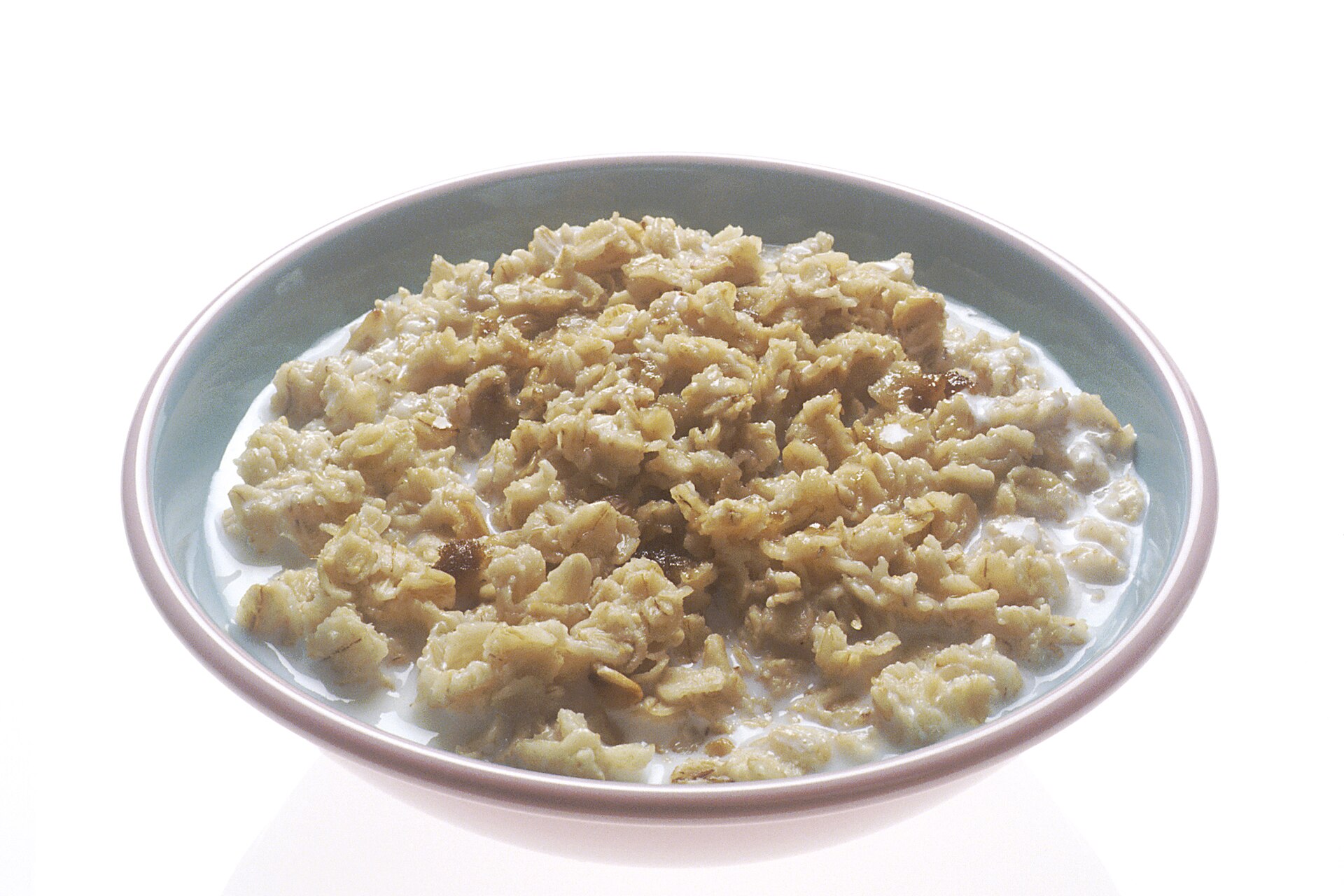
A comforting Hejazi dish from the Taif, Makkah and Jeddah region: short-grain white rice slow-cooked in milk and broth until creamy, served with roast chicken and a drizzle of ghee.
Souq Al-Alawi and the lanes around Nassif House
In the evening the old town fills with stalls frying mutabbaq, bakeries selling hot tamees, ful pots and sellers of sweets, juices and Hejazi snacks.
Open in Google Maps (opens in a new tab)Central fish market near the old port, south of Al-Balad
Choose fresh Red Sea fish at the market and have it grilled or fried at a nearby restaurant, served with sayadiyah rice — a long-standing Jeddah habit.
Open in Google Maps (opens in a new tab)Jeddah, Saudi Arabia
Stay near the historic district to walk its lanes in the evening. Choice is smaller and more basic, but restored heritage stays are slowly appearing.
Open in Google Maps (opens in a new tab)Jeddah, Saudi Arabia
Central Jeddah between the airport road and the sea: business hotels, malls and restaurants, with easy taxi access to everywhere.
Open in Google Maps (opens in a new tab)Al-Balad is the soul of Hejazi Jeddah: old families, pilgrims from many countries and traders all left their mark here. During festivals and Ramadan nights the lanes fill with lanterns, music and food.
Al-Balad ("the town") is the original walled centre of Jeddah, which grew as the port of Makkah from the 7th century. Merchants who grew rich on the pilgrim and Red Sea trade built tall tower houses from blocks of coral stone cut from the reefs, with wooden lattice balconies (roshan) that shaded the windows and caught the sea breeze.
The city walls were pulled down in the 1940s and the wealthy families moved to new districts, but many houses survived. In 2014 UNESCO listed "Historic Jeddah, the Gate to Makkah" as a World Heritage Site, and a long restoration programme is bringing houses, mosques and squares back to life.
Start at the old gate at the eastern edge.
Walk the main market lane into the old town.
Visit the museum house and its famous tree.
Mutabbaq, tamees and juice from the evening stalls.
November to March, from late afternoon into the evening, when the lanes are cooler and the souqs and food stalls are busiest.
From the Corniche or Tahlia: about 15–25 minutes by taxi or ride-hailing app to the old town, in central-south Jeddah near the old port. Ask for Al-Balad or Nassif House.