
Mud-brick façade
Outside the palace
Layered mud walls with whitewashed trim, typical of Najran.
Open in Google Maps (opens in a new tab) Najran, Saudi Arabia
A traditional mud-brick palace in Najran, built in the tall, whitewash-trimmed style of the region and a good example of its heritage architecture.
Outside the palace
Layered mud walls with whitewashed trim, typical of Najran.
Open in Google Maps (opens in a new tab)Upper floors
Small windows framed in white, designed to keep the rooms cool.
Open in Google Maps (opens in a new tab)Around the palace
Farms and palm groves of the Najran valley.
Open in Google Maps (opens in a new tab)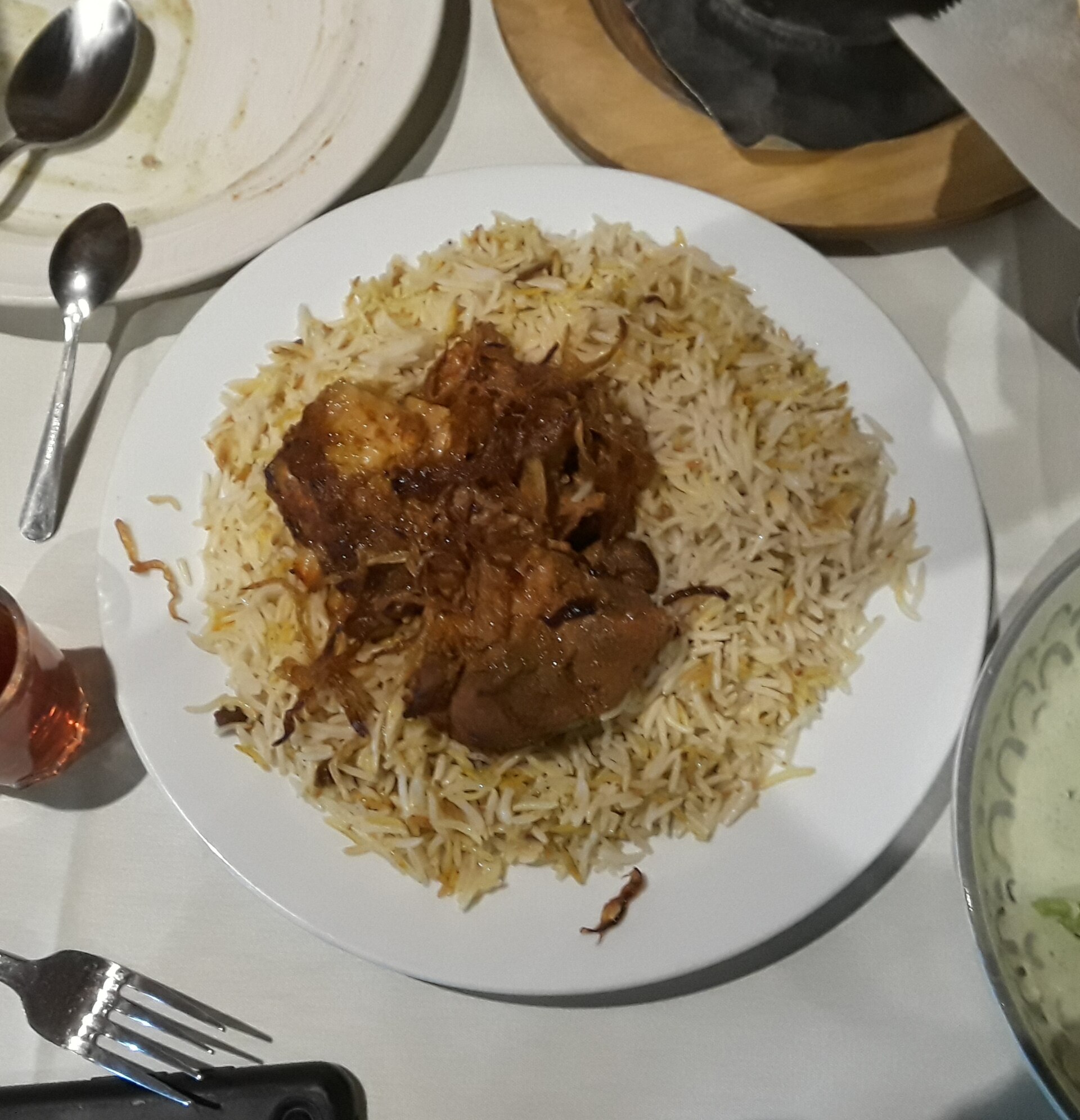
Najran, Saudi Arabia
Lamb slow-roasted until it falls off the bone, served over spiced rice — a dish of the south-western regions, often made for celebrations.
Najran, Saudi Arabia
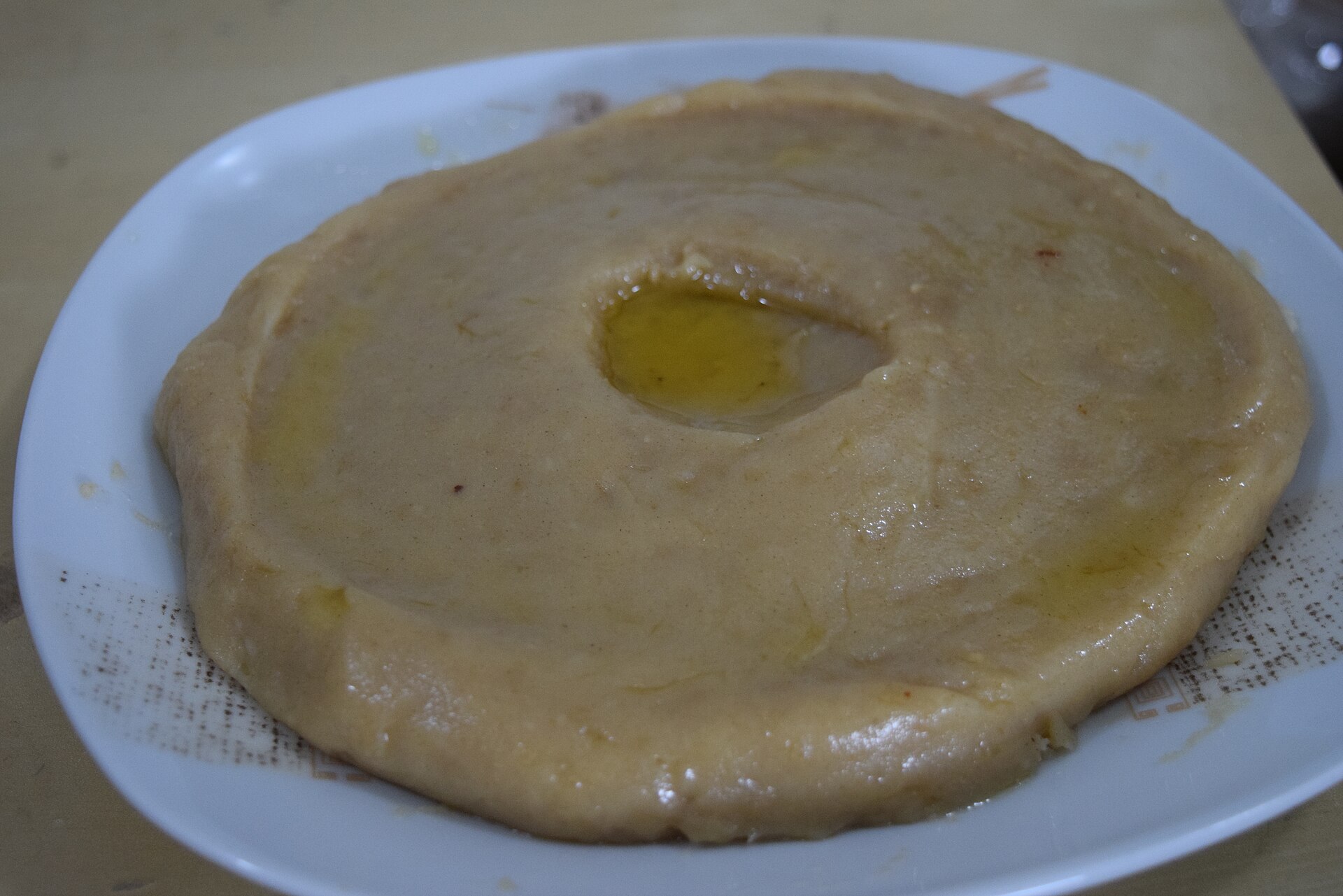
A southern speciality of whole-wheat dough kneaded with ghee and shaped into a mound with a hollow in the middle, filled with honey or date syrup. Eaten with the hands, usually at breakfast or for guests.
Najran, Saudi Arabia
Central Najran
Local restaurants serving mandi, haneeth and kabsa, plus grills, bakeries and cafés. Most have family sections.
Open in Google Maps (opens in a new tab)Older part of Najran, near the Emirate Palace
The old market area sells local honey, dates, spices, incense and crafts such as silver and traditional daggers, with small restaurants and tea stalls nearby.
Open in Google Maps (opens in a new tab)Najran, Saudi Arabia
Hotels and furnished apartments near the main roads and the old market, a short drive from the Emirate Palace and Al-Ukhdood.
Open in Google Maps (opens in a new tab)Najran, Saudi Arabia
Quieter hotels and apartments near the palm groves of the wadi, closer to the mud-brick villages such as Al-Aan.
Open in Google Maps (opens in a new tab)Najran’s mud-brick palaces are a living tradition — similar techniques are still used by local builders to restore old houses.
Al Manjam Palace is one of the historic mud-brick buildings of the Najran valley. Like other large houses of the region, it was built with thick walls of mud and straw laid in layers, small windows and whitewashed bands that protect the edges from rain.
Such buildings served as homes and strongholds for leading families of the valley. Al Manjam has been preserved as part of Najran's architectural heritage.
See the façade and its decoration.
Drive along the wadi to the hilltop palace.
Finish in the old centre.
October to March, in the morning or late afternoon.