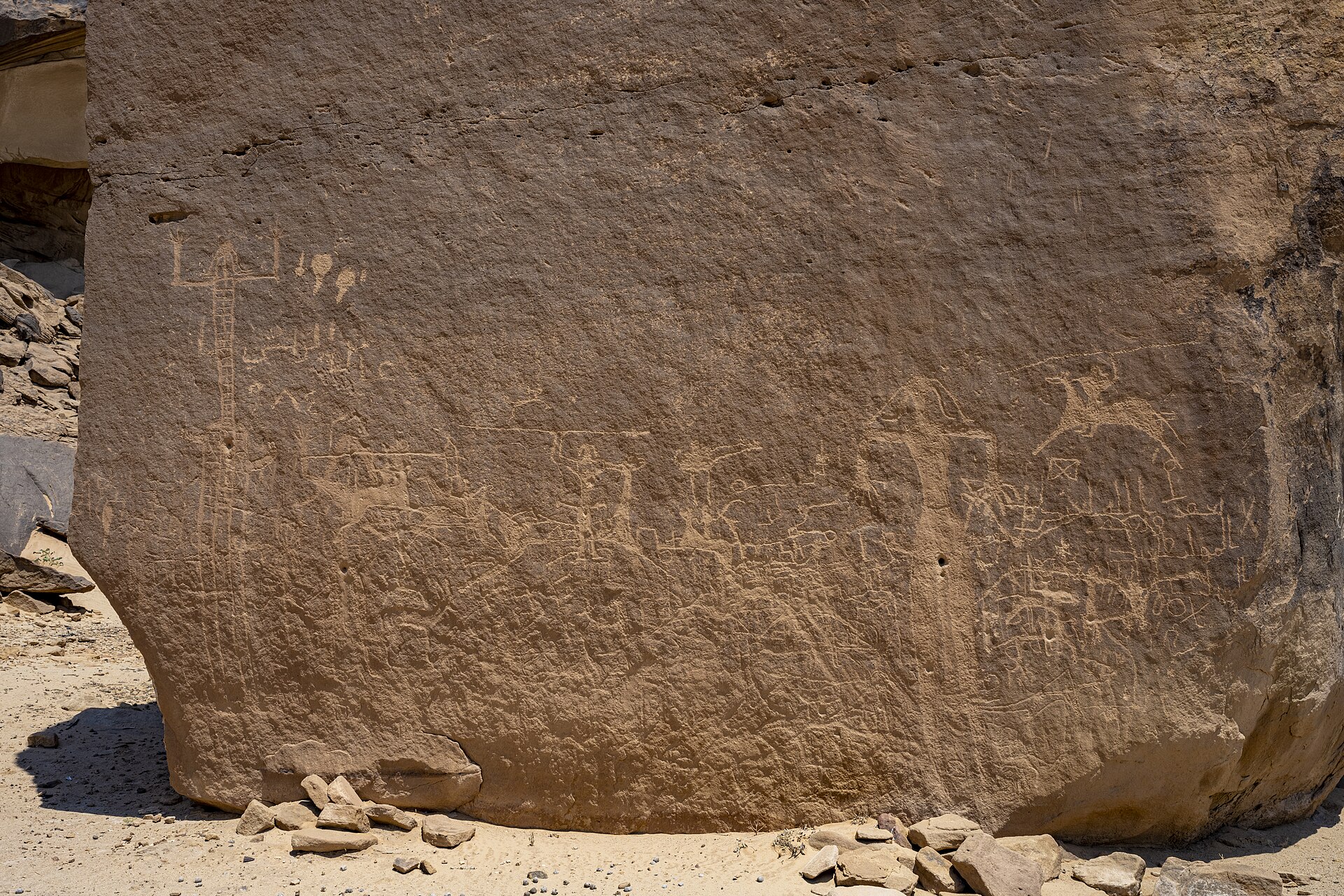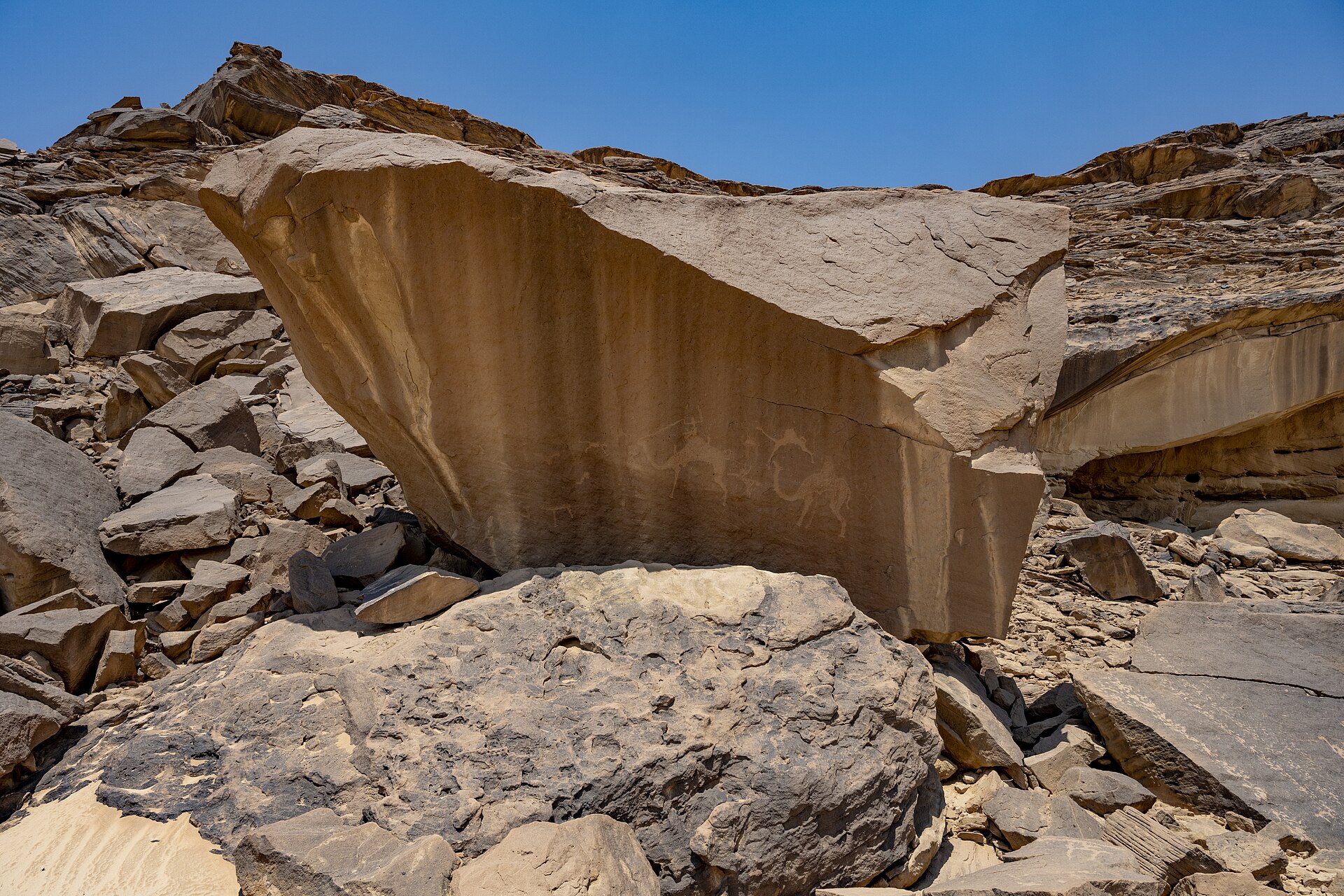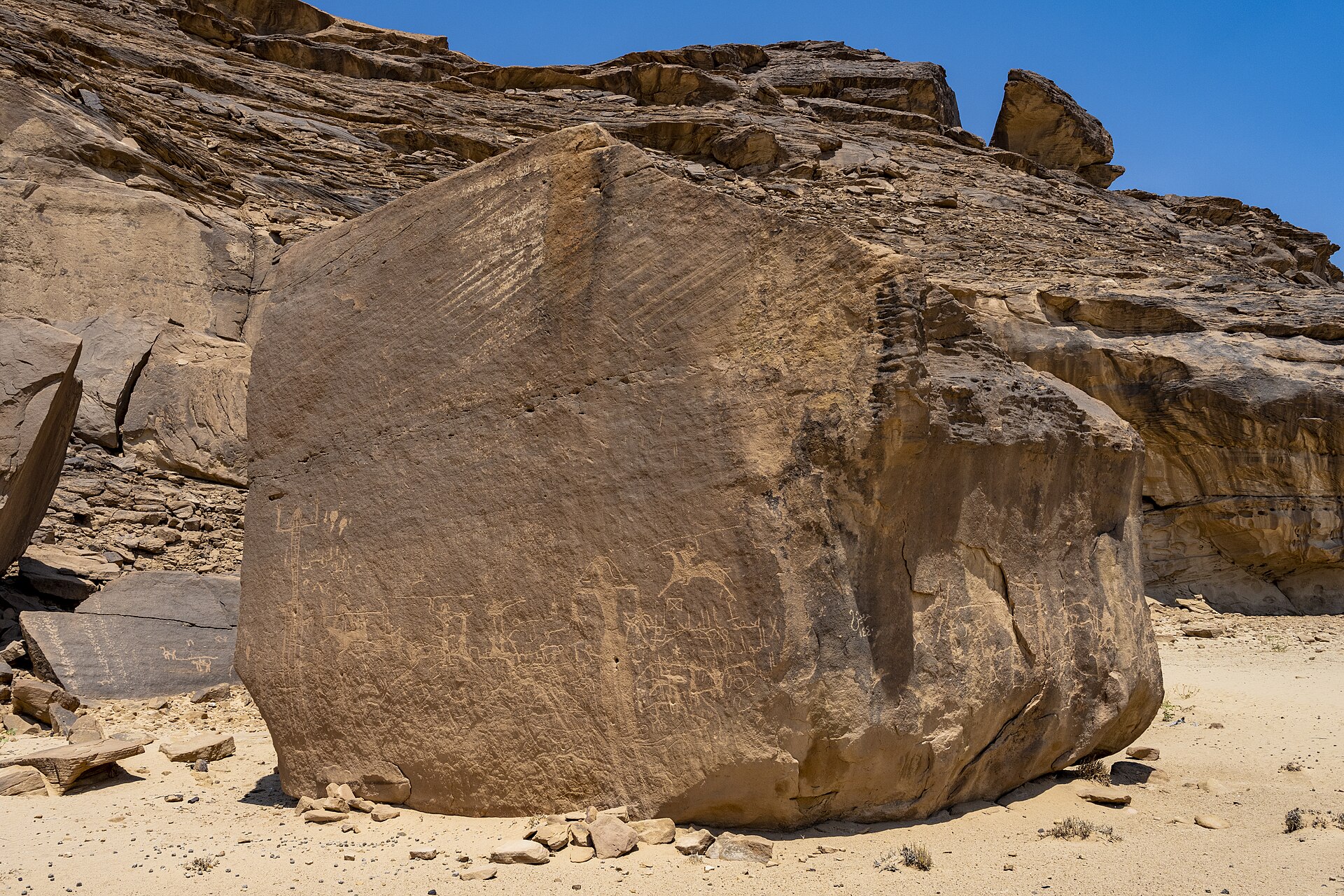
Rock-art panels
Hills around Hima
Carvings of hunters, camels, ibex and other animals on the rock faces.
Open in Google Maps (opens in a new tab)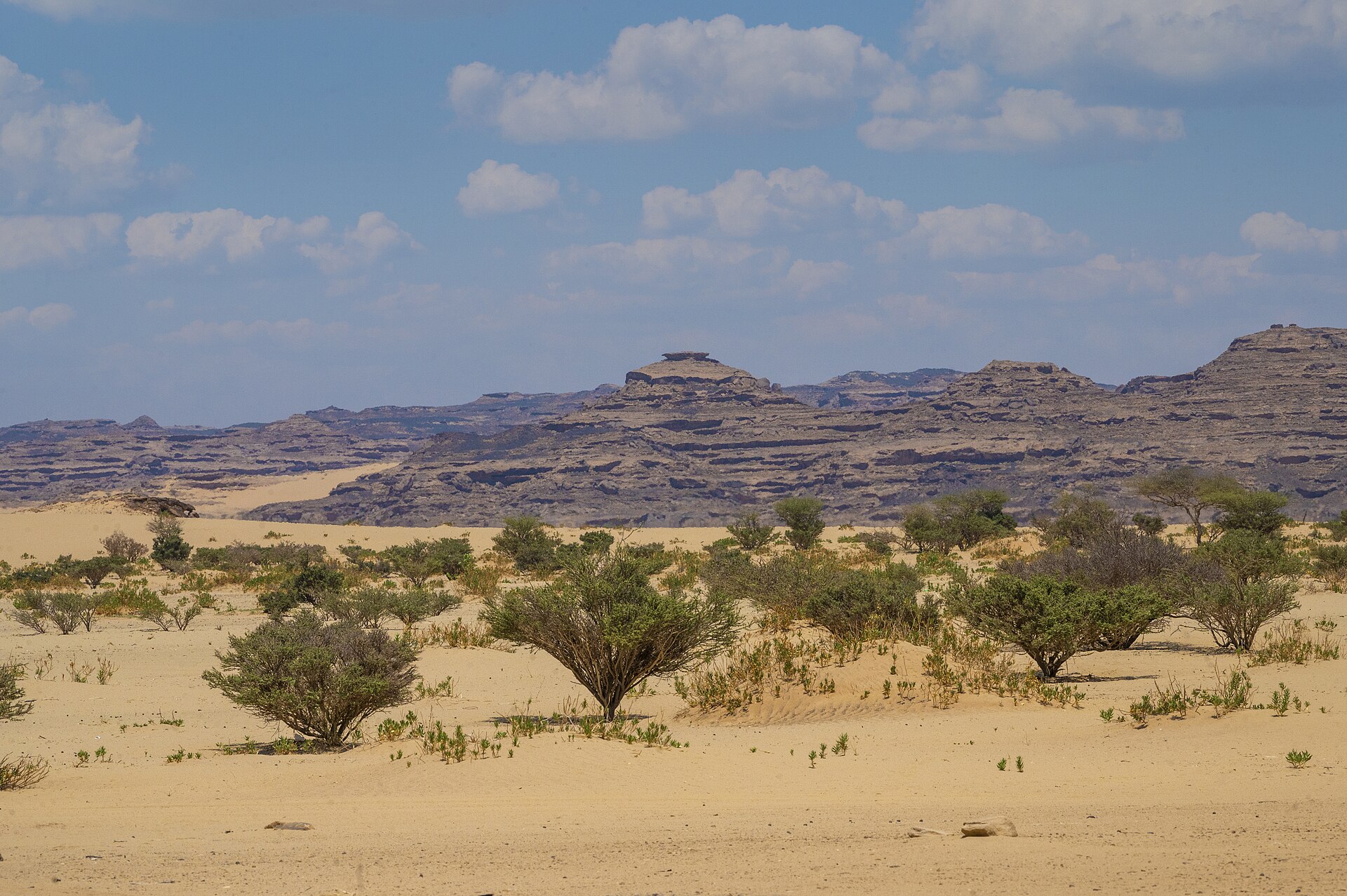
 Najran, Saudi Arabia
A remote landscape north of Najran with thousands of ancient rock carvings and inscriptions around old desert wells, inscribed as a UNESCO World Heritage Site in 2021.
Hills around Hima
Carvings of hunters, camels, ibex and other animals on the rock faces.
Open in Google Maps (opens in a new tab)Among the carvings
Writing in several ancient scripts left by travellers over the centuries.
Open in Google Maps (opens in a new tab)Centre of the area
Old desert wells that drew caravans to this spot.
Open in Google Maps (opens in a new tab)Around Hima
Sandstone hills and open desert, beautiful in the morning light.
Open in Google Maps (opens in a new tab)Najran, Saudi Arabia
Lamb or chicken cooked slowly in a closed pit or oven over smoky heat and served on fragrant rice. Common across southern Saudi Arabia, with roots shared with neighbouring Yemen.
Najran, Saudi Arabia
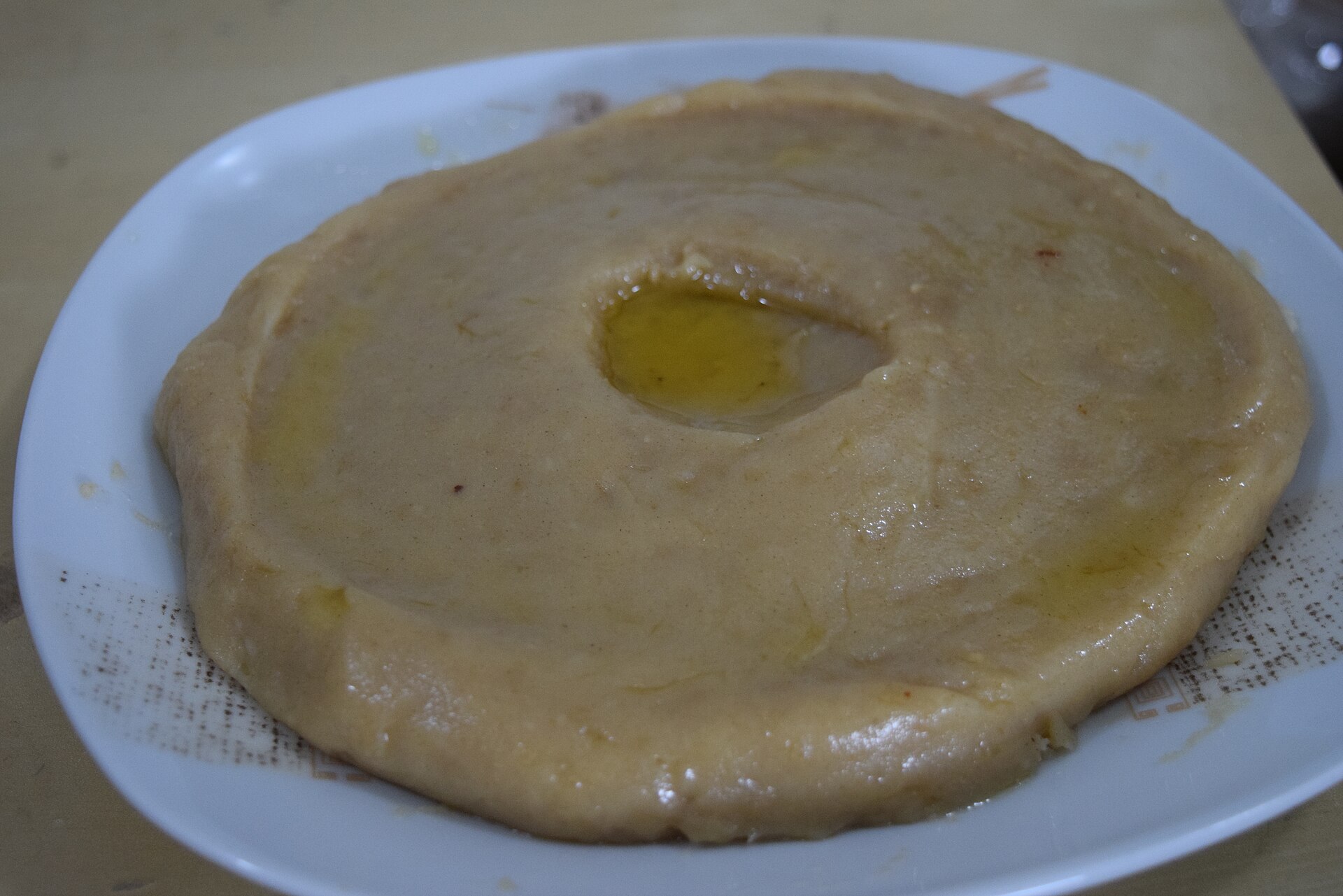
A southern speciality of whole-wheat dough kneaded with ghee and shaped into a mound with a hollow in the middle, filled with honey or date syrup. Eaten with the hands, usually at breakfast or for guests.

Najran, Saudi Arabia
At the site
There are few or no services at Hima; carry food and plenty of water.
Open in Google Maps (opens in a new tab)Central Najran
Local restaurants serving mandi, haneeth and kabsa, plus grills, bakeries and cafés. Most have family sections.
Open in Google Maps (opens in a new tab)Najran, Saudi Arabia
Hotels and furnished apartments near the main roads and the old market, a short drive from the Emirate Palace and Al-Ukhdood.
Open in Google Maps (opens in a new tab)Najran, Saudi Arabia
Practical for short visits and early flights, with easy road access to the rest of the city.
Open in Google Maps (opens in a new tab)The wells and carvings tell the story of the caravan routes that crossed Arabia for millennia. Herders still bring their animals to some of the wells.
Hima lies on an ancient caravan route north of Najran, where travellers and armies stopped at the wells of Bir Hima. Over thousands of years they left a huge number of rock carvings — hunting scenes, animals, plants and people — and inscriptions in several ancient scripts.
The Hima Cultural Area was inscribed on the UNESCO World Heritage List in 2021 as one of the largest rock-art complexes in the world. Some of the wells are still used by local herders today.
Leave Najran at dawn with your guide.
Visit several carved rock faces with your guide.
See the ancient wells that drew the caravans.
Back in the city by late afternoon.
October to March. Go early in the day to avoid the heat.