
Towers and outer walls
Around the palace
High mud-brick walls and towers with whitewashed details.
Open in Google Maps (opens in a new tab)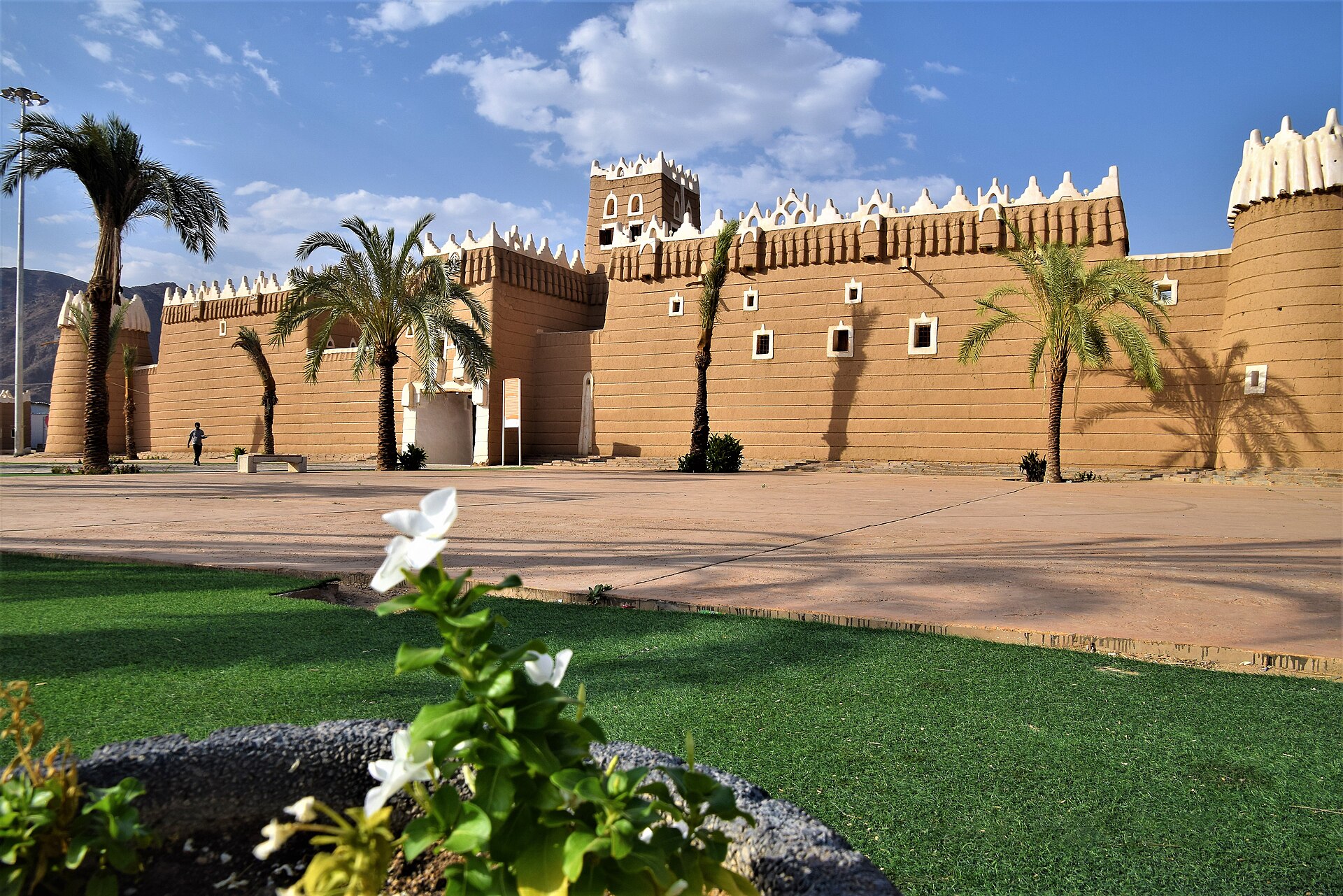
 Najran, Saudi Arabia
A large mud-brick palace in the old centre of Najran, built in the 1940s as the seat of the regional governor, with towers, courtyards and many rooms.
Around the palace
High mud-brick walls and towers with whitewashed details.
Open in Google Maps (opens in a new tab)Inside the palace
Many rooms around open courtyards, once used by the governor and his staff.
Open in Google Maps (opens in a new tab)Inside the palace
The palace’s own water supply, essential in the old days.
Open in Google Maps (opens in a new tab)Next to the palace
Traditional market for honey, dates and crafts.
Open in Google Maps (opens in a new tab)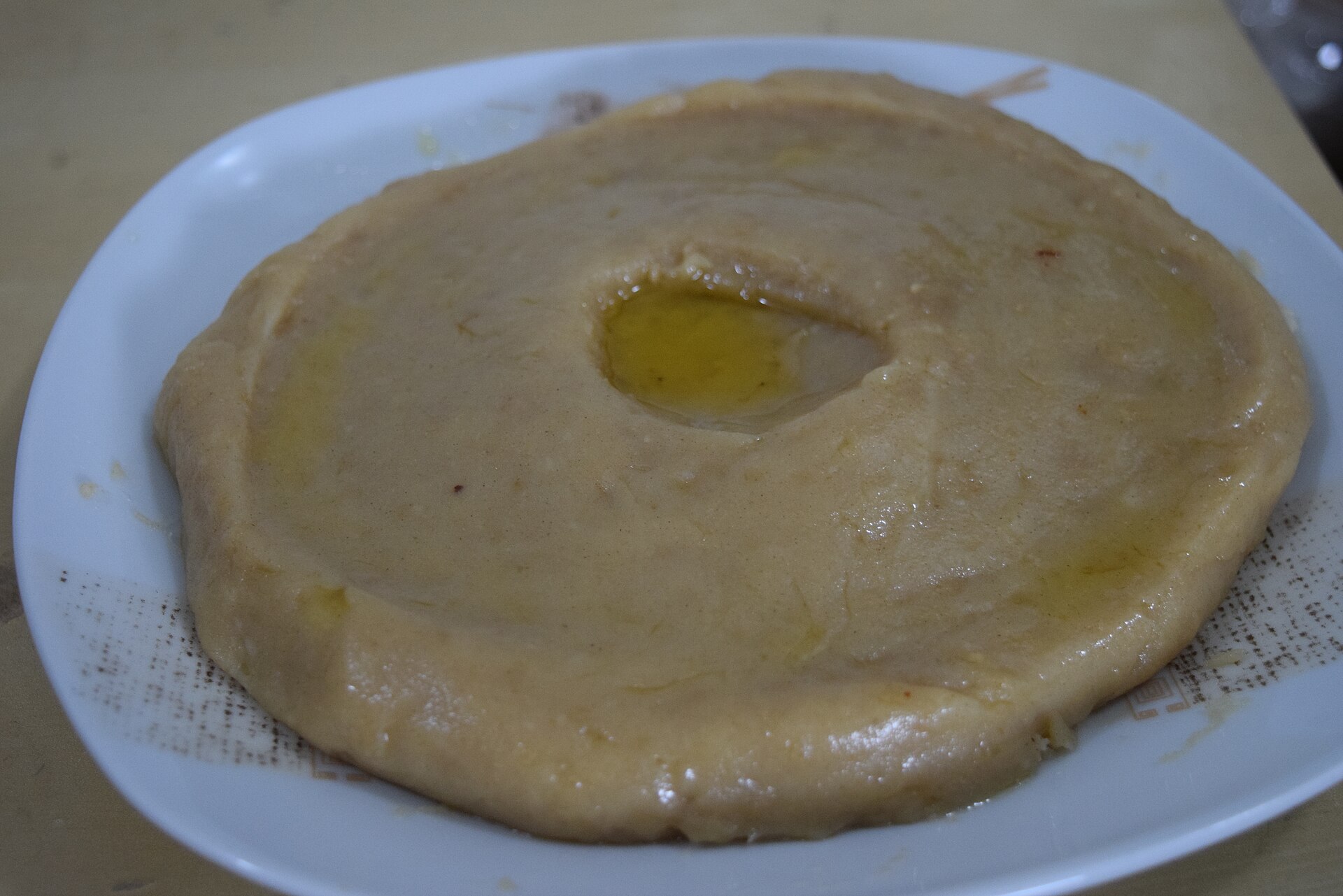
Najran, Saudi Arabia
A southern speciality of whole-wheat dough kneaded with ghee and shaped into a mound with a hollow in the middle, filled with honey or date syrup. Eaten with the hands, usually at breakfast or for guests.
Najran, Saudi Arabia
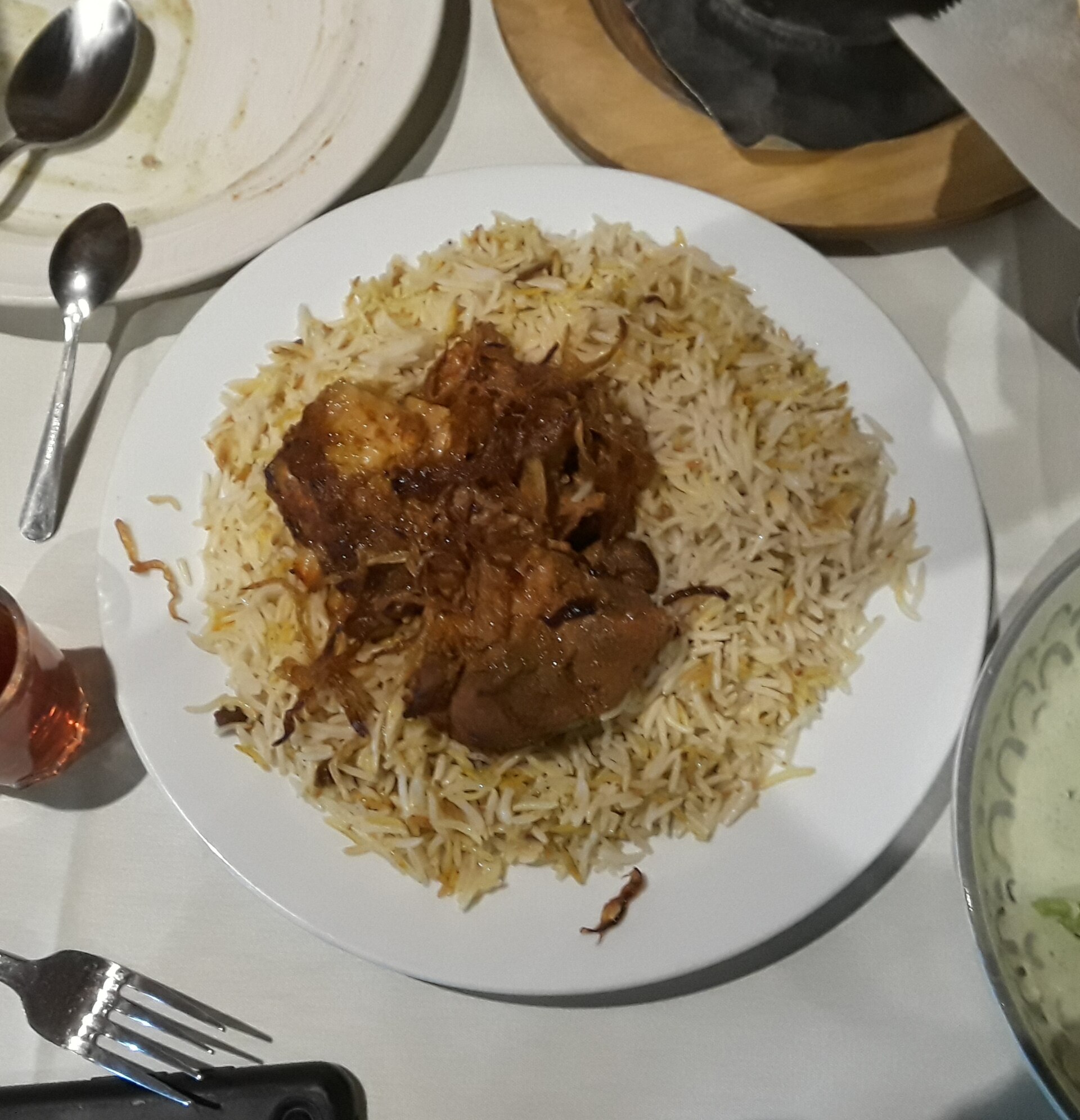
Lamb slow-roasted until it falls off the bone, served over spiced rice — a dish of the south-western regions, often made for celebrations.
Najran, Saudi Arabia
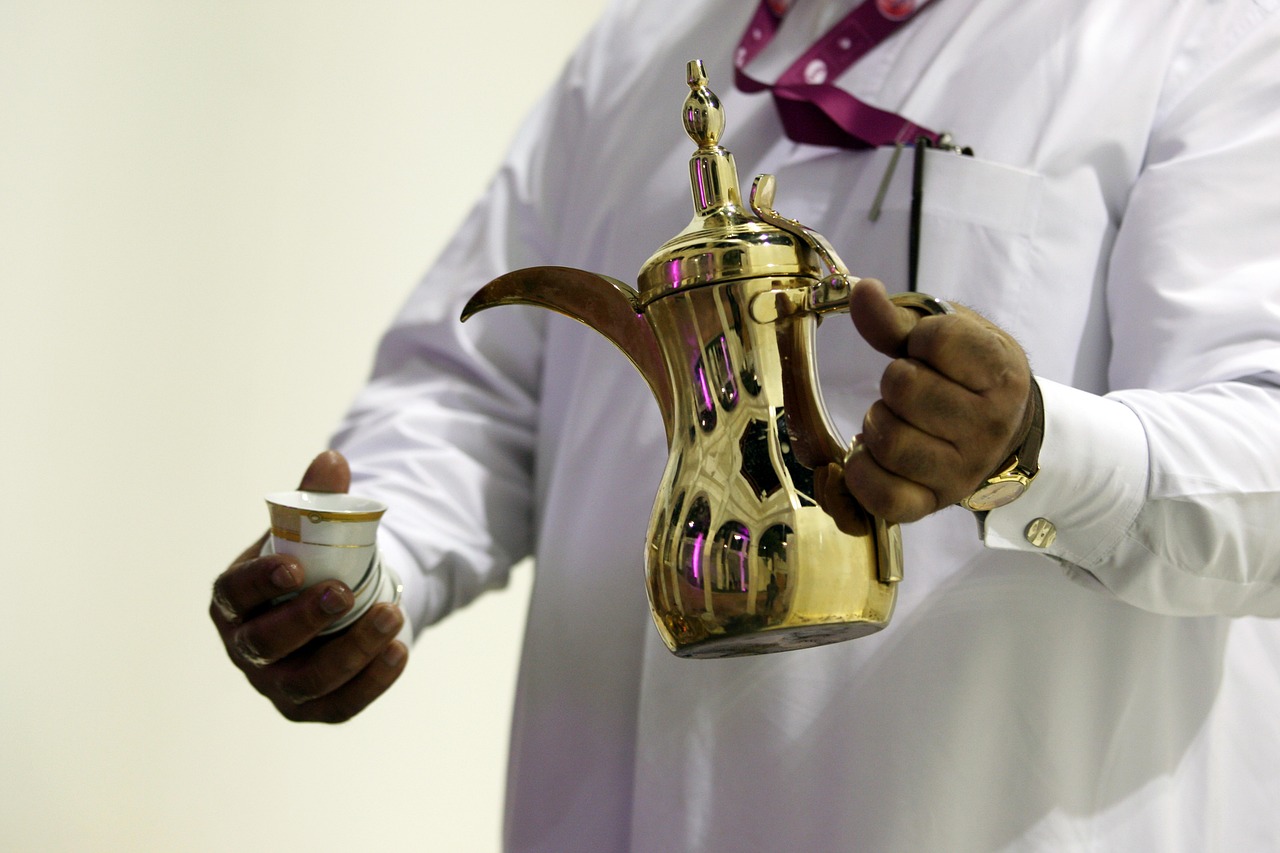
Older part of Najran, near the Emirate Palace
The old market area sells local honey, dates, spices, incense and crafts such as silver and traditional daggers, with small restaurants and tea stalls nearby.
Open in Google Maps (opens in a new tab)Central Najran
Local restaurants serving mandi, haneeth and kabsa, plus grills, bakeries and cafés. Most have family sections.
Open in Google Maps (opens in a new tab)Najran, Saudi Arabia
Hotels and furnished apartments near the main roads and the old market, a short drive from the Emirate Palace and Al-Ukhdood.
Open in Google Maps (opens in a new tab)Najran, Saudi Arabia
Quieter hotels and apartments near the palm groves of the wadi, closer to the mud-brick villages such as Al-Aan.
Open in Google Maps (opens in a new tab)The palace and the souq around it are the heart of old Najran, where locals shop for honey, dates, spices and crafts.
The Historical Palace of the Emirate (Qasr al-Imarah) was built in the 1940s in the old part of Najran, as the seat of government for the region after it joined the Saudi state. It is built of mud brick in the local style, with high walls, corner towers, a well and dozens of rooms around courtyards.
The palace was used as the governor's offices for decades and has since been restored as a heritage site.
Explore the towers and courtyards.
Shop for honey, dates and silver crafts.
Haneeth or mandi nearby.
October to March, in the morning or late afternoon.