
Central courtyard
Inside the palace
A huge open space surrounded by two floors of arcades and rooms.
Open in Google Maps (opens in a new tab) Hail, Saudi Arabia
A large two-storey mud-brick fort-palace in central Hail, built in the 1940s with corner towers and a vast courtyard. One of the city’s best-known landmarks.
Inside the palace
A huge open space surrounded by two floors of arcades and rooms.
Open in Google Maps (opens in a new tab)Outer walls
Classic Najdi mud-brick towers with triangular openings.
Open in Google Maps (opens in a new tab)Galleries
Displays on Hail’s history and crafts, depending on the season.
Open in Google Maps (opens in a new tab)Hail, Saudi Arabia
Thin sheets of hand-rolled dough cooked in a stew of meat, squash, tomatoes and spices — a warming home-style dish of the Najd and northern regions, popular in winter.
Hail, Saudi Arabia
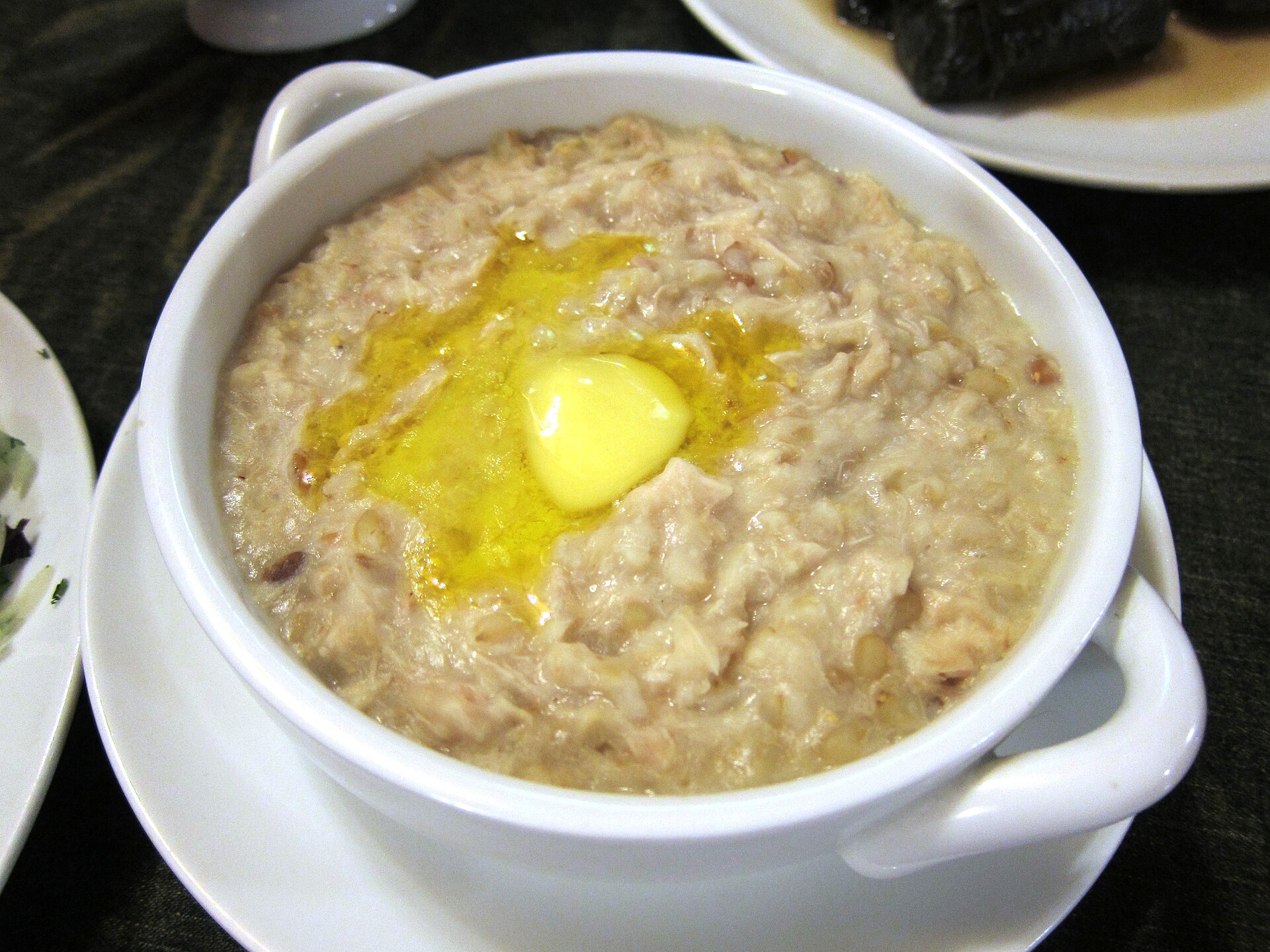
Cracked wheat slow-cooked with meat or chicken, onion and spices into a soft, porridge-like dish, finished with ghee and fried onions. A classic of central and northern Saudi kitchens.
Hail, Saudi Arabia
Old centre of Hail, around Barzan Square
The historic heart of Hail, with traditional shops for dates, coffee, spices and crafts, and simple restaurants serving kabsa, jareesh and grills.
Open in Google Maps (opens in a new tab)Central and northern Hail
Family restaurants, Saudi and Middle Eastern grills, bakeries and modern cafés along the main avenues. Most have family seating.
Open in Google Maps (opens in a new tab)Hail, Saudi Arabia
Hotels and furnished apartments near the Barzan area, Al-Qishlah Palace and A’arif Fort — the most convenient base for sightseeing.
Open in Google Maps (opens in a new tab)Hail, Saudi Arabia
Newer hotels on the city’s main roads, with easier parking and quick access to the roads to Jubbah and the desert.
Open in Google Maps (opens in a new tab)The palace often hosts heritage festivals, crafts displays and traditional performances, especially in the winter season.
Al-Qishlah was built in the 1940s, during the reign of King Abdulaziz, as a garrison and administrative building for Hail. Its name comes from the Turkish word for barracks.
The building is made of mud brick in the traditional Najdi style, with thick walls, watchtowers at the corners and rooms on two floors around a large courtyard. Restored as a heritage site, it now hosts exhibitions and cultural events.
Walk the courtyard and galleries.
See what is left of the Al Rashid palace in the old centre.
Jareesh or marqooq in a local restaurant.
October to March. Visit in the late afternoon when the walls glow in the sun.