Abha, Saudi Arabia

Al Muftaha Village

Abha's historic arts quarter: restored Asiri houses turned into galleries and studios, in the heart of the city. The best place to see Al-Qatt Al-Asiri painting and the work of local artists.

Favourite places

  • Artists’ studios and galleries

    Through the lanes of the village

    Restored houses now used as studios where painters, calligraphers and sculptors work and show their pieces. Many are happy to talk about their work.

    Open in Google Maps (opens in a new tab)
  • Al-Qatt Al-Asiri walls

    Inside and on the façades of village houses

    Look for the brightly painted geometric bands of the Asiri wall art — the patterns and colours vary from house to house.

    Open in Google Maps (opens in a new tab)
  • Al Muftaha Theatre

    Edge of the village

    A large open-air theatre built for the arts village, used for performances and cultural events, mostly in the summer season.

    Open in Google Maps (opens in a new tab)
  • Traditional architecture

    Throughout the quarter

    Stone and mud houses with small windows, painted frames and layered stone overhangs that shed the mountain rain — a good introduction to Asiri building styles.

    Open in Google Maps (opens in a new tab)

Local food

  • Areeka

    Abha, Saudi Arabia

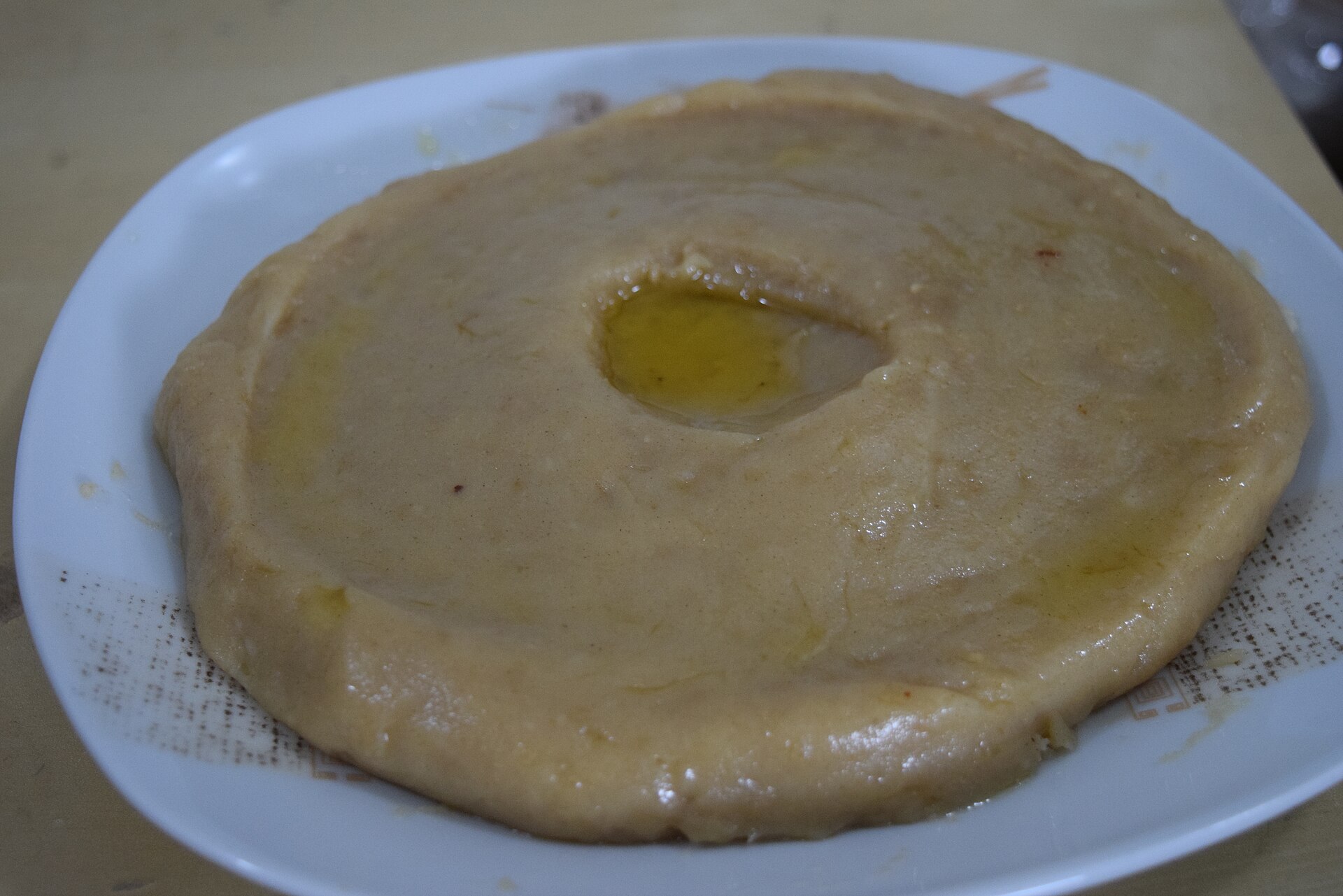
    The classic breakfast of Asir: a dense dough of whole-wheat bread kneaded by hand with ghee and dates, shaped into a mound with a well in the middle that is filled with more ghee and local honey. Eaten with the fingers, usually shared.Read more
  • Saudi coffee (qahwa) and dates

    Abha, Saudi Arabia

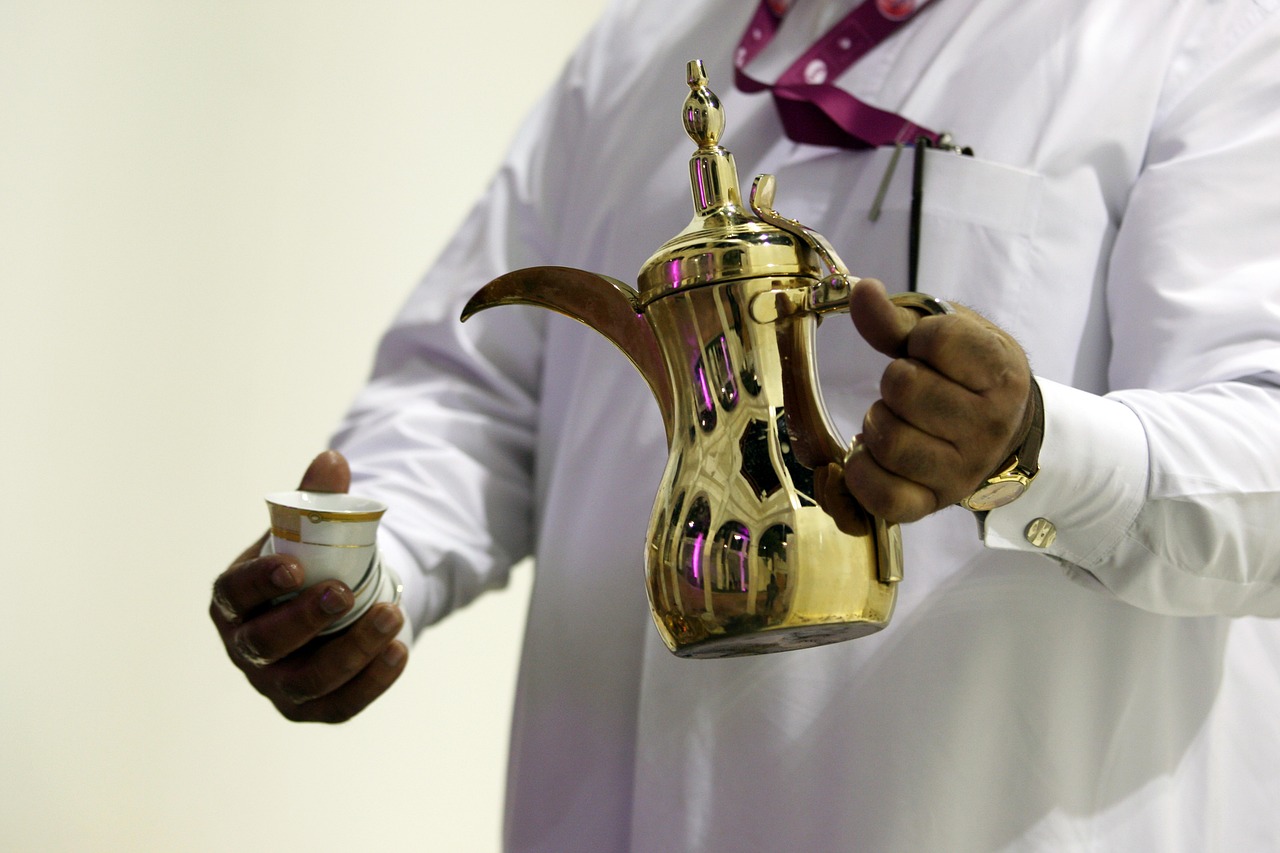
    Lightly roasted coffee brewed with cardamom, sometimes saffron or cloves, poured in small cups from a dallah and always served with dates. Offering it is the first gesture of hospitality; shake the cup gently when you have had enough.Read more
  • Asir mountain honey

    Abha, Saudi Arabia

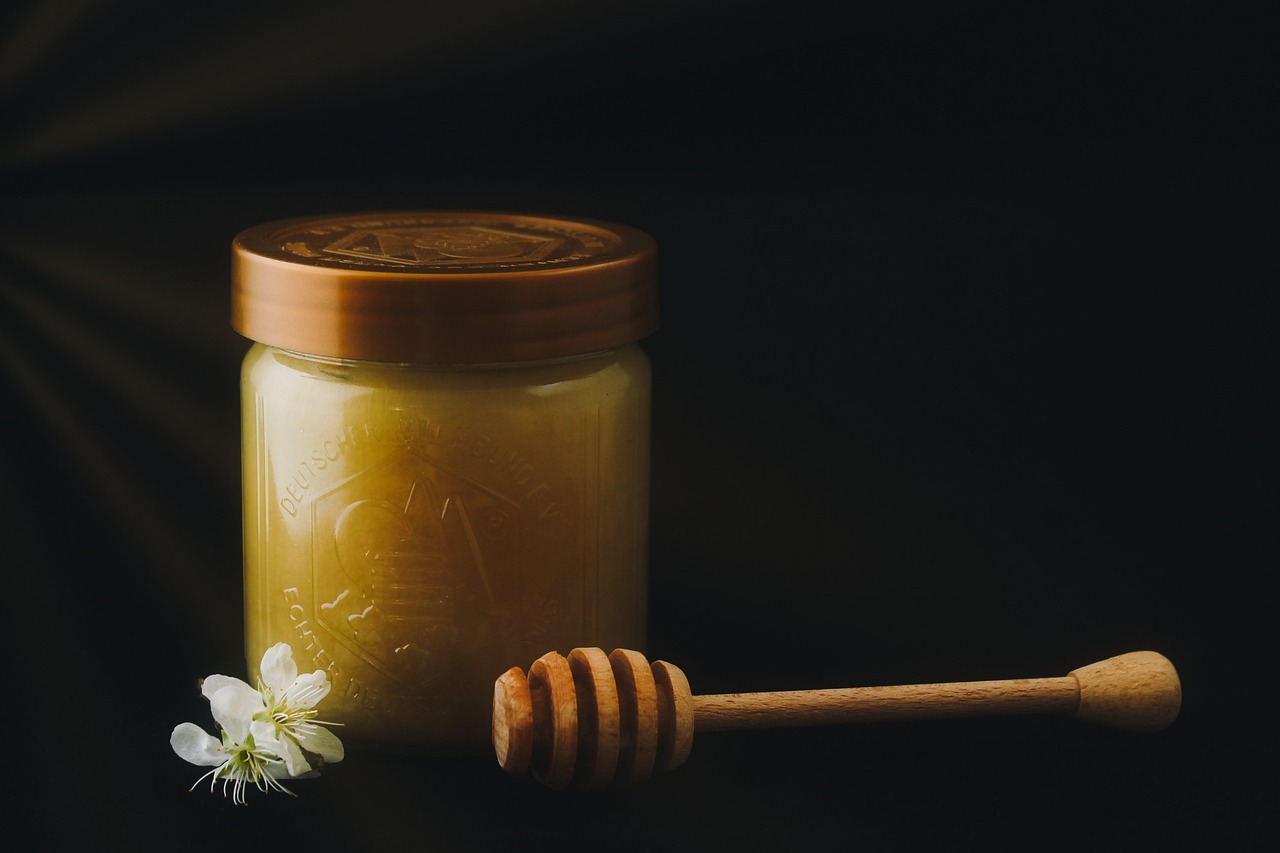
    The Asir highlands are known across the kingdom for their honey, much of it from sidr and other wild mountain flowers. Sold in jars at markets and roadside stalls, and poured over areeka and fresh bread.

Where to eat

  • Traditional Asiri restaurants

    Across Abha and along the Al Soudah road

    Many restaurants serve areeka, haneeth and mandi in family rooms with floor seating and cushions. Ask for areeka with local honey and ghee at breakfast.

    Open in Google Maps (opens in a new tab)
  • Tuesday Market (Souq Al Thulatha)

    Central Abha

    Abha's traditional weekly market, held on Tuesdays for generations. Stalls sell honey, spices, dried herbs, local bread, coffee beans and Asiri crafts — a good place to taste and buy regional food.

    Open in Google Maps (opens in a new tab)

Where to stay

  • Central Abha

    Abha, Saudi Arabia

    Hotels and furnished apartments around the city centre, close to Al Muftaha Village, the Tuesday Market and the main shopping streets. The easiest base without a car.

    Open in Google Maps (opens in a new tab)
  • Abha Dam lake and the western hills

    Abha, Saudi Arabia

    Larger hotels and resorts near the Abha Dam lake and on the hills towards Abu Kheyal and the Green Mountain, with cooler air and views over the city.

    Open in Google Maps (opens in a new tab)

Culture

Al-Qatt Al-Asiri was once painted by women as a gift to their homes and a sign of pride in the household; skills passed from mother to daughter. Today you can see it in galleries, on house walls and reworked by contemporary Saudi artists. Al Muftaha's theatre hosts plays, poetry and music, especially during the summer season.

History

Al Muftaha is one of the old neighbourhoods of Abha, a cluster of stone and mud houses that was restored from the late 1980s as an arts village, with support from the then governor of Asir, Prince Khalid Al-Faisal. Studios, galleries and a large theatre were added, and the quarter became a centre for painters, sculptors and craftspeople from the region.

The village is closely linked to Al-Qatt Al-Asiri, the decorative wall painting traditionally done by Asiri women inside their homes — bold bands of triangles, lines and diamonds in red, yellow, green and blue. In 2017 UNESCO inscribed it on the Representative List of the Intangible Cultural Heritage of Humanity.

Tour plans

Art and markets of central Abha

Half day
  1. Step 1: Al Muftaha Village

    Wander the lanes, visit the studios and look for Al-Qatt Al-Asiri walls.

  2. Step 2: Tuesday Market

    If it is a Tuesday, browse honey, spices and crafts at Souq Al Thulatha.

  3. Step 3: Asiri lunch

    Try areeka or haneeth at a traditional restaurant in the centre.

  4. Step 4: Sunset viewpoint

    Drive up to Abu Kheyal Park for the view over the city at dusk.

Map

Open in Google Maps (opens in a new tab)

Travel information

Best time to visit

Summer evenings during the Abha festival season are the liveliest; late afternoon is pleasant all year. Some studios keep irregular hours, especially outside the summer.

How to get there

Al Muftaha is in central Abha, a short taxi or ride-hailing trip from most hotels and about 25 minutes from Abha airport. If you are staying in the centre you can walk.

Getting around

The village is compact and best explored on foot — narrow lanes, steps and small courtyards. Park on the surrounding streets and walk in.

Travel tips

  • Ask before photographing artists at work or their pieces.
  • Many studios sell original work and prints; prices are set by the artists.
  • Combine your visit with the Tuesday Market nearby if your dates allow.
  • Dress modestly in public: for men and women, clothes that cover the shoulders and knees; women are not required to wear an abaya or cover their hair, but loose clothing is expected. Some shops and small businesses close briefly at each of the five daily prayer times, and on Friday many open only after the midday prayer. The weekend is Friday and Saturday.

All destinations