
Red dunes
North of Hail
Long, high dunes of red-orange sand, best at sunrise and sunset.
Open in Google Maps (opens in a new tab) Hail, Saudi Arabia
The Great Nafud, a vast sea of red-orange sand dunes stretching north of Hail — one of the great deserts of Arabia and a classic setting for desert trips.
North of Hail
Long, high dunes of red-orange sand, best at sunrise and sunset.
Open in Google Maps (opens in a new tab)With a guide
A night under a sky full of stars, far from city lights.
Open in Google Maps (opens in a new tab)Across the desert
You may see camels grazing; ask before taking photos of herders.
Open in Google Maps (opens in a new tab)Inside the Nafud
The oasis and UNESCO rock-art site sits within the dunes.
Open in Google Maps (opens in a new tab)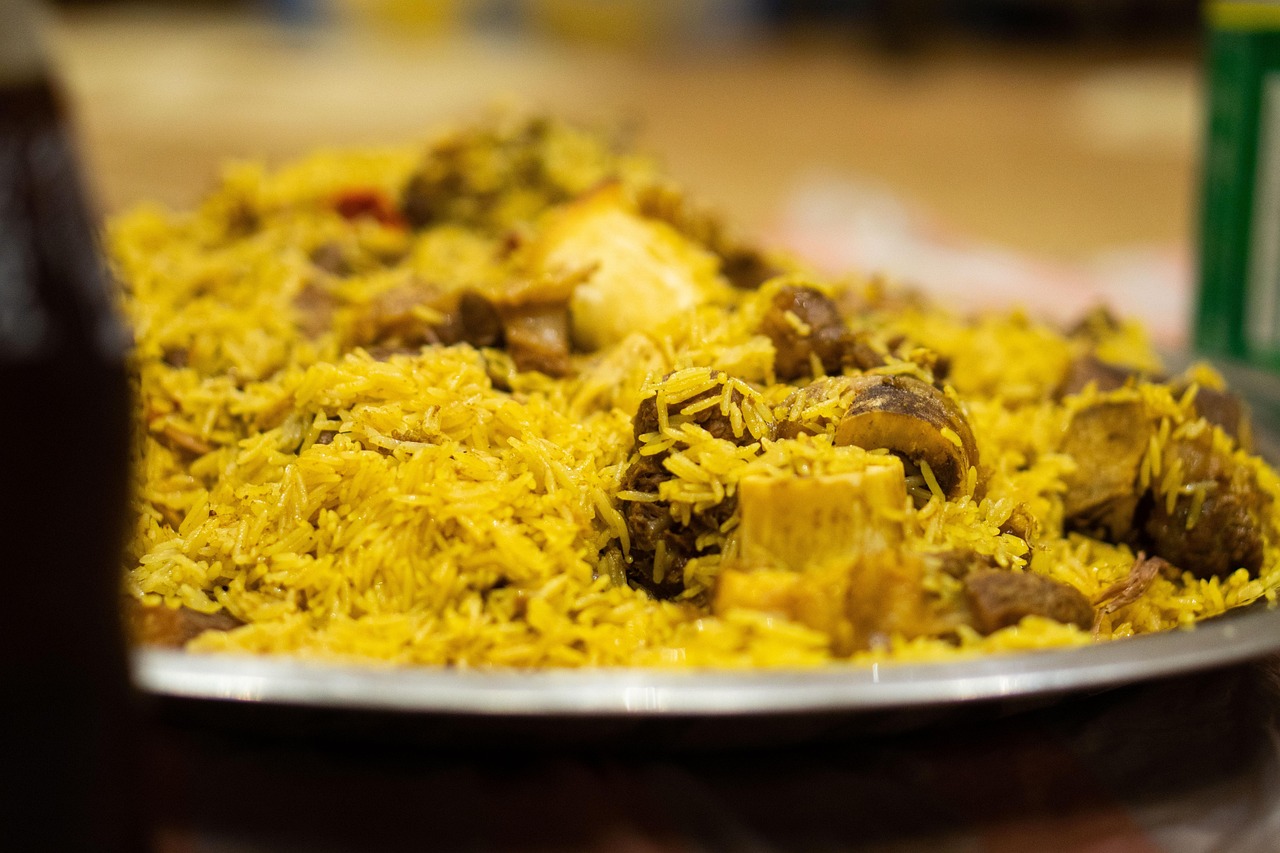
Hail, Saudi Arabia
The national dish: long-grain rice cooked in a spiced broth with chicken or lamb, served on a large shared platter with nuts, raisins and a tomato-chilli sauce (daqoos).
Hail, Saudi Arabia
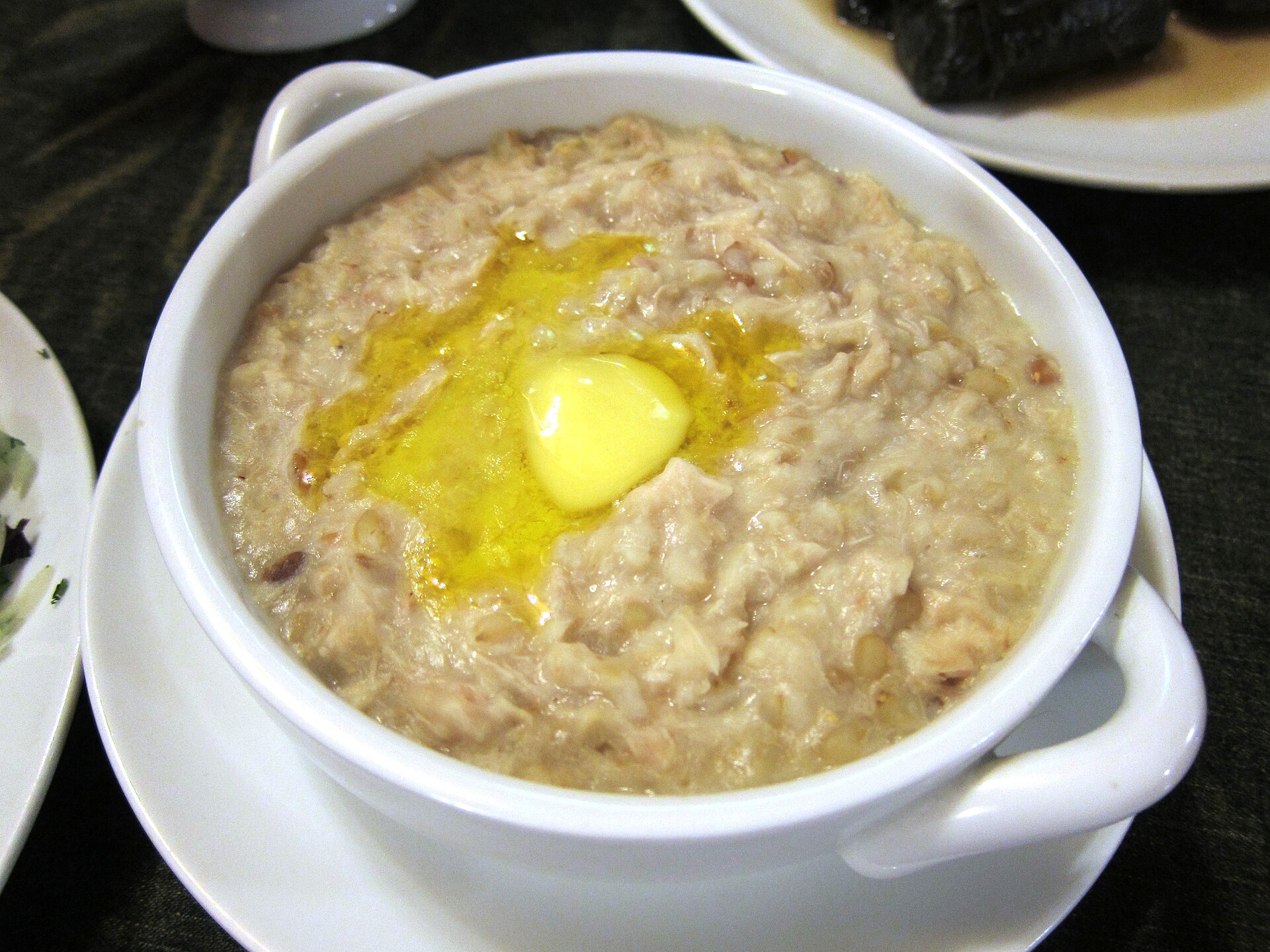
Cracked wheat slow-cooked with meat or chicken, onion and spices into a soft, porridge-like dish, finished with ghee and fried onions. A classic of central and northern Saudi kitchens.

Hail, Saudi Arabia
On guided Nafud and Aja trips
Many guided desert trips include tea, coffee and a simple meal cooked at camp. Ask your guide what is included when you book.
Open in Google Maps (opens in a new tab)Central and northern Hail
Family restaurants, Saudi and Middle Eastern grills, bakeries and modern cafés along the main avenues. Most have family seating.
Open in Google Maps (opens in a new tab)Hail, Saudi Arabia
In the cooler months, some guides and camps offer overnight stays in the Nafud. Book only through an established local operator.
Open in Google Maps (opens in a new tab)Hail, Saudi Arabia
Hotels and furnished apartments near the Barzan area, Al-Qishlah Palace and A’arif Fort — the most convenient base for sightseeing.
Open in Google Maps (opens in a new tab)The Nafud is Bedouin country. Camel herders still graze their animals here, and desert camps keep traditions of coffee, poetry and storytelling around the fire.
The Great Nafud (An-Nafud al-Kabir) covers a huge area of northern Saudi Arabia between Hail and Al Jouf. Its long, high dunes take their red colour from iron oxide in the sand.
For centuries the Nafud was a barrier that only experienced Bedouin guides could cross, and it features in the accounts of 19th-century travellers who reached Hail. Today it draws visitors for dune drives, camping and motorsport events held in the region.
Leave Hail with your 4x4 guide.
Drive and climb the red dunes.
Watch the sunset, then dinner and coffee at camp.
See the dunes at dawn before heading back.
November to March, when days are mild and nights are cool. Avoid summer.