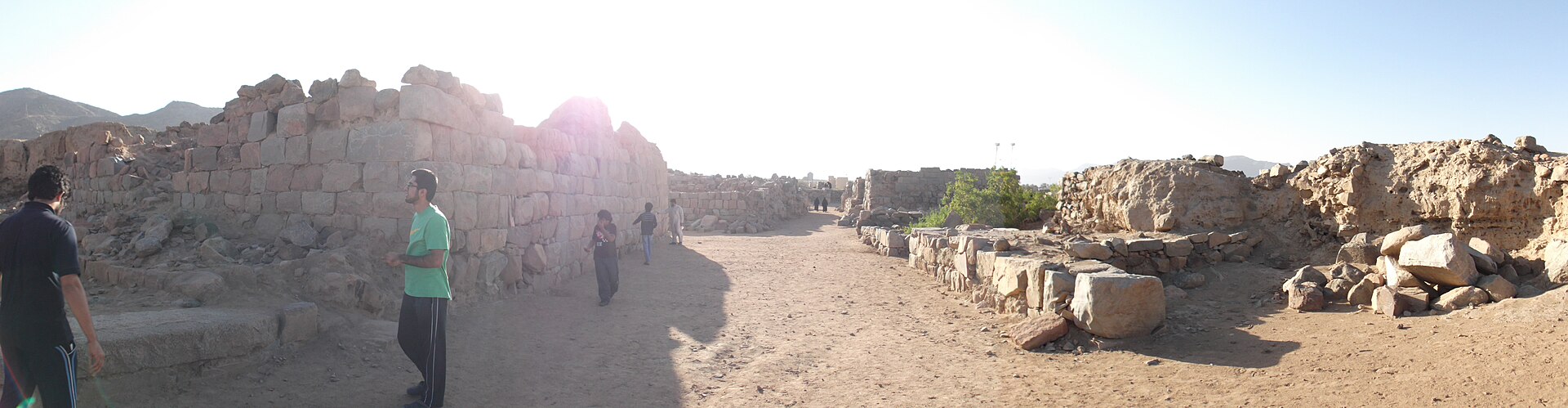
The citadel
Centre of the site
Stone foundations of the walled inner city with the outlines of buildings and streets.
Open in Google Maps (opens in a new tab)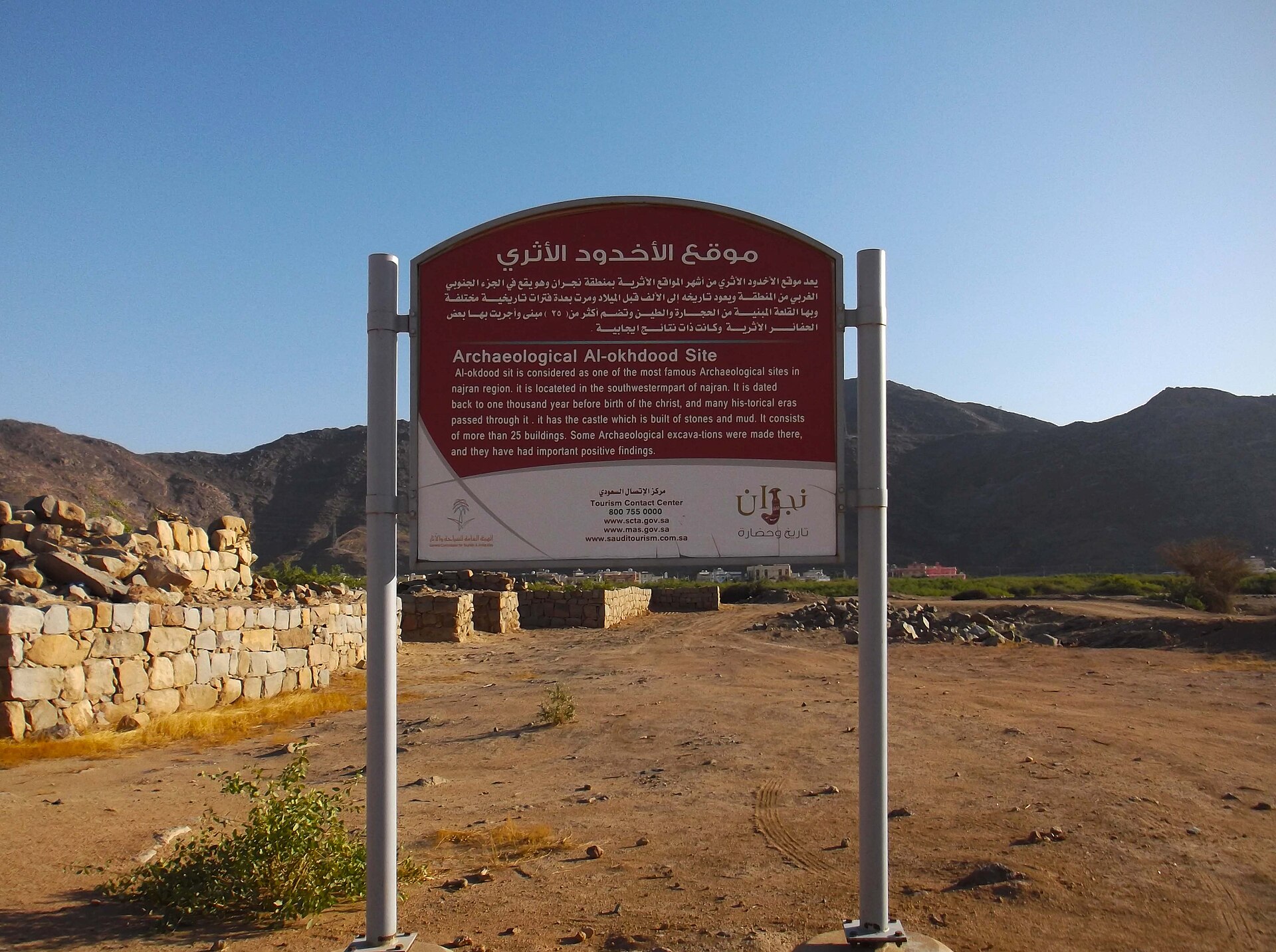
 Najran, Saudi Arabia
The ruins of the ancient city of Najran on the incense trade route, with stone foundations, inscriptions and carvings. Linked to the Quranic story of the People of the Ditch.
Centre of the site
Stone foundations of the walled inner city with the outlines of buildings and streets.
Open in Google Maps (opens in a new tab)Stones across the site
Carved letters and symbols in the ancient script of southern Arabia.
Open in Google Maps (opens in a new tab)Around the site
Animal figures and decorations carved into the stone.
Open in Google Maps (opens in a new tab)Among the ruins
Large stone mills that show daily life in the ancient city.
Open in Google Maps (opens in a new tab)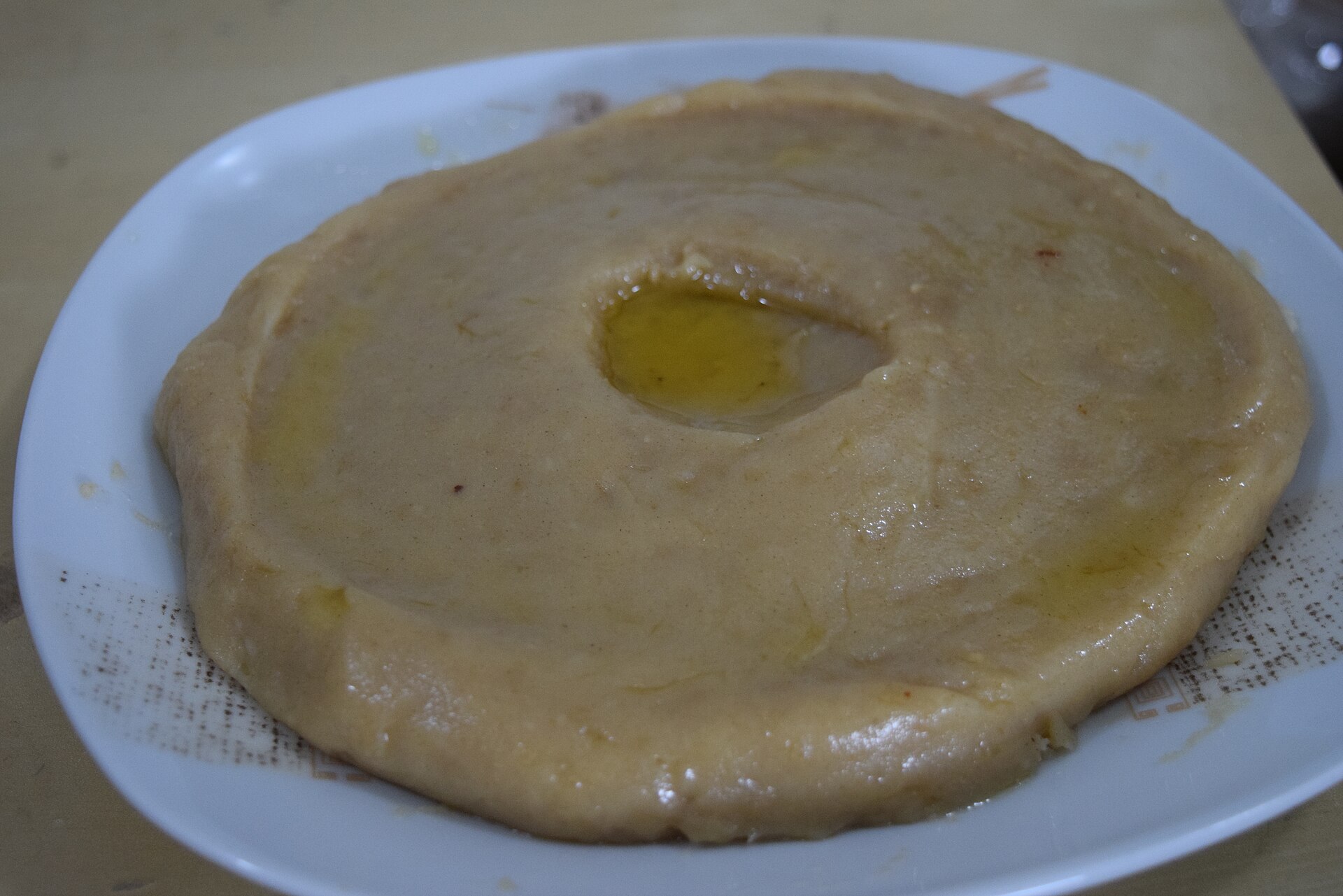
Najran, Saudi Arabia
A southern speciality of whole-wheat dough kneaded with ghee and shaped into a mound with a hollow in the middle, filled with honey or date syrup. Eaten with the hands, usually at breakfast or for guests.
Najran, Saudi Arabia
Lamb or chicken cooked slowly in a closed pit or oven over smoky heat and served on fragrant rice. Common across southern Saudi Arabia, with roots shared with neighbouring Yemen.
Najran, Saudi Arabia
Central Najran
Local restaurants serving mandi, haneeth and kabsa, plus grills, bakeries and cafés. Most have family sections.
Open in Google Maps (opens in a new tab)Older part of Najran, near the Emirate Palace
The old market area sells local honey, dates, spices, incense and crafts such as silver and traditional daggers, with small restaurants and tea stalls nearby.
Open in Google Maps (opens in a new tab)Najran, Saudi Arabia
Hotels and furnished apartments near the main roads and the old market, a short drive from the Emirate Palace and Al-Ukhdood.
Open in Google Maps (opens in a new tab)Najran, Saudi Arabia
Quieter hotels and apartments near the palm groves of the wadi, closer to the mud-brick villages such as Al-Aan.
Open in Google Maps (opens in a new tab)For many visitors the site matters both as archaeology and as the setting of a story from the Quran. The inscriptions also show how connected ancient Najran was to the wider world of trade.
Al-Ukhdood was the main city of the Najran oasis for many centuries, an important stop on the caravan routes that carried incense and other goods between southern Arabia and the north. Excavations have uncovered the foundations of stone buildings, a walled citadel, grinding stones, pottery and inscriptions in the ancient South Arabian script.
The site is associated with the “People of the Ditch” (Ashab al-Ukhdood) mentioned in Surah Al-Buruj of the Quran, generally linked to events in the early 6th century CE. It is now a protected archaeological site.
Walk the citadel and look for inscriptions.
See finds from the region and learn its history.
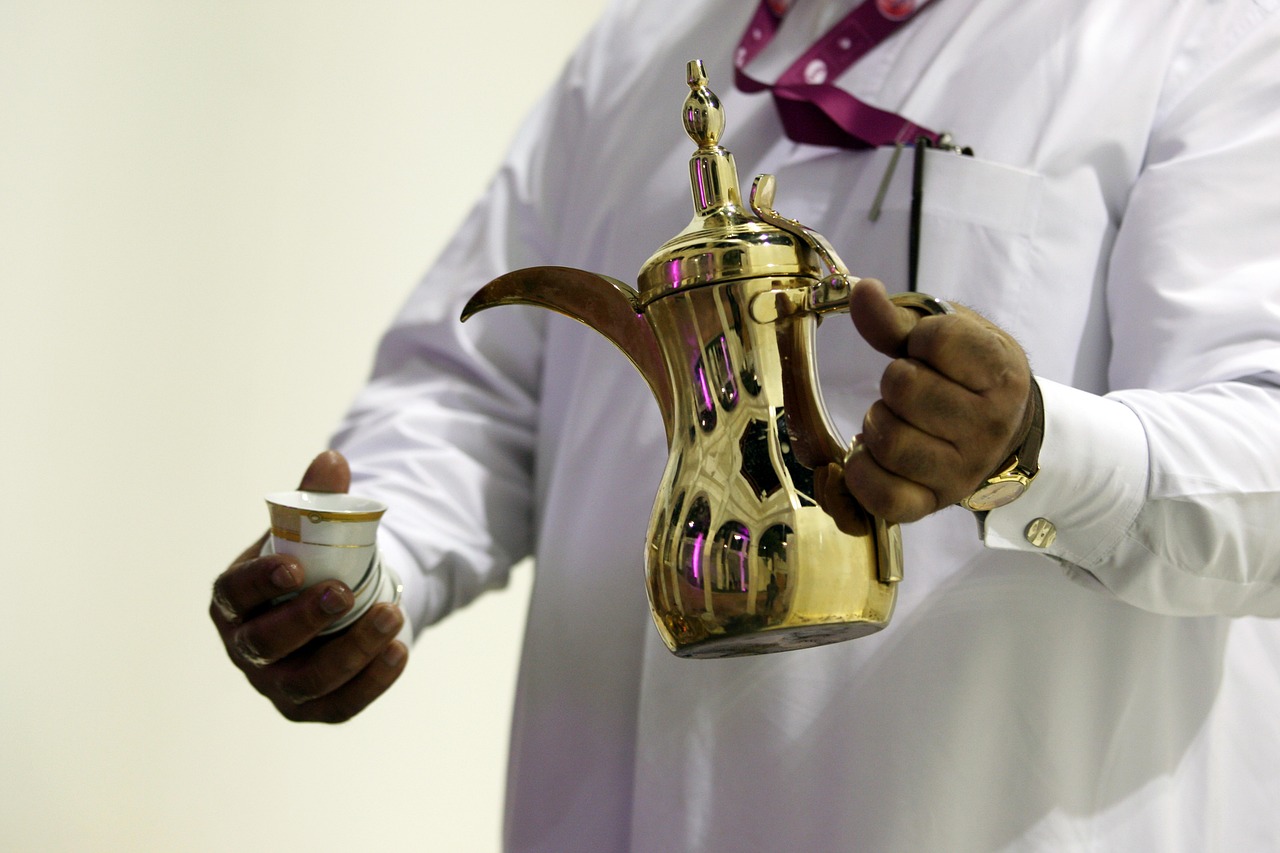
Mandi or haneeth in the city.
October to March, in the morning or late afternoon.