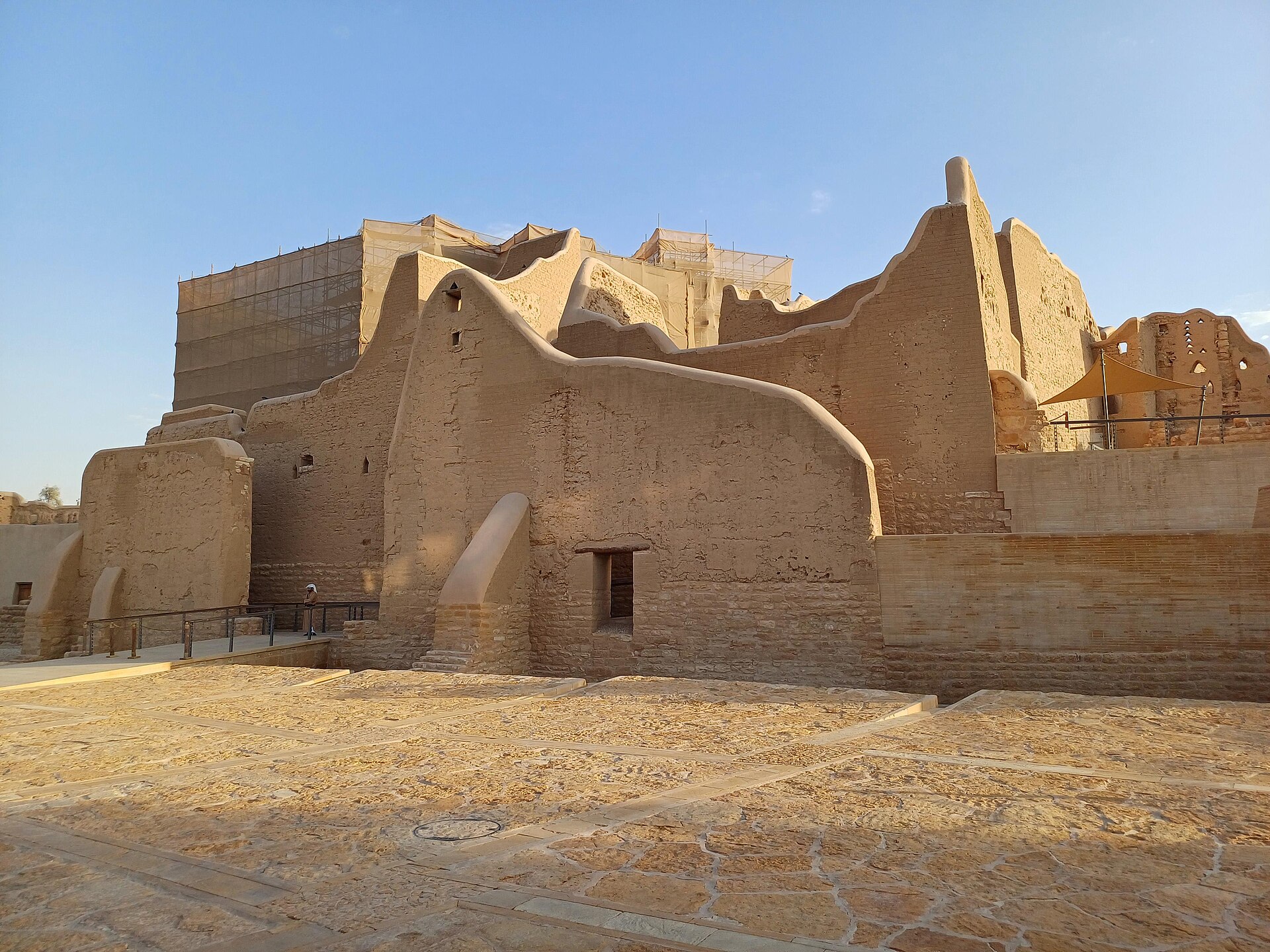
Salwa Palace
Heart of At-Turaif
The largest complex in At-Turaif, the former seat of the rulers of the First Saudi State. Its restored halls house galleries on the history of Diriyah.
Open in Google Maps (opens in a new tab)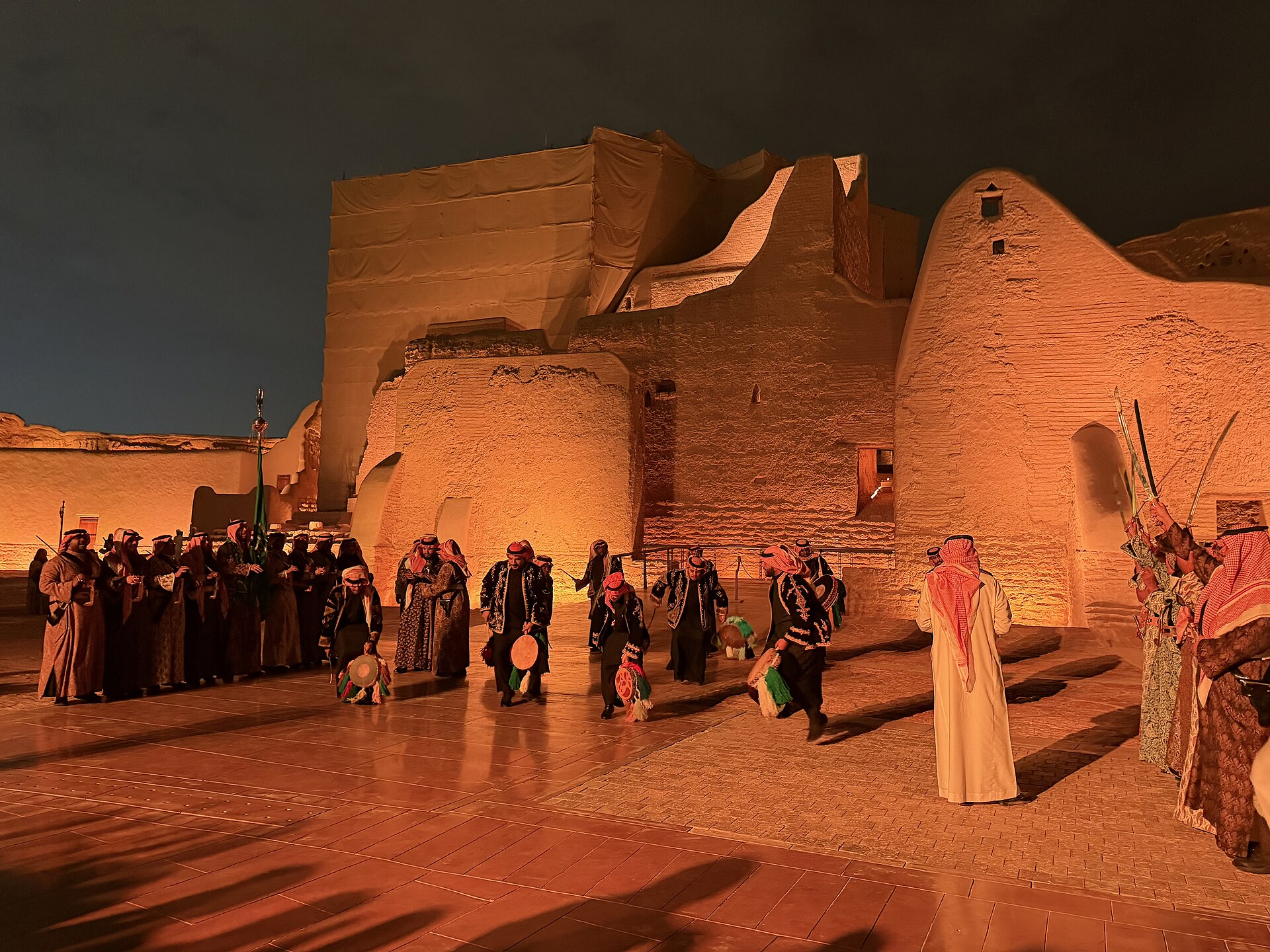
 Riyadh, Saudi Arabia
The mud-brick citadel of Diriyah, first capital of the Saudi state and a UNESCO World Heritage Site, restored as an open-air museum on the edge of Riyadh.
Heart of At-Turaif
The largest complex in At-Turaif, the former seat of the rulers of the First Saudi State. Its restored halls house galleries on the history of Diriyah.
Open in Google Maps (opens in a new tab)Beside Salwa Palace
The main mosque of old Diriyah, rebuilt in traditional Najdi style near the palace.
Open in Google Maps (opens in a new tab)Throughout At-Turaif
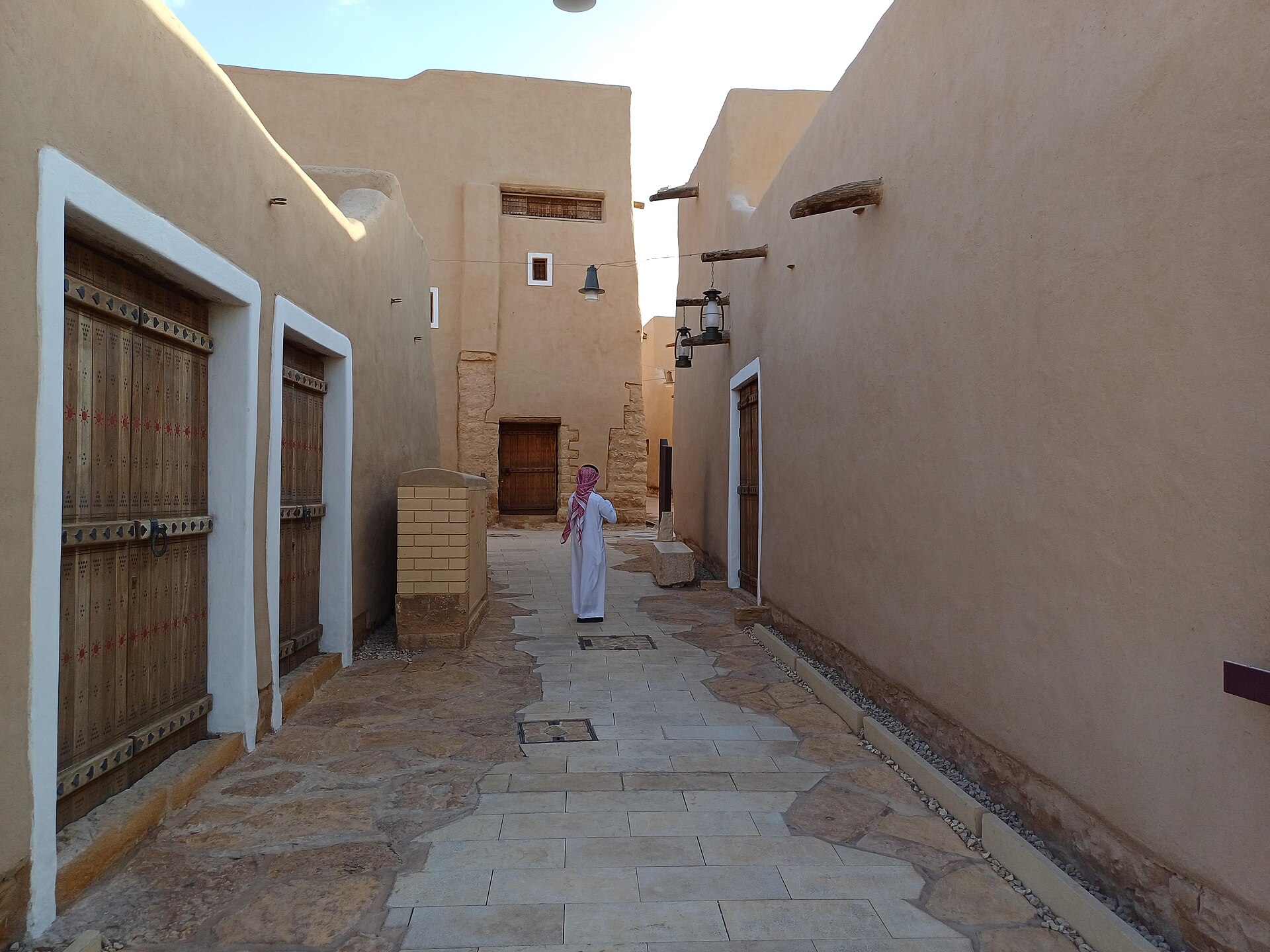
Narrow alleys between the restored houses and palaces lead to viewpoints over Wadi Hanifa and its palm groves.
Open in Google Maps (opens in a new tab)Across Wadi Hanifa
Restaurants and cafés facing the citadel — the best place to see At-Turaif lit up at night.
Open in Google Maps (opens in a new tab)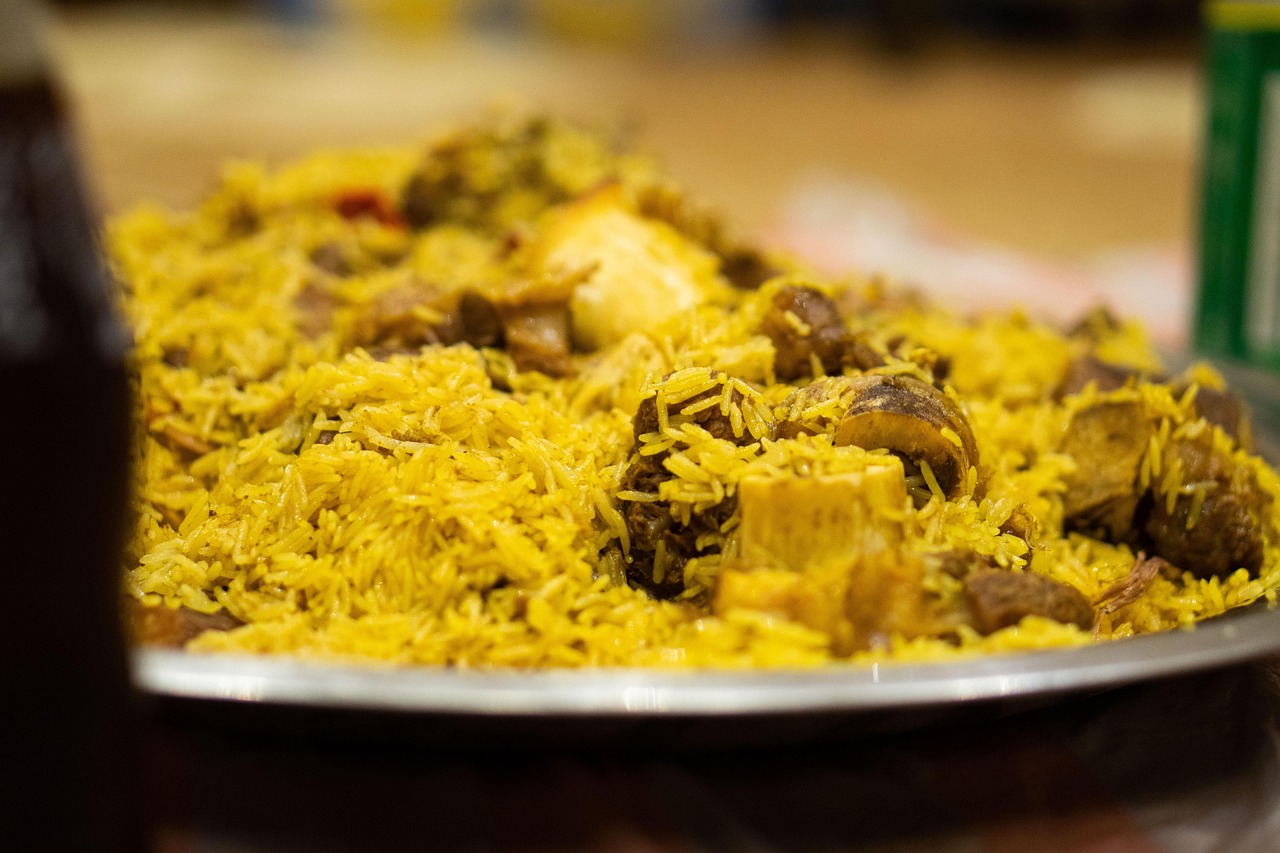
Riyadh, Saudi Arabia
Saudi Arabia's best-known dish: long-grain rice cooked with a warm spice mix, tomato and stock, piled on a large platter and topped with chicken or lamb, fried onions, nuts and raisins. Often shared from one tray.
Riyadh, Saudi Arabia
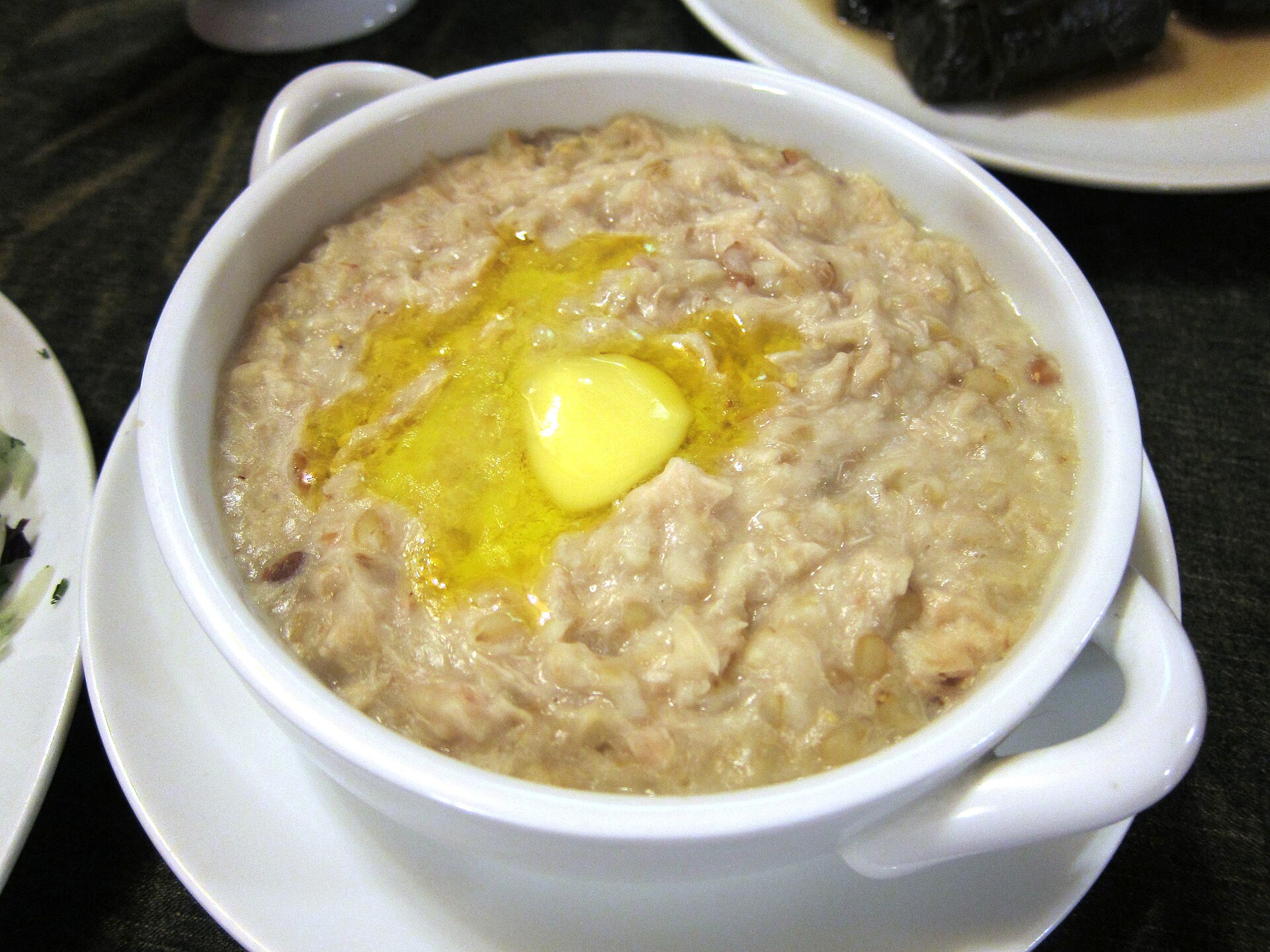
Cracked wheat slow-cooked with meat or chicken, onion and spices until creamy, a traditional dish of the Najd region around Riyadh.
Riyadh, Saudi Arabia
Diriyah, across Wadi Hanifa from At-Turaif
A dining terrace of Saudi and international restaurants and cafés overlooking the mud-brick ruins of At-Turaif. Especially pleasant in the evening when the old walls are lit.
Open in Google Maps (opens in a new tab)Diriyah and Wadi Hanifa
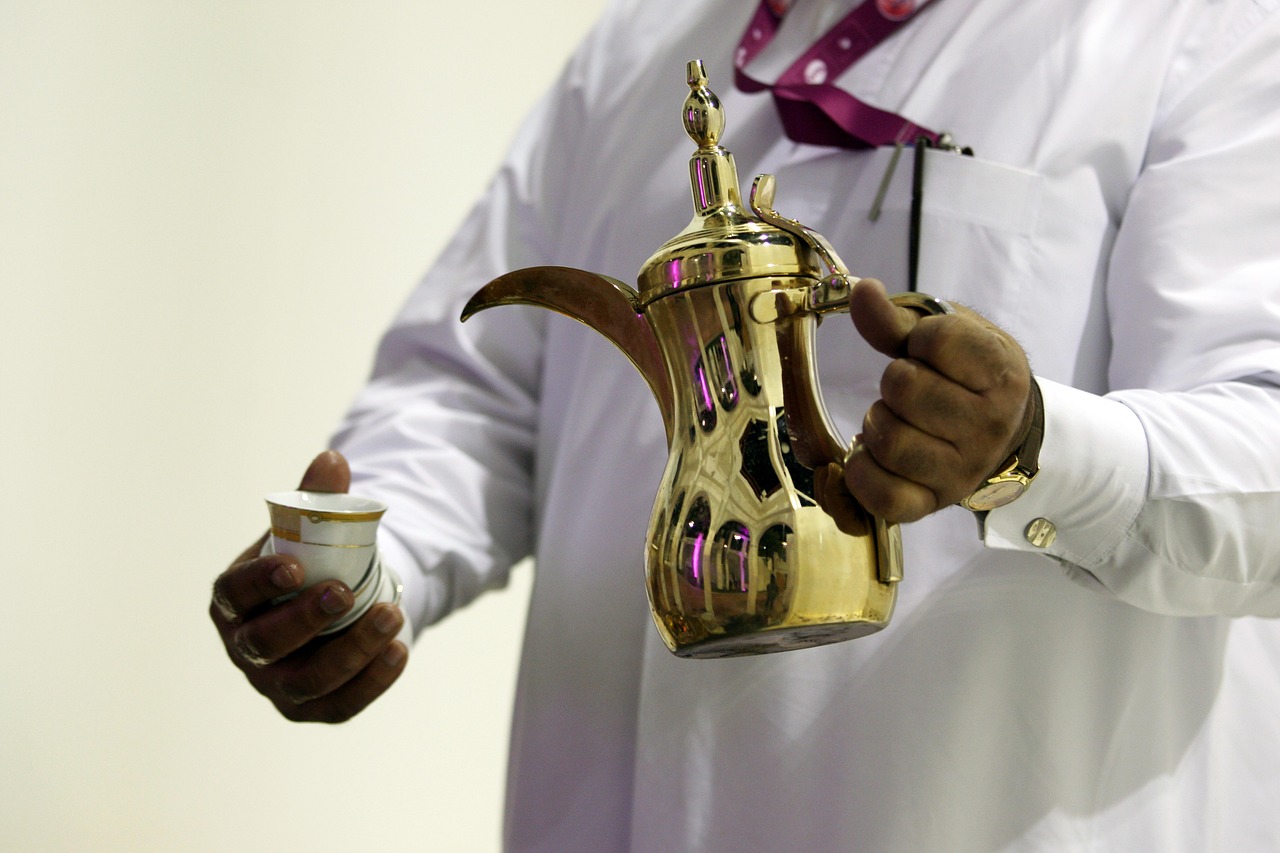
Coffee shops serving Saudi coffee, specialty coffee and dates, many with views of the old town.
Open in Google Maps (opens in a new tab)Riyadh, Saudi Arabia
On the north-western edge of the city beside At-Turaif and Bujairi Terrace: quieter and more scenic, with newer upscale hotels as the Diriyah development grows.
Open in Google Maps (opens in a new tab)Riyadh, Saudi Arabia
The modern business heart of Riyadh, around Kingdom Centre and Al Faisaliah Tower: large international hotels, malls and restaurants, and the Riyadh Metro Blue Line along Olaya Street.
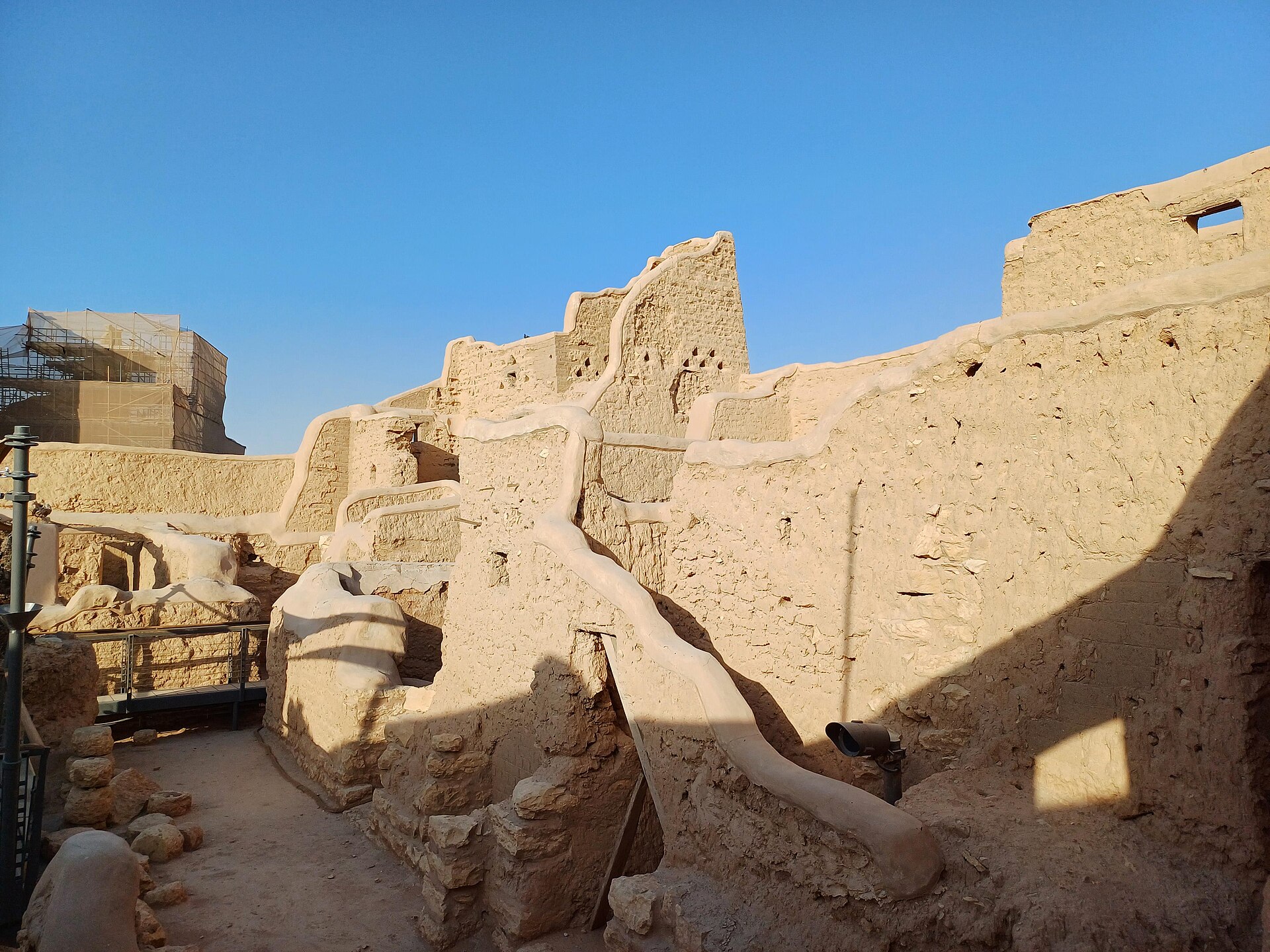
Open in Google Maps (opens in a new tab)At-Turaif is where Saudis trace the beginning of their state, and Founding Day (22 February) recalls the founding of the First Saudi State. The site is a showcase of Najdi architecture: thick mud-brick walls, palm-trunk beams, triangular vents and decorated wooden doors.
At-Turaif is the oldest district of Diriyah, on a rise above the palm groves of Wadi Hanifa. Diriyah was settled in the 15th century and became the seat of the House of Saud. In the 18th century it was the capital of the First Saudi State, which grew to rule much of the Arabian Peninsula, and At-Turaif held its palaces, mosques and the homes of its ruling family, all built in the Najdi mud-brick style.
In 1818 an Ottoman-Egyptian army besieged and destroyed Diriyah, and the capital later moved to Riyadh. The ruins were inscribed as a UNESCO World Heritage Site in 2010. After years of restoration, At-Turaif opened to visitors with walking routes, restored buildings and galleries telling the story of the first Saudi state.
Take a taxi to Diriyah and enter At-Turaif with your ticket.
Salwa Palace, the mosque and the lanes and viewpoints over Wadi Hanifa.
Cross to Bujairi Terrace as the walls light up.
Saudi or international dinner with views of the ruins.
October to March, from late afternoon into the evening, when the heat eases and the walls are lit.
From central Riyadh: about 20–30 minutes by taxi or ride-hailing app to Diriyah, north-west of the city centre. Tickets for At-Turaif are sold through the official Diriyah website and app — check them for current opening days and times.