Yaowarat Road
The main street of Chinatown
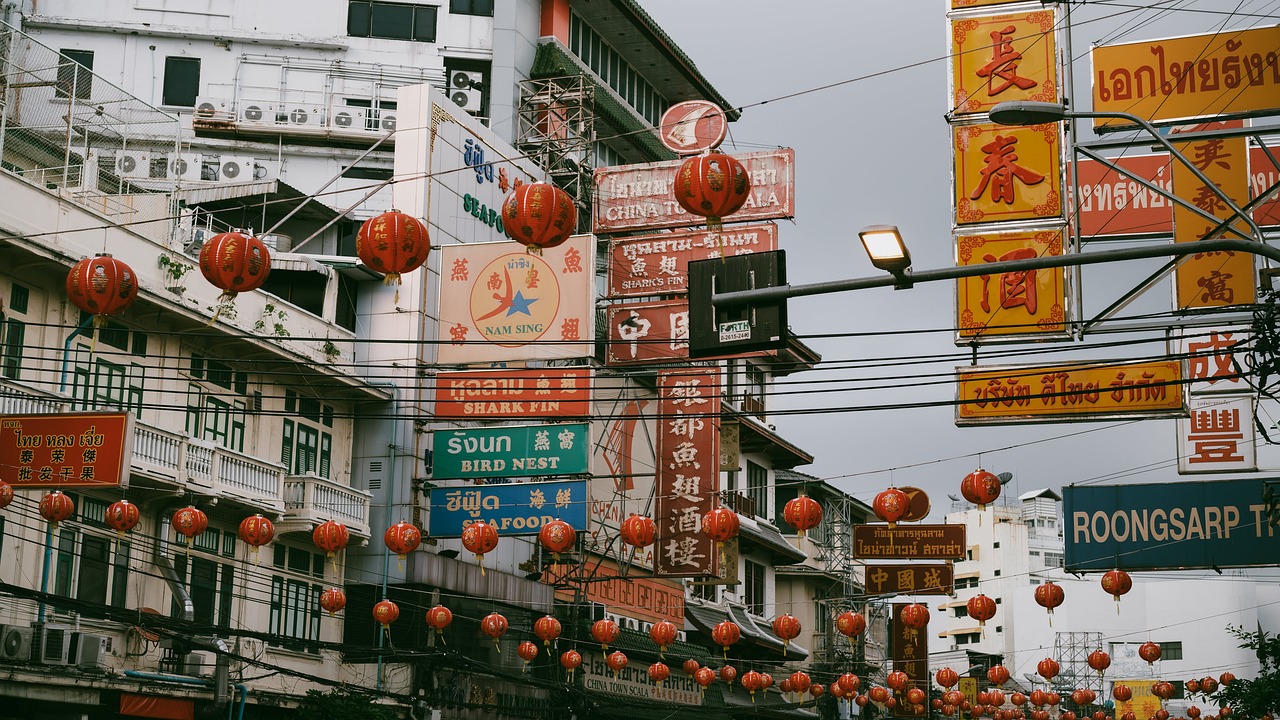
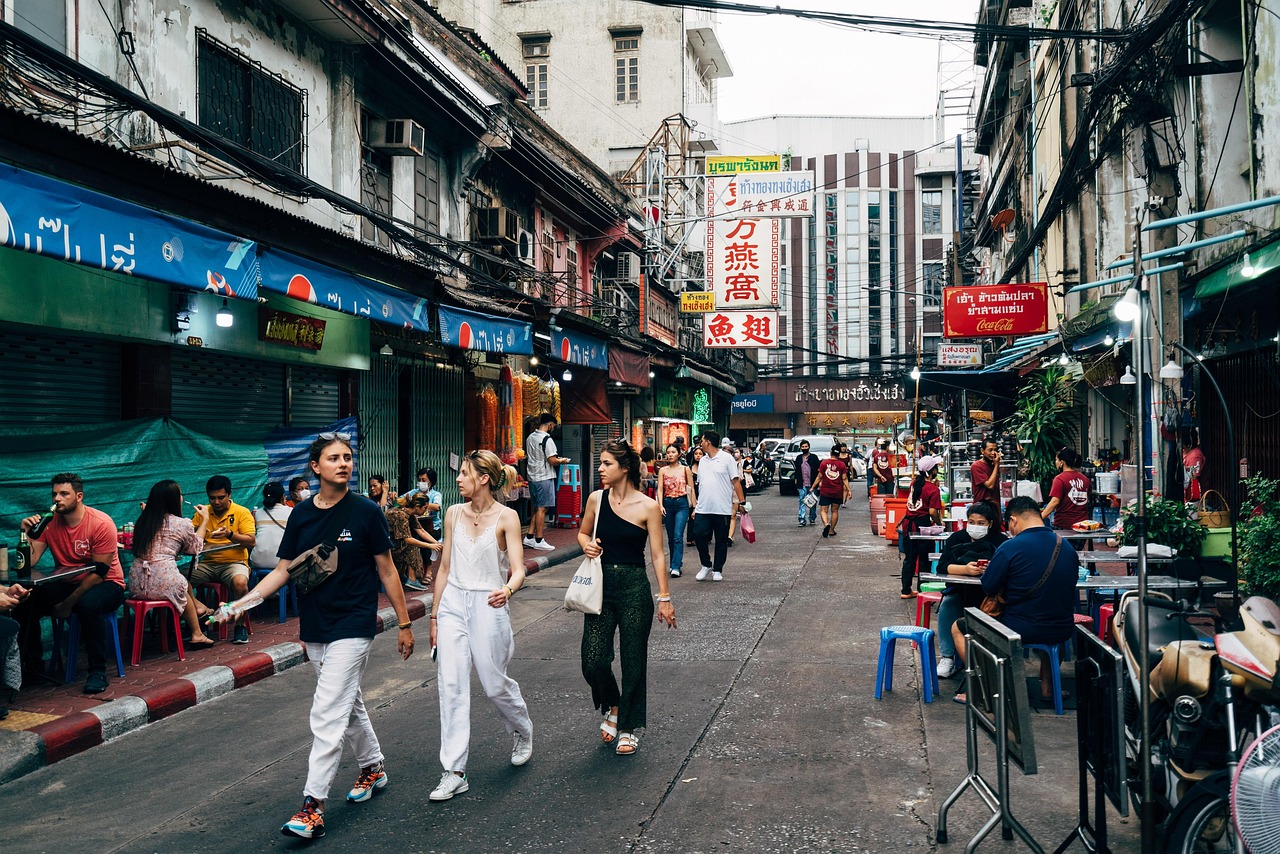
Gold shops, neon signs and, after dark, a long line of street-food stalls along both pavements. The busiest stretch is around the junction with Phadung Dao Road.
Open in Google Maps (opens in a new tab)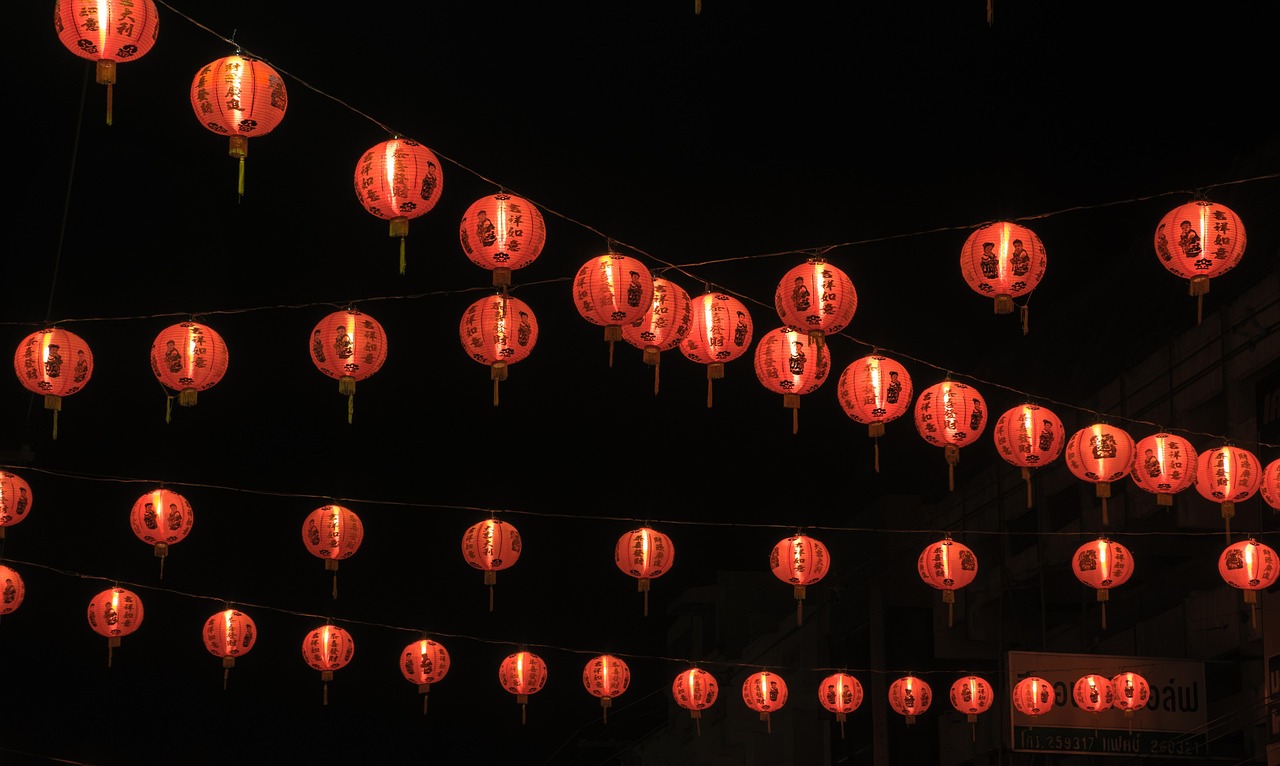
 Bangkok, Thailand
Bangkok's Chinatown: gold shops, temples and narrow market lanes by day, and one of Asia's great street-food streets after dark.
The main street of Chinatown
Gold shops, neon signs and, after dark, a long line of street-food stalls along both pavements. The busiest stretch is around the junction with Phadung Dao Road.
Open in Google Maps (opens in a new tab)Near Hua Lamphong, at the east end of Yaowarat
A seated Buddha of solid gold weighing about five and a half tonnes. Its gold was hidden under plaster for centuries and only discovered in 1955, when the image was dropped while being moved.
Open in Google Maps (opens in a new tab)Charoen Krung Road
Bangkok's most important Chinese Buddhist temple, also called Wat Leng Noei Yi, busy with incense and worshippers, especially at Chinese New Year and during the vegetarian festival.
Open in Google Maps (opens in a new tab)Soi Wanit 1, parallel to Yaowarat
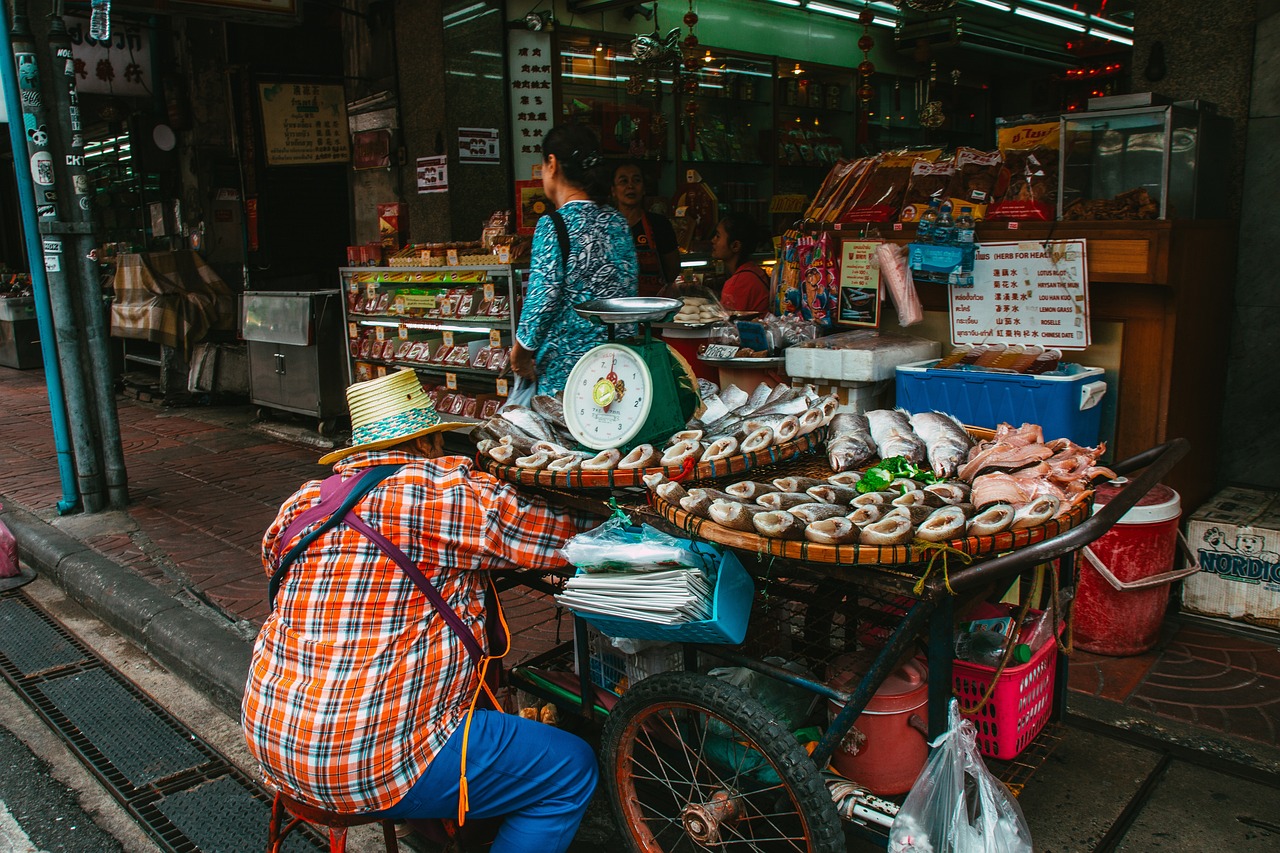
A narrow, crowded wholesale lane selling everything from fabric and beads to toys and kitchenware. Best in the morning before it gets too packed.
Open in Google Maps (opens in a new tab)Riverside, south-east of Yaowarat
An old riverside neighbourhood of machine workshops, small shrines, street art and cafés in old warehouses — quieter than the main street.
Open in Google Maps (opens in a new tab)Bangkok, Thailand
Rolled rice noodles in a peppery broth with crispy pork belly and offal — a Chinatown classic at night.
Bangkok, Thailand
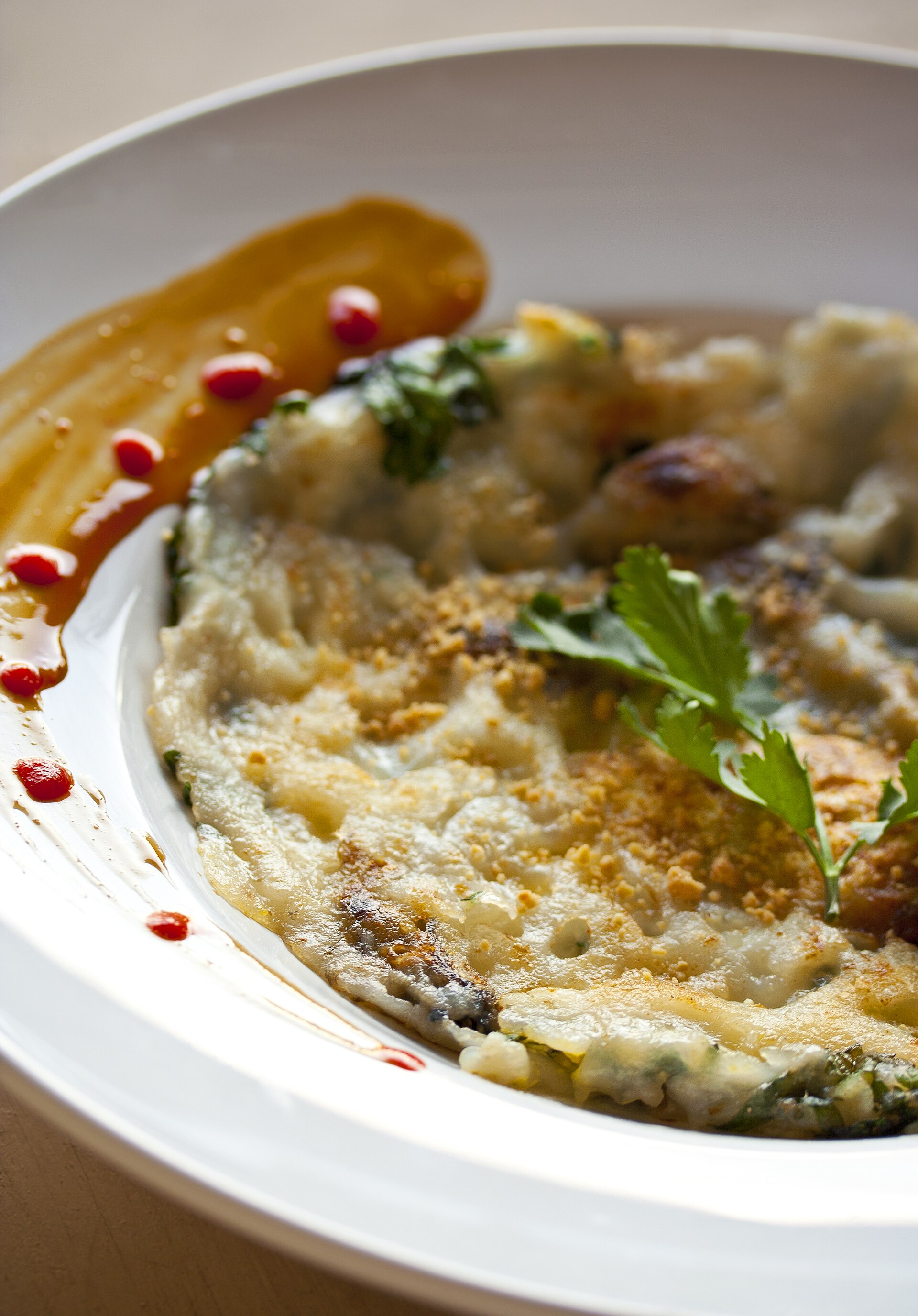
Oysters or mussels fried in a crisp batter with egg and bean sprouts, served with chilli sauce.
Bangkok, Thailand
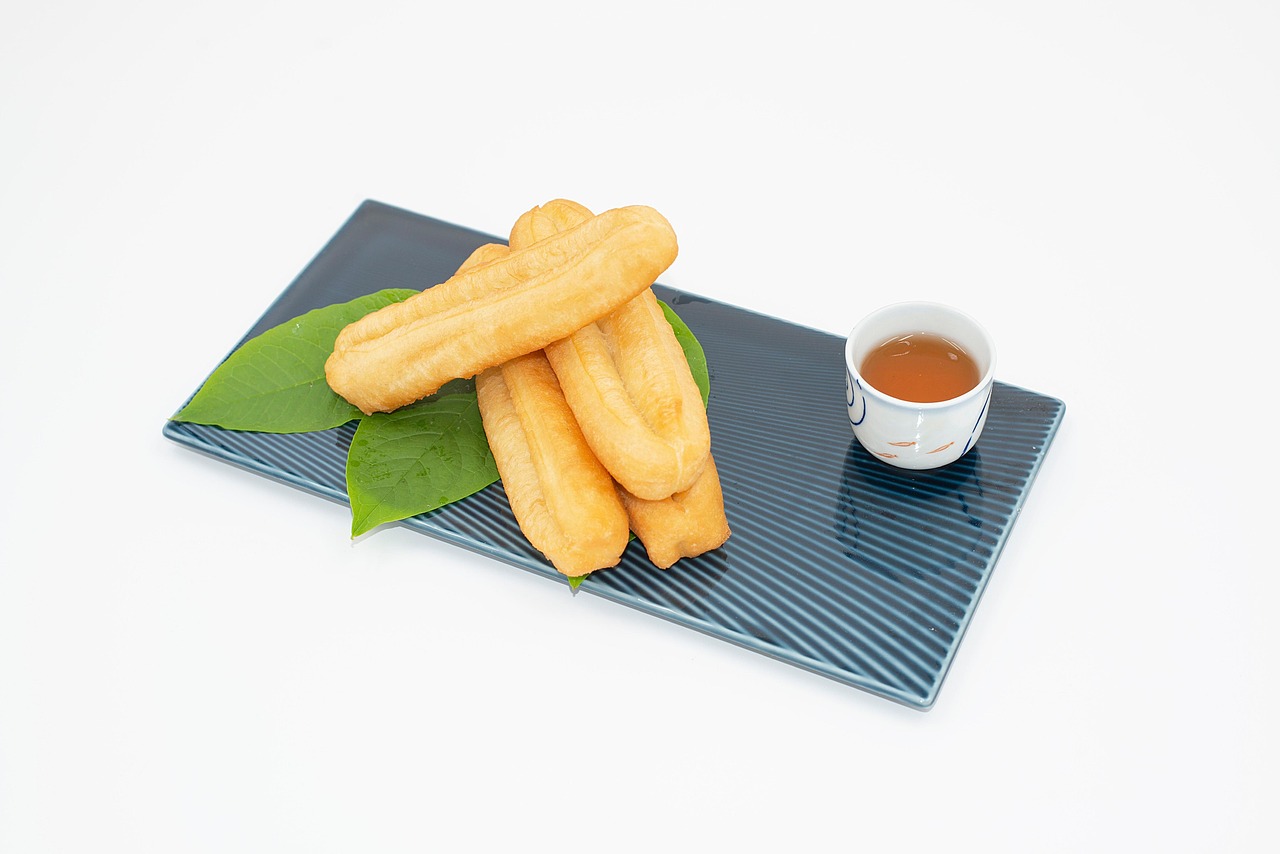
Small fried dough sticks eaten in the morning or evening, often dipped in sweet pandan custard or condensed milk.
Yaowarat Road, evenings
From early evening, stalls line the road selling noodles, dim sum, grilled seafood, fruit and desserts. Walk the length of it and graze.
Open in Google Maps (opens in a new tab)Corner of Yaowarat and Phadung Dao roads
Big open-air seafood restaurants face each other on this corner, cooking grilled prawns, crab and fish late into the night.
Open in Google Maps (opens in a new tab)Riverside lanes of Talat Noi
Small cafés and Thai-Chinese eateries in old shophouses and warehouses, quieter places for a daytime break.
Open in Google Maps (opens in a new tab)Bangkok, Thailand
Staying in Yaowarat itself puts the evening food streets on your doorstep, with boutique hotels in converted shophouses and MRT Wat Mangkon for quick connections.
Open in Google Maps (opens in a new tab)Bangkok, Thailand
Bangkok's classic hotel strip along the Chao Phraya, next to Sathorn pier and BTS Saphan Taksin. Easy to reach the Old Town by boat and the rest of the city by Skytrain.
Open in Google Maps (opens in a new tab)Chinatown mixes Thai and Chinese customs: you will see joss sticks and red paper offerings, and during Chinese New Year the streets fill with lion dances and lanterns. In October, the vegetarian festival turns many stalls yellow-flagged and meat-free. In Chinese temples, as in Thai ones, dress modestly and do not step on door thresholds.
Chinese traders were moved here in 1782 to make way for the Grand Palace, and Yaowarat Road, built in the 1890s, became the heart of Bangkok's Chinese community. Gold shops, herbal pharmacies and wholesale markets still line the street.
Look for Wat Traimit with its five-tonne solid-gold Buddha, the Chinese temple Wat Mangkon Kamalawat, and Sampeng Lane's endless wholesale stalls.
See the Golden Buddha in the late afternoon.
Walk through the market lanes to the Chinese temple.
Wander the riverside lanes, street art and old shophouses.
Graze the food stalls after dark.
Evenings, any day except Monday.
MRT Blue Line to Wat Mangkon station, which opens onto Yaowarat Road.
Chinatown is best explored on foot — the lanes are too narrow and busy for cars. MRT Wat Mangkon opens onto Yaowarat Road, and MRT Hua Lamphong is close to Wat Traimit. The Chao Phraya Express Boat stops at Ratchawong pier, a short walk south of the main street. Traffic on Yaowarat is slow at night, so do not count on a quick taxi.
Come hungry after 6 pm when the stalls set up. Many shops close on Mondays.