
Tea plantations
Slopes around the village
Terraces of oolong tea curve around the hills; several tea estates welcome visitors to walk among the bushes and taste.
Open in Google Maps (opens in a new tab)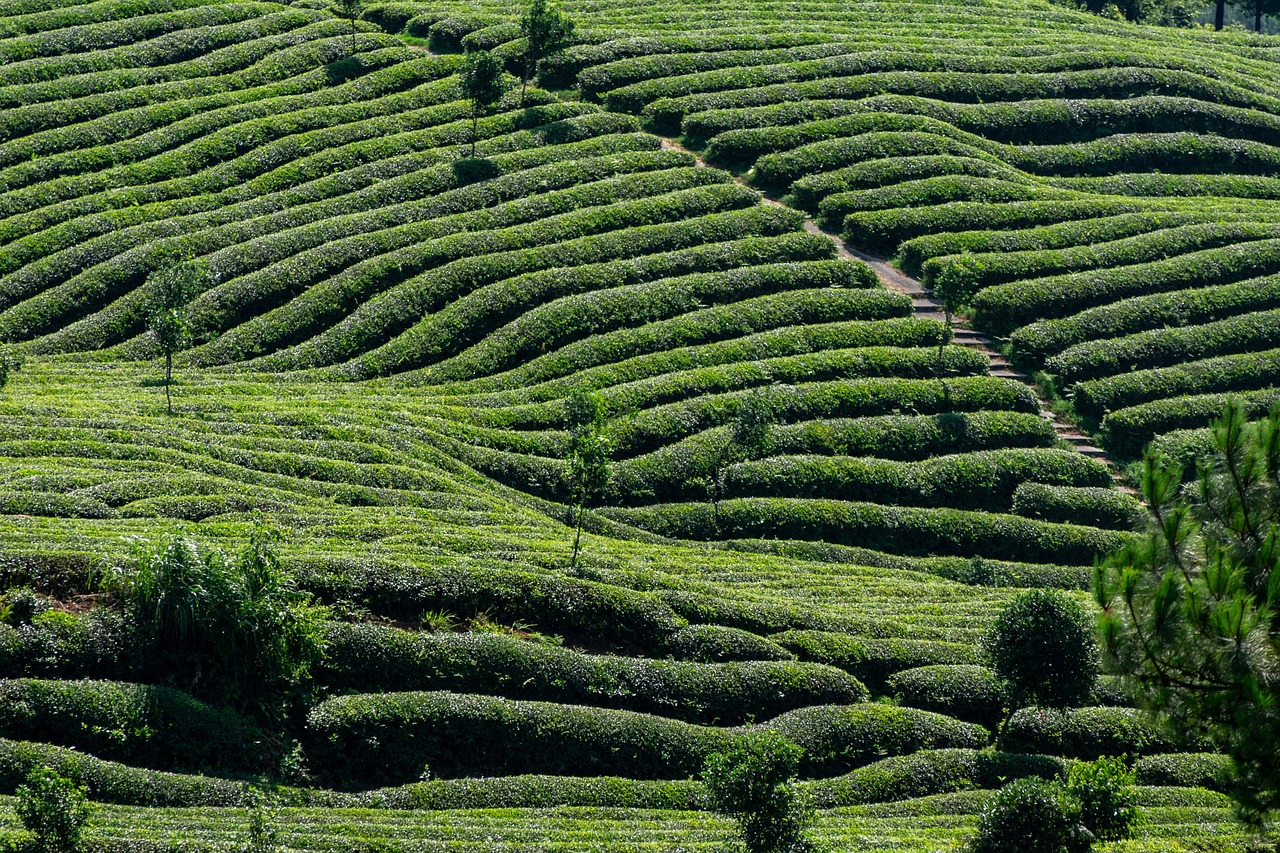
 Chiang Rai, Thailand
A mountain village of tea plantations settled by Chinese soldiers who stayed after 1949, with tea tastings, Yunnan food and misty views.
Slopes around the village
Terraces of oolong tea curve around the hills; several tea estates welcome visitors to walk among the bushes and taste.
Open in Google Maps (opens in a new tab)Hilltop above the village
A chedi built in honour of the Princess Mother on the highest point, with sweeping views of the mountains and village.
Open in Google Maps (opens in a new tab)Edge of the village
A Chinese-style memorial hall and museum telling the story of the Nationalist soldiers who settled here.
Open in Google Maps (opens in a new tab)Village centre
An early market where hill-tribe villagers from Akha, Lisu and other communities sell vegetables, crafts and snacks.
Open in Google Maps (opens in a new tab)Chiang Rai, Thailand
Noodle soups in the style of China’s Yunnan province, brought by the settlers and still served in village shops.
Chiang Rai, Thailand
A Yunnanese dish of soft braised pork leg eaten with steamed buns — a speciality of the village.
Chiang Rai, Thailand
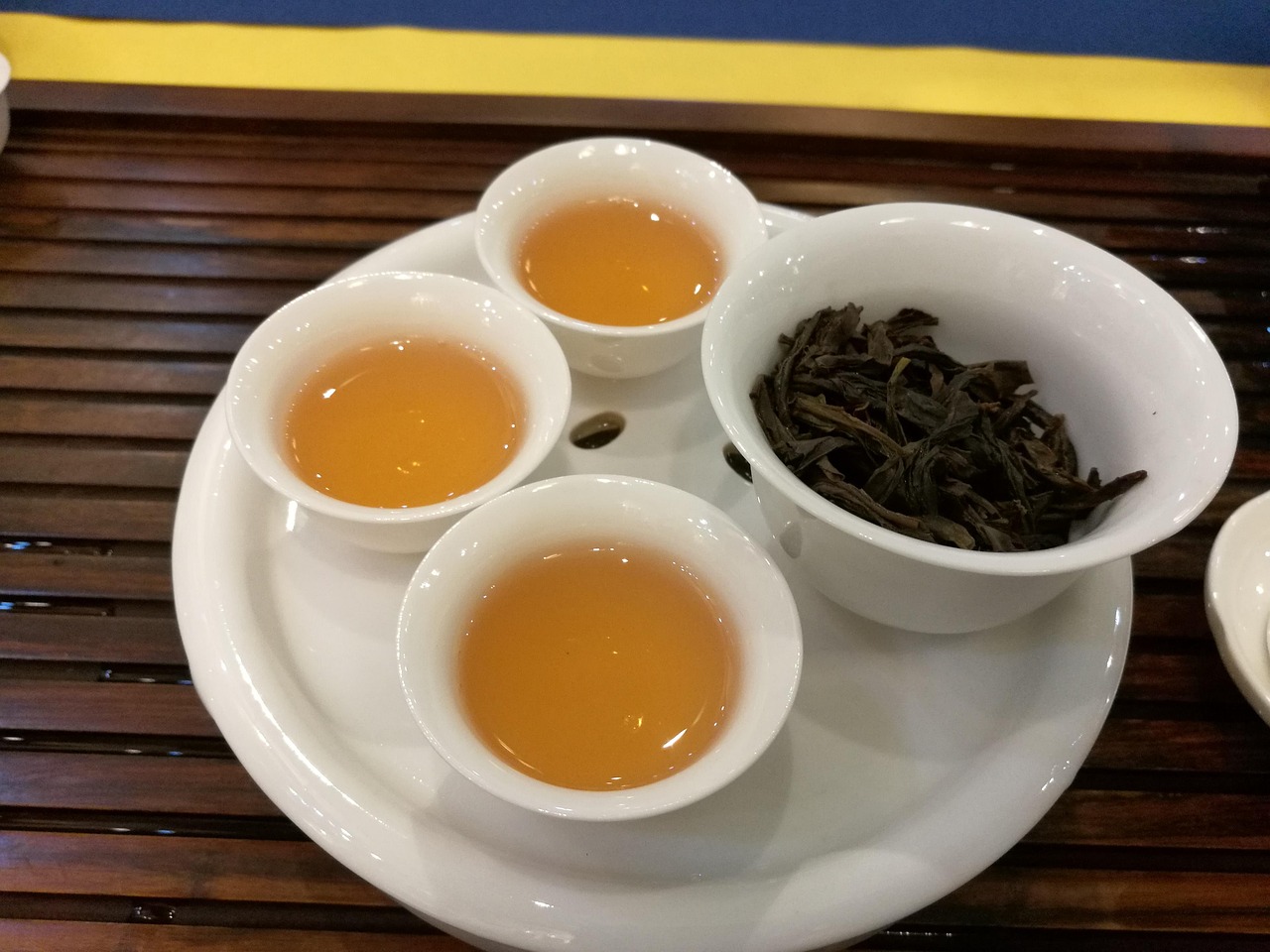
The local tea, offered for tasting at the tea shops along the main road.
Village centre
Family-run restaurants serve Yunnan dishes, noodles and buns.
Open in Google Maps (opens in a new tab)Village centre
Steamed buns, soy milk and snacks for an early breakfast.
Open in Google Maps (opens in a new tab)Along the main road
Tea houses offering free tastings of the village oolong.
Open in Google Maps (opens in a new tab)Chiang Rai, Thailand
Guesthouses and small resorts on the ridge, many with views over the tea terraces — stay a night to see the morning mist.
Open in Google Maps (opens in a new tab)Chiang Rai, Thailand
Around the clock tower and the Night Bazaar: guesthouses and hotels within walking distance of restaurants, the walking streets and the bus terminal.
Open in Google Maps (opens in a new tab)Mae Salong is a mix of Chinese-Yunnanese families and hill-tribe villages, with Chinese signs, lanterns and Mandarin heard alongside Thai. Ask before photographing people in the hill-tribe villages and at the market, and buy tea directly from the estates and shops.
Soldiers of the Chinese Nationalist army retreated here from Yunnan after the 1949 revolution. The village, also called Santikhiri, kept its Chinese character, and oolong tea replaced opium on its slopes.
Leave early for the winding road north-west.
Walk among the terraces and taste oolong at a tea estate.
Try noodles or pork leg with mantou in the village.
Climb to the hilltop chedi and visit the memorial museum before heading back.
November to February; cherry blossom around January.
About 1.5–2 hours north-west of Chiang Rai by car; the road is steep and winding.
Buses run from Chiang Rai towards Mae Chan, where green songthaews go up to the village when full. Most visitors come by car with driver or a tour. In the village, walking is easiest, though the main road is steep.
Try the oolong tea and Yunnan noodles; mornings are often misty.