Wat Phra Kaew and the Emerald Buddha
Temple compound, first area inside the main gate
 Bangkok, Thailand
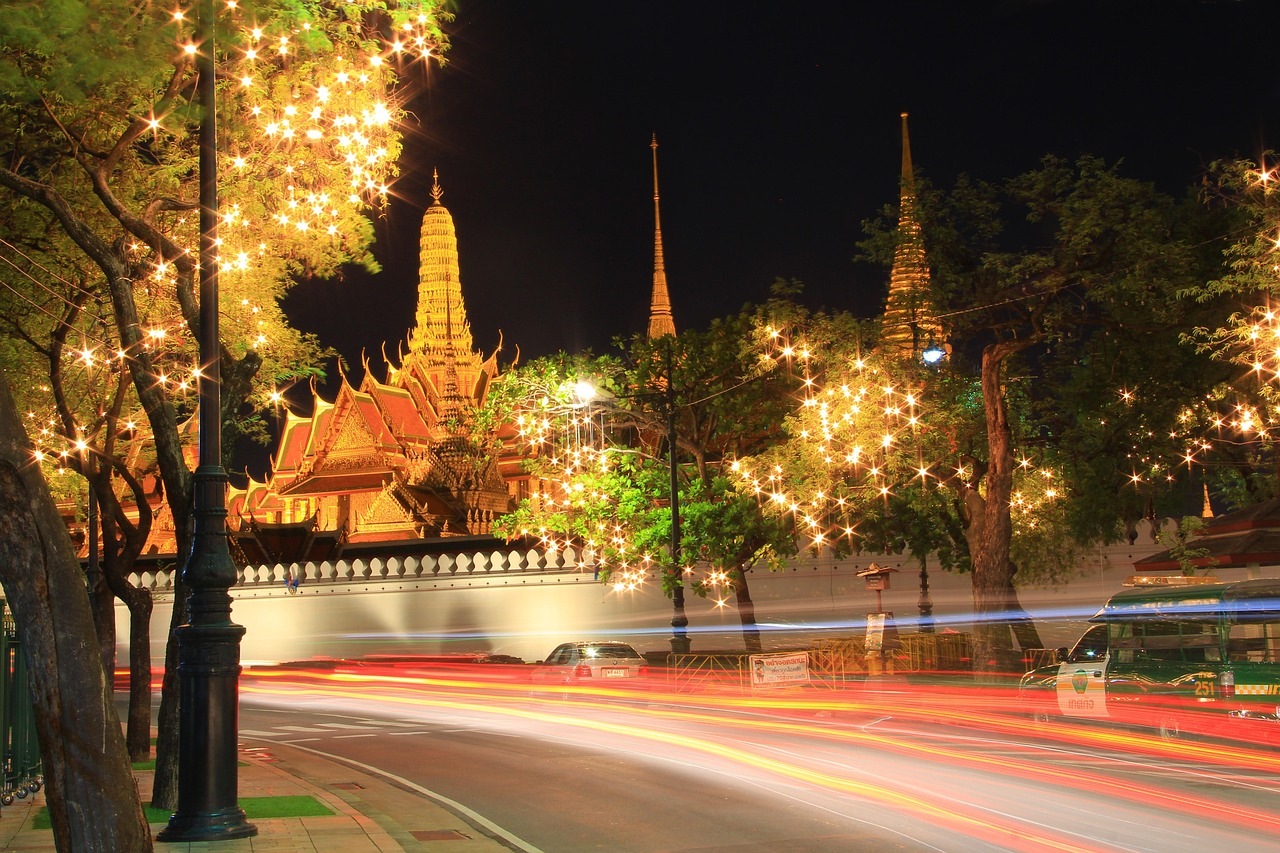
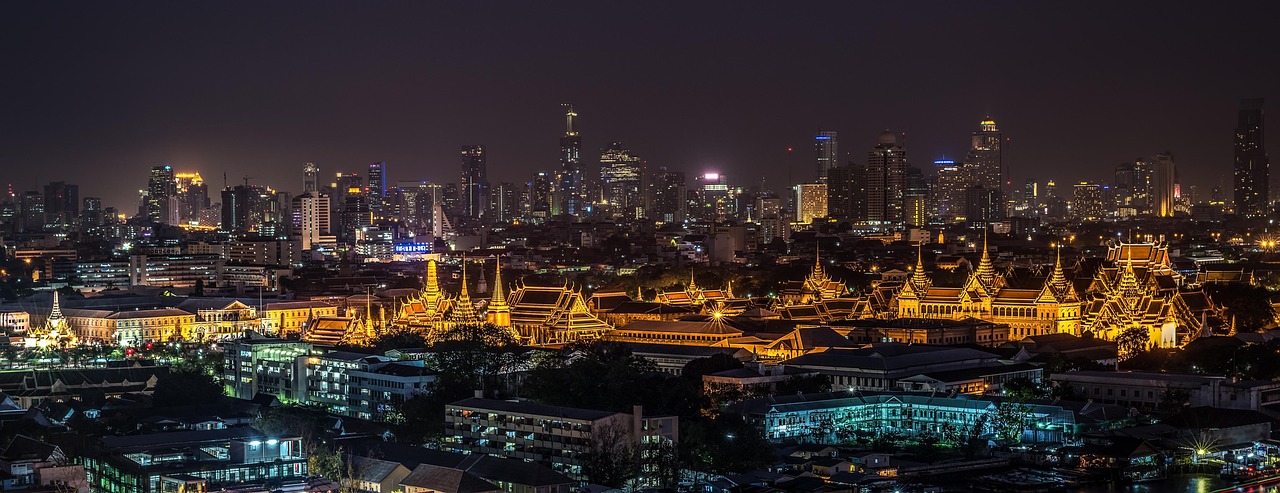
Bangkok's royal palace and the Temple of the Emerald Buddha: golden spires, mirrored halls and the most sacred Buddha image in Thailand, in one walled complex by the river.
Temple compound, first area inside the main gate
Cloister gallery around Wat Phra Kaew
The covered walkway around the temple is painted with the whole Ramakien, the Thai version of the Ramayana, in nearly 180 panels. Follow them clockwise to read the story of Rama, Sita and the monkey general Hanuman.
Open in Google Maps (opens in a new tab)Upper terrace of Wat Phra Kaew
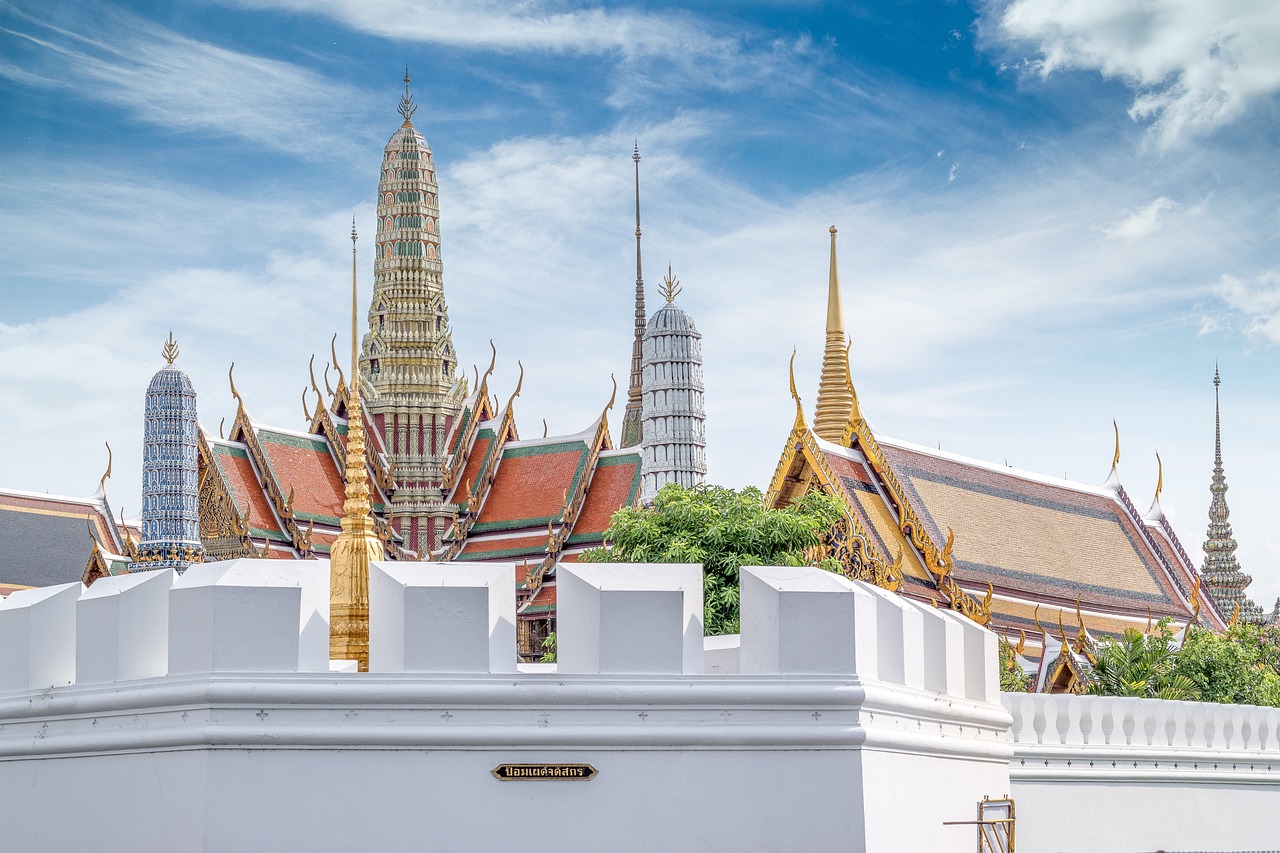
A golden Sri Lankan-style chedi stands beside the Phra Mondop library and the Royal Pantheon. Nearby is a stone model of Angkor Wat, made under King Rama IV.
Open in Google Maps (opens in a new tab)Gates of Wat Phra Kaew
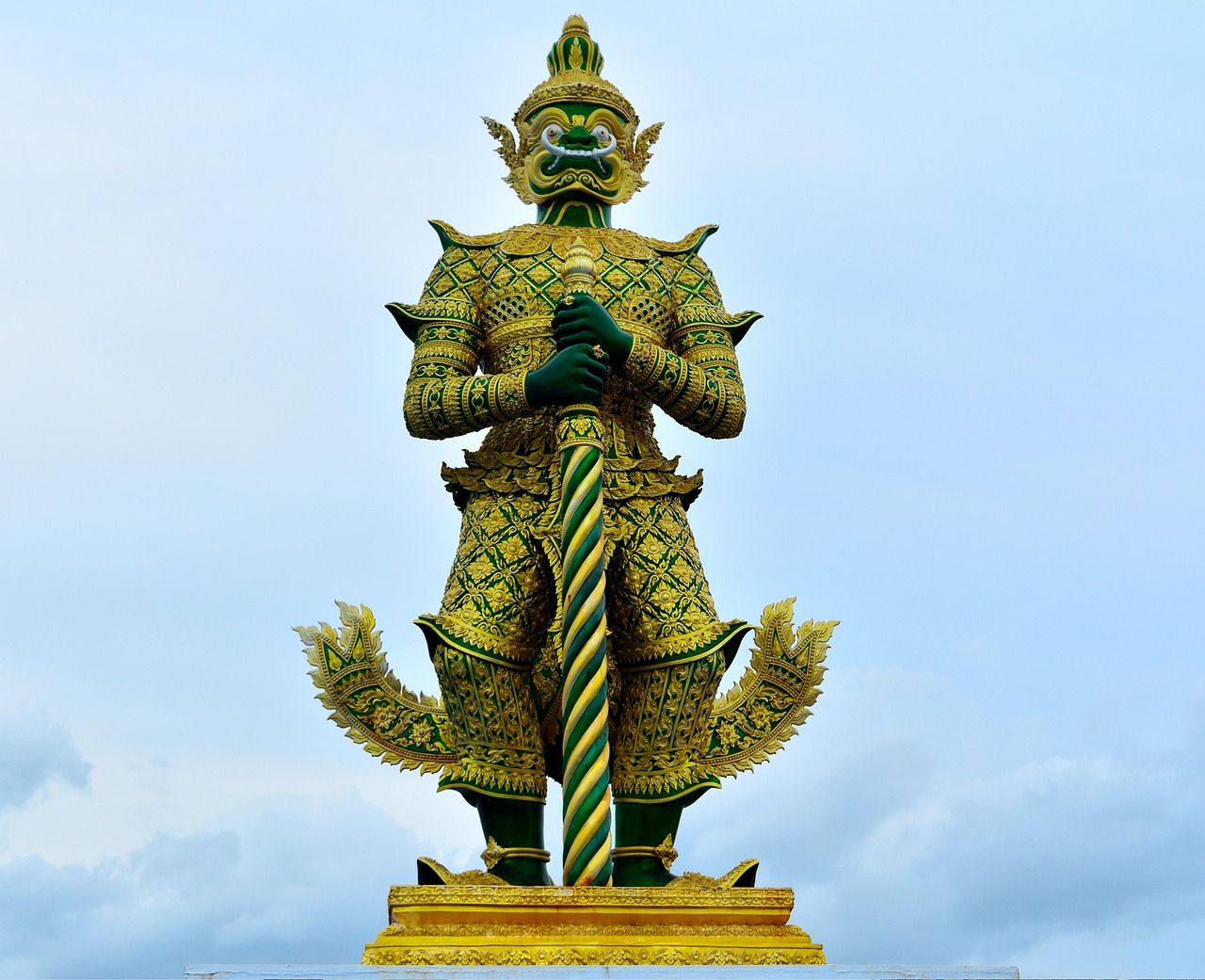
Giant demon guardians from the Ramakien, each in a different colour, stand in pairs at the temple gates holding clubs. They are among the most photographed figures in Bangkok.
Open in Google Maps (opens in a new tab)Palace courtyard, south of the temple
Built under King Rama V in the 1880s, the hall has a European-style building topped by three Thai spired roofs — a symbol of the palace itself. Visitors see it from the courtyard outside.
Open in Google Maps (opens in a new tab)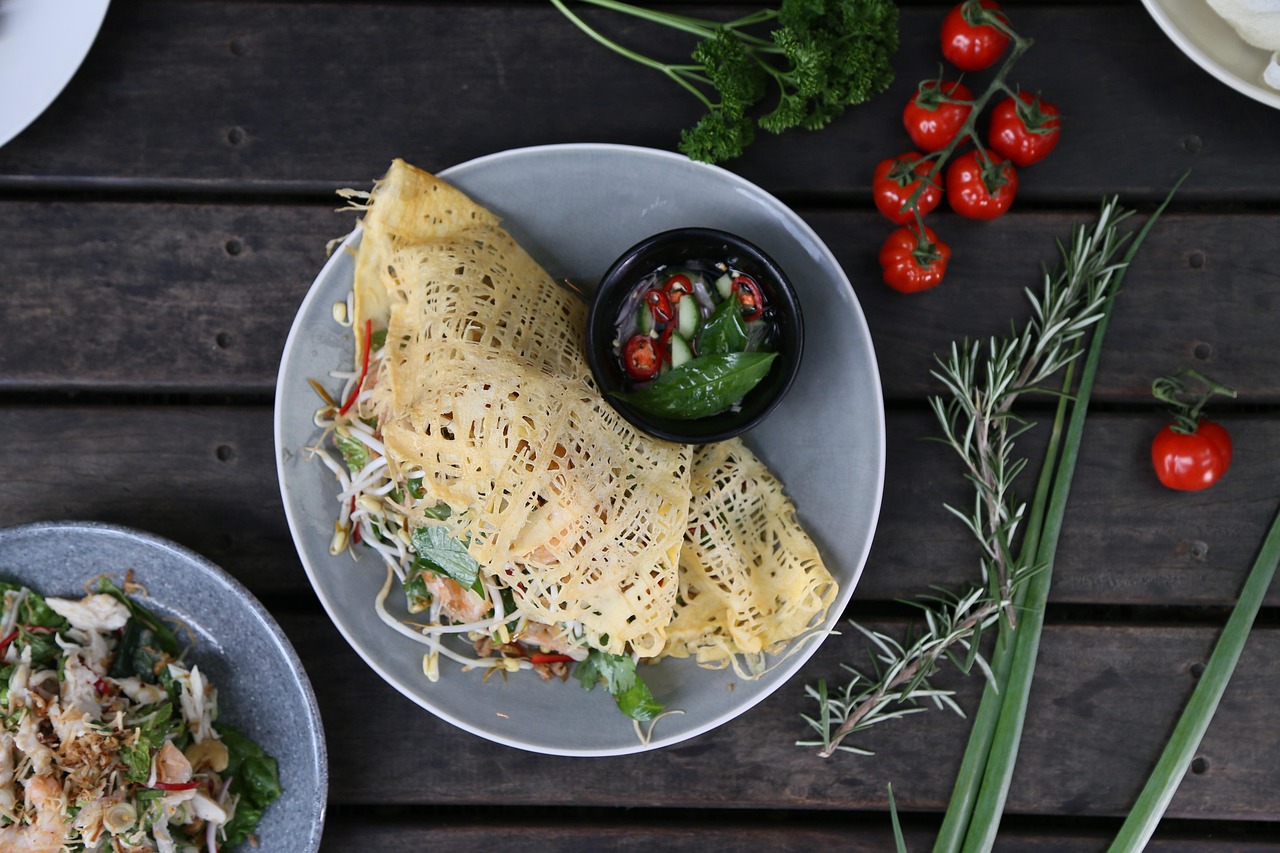
Bangkok, Thailand
Stir-fried rice noodles with egg, tofu, shrimp, bean sprouts and peanuts, finished with lime. The old-town shops around Maha Chai Road are famous for it.
Bangkok, Thailand
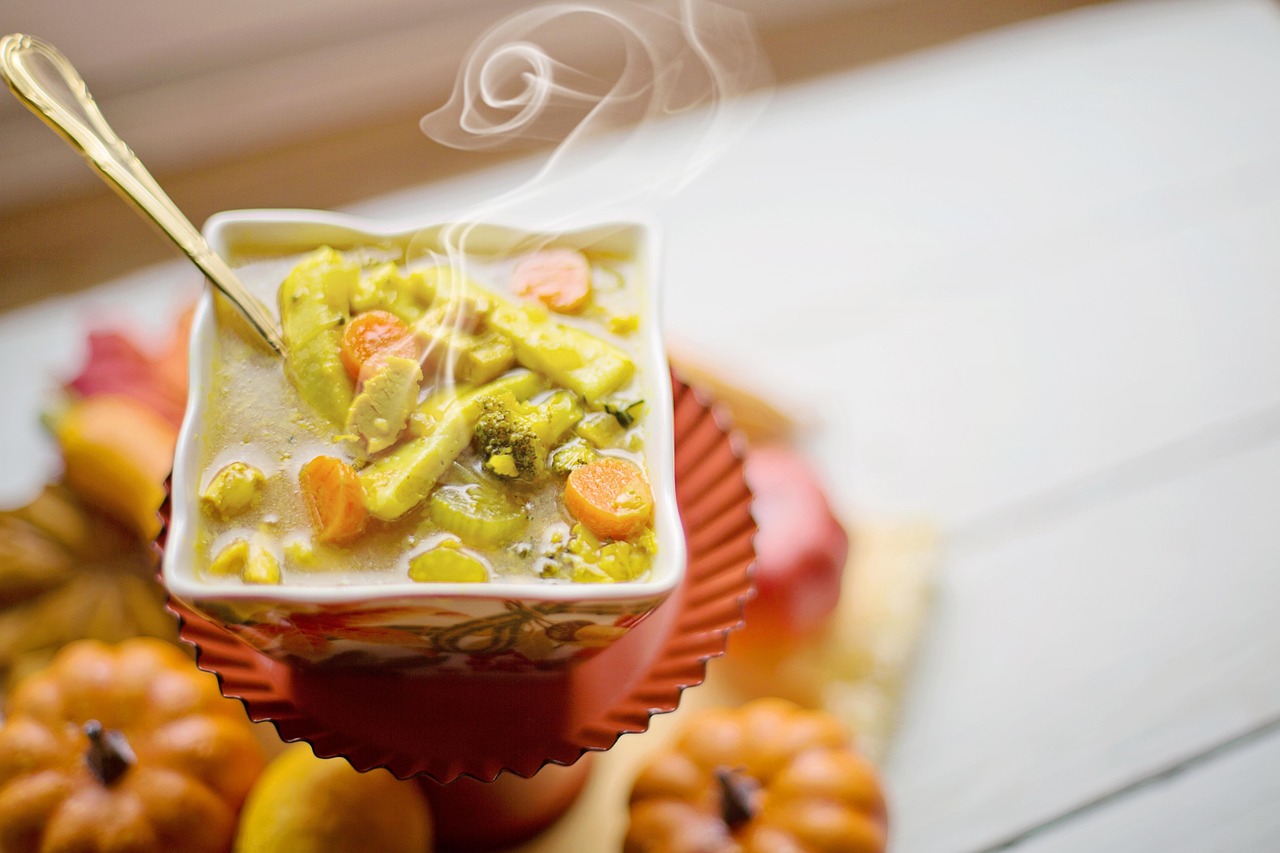
Rice noodles in a clear or spicy broth with pork, fish balls or beef, eaten at shophouse counters all over the old town. Season it yourself from the chilli, sugar, fish sauce and vinegar pots on the table.
Bangkok, Thailand
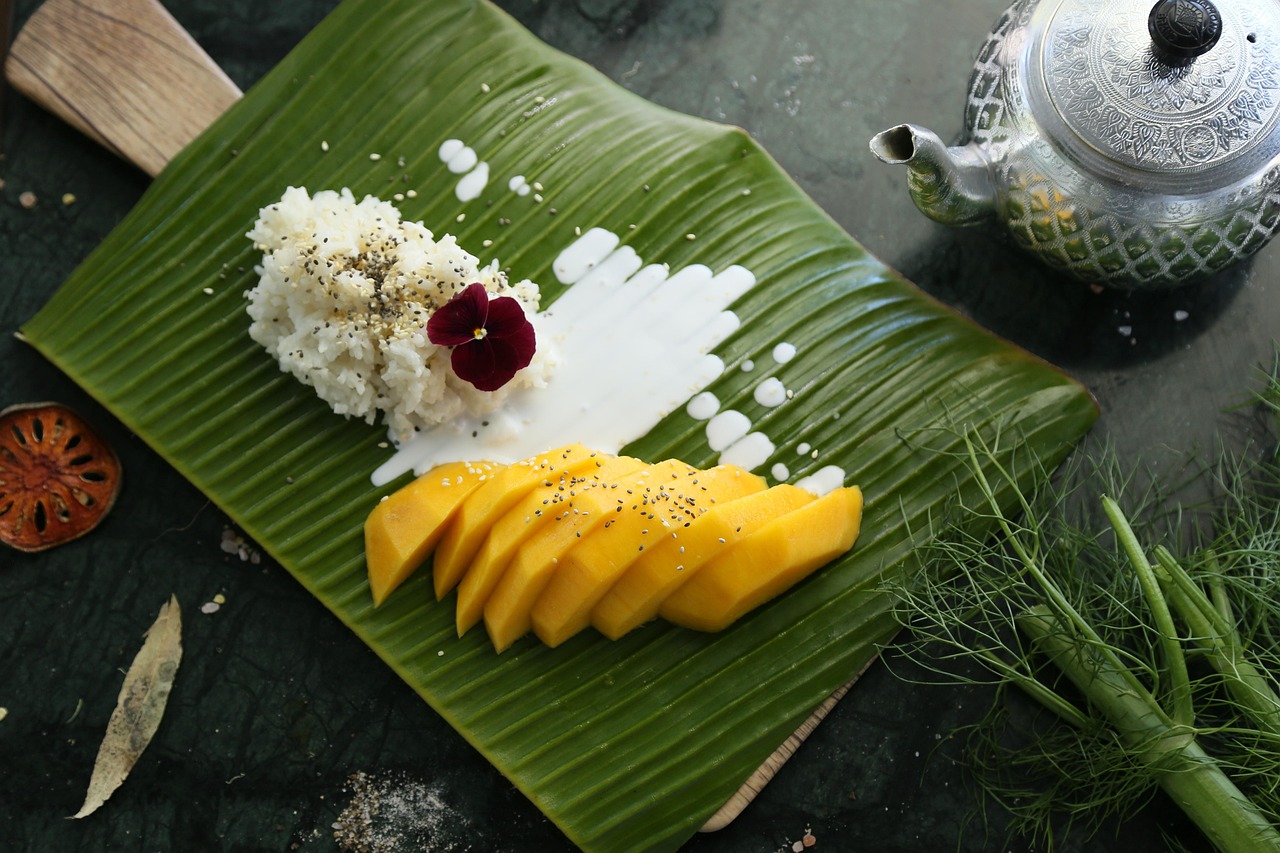
Sweet ripe mango with sticky rice and salted coconut cream — the classic Thai dessert, at its best in the hot-season mango months of March to May.
Maharat Road, by Maharaj pier
A small riverside complex of restaurants and cafés between the palace and Wat Mahathat, with tables looking over the Chao Phraya. A comfortable stop after the palace.
Open in Google Maps (opens in a new tab)Maharat Road, by Tha Tien pier
The old dried-goods market beside Wat Pho, with simple Thai eateries and riverside cafés in the restored shophouses. Convenient between the palace, Wat Pho and the ferry to Wat Arun.
Open in Google Maps (opens in a new tab)Thonburi bank, by Wang Lang (Siriraj) pier
A busy local market across the river from Tha Chang, full of snack stalls, noodle shops and Thai sweets. A short cross-river ferry ride from the palace.
Open in Google Maps (opens in a new tab)Bangkok, Thailand
The historic island around the Grand Palace, Wat Pho and Wat Arun. Small guesthouses and boutique hotels in old shophouses put the main temples within walking distance, and the streets are quiet at night.
Open in Google Maps (opens in a new tab)Bangkok, Thailand
The traveller quarter north of the Old Town, from backpacker hostels to quieter riverside hotels on Phra Athit Road. Lively at night and close to Phra Arthit pier for the river boats.
Open in Google Maps (opens in a new tab)The Grand Palace is a royal and religious site with a strict dress code: long trousers or a long skirt, sleeves, no see-through clothes. Inside the Emerald Buddha hall, take your shoes off, sit quietly and never point your feet towards the altar. The Emerald Buddha's costume is changed by the King at the start of the hot, rainy and cool seasons in a royal ceremony.
Built in 1782 when King Rama I moved the capital to Bangkok, the Grand Palace was the home of the Thai kings for 150 years and is still used for royal ceremonies. Its halls mix classic Thai roofs with European façades added under King Rama V.
Inside the palace walls, Wat Phra Kaew holds the Emerald Buddha, a small jade figure dressed by the King in a different golden costume each season. The temple's murals tell the whole Ramakien, the Thai version of the Ramayana.
Arrive at opening and see the Emerald Buddha first, then the murals and the palace courtyard.
Walk south along Maharat Road for noodles or a riverside café.
The Reclining Buddha and the quiet courtyards, with an optional massage at the temple school.
Cross the river from Tha Tien pier for the porcelain-covered prang.
Early morning, November to February.
Chao Phraya Express Boat to Tha Chang pier, then a short walk; or MRT Blue Line to Sanam Chai and about 15 minutes on foot.
The palace, Wat Pho and the Tha Tien–Tha Chang piers are all within walking distance of each other along Maharat and Na Phra Lan roads. Inside the palace you walk a set one-way route. Use the Chao Phraya Express Boat or the cross-river ferry to move on to Wat Arun or Chinatown, or MRT Sanam Chai for the rest of the city. Ignore anyone outside who says the palace is closed and offers a tuk-tuk tour — it is a long-running scam.
Cover shoulders and knees and take your shoes off before entering the halls. Sarongs are usually available to borrow or rent at the entrance. Go at opening time to beat the heat and the tour groups, and ignore anyone outside who says the palace is closed today.