Qasr al-Farid
Southern edge of Hegra
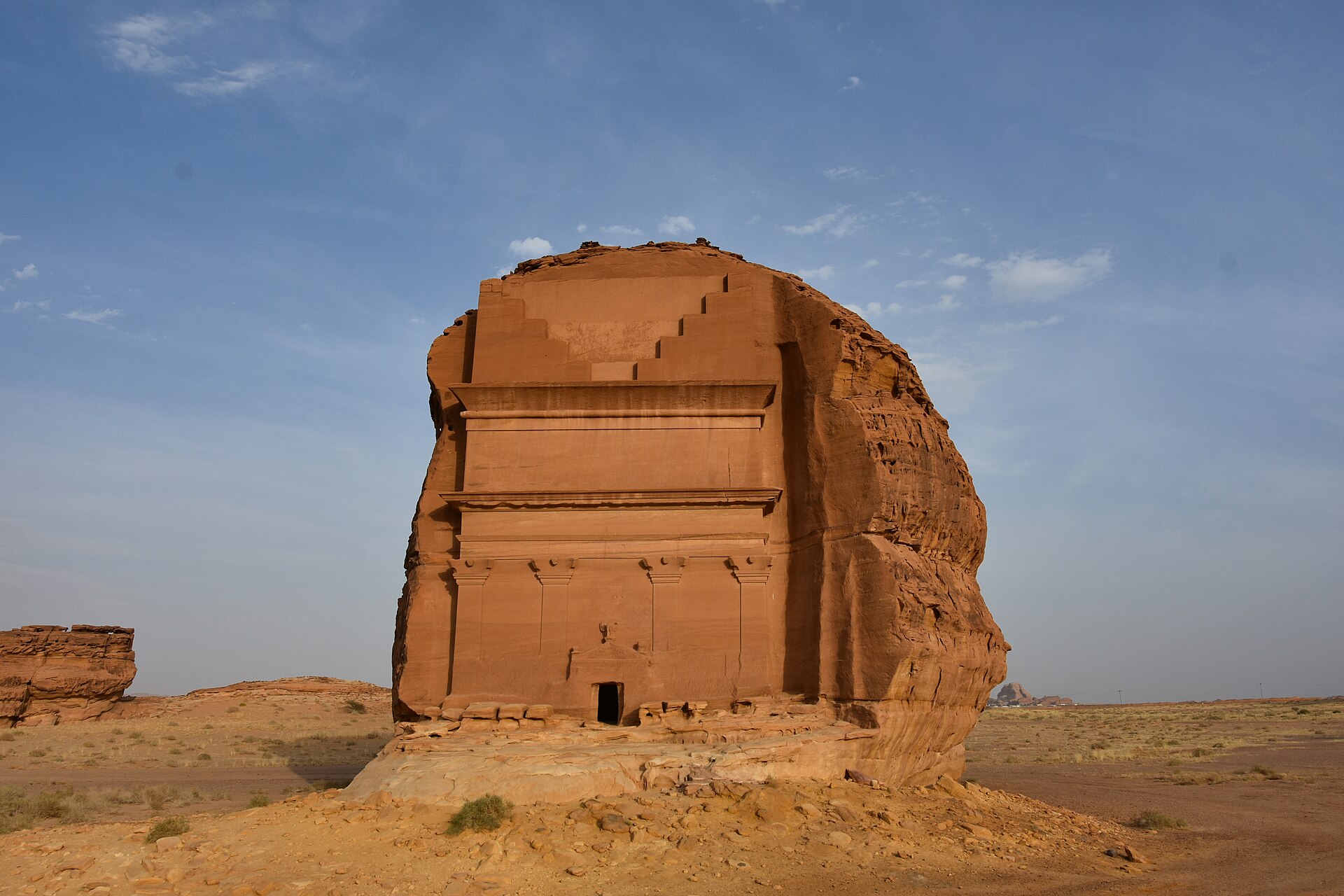
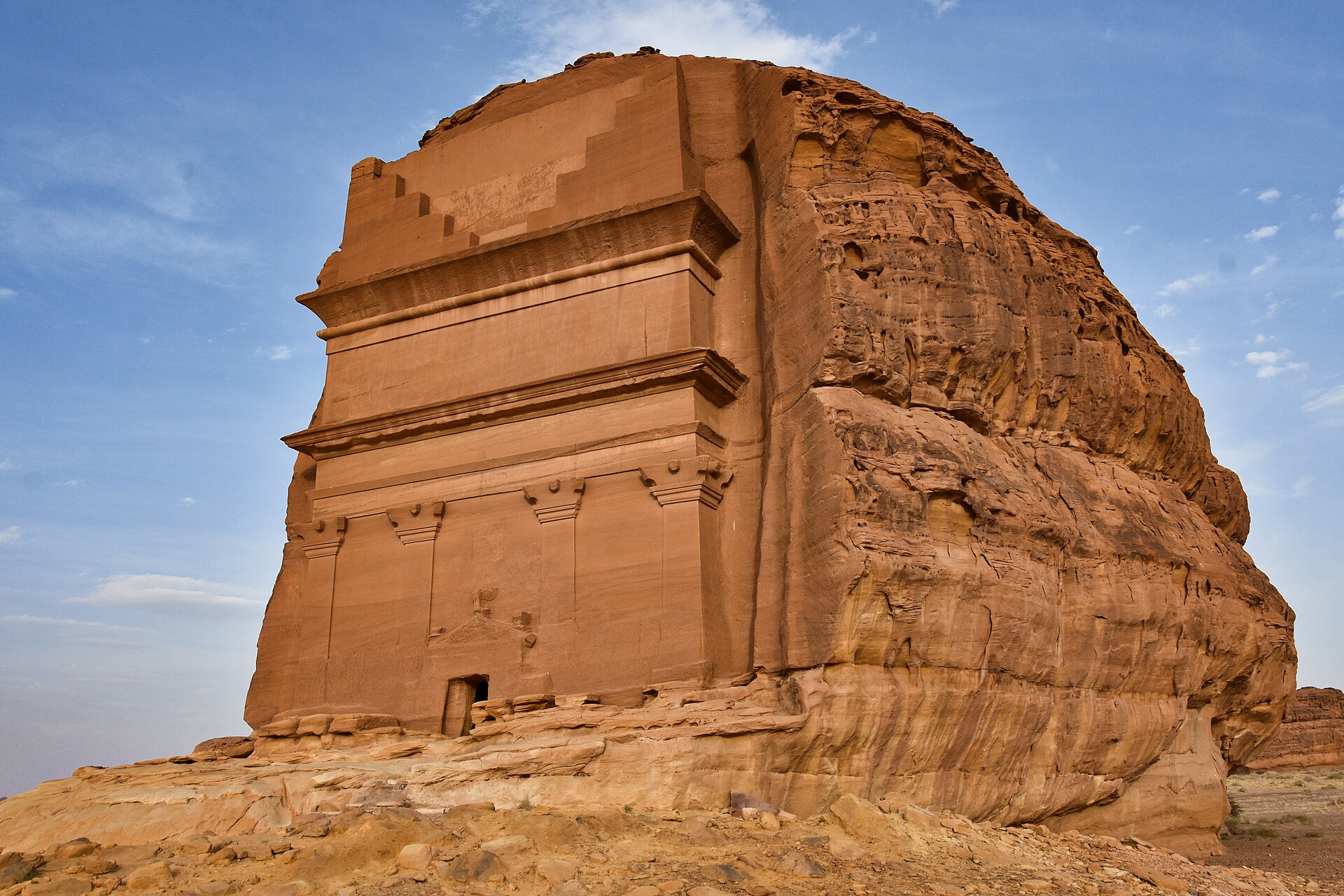
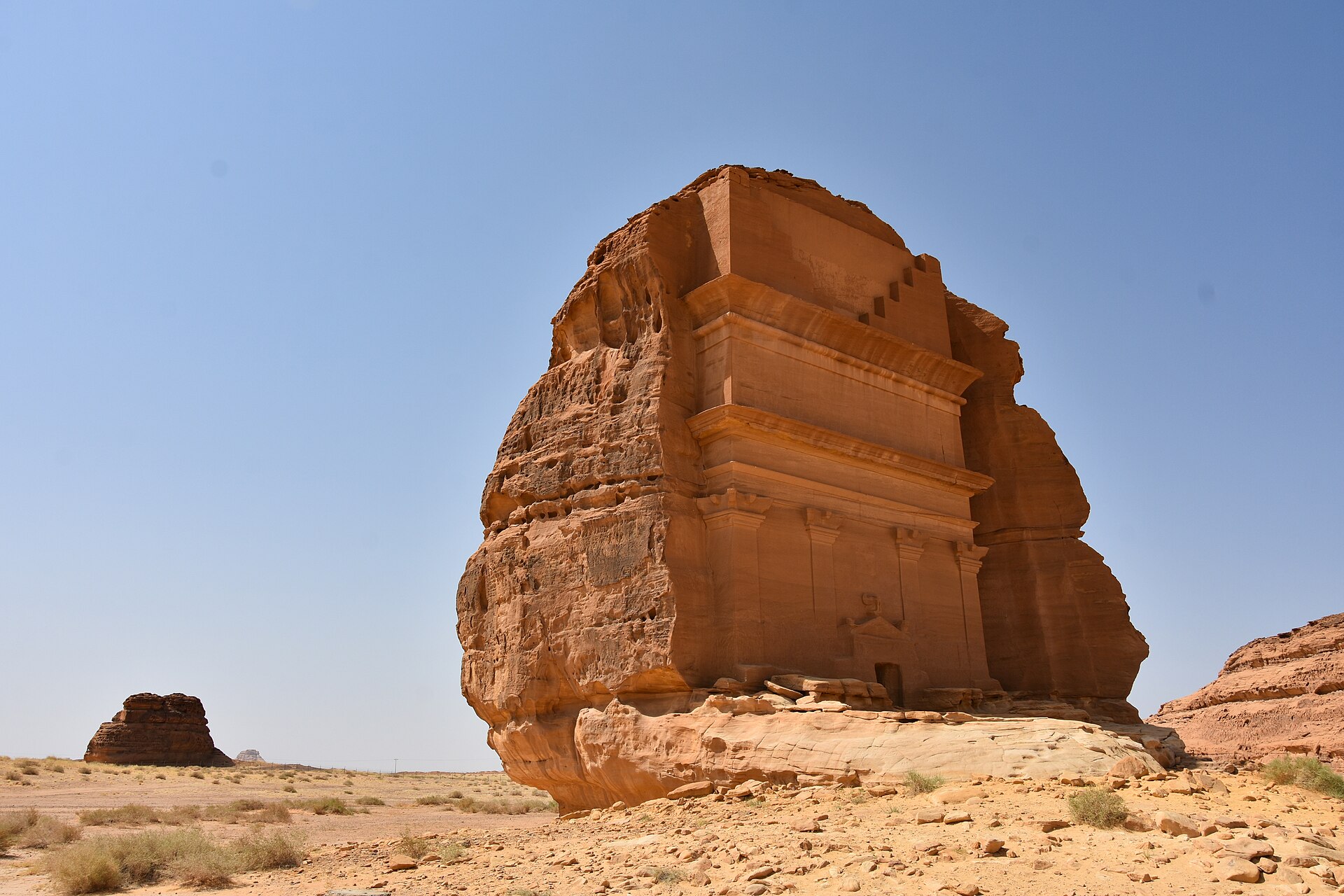
"The Lonely Castle": a large tomb carved alone into a single rock, its facade never finished — the best-known image of Hegra.
Open in Google Maps (opens in a new tab)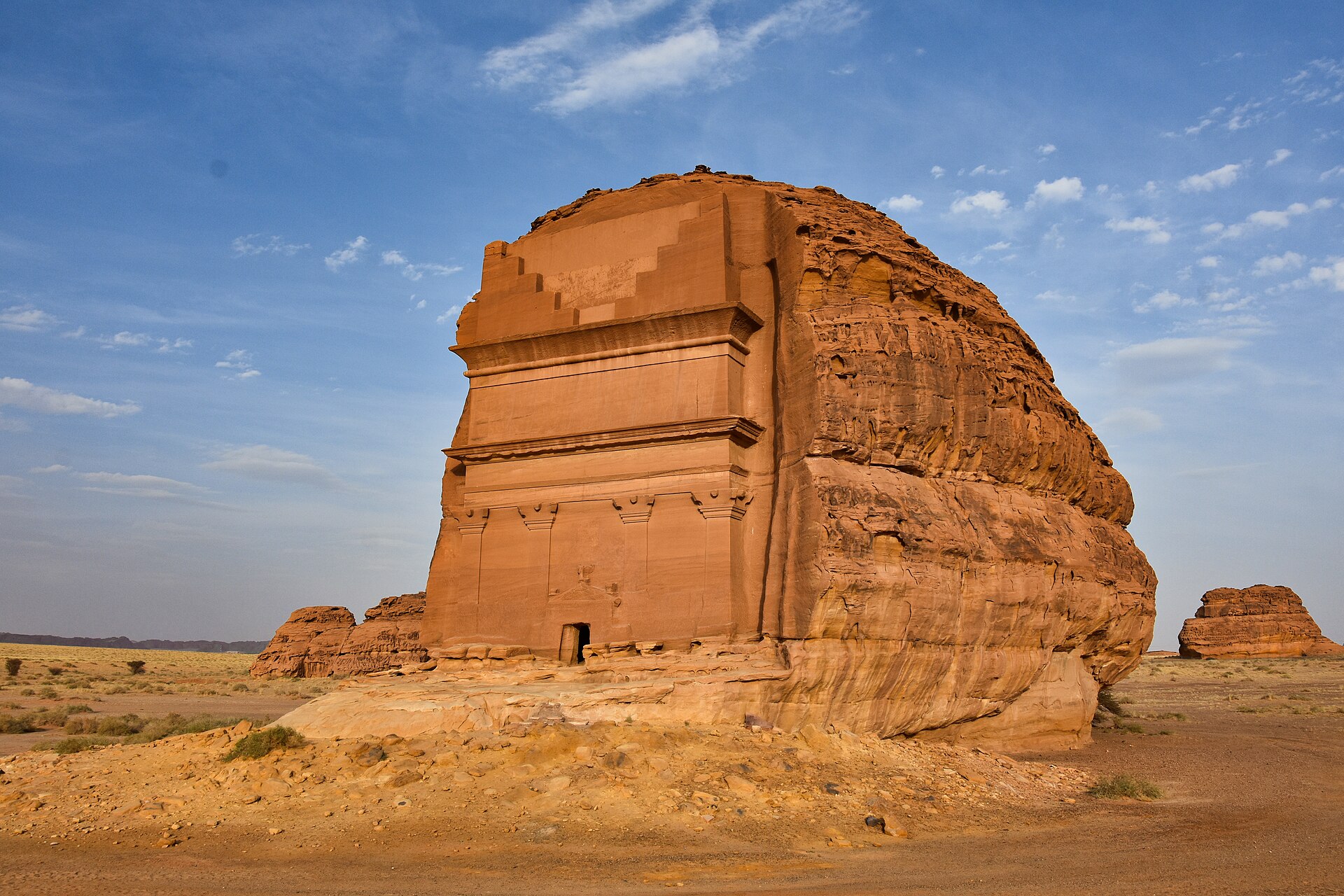
 AlUla, Saudi Arabia
The great southern city of the Nabataeans, with more than a hundred monumental tombs carved into sandstone outcrops, and Saudi Arabia's first UNESCO World Heritage Site. Visited on guided tours booked in advance.
Southern edge of Hegra
"The Lonely Castle": a large tomb carved alone into a single rock, its facade never finished — the best-known image of Hegra.
Open in Google Maps (opens in a new tab)North-east of the site
A rock massif with a narrow passage (the Siq) and a carved hall (the Diwan), thought to have been used for gatherings and feasts.
Open in Google Maps (opens in a new tab)North of the site
A large outcrop with many tomb facades side by side, some of the most decorated at Hegra.
Open in Google Maps (opens in a new tab)Within Hegra
A red-rock group of tombs, including smaller and earlier facades.
Open in Google Maps (opens in a new tab)Near the site
Stone station buildings and workshops of the Ottoman-era railway from Damascus to Madinah, completed to Madinah in 1908.
Open in Google Maps (opens in a new tab)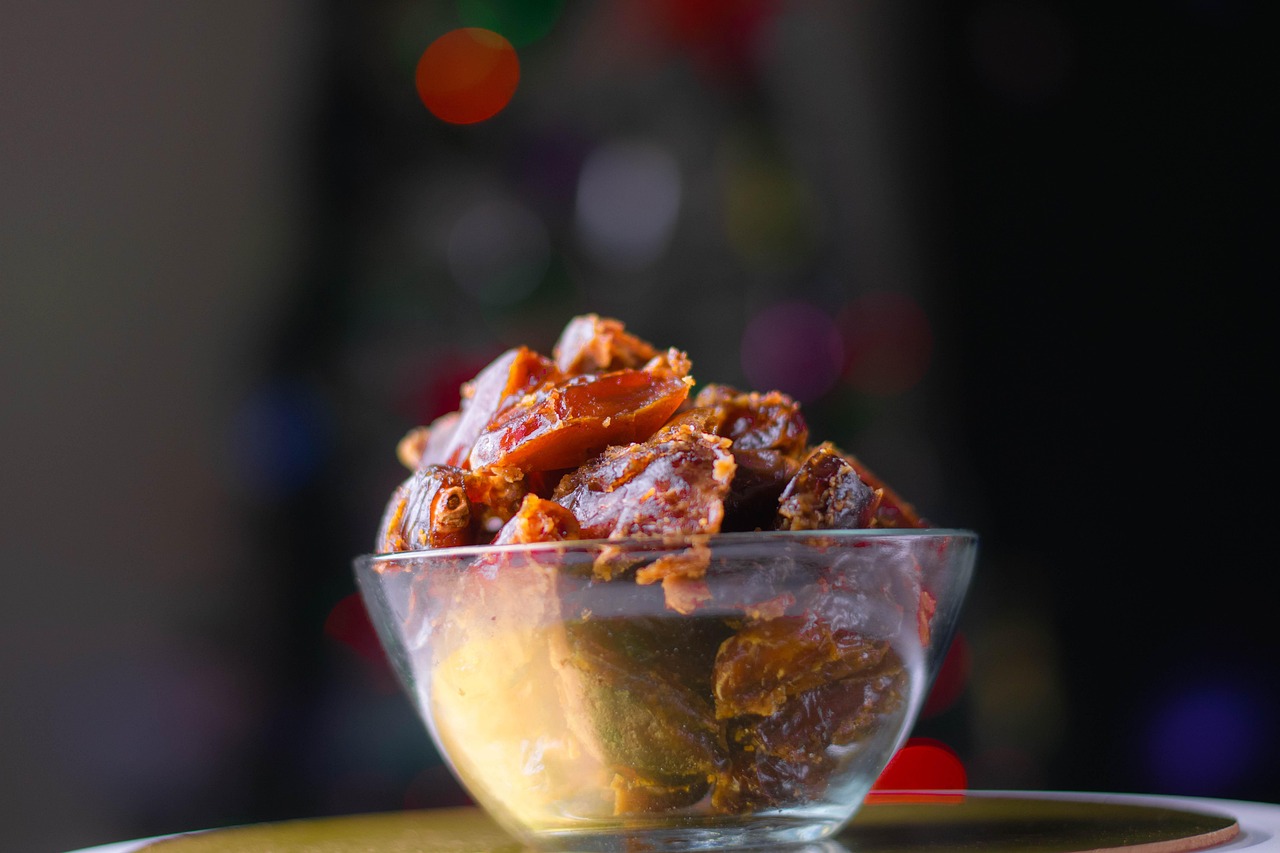
AlUla, Saudi Arabia
AlUla's oasis has been farmed for thousands of years and is still full of date palms. Local varieties are sold fresh in season and packed all year — a good gift from the trip.
AlUla, Saudi Arabia
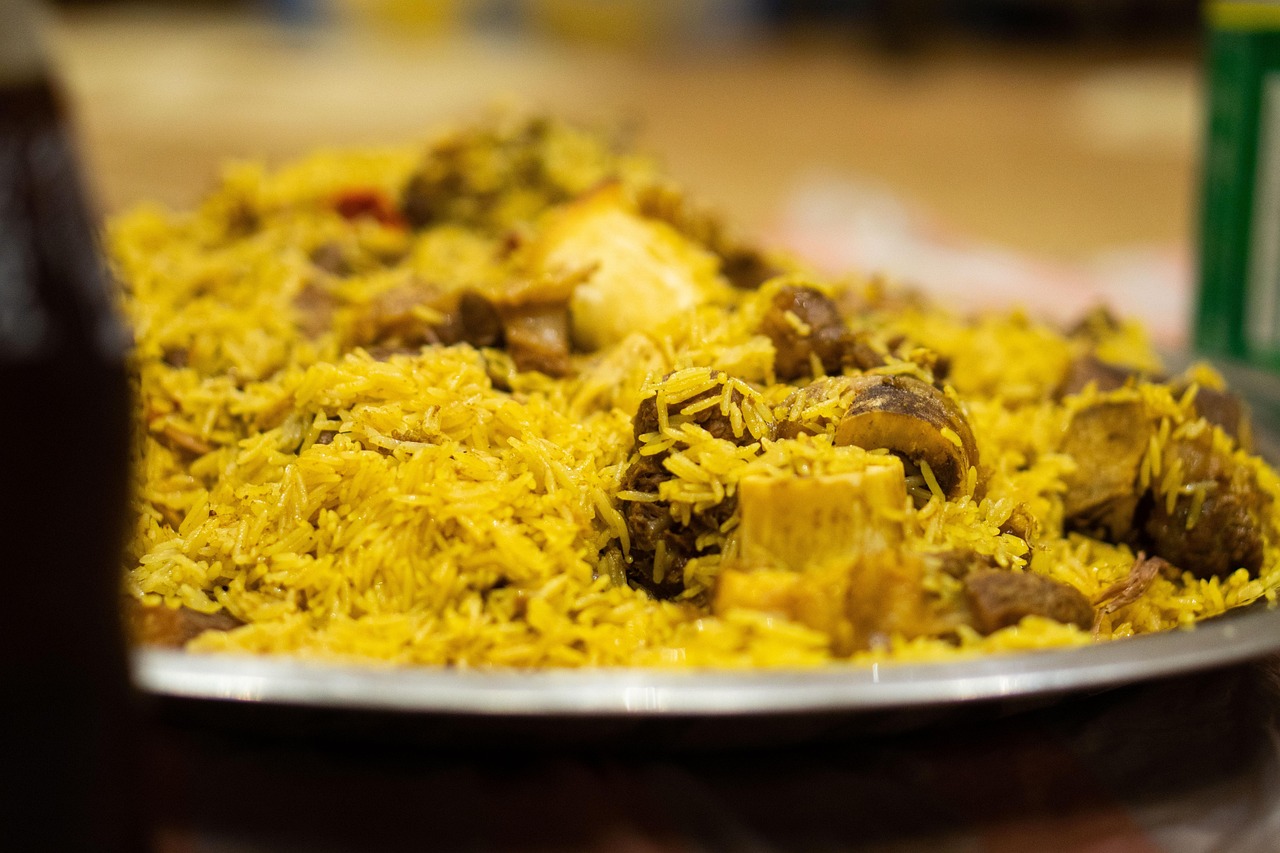
The national rice dish of Saudi Arabia: long-grain rice cooked with tomato, dried lime and a warm spice mix, topped with chicken or lamb, raisins and nuts.
AlUla, Saudi Arabia
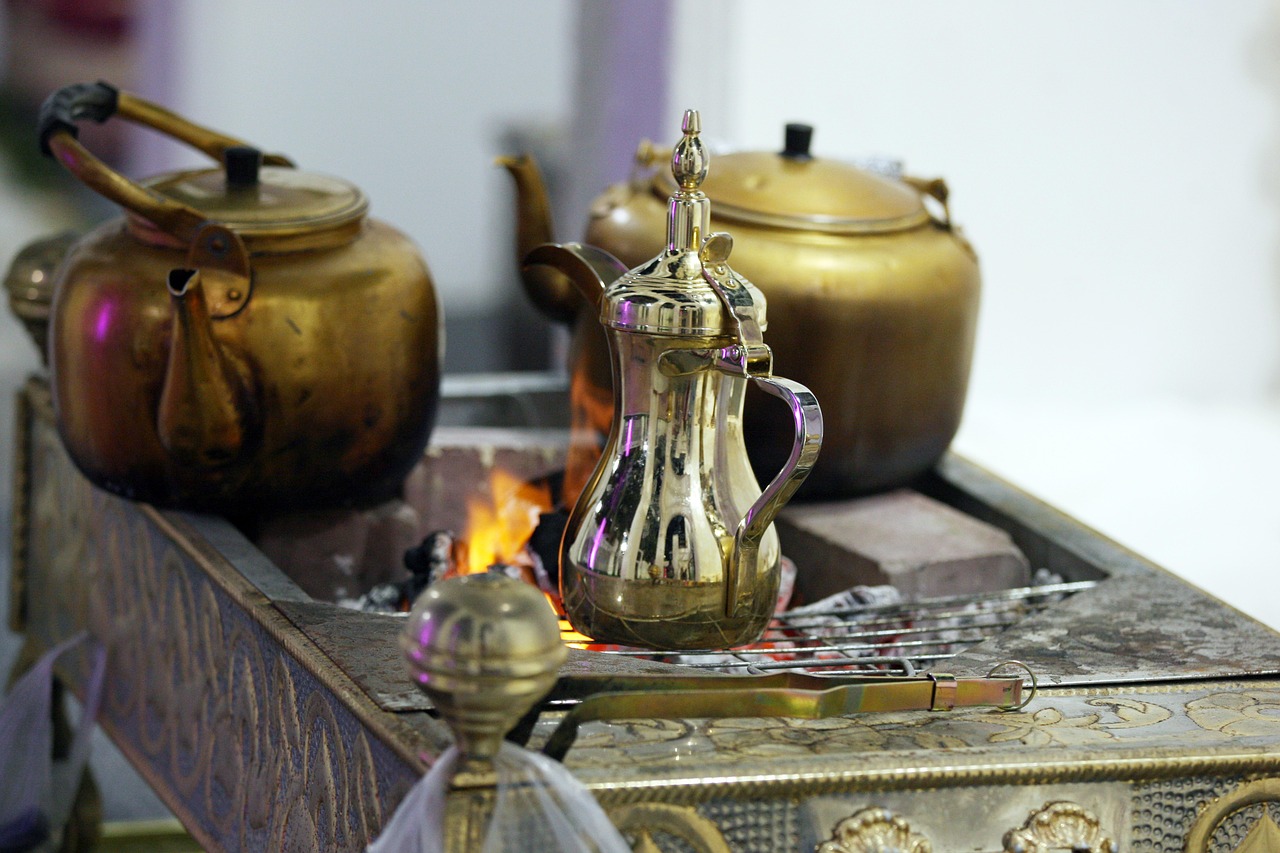
Lightly roasted coffee spiced with cardamom (often saffron or cloves too), poured in small cups and always served with dates. Offering it is the heart of Saudi hospitality.
Hegra visitor centre
Drinks and light snacks before or after the tour; bring water for the site itself.
Open in Google Maps (opens in a new tab)AlUla town
Restaurants and cafés for a proper meal after the tour.
Open in Google Maps (opens in a new tab)AlUla, Saudi Arabia
Hotels, guest houses and farm stays in and around the town and its palm oasis, close to the Old Town, cafés and the road north to Hegra.
Open in Google Maps (opens in a new tab)AlUla, Saudi Arabia
Resorts and tented villas set among sandstone cliffs south of AlUla town, near Maraya and the airport. Quiet, scenic and best with a car.
Open in Google Maps (opens in a new tab)AlUla is a conservative oasis community. Dress modestly in town (shoulders and knees covered), ask before photographing people, and never climb on, touch or scratch rock carvings and tombs — the inscriptions are thousands of years old and fragile. Take all litter with you.
Hegra (in Arabic al-Hijr, long known as Mada'in Salih) was the second city of the Nabataean kingdom after Petra. From around the 1st century BCE to the 1st century CE the Nabataeans carved 111 monumental tombs into the rock outcrops, many with decorated facades and inscriptions naming their owners and dates. The city controlled caravans on the incense route and was absorbed into the Roman province of Arabia in 106 CE.
Hegra was inscribed as a UNESCO World Heritage Site in 2008 — the first in Saudi Arabia. The area also holds a Hejaz Railway station from the early 1900s. The Qur'an mentions al-Hijr and the people of Thamud; this is a reason the site is treated with reflection by many Muslim visitors.
Check in for your booked tour and see the introduction.
Start with the lonely tomb in morning light.
The decorated tomb facades and inscriptions.
Walk the Siq and see the Diwan before returning.
October to March. Book a morning or late-afternoon tour for soft light and cooler air.
Hegra is about 20–25 km north of AlUla town. Tours start from the Hegra visitor centre; drive or take a transfer there. Book your tour time in advance through Experience AlUla.
Inside the site, visitors move between the tomb areas on the tour's shuttle or vehicles with a guide, with short walks at each stop. Private cars are not driven around the tombs.