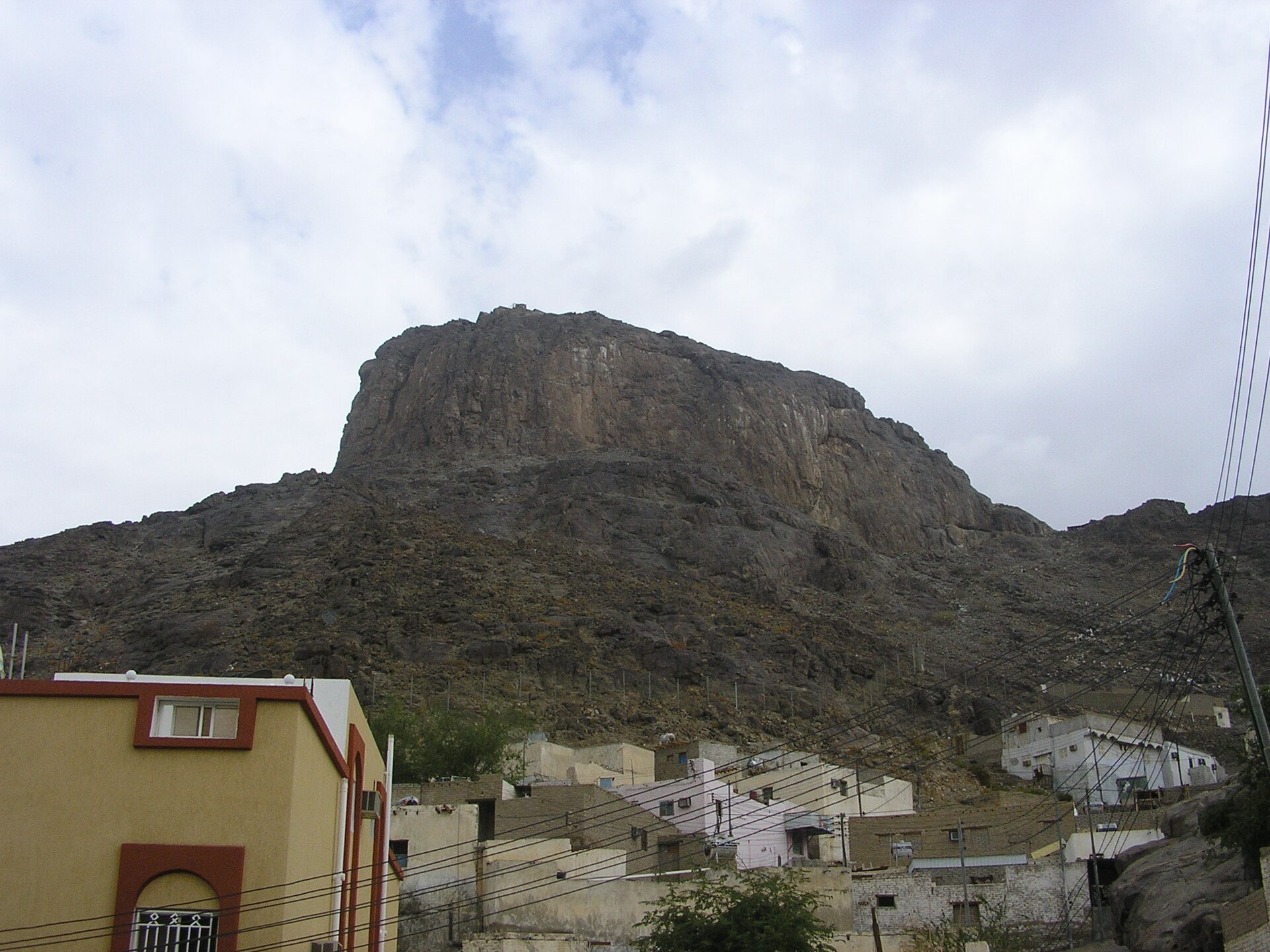
Cave of Hira
Near the summit
The small cave where the first revelation came, reached through a narrow passage.
Open in Google Maps (opens in a new tab)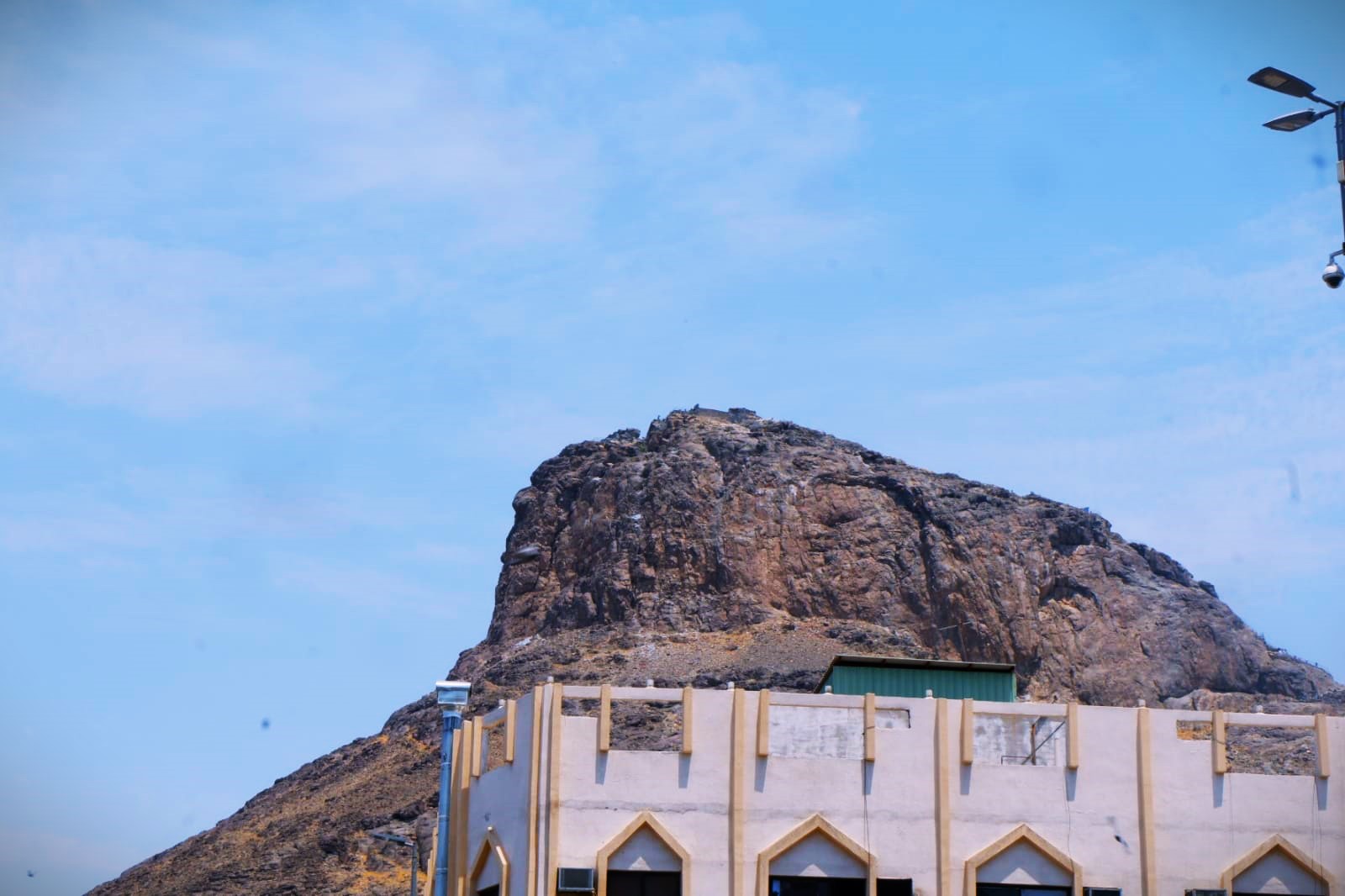
 Makkah, Saudi Arabia
The "Mountain of Light" north-east of the Haram, where in the Cave of Hira the Prophet Muhammad (peace be upon him) received the first revelation of the Quran.
Near the summit
The small cave where the first revelation came, reached through a narrow passage.
Open in Google Maps (opens in a new tab)Eastern face of Jabal al-Nour
The stepped climb with rest points and views back over the city.
Open in Google Maps (opens in a new tab)Top of the mountain
Wide views over the valley towards the Clock Tower and the Haram.
Open in Google Maps (opens in a new tab)Makkah, Saudi Arabia
Not a dish but the drink every pilgrim remembers: water from the well of Zamzam inside Masjid al-Haram, available in coolers throughout the mosque. Pilgrims drink it standing, facing the Qibla, and many take it home.
Makkah, Saudi Arabia
Large, round flatbread baked against the walls of a clay oven, sold hot from small bakeries and eaten with ful, cheese or honey — a typical Makkah and Jeddah breakfast.
Foot of the mountain
Rest and refreshments before or after the climb.
Open in Google Maps (opens in a new tab)Aziziyah, Ajyad and the neighbourhoods around the Haram
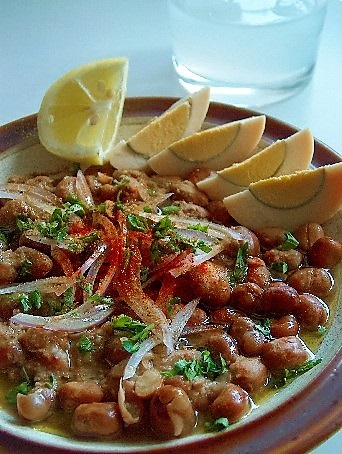
Small bakeries sell hot tamees bread and ful for breakfast, and neighbourhood restaurants serve saleeg, mandi, kabsa and grills — often better value than the food courts.
Open in Google Maps (opens in a new tab)Makkah, Saudi Arabia
Hotels facing or a few minutes from Masjid al-Haram, including the Clock Tower complex. The most convenient for praying in the mosque, and the most in demand in Ramadan and Hajj.
Open in Google Maps (opens in a new tab)Makkah, Saudi Arabia
A residential district between the Haram and Mina, popular with Hajj and Umrah groups. Quieter and better value, with shuttle buses or taxis to the mosque.
Open in Google Maps (opens in a new tab)For Muslims the mountain recalls the beginning of the Quran's revelation. Many sit quietly on the slopes to look back over Makkah towards the Haram.
Jabal al-Nour is a steep, rocky mountain on the edge of Makkah. Near its summit is the small Cave of Hira (Ghar Hira), where the Prophet Muhammad (peace be upon him) used to retreat for reflection and worship before prophethood.
It was here, during Ramadan around 610 CE, that the angel Jibreel brought the first verses of the Quran — the opening of Surah Al-Alaq, beginning "Read". The cave opening faces towards the Kaaba. Climbing the mountain is not a rite of Umrah or Hajj, but many pilgrims make the climb to see the place where the revelation began.
Taxi to the foot of Jabal al-Nour.
Take the stepped path slowly, resting on the way.
Wait your turn to see the cave.
Return to the Hira Cultural District before the heat.
Start the climb very early (after Fajr) or in the evening; avoid midday heat, especially from April to October.
From the Haram: about 4–5 km north-east, 10–20 minutes by taxi to the Hira Cultural District at the foot of the mountain, where the path begins.