
Weaving section
Workshops
Looms where the black silk of the Kiswa is woven.
Open in Google Maps (opens in a new tab) Makkah, Saudi Arabia
The workshops where the Kiswa, the black silk covering of the Kaaba embroidered with gold and silver thread, is woven and stitched by hand each year.
Workshops
Looms where the black silk of the Kiswa is woven.
Open in Google Maps (opens in a new tab)Workshops
Craftsmen stitching Quranic calligraphy in gold and silver thread.
Open in Google Maps (opens in a new tab)Complex entrance
Displays on the history of the Kiswa, with pieces of the cloth and the Kaaba door curtain.
Open in Google Maps (opens in a new tab)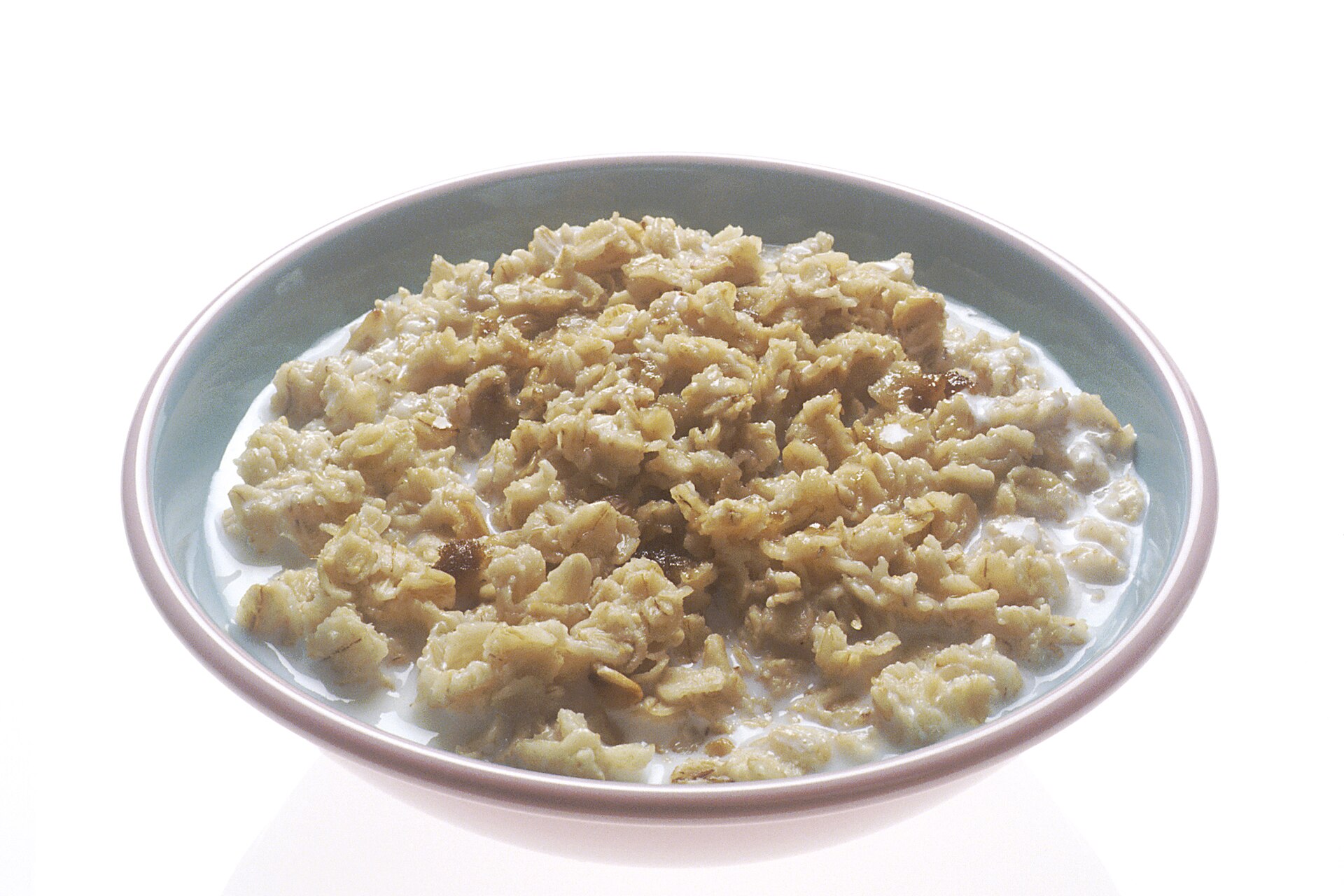
Makkah, Saudi Arabia
A comforting Hejazi dish from the Taif, Makkah and Jeddah region: short-grain white rice slow-cooked in milk and broth until creamy, served with roast chicken and a drizzle of ghee.
Makkah, Saudi Arabia
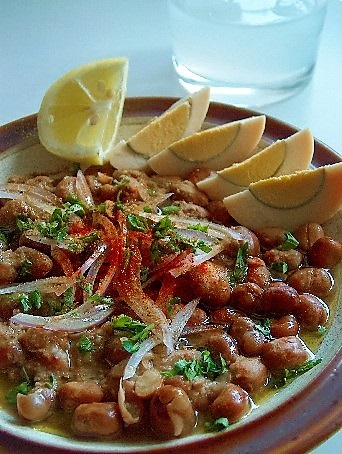
Large, round flatbread baked against the walls of a clay oven, sold hot from small bakeries and eaten with ful, cheese or honey — a typical Makkah and Jeddah breakfast.
Aziziyah, Ajyad and the neighbourhoods around the Haram
Small bakeries sell hot tamees bread and ful for breakfast, and neighbourhood restaurants serve saleeg, mandi, kabsa and grills — often better value than the food courts.
Open in Google Maps (opens in a new tab)Abraj Al Bait (Clock Towers) and the hotels around Masjid al-Haram
The malls and hotels facing the mosque have large food courts with Saudi, South Asian, Turkish and international food, open long hours for pilgrims.
Open in Google Maps (opens in a new tab)Makkah, Saudi Arabia
Hotels facing or a few minutes from Masjid al-Haram, including the Clock Tower complex. The most convenient for praying in the mosque, and the most in demand in Ramadan and Hajj.
Open in Google Maps (opens in a new tab)Makkah, Saudi Arabia
A residential district between the Haram and Mina, popular with Hajj and Umrah groups. Quieter and better value, with shuttle buses or taxis to the mosque.
Open in Google Maps (opens in a new tab)Making the Kiswa is an honour and a living craft. Seeing the calligraphy being stitched by hand gives pilgrims a new appreciation of the cloth they see on the Kaaba.
The Kiswa is the black cloth that covers the Kaaba, woven from silk and embroidered with verses of the Quran in gold- and silver-plated thread. For centuries it was made in Egypt and carried to Makkah each year with the pilgrim caravan.
In the 20th century production moved to Makkah, and the King Abdulaziz Complex for the Holy Kaaba Kiswa, in the Umm al-Joud area, now makes it. Skilled craftsmen dye the silk, weave it on looms and spend months hand-embroidering the calligraphy. A new Kiswa replaces the old one on the Kaaba once a year.
Confirm availability through your operator or official channels.
Learn the history of the Kiswa.
Watch the weaving and embroidery.
Back for the next prayer.
When a visit can be arranged; check availability in advance, especially during Ramadan and Hajj when the complex is busy.
From the Haram: the complex is in the Umm al-Joud area on the edge of Makkah, roughly 20–30 minutes by taxi depending on traffic. Many visits are arranged through Umrah groups or by booking in advance.