
The village lane and wooden houses
Along the stream through the village
Old wooden houses step up the hillside along a mountain stream, many now homestays and small cafés.
Open in Google Maps (opens in a new tab)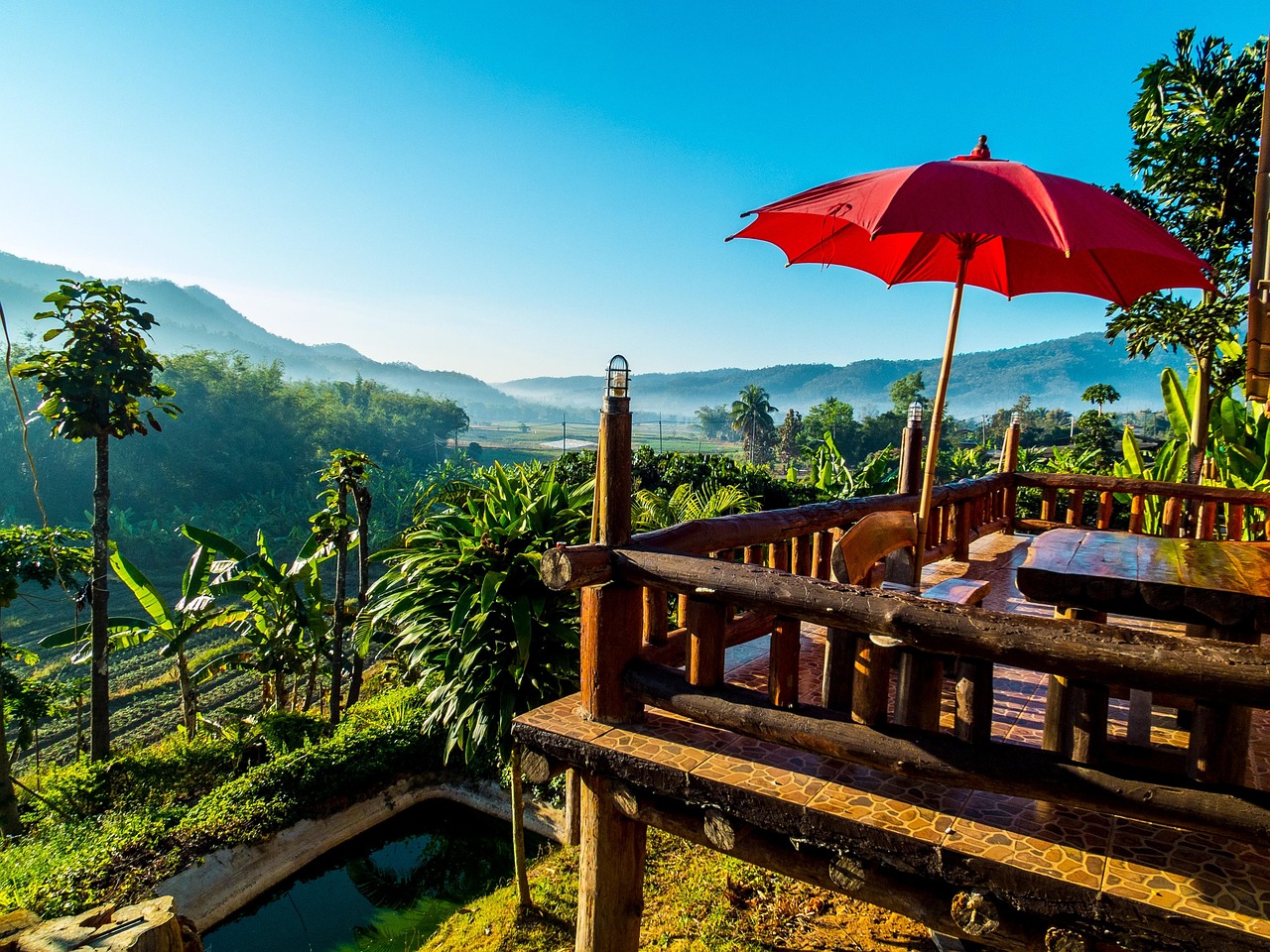
 Chiang Mai, Thailand
A small mountain village of wooden houses, coffee and tea gardens and a waterfall, known for its community homestays.
Along the stream through the village
Old wooden houses step up the hillside along a mountain stream, many now homestays and small cafés.
Open in Google Maps (opens in a new tab)Above the village
A multi-tiered waterfall reached by a forest path from the upper end of the village.
Open in Google Maps (opens in a new tab)Upper part of the village
A small wooden Lanna-style temple perched over the stream, the centre of village life.
Open in Google Maps (opens in a new tab)Forest around the village
Tea for miang and coffee grow under the forest trees on the slopes — villagers can show how the leaves are picked and fermented.
Open in Google Maps (opens in a new tab)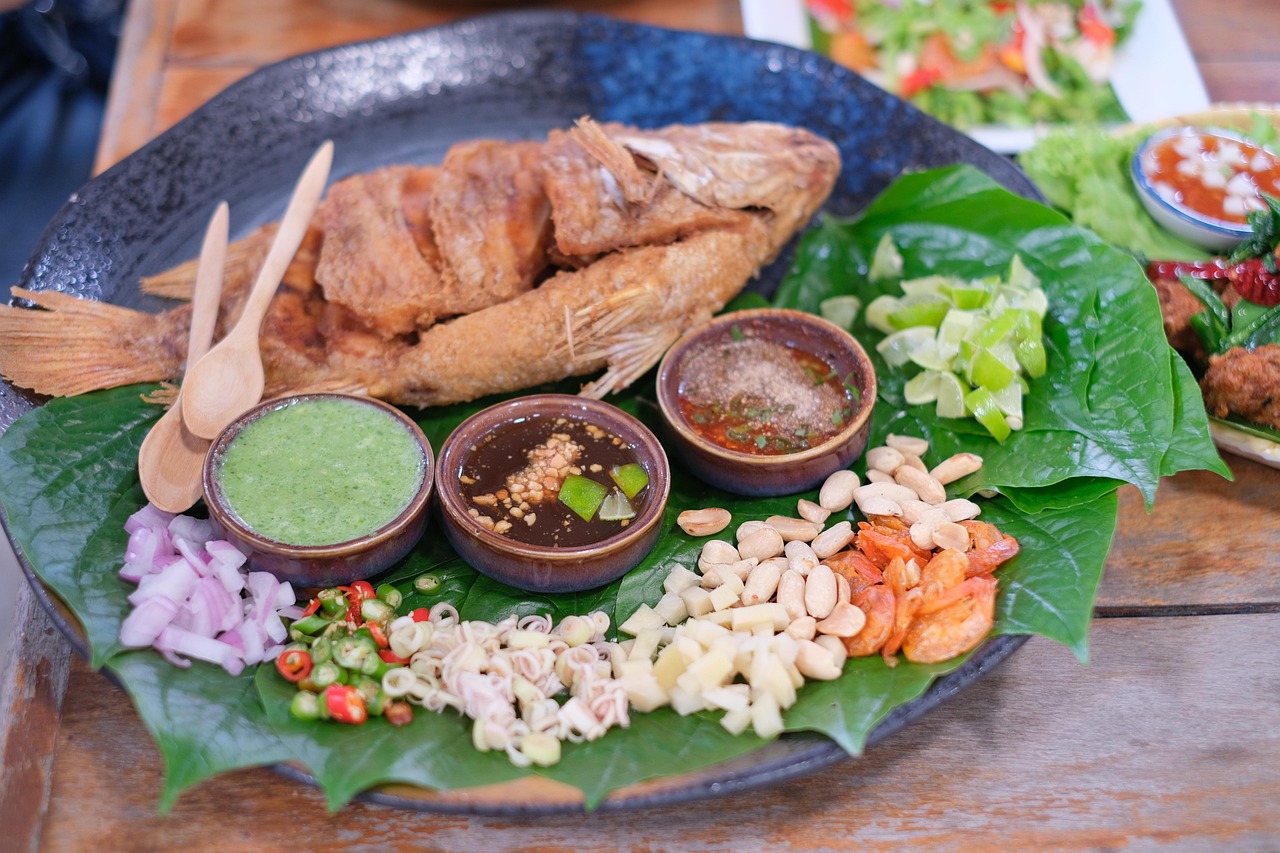
Chiang Mai, Thailand
Fermented wild tea leaves, a traditional northern snack chewed after meals. Hill villages have grown the tea for it for generations.

Chiang Mai, Thailand
A mild northern dip of minced pork and tomato with chilli, eaten with fresh vegetables and sticky rice.
Chiang Mai, Thailand
Locally grown arabica served in the village cafés overlooking the valley.
In the village
Most homestays serve home-cooked northern dinners and breakfasts to their guests.
Open in Google Maps (opens in a new tab)Along the main lane
Small wooden cafés by the stream serving coffee, tea and simple dishes.
Open in Google Maps (opens in a new tab)Chiang Mai, Thailand
Rooms in village houses arranged through the community tourism project — the way to experience the mist and the quiet.
Open in Google Maps (opens in a new tab)Chiang Mai, Thailand
Quiet lanes of guesthouses and boutique hotels between the temples, within walking distance of Tha Phae Gate and the Sunday Walking Street. The easiest base for first-time visitors.
Open in Google Maps (opens in a new tab)Mae Kampong is a working community, not a theme park: tourism income is shared through the village. Keep noise down, especially at night, dress modestly, ask before photographing people and homes, and follow your homestay host’s house rules.
Mae Kampong has grown tea leaves (miang) for over a century. The villagers run homestays, cafés and a community-based tourism project, and the forest around it has trails and the Mae Kampong waterfall.
Leave in the morning by car or with a driver.
Stop to see the springs and soak your feet on the way.
Walk the lane, have lunch and coffee by the stream.
Hike up to the falls before returning to the city.
November to February for cool, misty mornings; stay overnight and walk the village at dawn, or visit in the rainy season when the waterfall is full.
About 1 to 1.5 hours east of Chiang Mai by car; often combined with the San Kamphaeng hot springs.
No regular public transport reaches the village. Hire a car with driver, join a tour, or rent a car — the last stretch is narrow and steep. Inside the village everything is on foot.
Stay a night to see the morning mist, and respect the quiet of the village.