The Kaaba and the Black Stone
Centre of the mataf
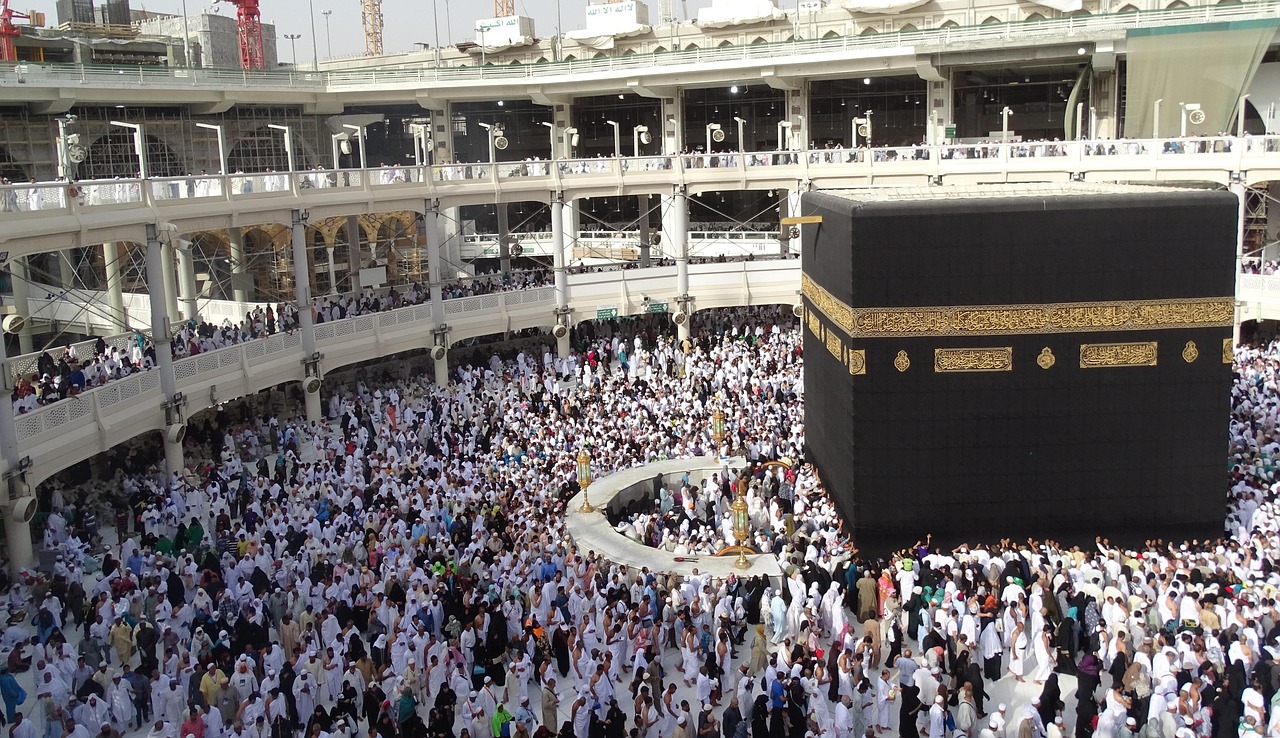
The House of Allah, around which pilgrims perform tawaf, with the Black Stone in its eastern corner.
Open in Google Maps (opens in a new tab)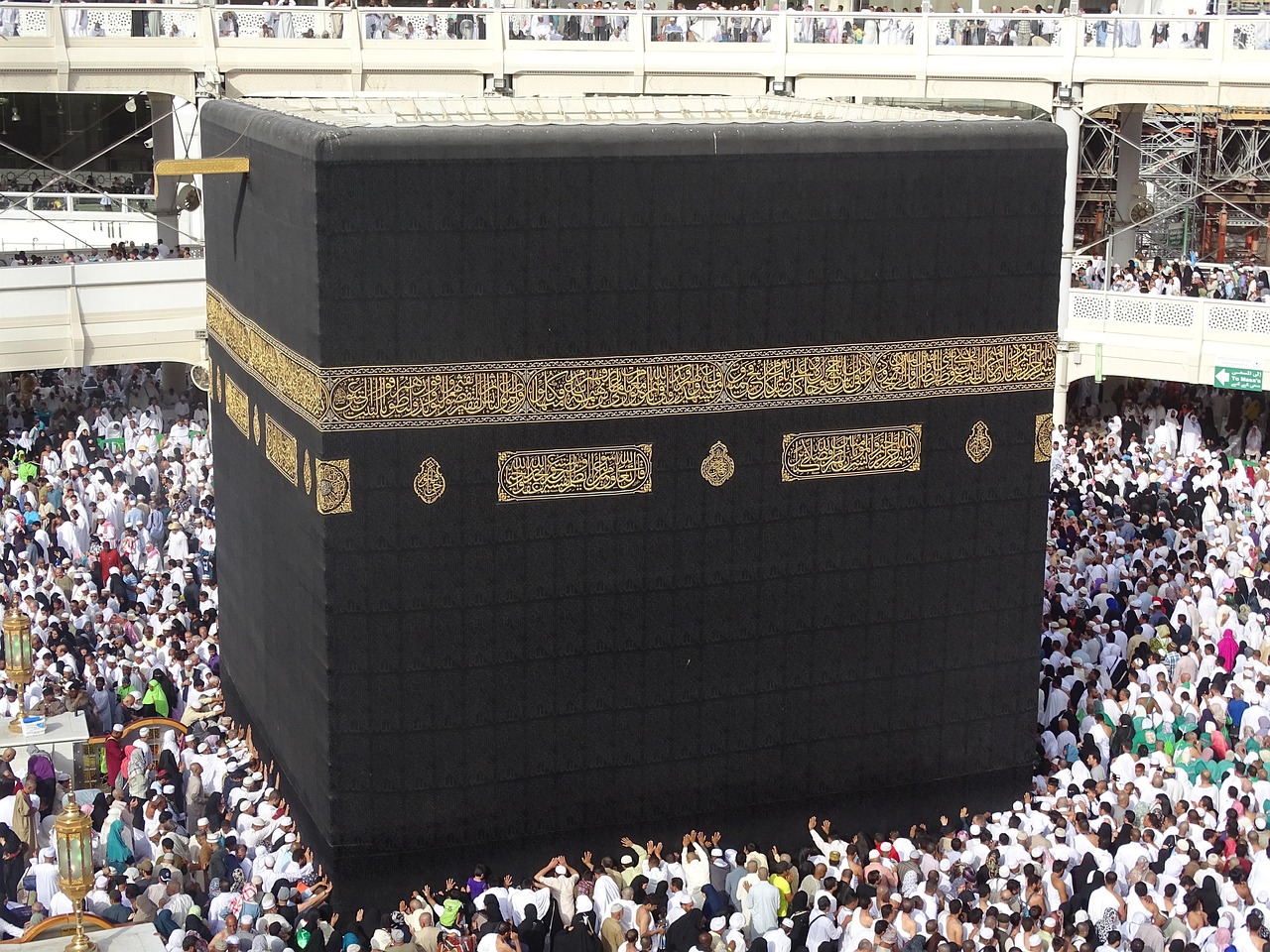
 Makkah, Saudi Arabia
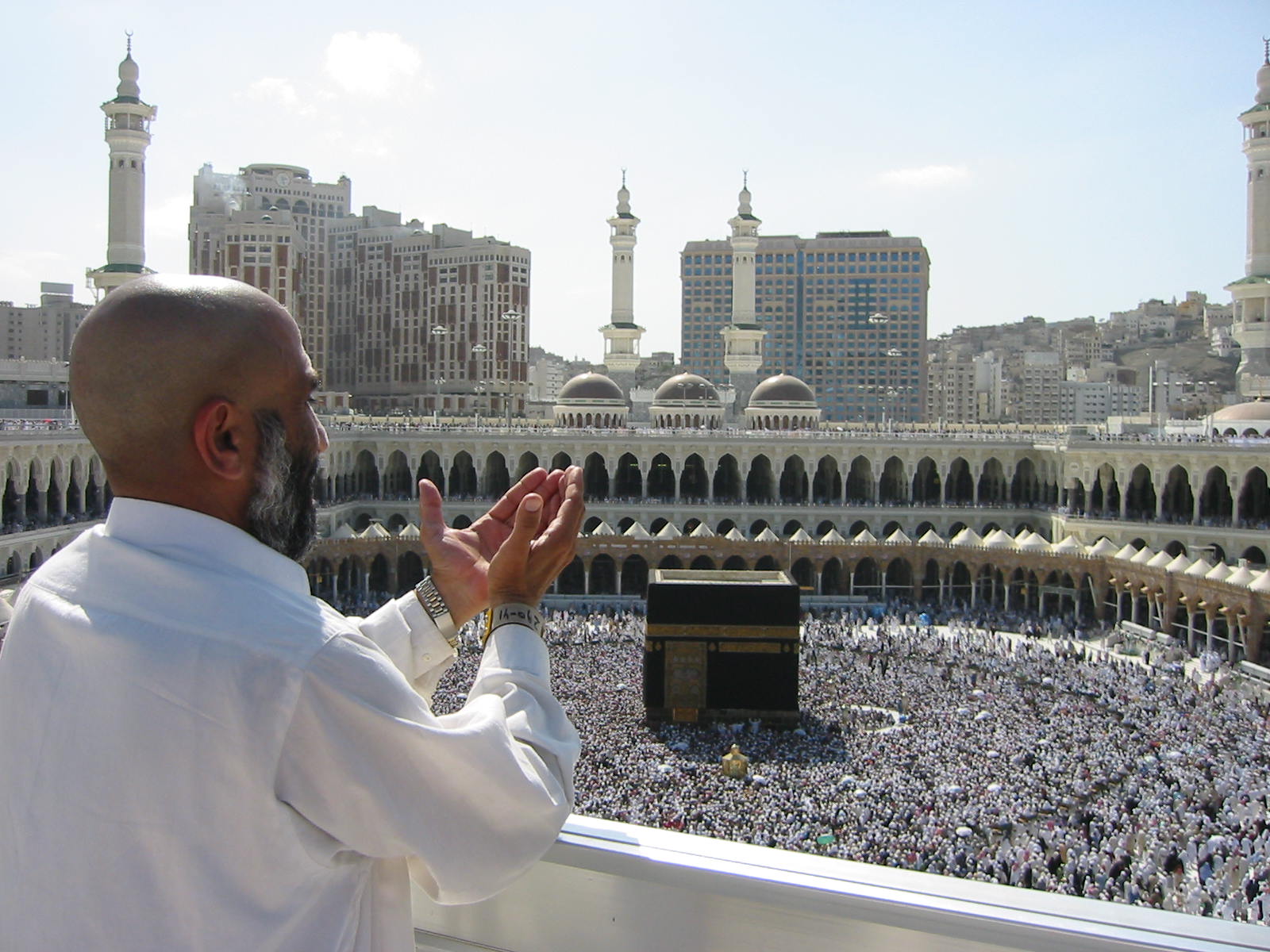
The Sacred Mosque of Makkah, the holiest site in Islam, built around the Kaaba — the House of Allah that Muslims face in every prayer.
Centre of the mataf
The House of Allah, around which pilgrims perform tawaf, with the Black Stone in its eastern corner.
Open in Google Maps (opens in a new tab)Near the Kaaba
The station of Ibrahim, a stone bearing footprints in a gilded case, where pilgrims pray after tawaf.
Open in Google Maps (opens in a new tab)Beside the Kaaba
The low semicircular wall on the north side, part of the original Kaaba area.
Open in Google Maps (opens in a new tab)Throughout the mosque
The blessed water of the well of Zamzam, available to all worshippers.
Open in Google Maps (opens in a new tab)Makkah, Saudi Arabia
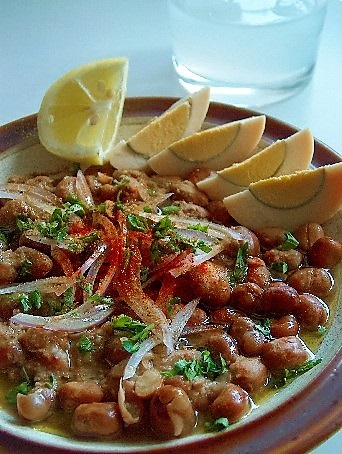
Not a dish but the drink every pilgrim remembers: water from the well of Zamzam inside Masjid al-Haram, available in coolers throughout the mosque. Pilgrims drink it standing, facing the Qibla, and many take it home.
Makkah, Saudi Arabia
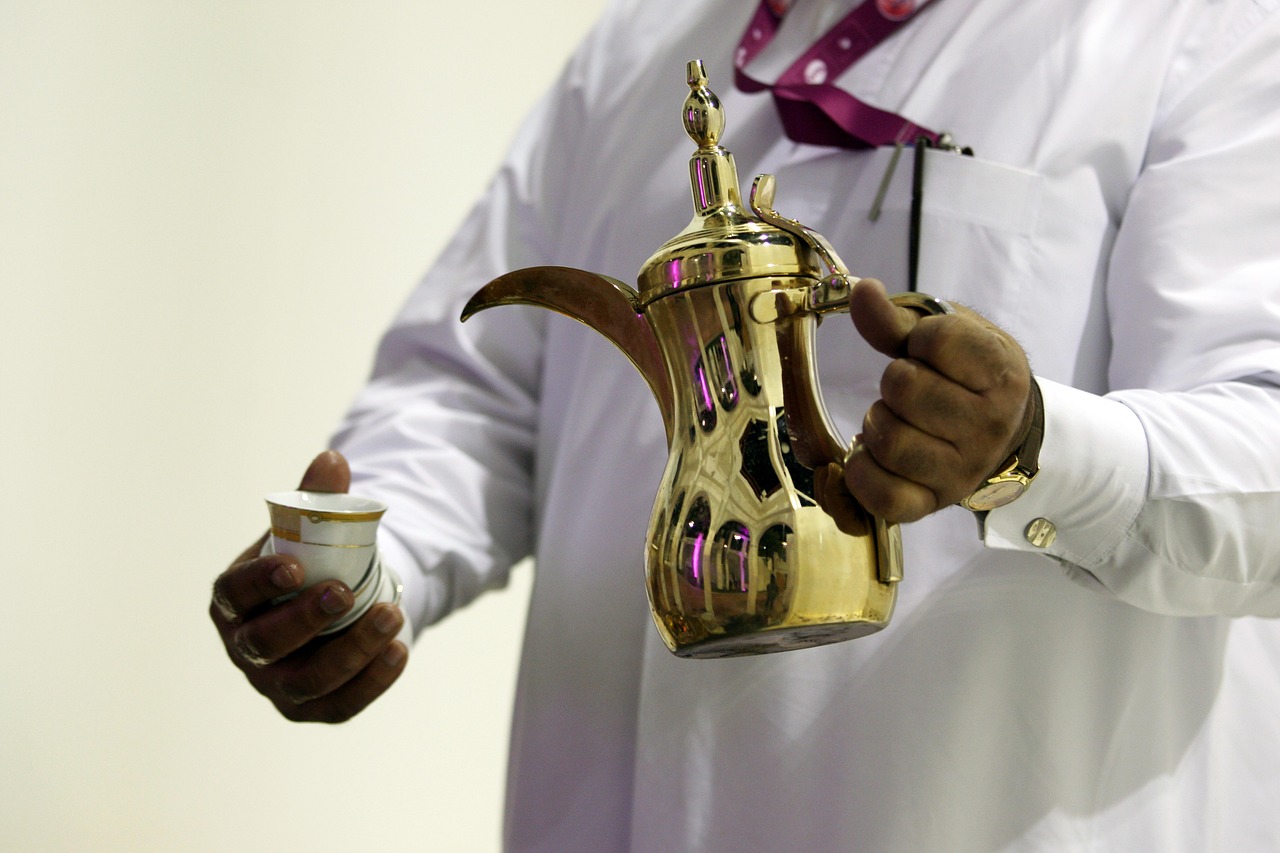
Large, round flatbread baked against the walls of a clay oven, sold hot from small bakeries and eaten with ful, cheese or honey — a typical Makkah and Jeddah breakfast.
Makkah, Saudi Arabia
Abraj Al Bait (Clock Towers) and the hotels around Masjid al-Haram
The malls and hotels facing the mosque have large food courts with Saudi, South Asian, Turkish and international food, open long hours for pilgrims.
Open in Google Maps (opens in a new tab)Aziziyah, Ajyad and the neighbourhoods around the Haram
Small bakeries sell hot tamees bread and ful for breakfast, and neighbourhood restaurants serve saleeg, mandi, kabsa and grills — often better value than the food courts.
Open in Google Maps (opens in a new tab)Makkah, Saudi Arabia
Hotels facing or a few minutes from Masjid al-Haram, including the Clock Tower complex. The most convenient for praying in the mosque, and the most in demand in Ramadan and Hajj.
Open in Google Maps (opens in a new tab)Makkah, Saudi Arabia
South of the Haram, a walk or short ride away: many mid-range hotels and local shops and restaurants.
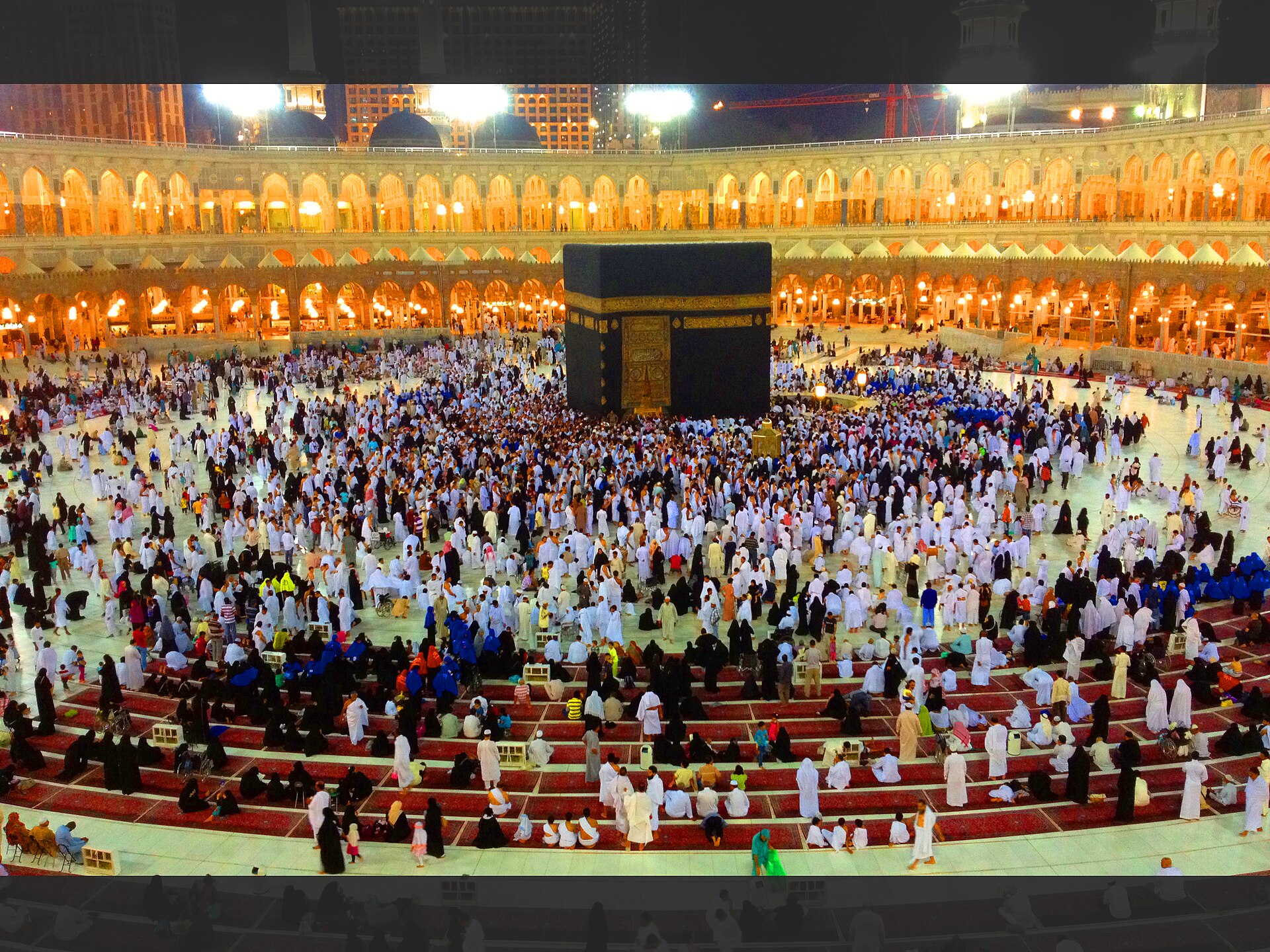
Open in Google Maps (opens in a new tab)Prayer in congregation around the Kaaba, in circles facing it from every side, is one of the most moving sights in the Muslim world. Tawaf goes on day and night, and the call to prayer from the Haram is heard across the valley.
The Kaaba is a cube-shaped building at the centre of Masjid al-Haram. Muslims believe it was built by the Prophet Ibrahim and his son Ismail as the first house of worship of the One God. It is covered by the black and gold Kiswa, and in its eastern corner is set the Black Stone (al-Hajar al-Aswad).
The mosque around it has been enlarged many times, from the early caliphs through the Ottoman era to the vast Saudi expansions of the 20th and 21st centuries. Today its courtyards, galleries and roofs can hold millions of worshippers, and it is the centre of the rites of Umrah and Hajj.
With the intention of Umrah, enter the mosque reciting the talbiyah.
Seven circuits around the Kaaba, starting from the Black Stone.
Two rak’ahs behind Maqam Ibrahim, then drink Zamzam.
Seven lengths between Safa and Marwah, then cut or shave the hair.
Open at all times. Late night and early morning (after Fajr) are often calmer for tawaf; Ramadan, Fridays and Hajj are the busiest.
In central Makkah: most hotels around the Haram are within walking distance. From outer districts, take a Makkah bus, hotel shuttle or taxi to the drop-off points around the mosque. From Jeddah, take the Haramain train to Makkah station, then a bus or taxi.