The prayer hall
Masjid al-Qiblatayn
A calm hall facing Makkah, where visitors pray and reflect on the change of qibla.
Open in Google Maps (opens in a new tab)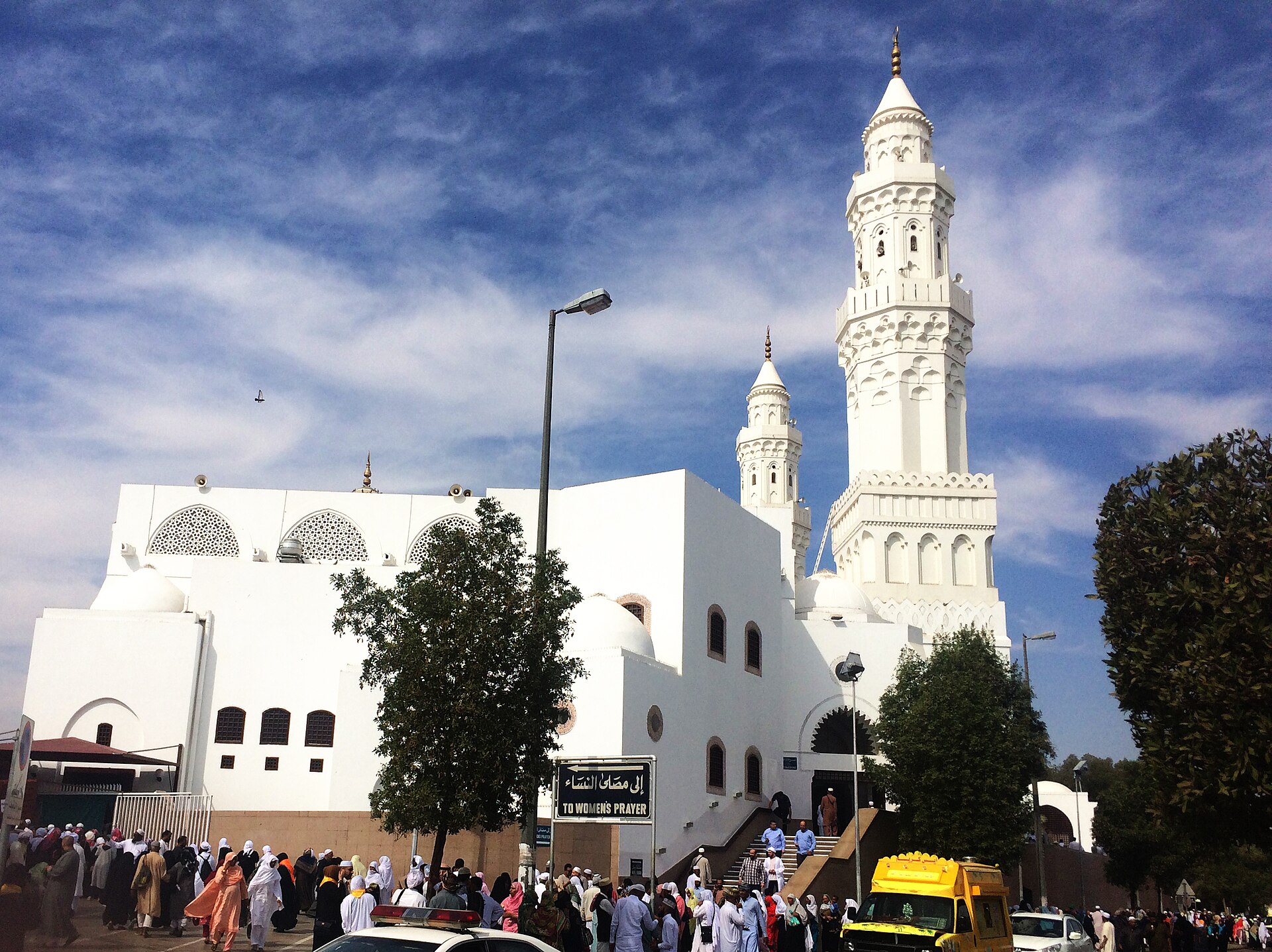
 Madinah, Saudi Arabia
The "Mosque of the Two Qiblas", where — according to Islamic tradition — the command came during prayer to turn the qibla from Jerusalem to the Ka'bah in Makkah.
Masjid al-Qiblatayn
A calm hall facing Makkah, where visitors pray and reflect on the change of qibla.
Open in Google Maps (opens in a new tab)Exterior
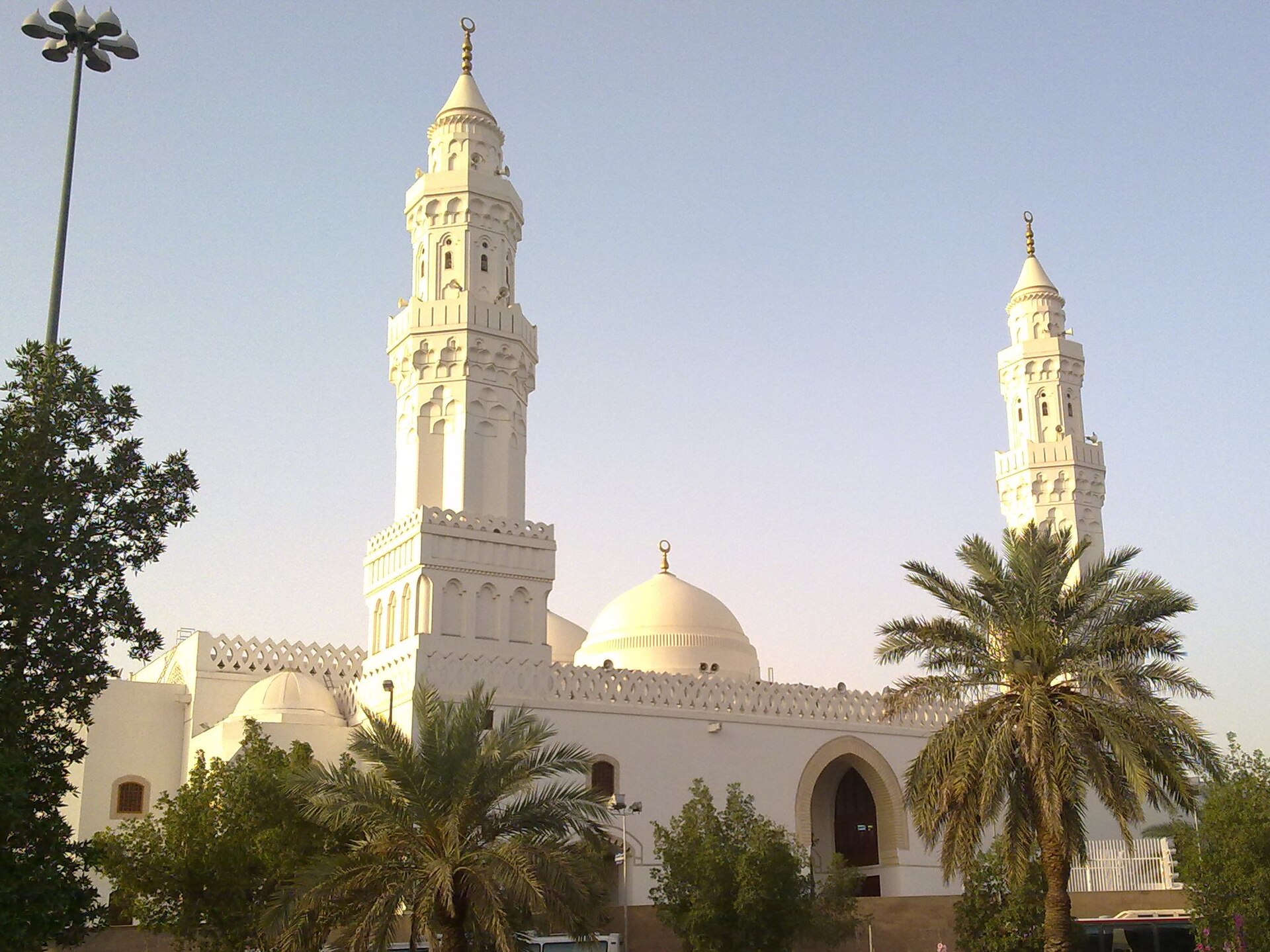
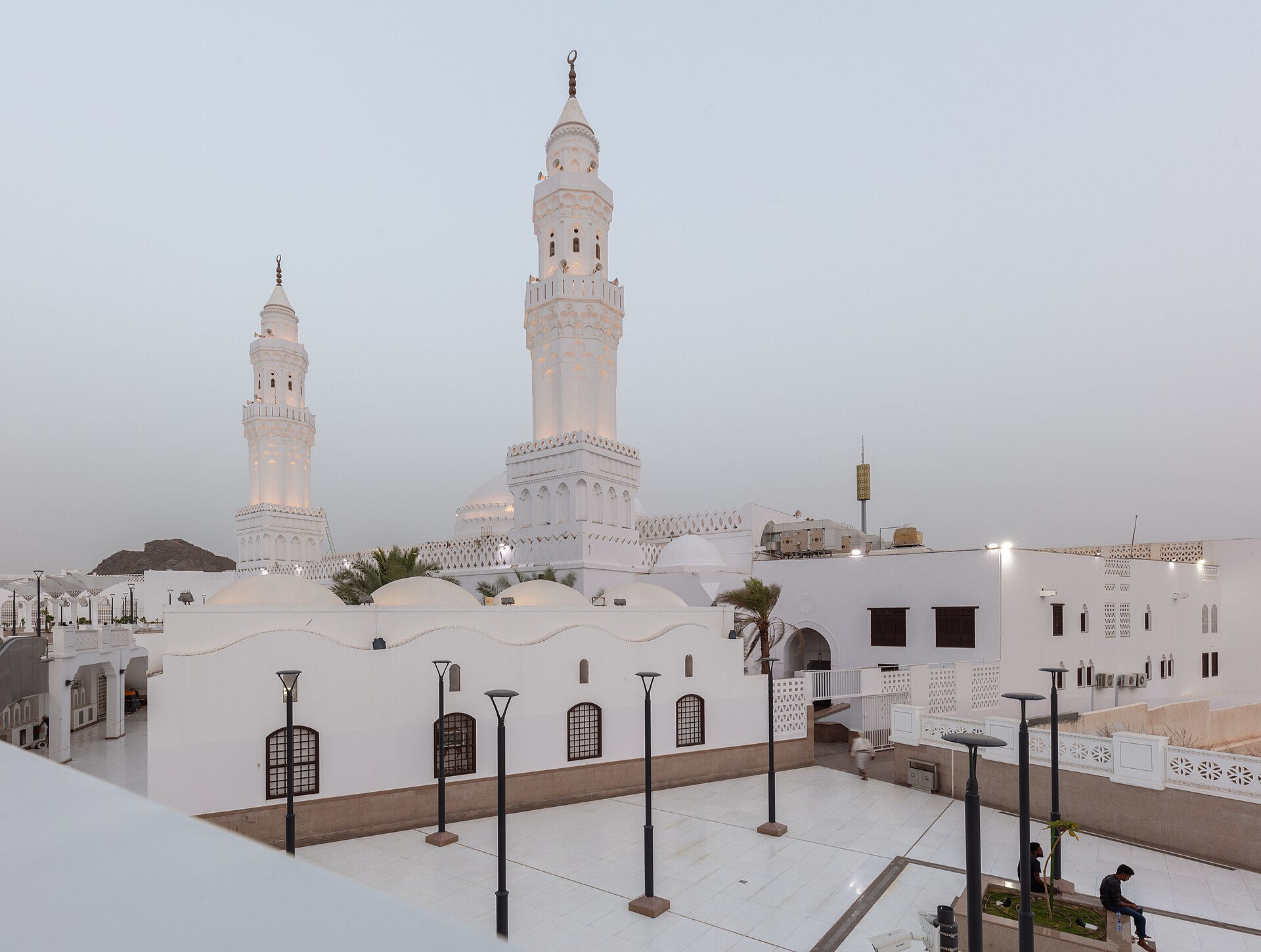
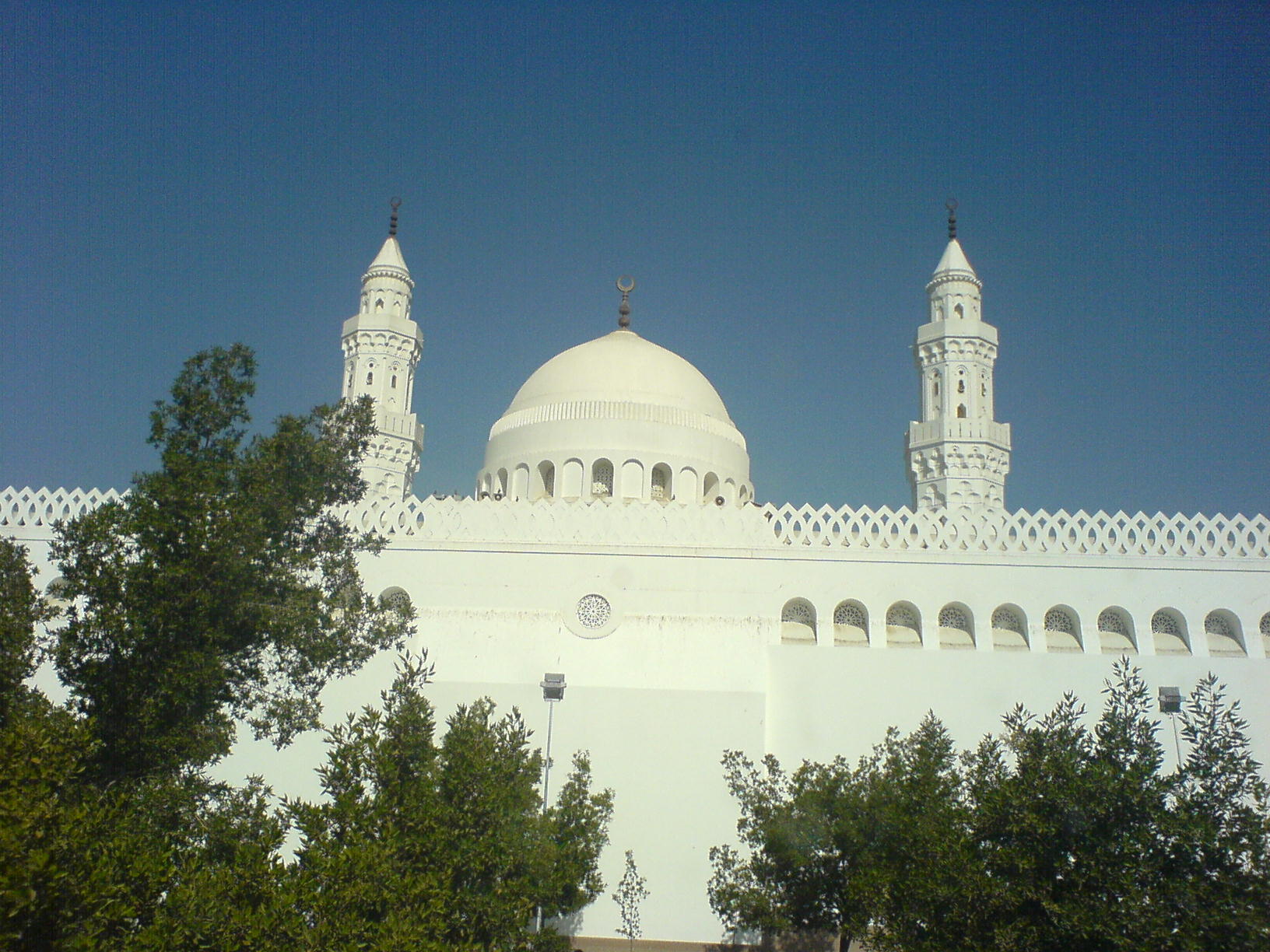
The white minarets and domes of the modern building, best photographed from the street in morning light.
Open in Google Maps (opens in a new tab)West of the mosque
The historic valley of Madinah, praised in hadith as a blessed valley. Parts of it are now landscaped with walkways.
Open in Google Maps (opens in a new tab)
Madinah, Saudi Arabia
Madinah, Saudi Arabia
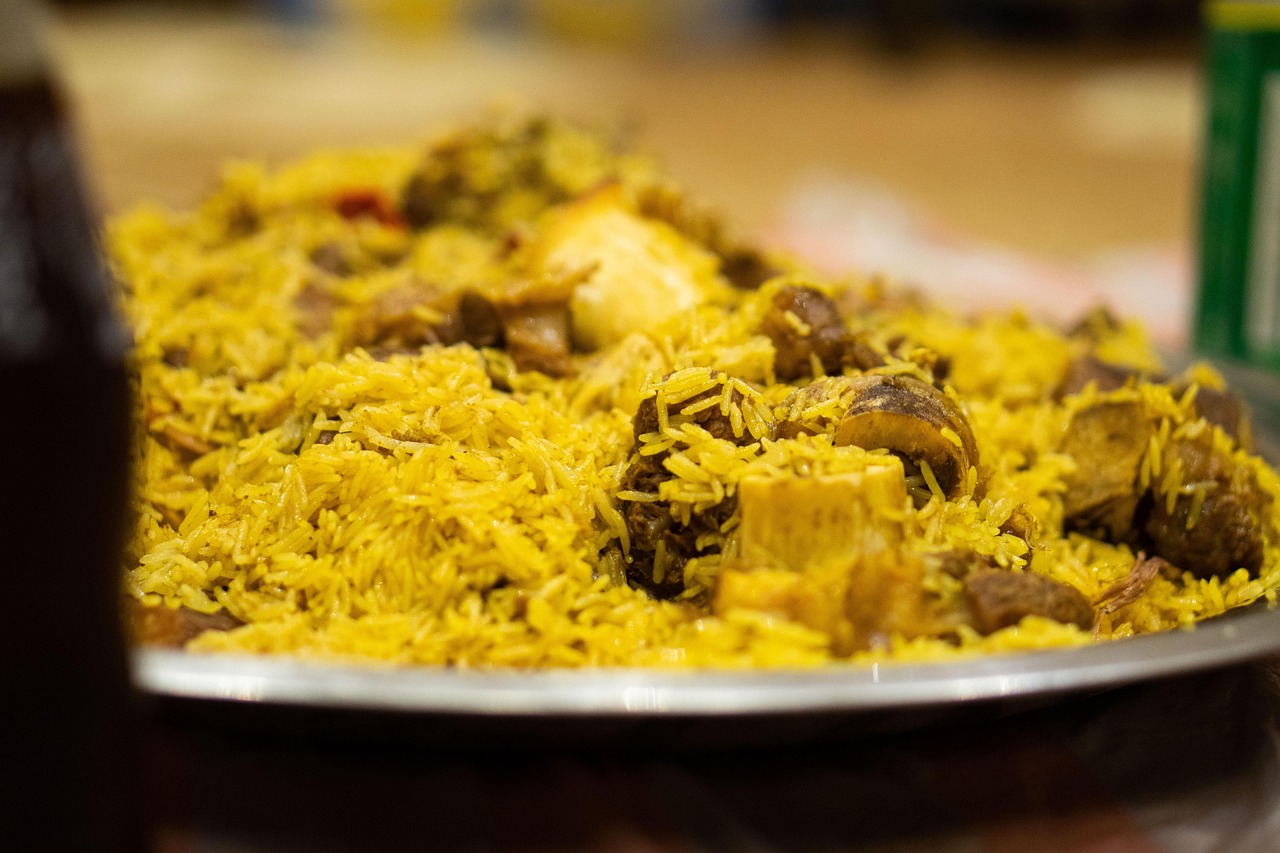
The national rice dish of Saudi Arabia: long-grain rice cooked with tomato, dried lime and a warm spice mix, topped with chicken or lamb, raisins and nuts.
Streets around the Prophet's Mosque
Hotel buffets, food courts and simple restaurants serving Saudi, Turkish, South Asian, Indonesian and Middle Eastern food for pilgrims from every country. Busiest straight after each prayer.
Open in Google Maps (opens in a new tab)Along Quba Road, between the centre and Quba Mosque
Local restaurants, bakeries and juice shops along the road to Quba — good for mandi, kabsa, mutabbaq and fresh juice.
Open in Google Maps (opens in a new tab)Madinah, Saudi Arabia
Large hotels a few minutes' walk from the Prophet's Mosque and its northern gates. The most convenient for Muslim pilgrims who want to pray all five prayers at the mosque.
Open in Google Maps (opens in a new tab)Madinah, Saudi Arabia
Newer hotels and apartments further out, quieter and roomier, with a car or taxi ride to the centre. A practical choice for families with a car, and for non-Muslim visitors.
Open in Google Maps (opens in a new tab)The mosque is a reminder of a turning point in the life of the Muslim community. Dress modestly: men in long trousers and sleeved tops; women in loose clothing covering arms and legs, with a headscarf (an abaya is customary). Take your shoes off before the prayer halls, keep your voice low, and do not walk directly in front of someone who is praying. Photography of people at prayer is discouraged.
In the early years in Madinah, Muslims prayed facing Al-Masjid al-Aqsa in Jerusalem. In the second year after the Hijrah (around 624 CE), the verses of Surah al-Baqarah (2:144) were revealed commanding the believers to turn towards the Masjid al-Haram in Makkah. Tradition holds that the Prophet ﷺ and his companions were praying in this mosque of the Banu Salamah when the command came, and turned to face Makkah in the middle of the prayer.
For that reason the mosque long had two prayer niches, one facing each direction. It was rebuilt and enlarged in the late 20th century in a clean white style with twin minarets and domes, and today has a single mihrab facing Makkah.
Pray two rak'ahs and learn the story of the change of qibla.
Continue a short drive east to the site of the Battle of the Trench.
Return for Dhuhr at the Prophet's Mosque.
Early morning or after Asr, outside the midday heat. November–February is the most comfortable season.
The mosque is in the north-west of the city, about 5–6 km from the Prophet's Mosque. Take a taxi, a ride-hailing app or a ziyarah tour, which usually combines it with the Seven Mosques.
There is parking beside the mosque; the visit itself is on foot.