The palm-wood gate
Main entrance
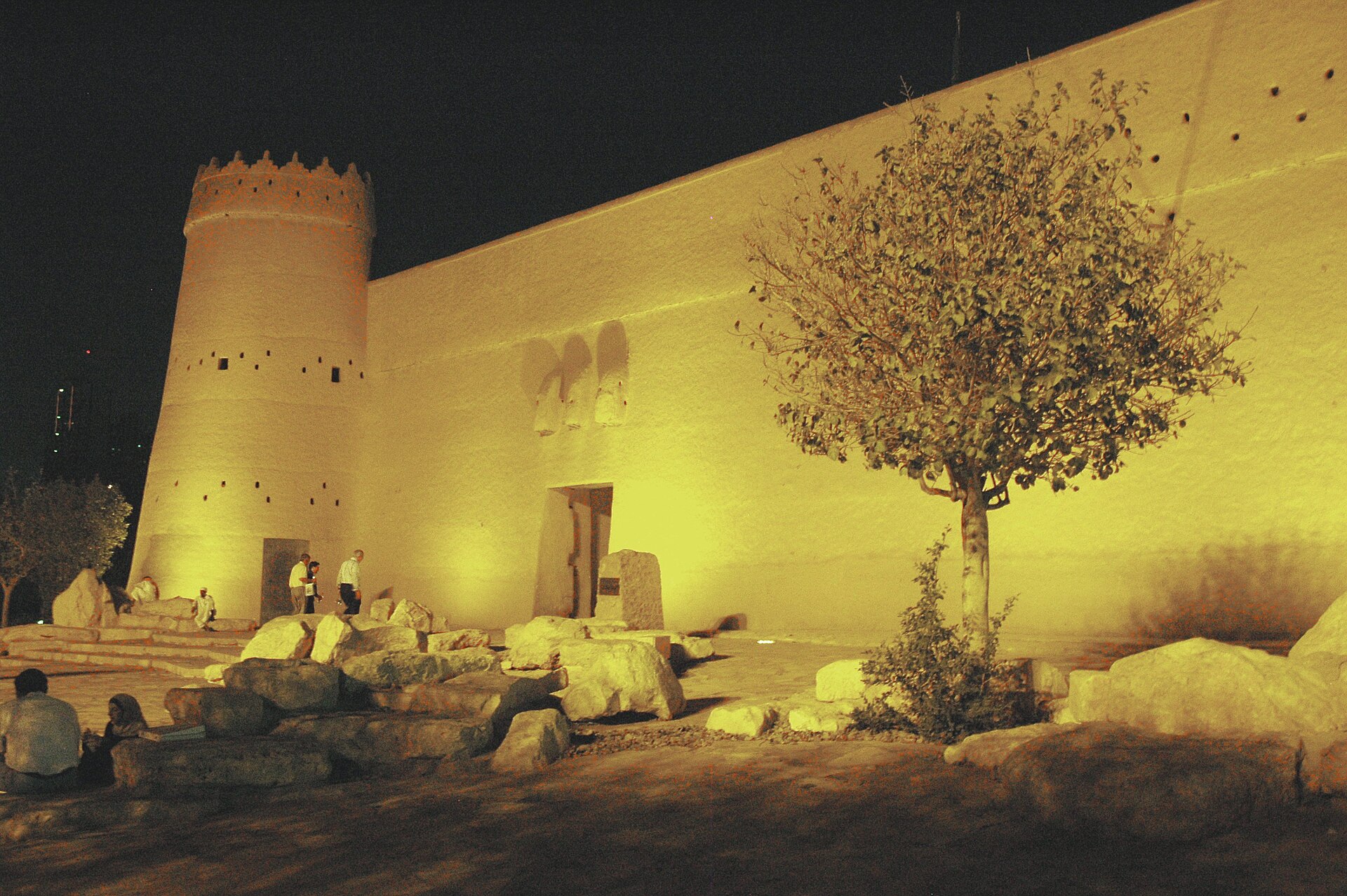
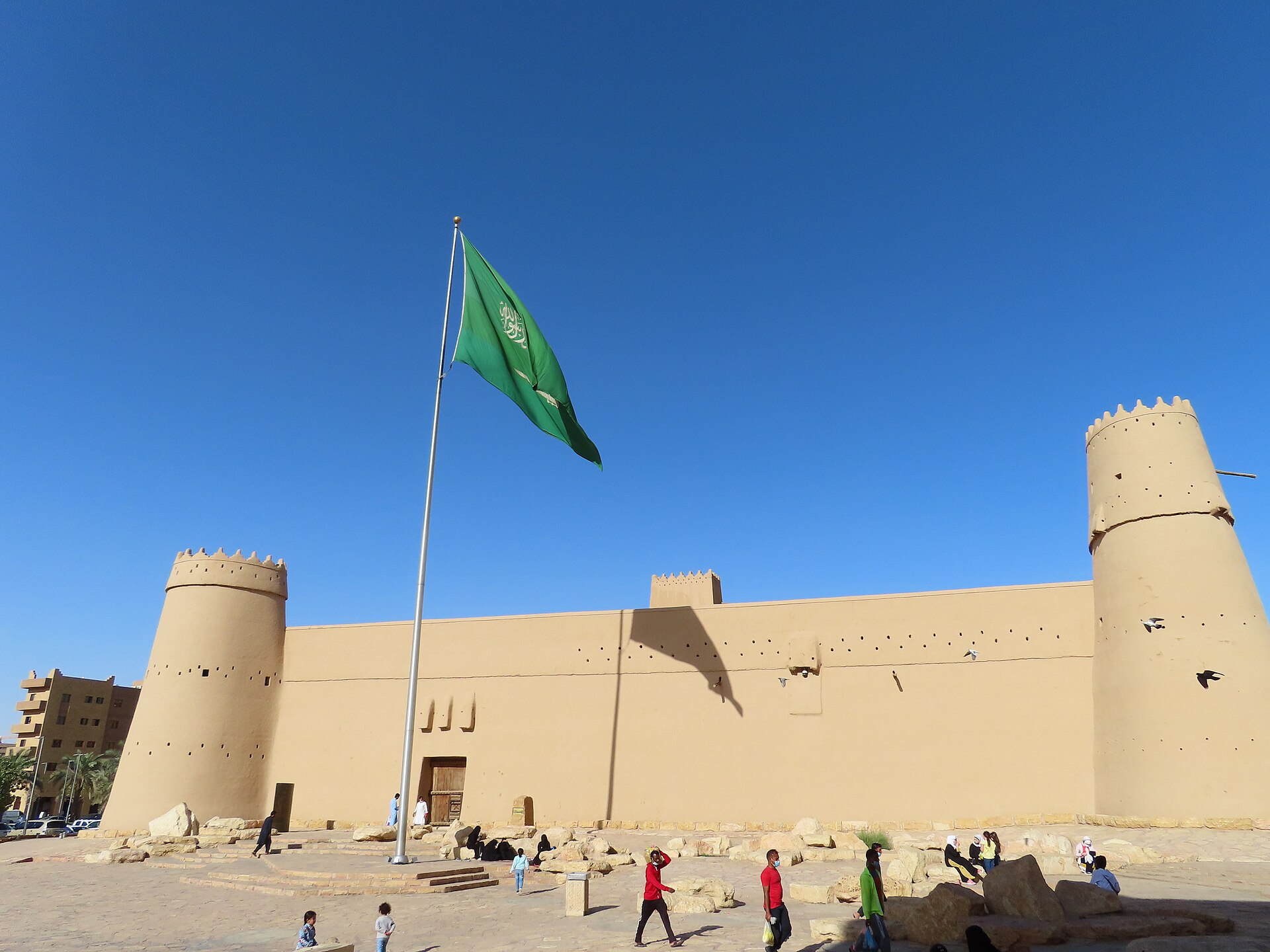
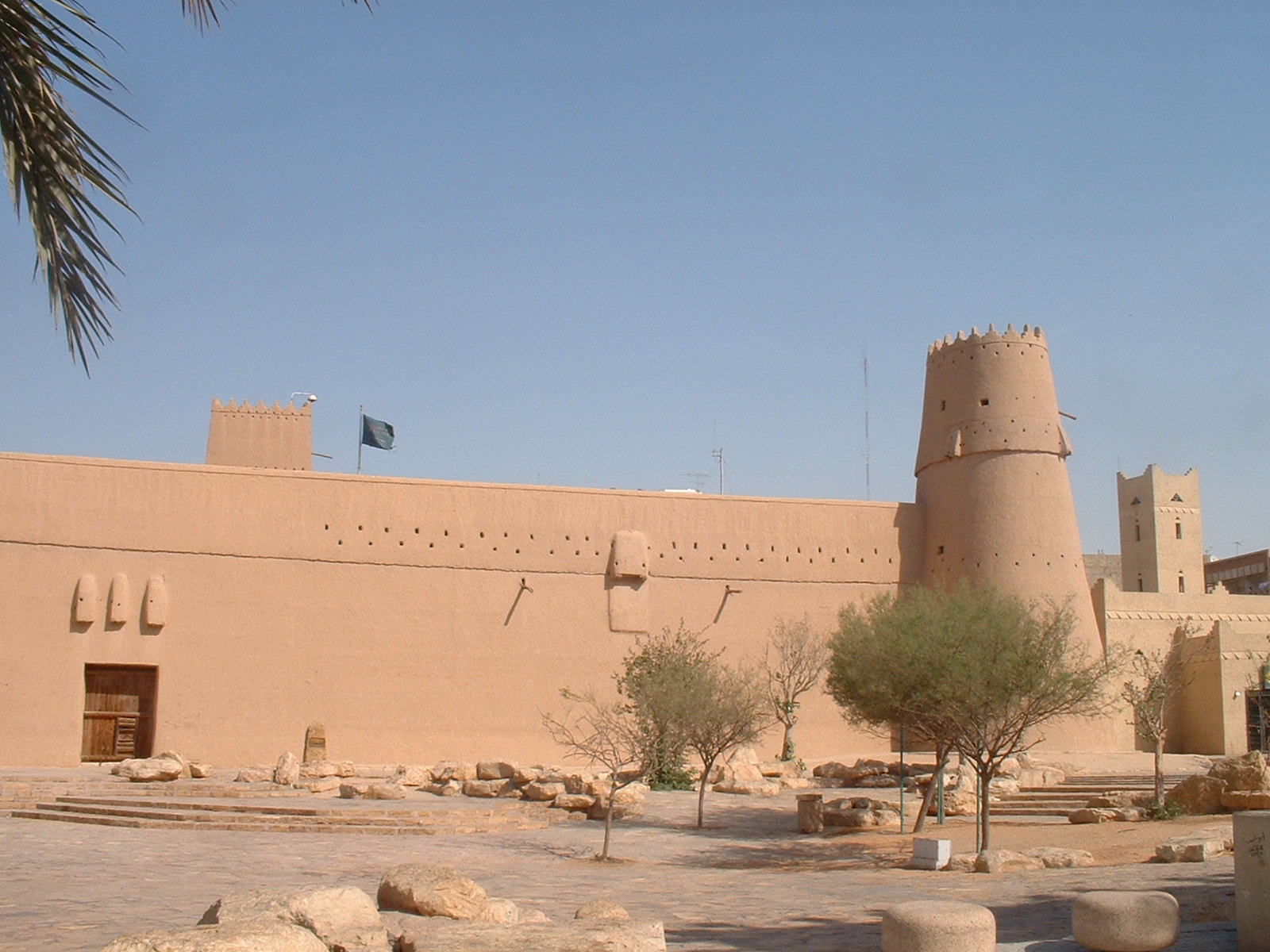
The heavy door with its small wicket entrance and the spearhead still shown in the wood.
Open in Google Maps (opens in a new tab)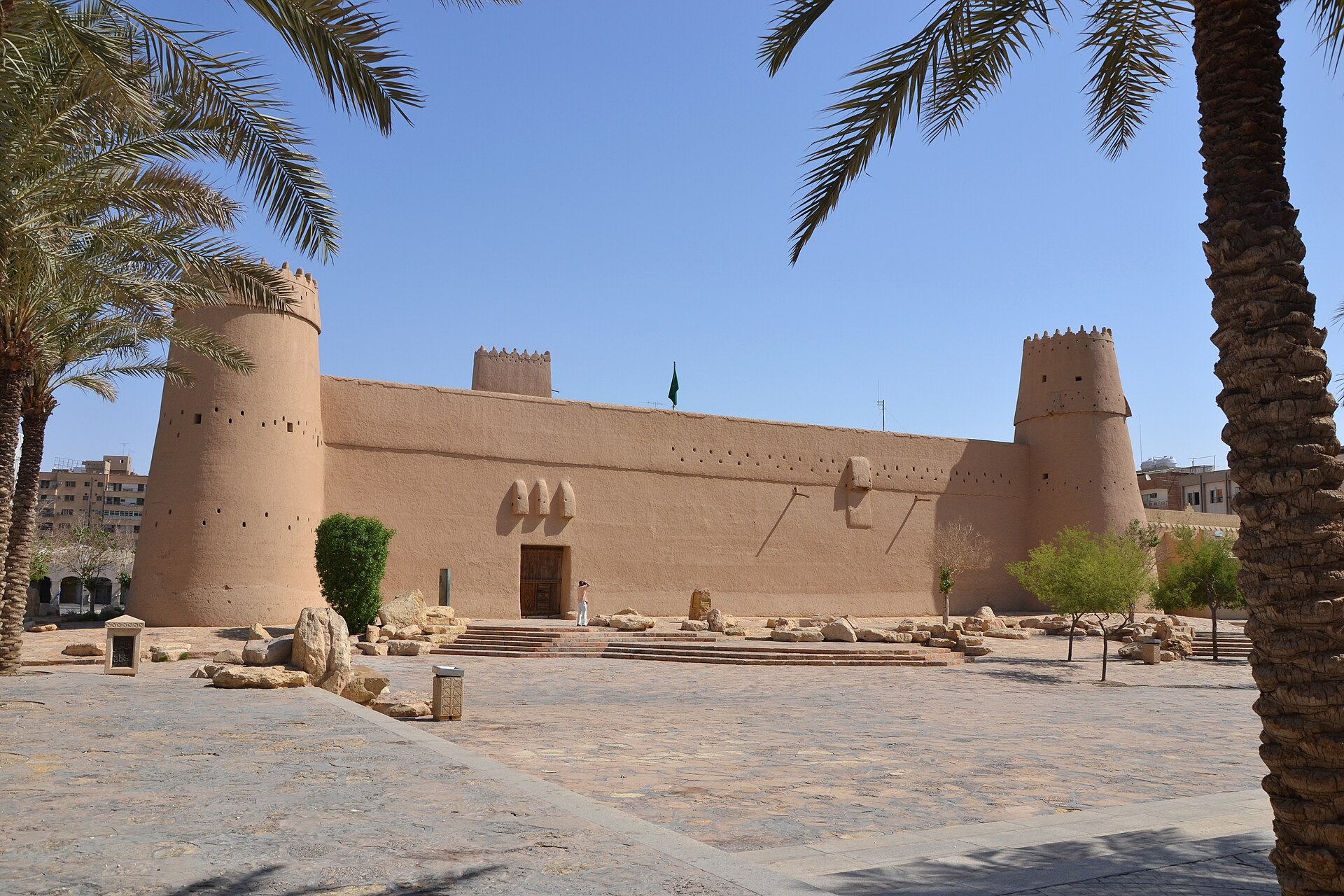
 Riyadh, Saudi Arabia
A mud-brick fort in the old centre of Riyadh, where the 1902 raid that began the founding of modern Saudi Arabia took place — now a museum.
Main entrance
The heavy door with its small wicket entrance and the spearhead still shown in the wood.
Open in Google Maps (opens in a new tab)Corners of the fort
Tall mud-brick towers with triangular vents and loopholes, classic Najdi military architecture.
Open in Google Maps (opens in a new tab)Inside the fort
Displays, photographs and maps on the 1902 recapture of Riyadh and the unification of the Kingdom.
Open in Google Maps (opens in a new tab)Next to the fort
Open squares and the historic government district of old Riyadh.
Open in Google Maps (opens in a new tab)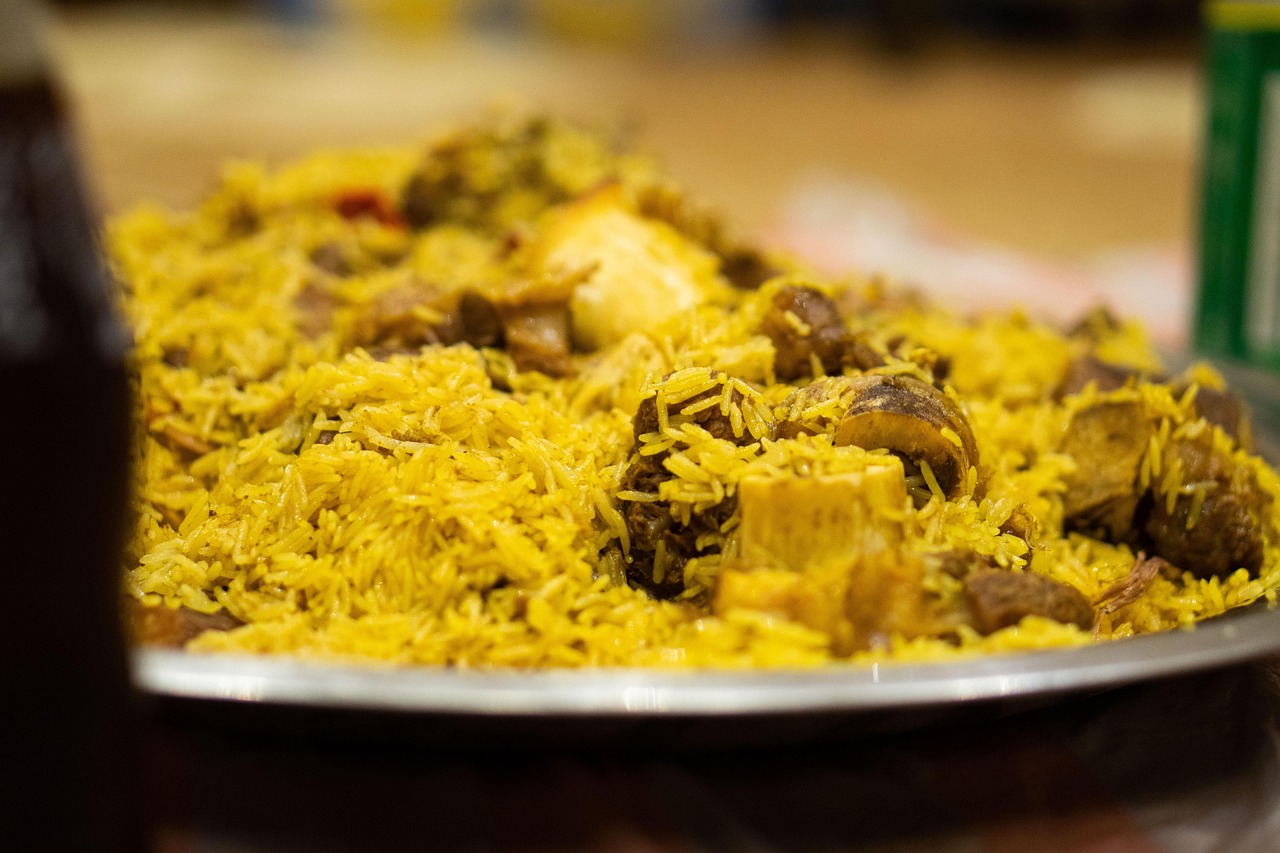
Riyadh, Saudi Arabia
Saudi Arabia's best-known dish: long-grain rice cooked with a warm spice mix, tomato and stock, piled on a large platter and topped with chicken or lamb, fried onions, nuts and raisins. Often shared from one tray.
Riyadh, Saudi Arabia
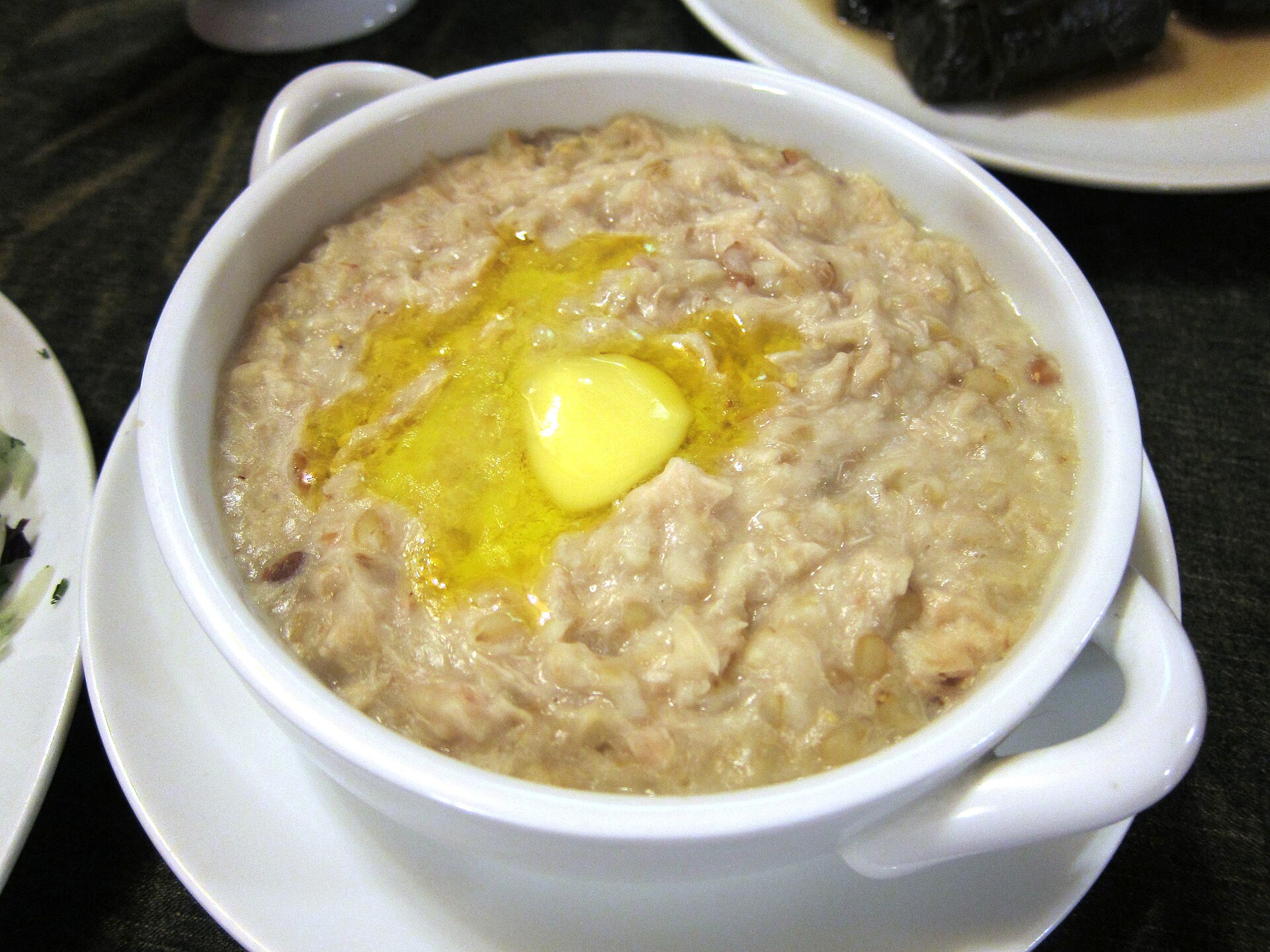
Cracked wheat slow-cooked with meat or chicken, onion and spices until creamy, a traditional dish of the Najd region around Riyadh.
Riyadh, Saudi Arabia
Around Souq Al Zal, Masmak Fortress and Qasr Al Hokm
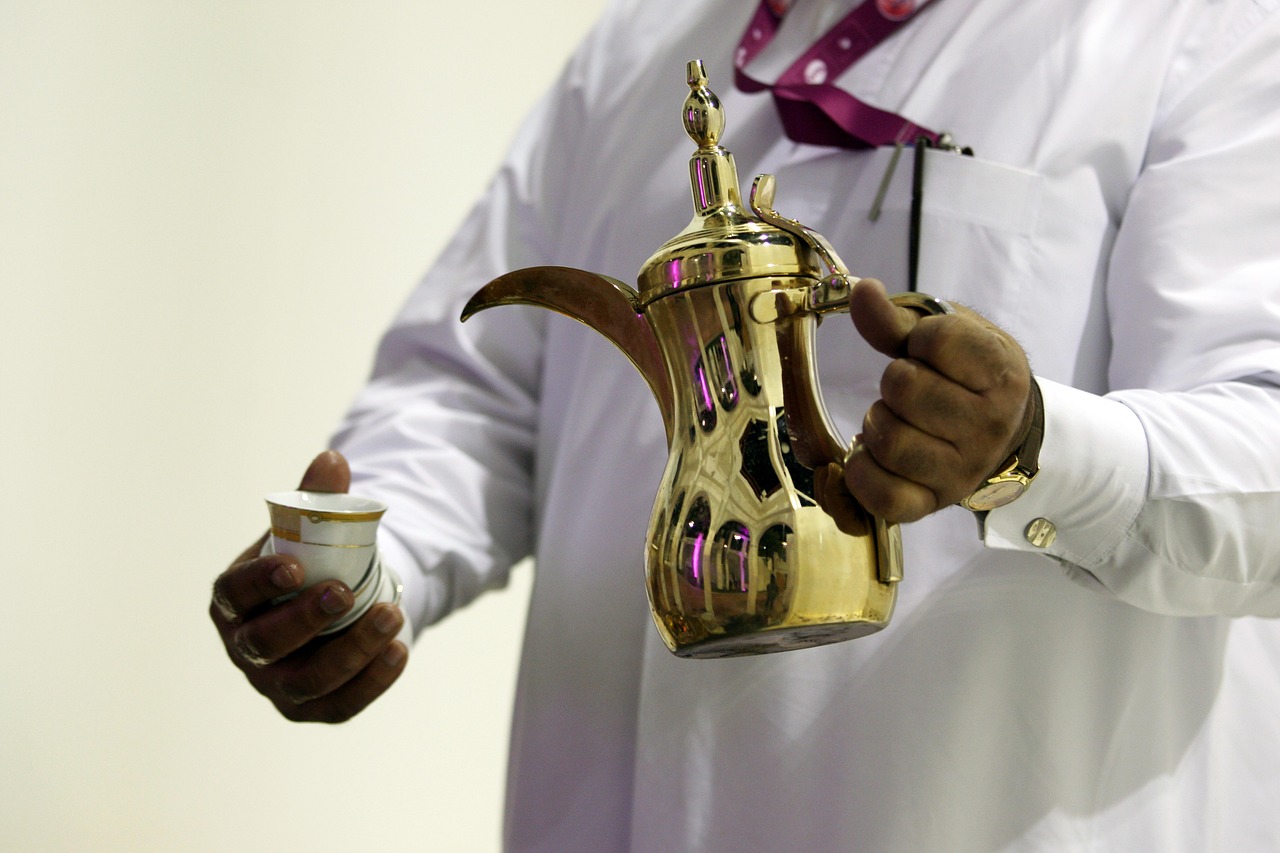
The old centre has simple local restaurants serving kabsa, mandi and grills, plus coffee stalls where men sit for gahwa and dates. Good value and very local.
Open in Google Maps (opens in a new tab)Olaya district, around Kingdom Centre
Riyadh's busiest dining strip: Saudi, Levantine, Turkish, Indian and international restaurants, cafés and dessert shops, open late into the night.
Open in Google Maps (opens in a new tab)Riyadh, Saudi Arabia
Closest to Masmak Fortress, Souq Al Zal and the National Museum. More local in character, with mid-range hotels and a busy evening street life.
Open in Google Maps (opens in a new tab)Riyadh, Saudi Arabia
The modern business heart of Riyadh, around Kingdom Centre and Al Faisaliah Tower: large international hotels, malls and restaurants, and the Riyadh Metro Blue Line along Olaya Street.
Open in Google Maps (opens in a new tab)For Saudis, Masmak is a symbol of the founding story of the Kingdom. The surrounding Qasr Al Hokm district, the historic seat of government, has been rebuilt around open squares in a modern take on Najdi design.
Masmak Fortress (Qasr Al Masmak) was built in the second half of the 19th century in the Najdi style, with thick clay-and-mud-brick walls, four corner watchtowers and a heavy palm-wood gate. It served as a garrison and stronghold in the walled town of Riyadh.
In January 1902 Abdulaziz Ibn Saud and a small band of men captured the fort and retook Riyadh. A spearhead said to have been thrown during the fight is still shown lodged in the wooden gate. The fortress later served as an arsenal and storehouse and was restored and opened as a museum on the events of 1902 and the unification of the Kingdom.
Visit the fort and its museum rooms.
Walk through the historic government district.
Browse carpets, bishts, incense and antiques.
Kabsa and gahwa at a traditional restaurant.
October to March; in summer go late in the day. An hour is enough for the fort, longer if you add Souq Al Zal next door.
From Olaya: about 15–25 minutes by taxi or ride-hailing app to Al-Dirah in the old centre. Ask for Masmak or Qasr Al Hokm. The Riyadh Metro also serves the old centre — check the app for the nearest station.