
Station buildings
Station site
Ottoman-era stone buildings with arched windows, once used by passengers and railway staff.
Open in Google Maps (opens in a new tab)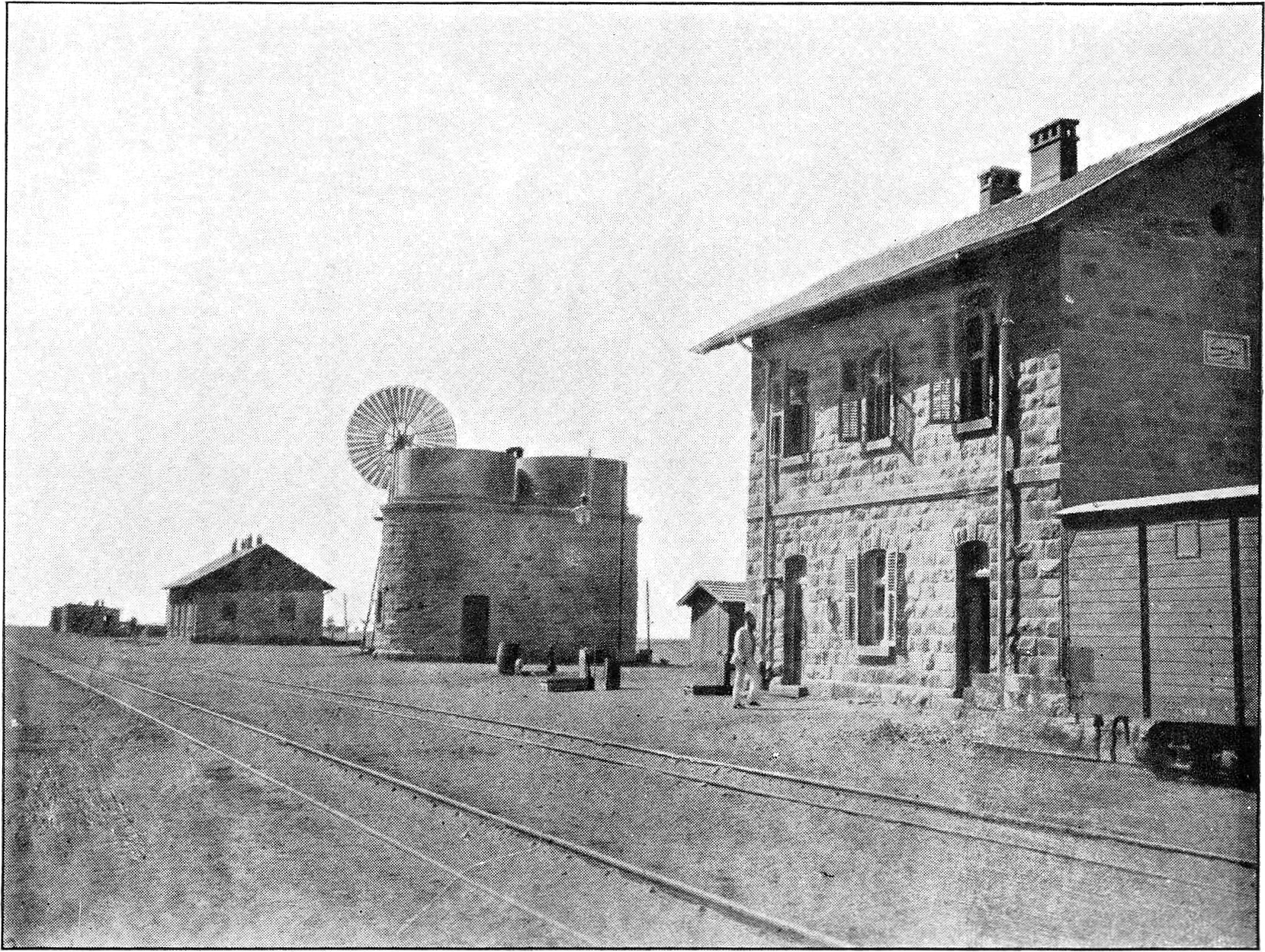
 Tabuk, Saudi Arabia
The restored stone station of the early 20th-century Hejaz Railway, which once carried pilgrims from Damascus to Medina. Old station buildings and rolling stock are on show.
Station site
Ottoman-era stone buildings with arched windows, once used by passengers and railway staff.
Open in Google Maps (opens in a new tab)On the tracks
Historic rolling stock displayed to show what travel on the pilgrim line looked like.
Open in Google Maps (opens in a new tab)Inside the restored buildings
Displays on the history of the Hejaz Railway and its role in the Hajj journey.
Open in Google Maps (opens in a new tab)
Tabuk, Saudi Arabia
Cracked wheat slow-cooked with meat or chicken, onion and spices into a soft, porridge-like dish, finished with ghee and fried onions. A classic of central and northern Saudi kitchens.
Tabuk, Saudi Arabia
Thin sheets of hand-rolled dough cooked in a stew of meat, squash, tomatoes and spices — a warming home-style dish of the Najd and northern regions, popular in winter.
Tabuk, Saudi Arabia
Central Tabuk, near the castle and the old market
The streets around Tabuk Castle and the traditional market are lined with simple local restaurants serving kabsa, mandi and grilled meats, plus bakeries and shawarma counters.
Open in Google Maps (opens in a new tab)The big avenues of central and northern Tabuk
The main commercial roads have family restaurants, Middle Eastern grills, cafés and international chains. Most have a family section and stay open late in the evening.
Open in Google Maps (opens in a new tab)Tabuk, Saudi Arabia
Hotels and furnished apartments close to Tabuk Castle, the Hejaz Railway station and the old market. The easiest base without a car.
Open in Google Maps (opens in a new tab)Tabuk, Saudi Arabia
Newer hotels and serviced apartments along the main roads towards the airport and the malls — practical for road trips out of the city.
Open in Google Maps (opens in a new tab)The railway is a symbol of the pilgrim journey and of the connections between Arabia and the Levant. Its stations along the north-west of the Kingdom are among the best-known heritage sites of the early 20th century.
The Hejaz Railway was built by the Ottoman Empire between 1900 and 1908 to carry pilgrims from Damascus to Medina, cutting a journey of weeks to a few days. Tabuk was one of the main stations along the line, with stone buildings for passengers, staff and water.
The railway was badly damaged during the First World War and never ran again south of Jordan. Tabuk's station has since been restored as a heritage site, with its buildings, platforms and historic carriages and a locomotive displayed for visitors.
Walk among the stone buildings and old carriages.
See the fort that guarded the older caravan route.
Saudi coffee and dates in a café in the centre.
October to April, in the morning or late afternoon.