Martyrs' Cemetery
At the foot of Mount Uhud
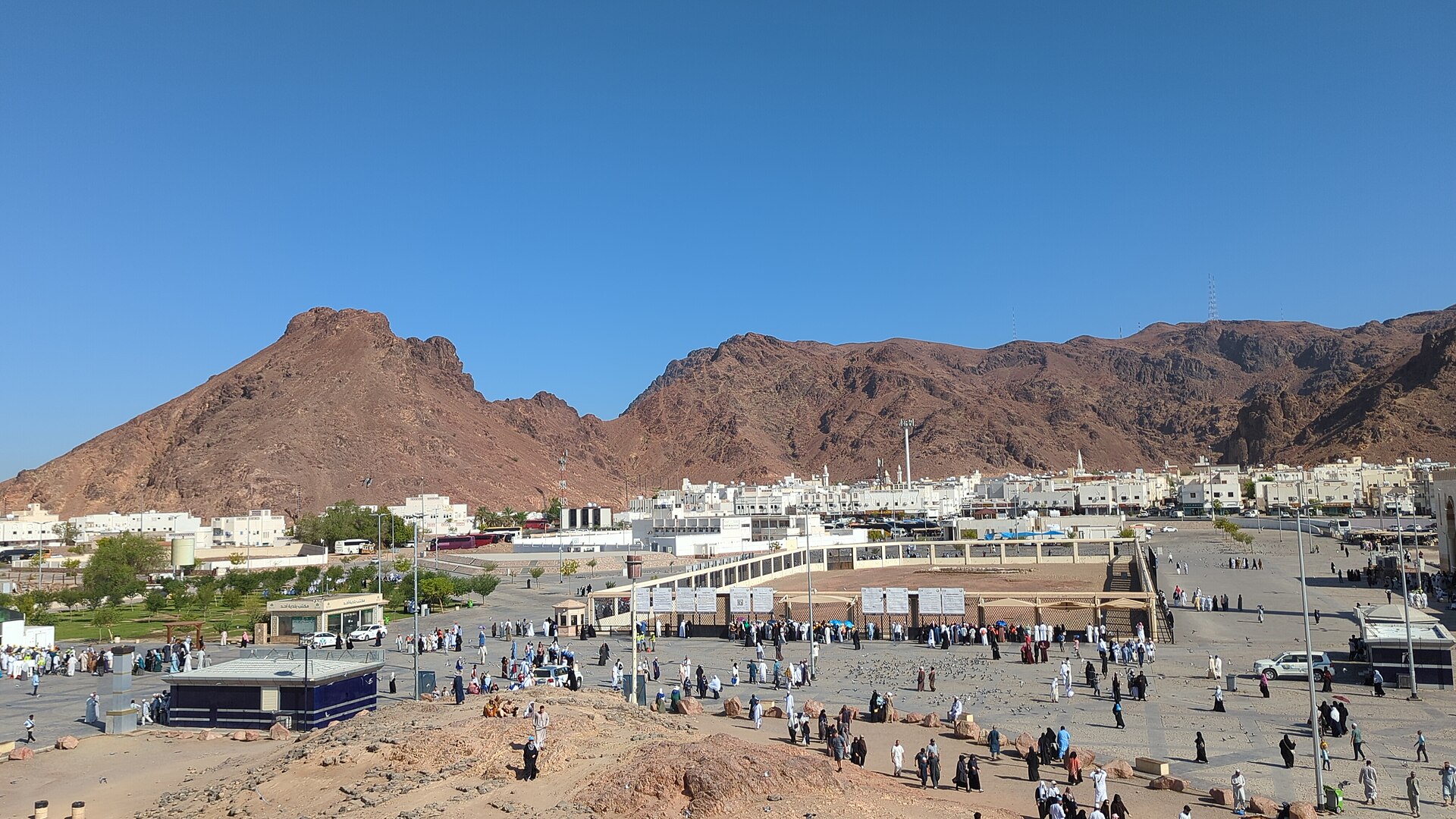
The walled cemetery where Hamza and the other martyrs of Uhud lie. Visitors stand at the fence to send salam and pray for them.
Open in Google Maps (opens in a new tab)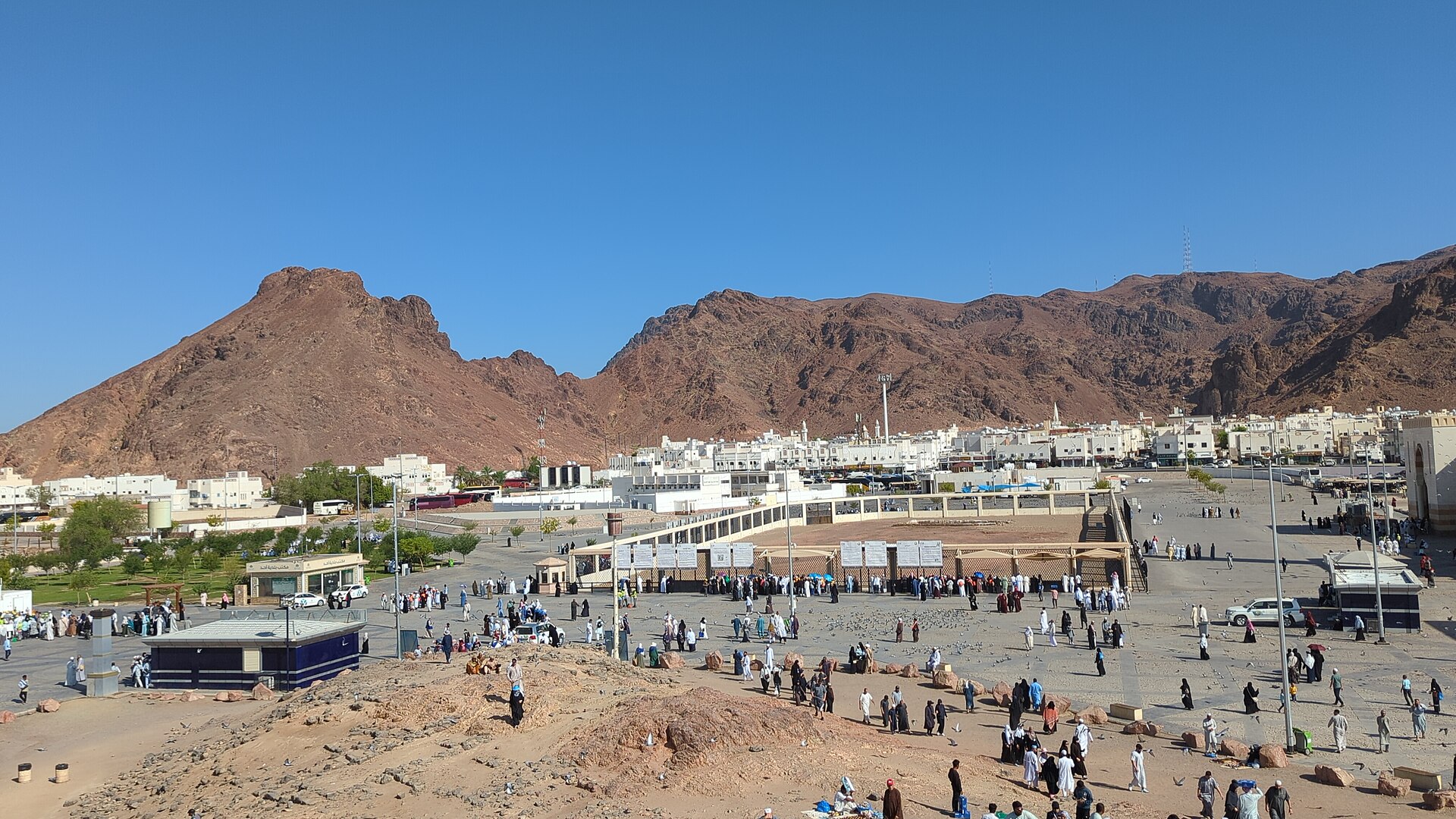
 Madinah, Saudi Arabia
The red granite mountain north of Madinah where the Battle of Uhud was fought in 625 CE, with the graves of its martyrs — among them Hamza ibn Abd al-Muttalib, the Prophet's uncle — and the Archers' Hill.
At the foot of Mount Uhud
The walled cemetery where Hamza and the other martyrs of Uhud lie. Visitors stand at the fence to send salam and pray for them.
Open in Google Maps (opens in a new tab)Opposite the cemetery
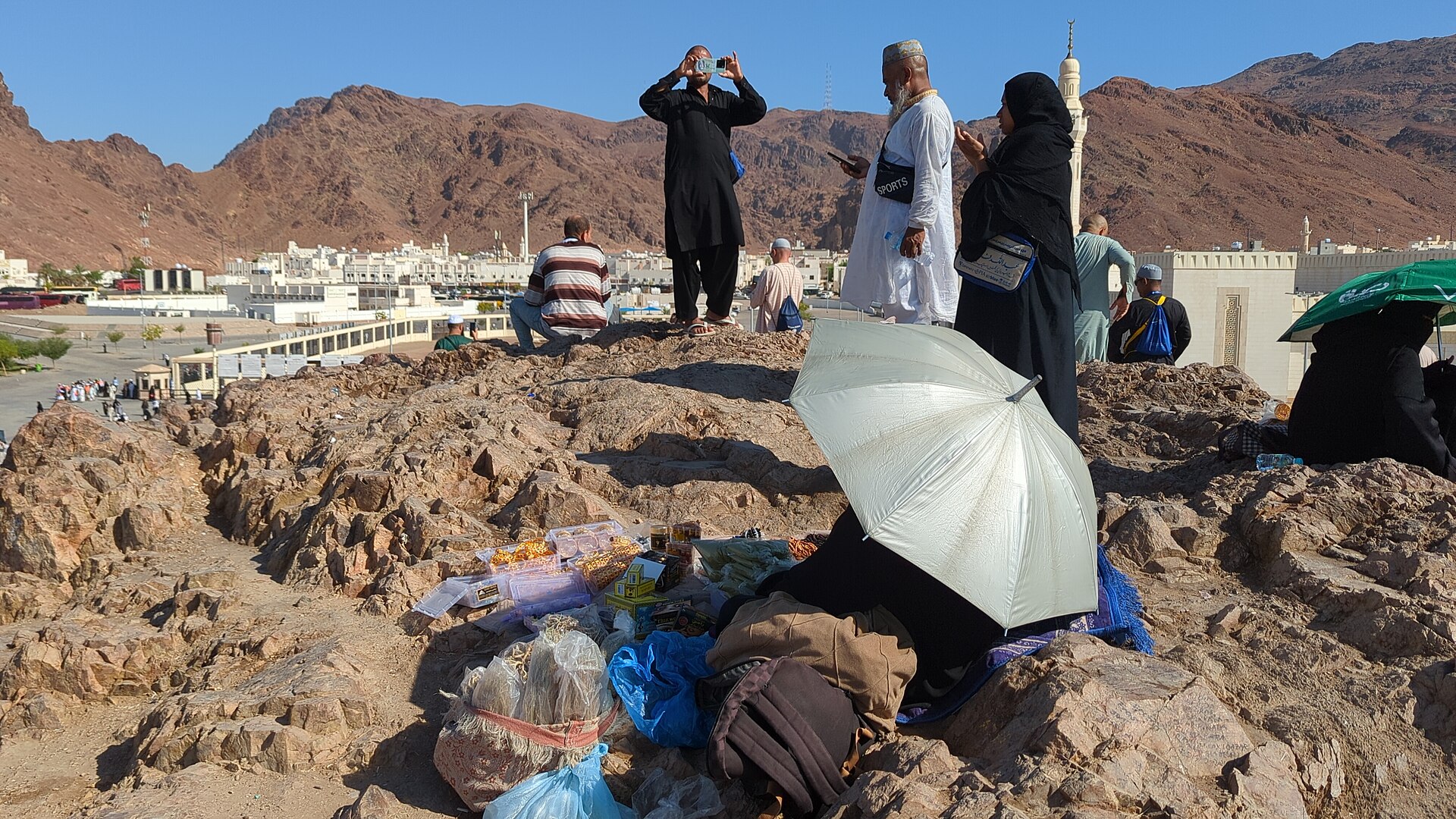
The small hill where the archers were posted. From its top you can see the battlefield, the cemetery and the mountain.
Open in Google Maps (opens in a new tab)Beside the cemetery
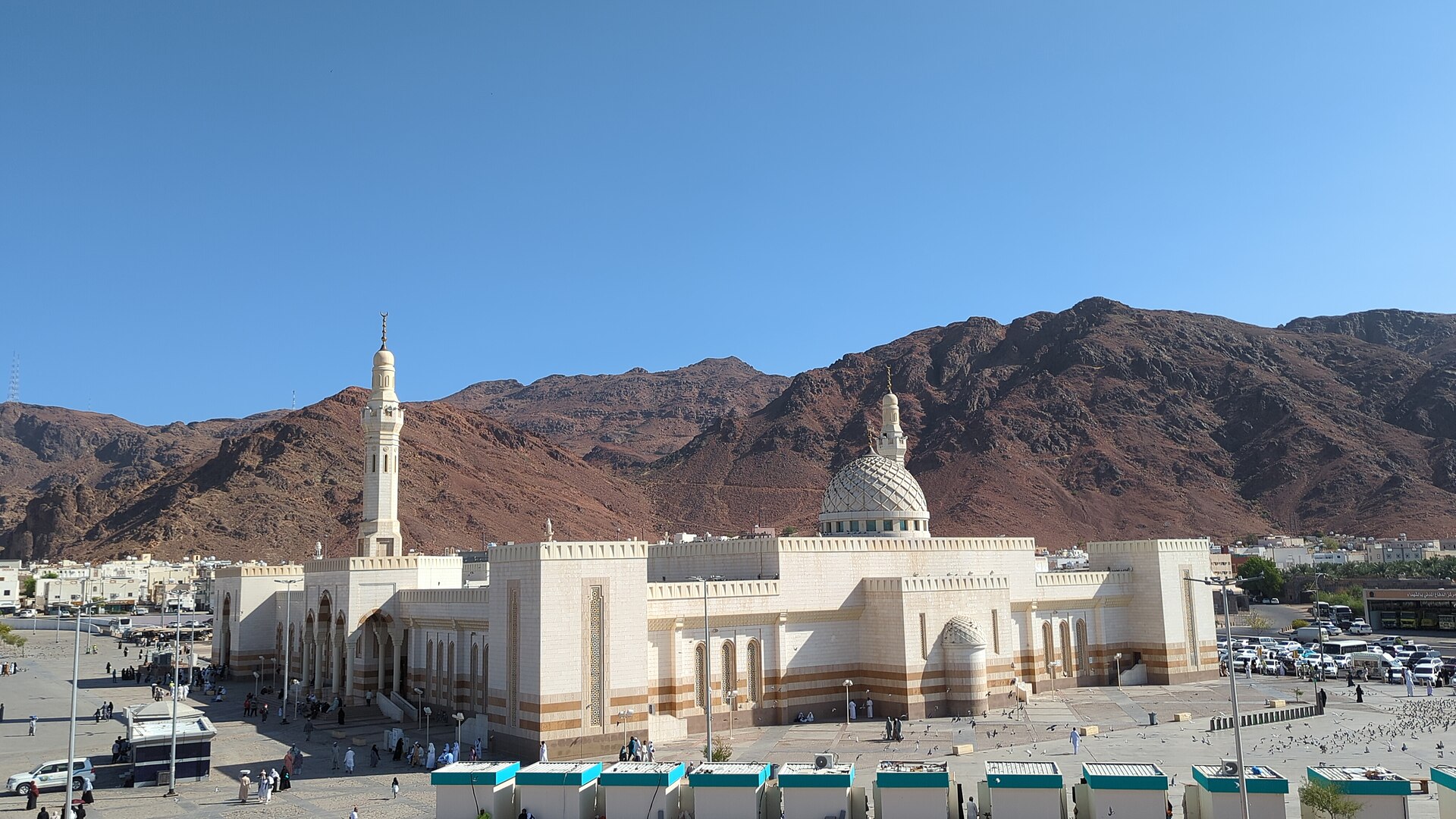
A large modern mosque named after Hamza, "the master of the martyrs", where visitors can pray.
Open in Google Maps (opens in a new tab)North of Madinah
The long red-brown granite massif, about 7 km long, that dominates the northern edge of the city.
Open in Google Maps (opens in a new tab)
Madinah, Saudi Arabia
Madinah, Saudi Arabia
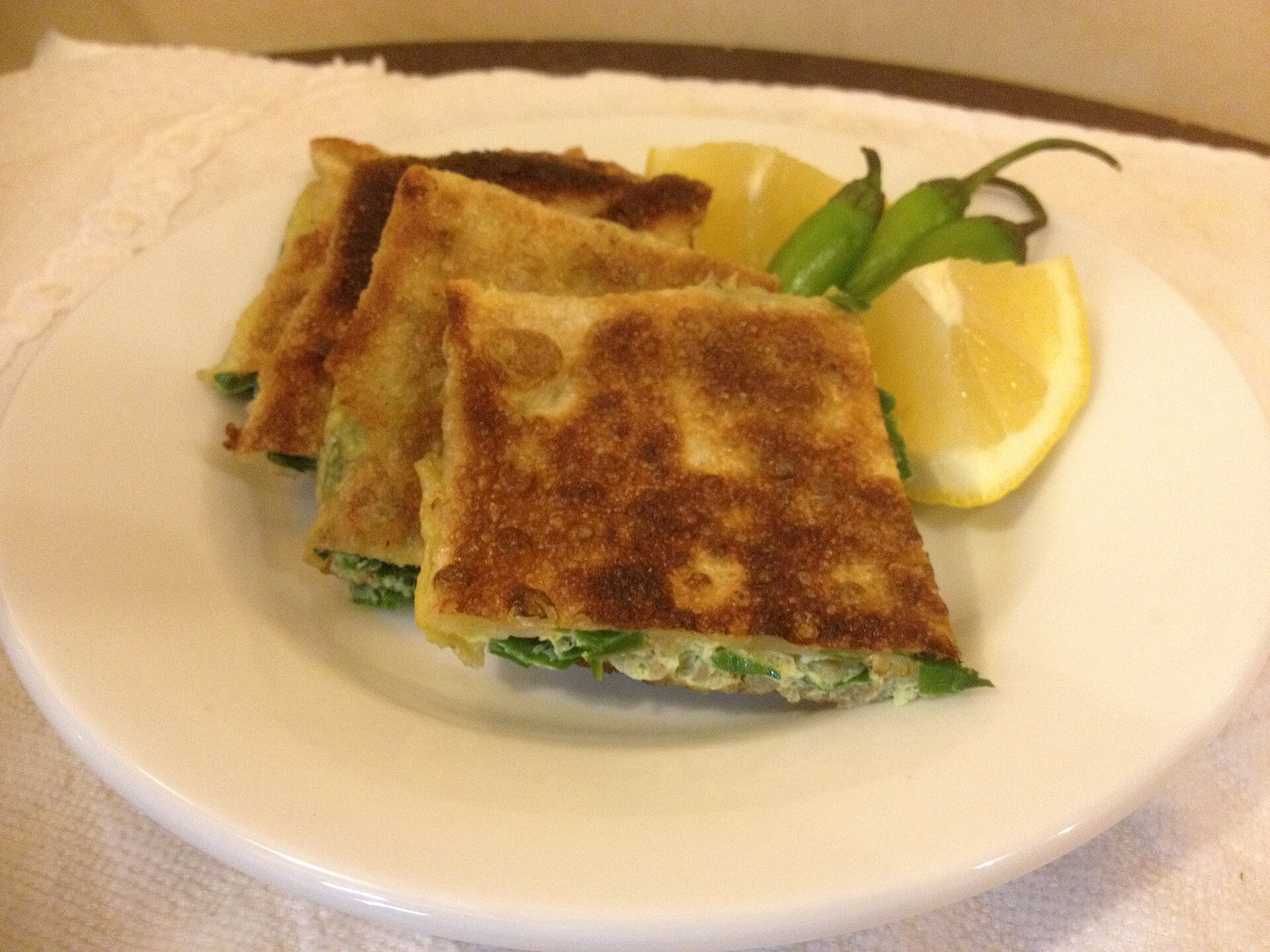
A thin, crisp folded pastry stuffed with minced meat, egg and leek (or sweet banana and cheese), cooked on a hot griddle. A favourite street snack in the Hejaz, especially in the evenings.
Streets around the Prophet's Mosque
Hotel buffets, food courts and simple restaurants serving Saudi, Turkish, South Asian, Indonesian and Middle Eastern food for pilgrims from every country. Busiest straight after each prayer.
Open in Google Maps (opens in a new tab)Madinah, Saudi Arabia
Large hotels a few minutes' walk from the Prophet's Mosque and its northern gates. The most convenient for Muslim pilgrims who want to pray all five prayers at the mosque.
Open in Google Maps (opens in a new tab)Madinah, Saudi Arabia
Newer hotels and apartments further out, quieter and roomier, with a car or taxi ride to the centre. A practical choice for families with a car, and for non-Muslim visitors.
Open in Google Maps (opens in a new tab)This is a burial place and a battlefield of deep meaning for Muslims. Speak quietly, do not touch or wipe the fences for blessing, and follow the guidance of the staff. Dress modestly: men in long trousers and sleeved tops; women in loose clothing covering arms and legs, with a headscarf (an abaya is customary). Take your shoes off before the prayer halls, keep your voice low, and do not walk directly in front of someone who is praying. Photography of people at prayer is discouraged.
In 3 AH (625 CE) an army from Makkah marched on Madinah and the Muslims met it at the foot of Mount Uhud. The Prophet ﷺ placed fifty archers on a small hill — now called Jabal al-Rumah, the Archers' Hill — and ordered them not to leave it. Early in the battle the Muslims were winning, but most of the archers left their post, and the Makkan cavalry attacked from behind. The Prophet ﷺ was wounded and about seventy Muslims were killed, including his uncle Hamza, "the Lion of Allah".
The martyrs were buried where they fell, and the Prophet ﷺ visited their graves and prayed for them. He also said of the mountain, "Uhud is a mountain that loves us and we love it." Visiting the martyrs, sending salam and reflecting on the lessons of obedience and patience is a traditional part of every ziyarah of Madinah.
Ride to Uhud while it is cool.
Send salam to Hamza and the martyrs and make du'a.
Climb for the view of the battlefield and reflect on its lessons.
Pray, then return to the centre.
Early morning, when it is cool and the light on the red mountain is soft. Avoid the summer midday heat.
Uhud is about 5 km north of the Prophet's Mosque. Taxis, ride-hailing apps and ziyarah tours go there; the drive takes 10–15 minutes.
The cemetery, the Archers' Hill and the Sayyid al-Shuhada Mosque are next to each other and are visited on foot. Large car and bus parks are beside them.