
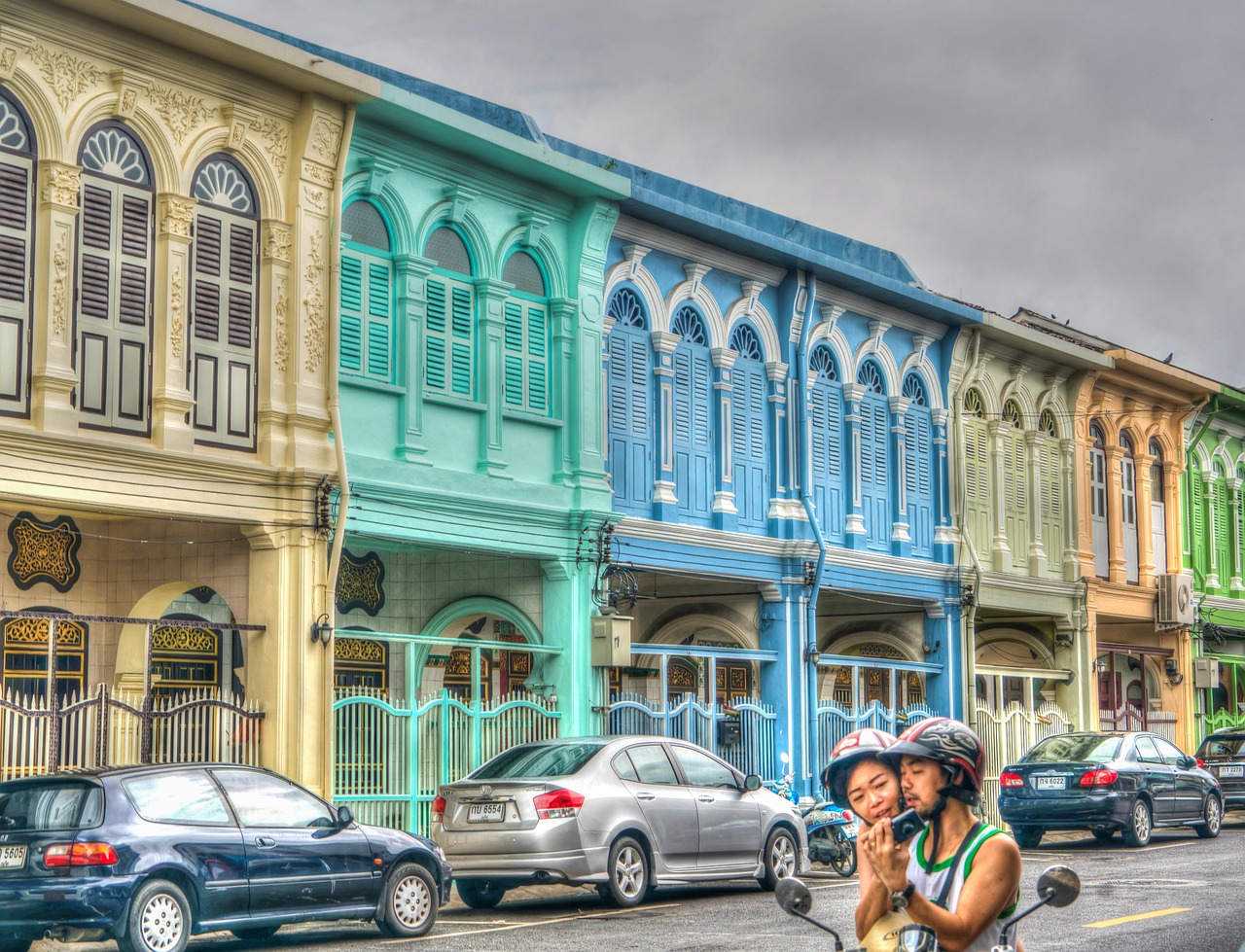
Sino-Portuguese shophouses in Phuket Town

Phuket, Thailand

Phuket Old Town

Pastel Sino-Portuguese shophouses, Chinese shrines, street art, cafés and the best local food on the island.

Favourite places

  • Thalang Road

    Phuket Old Town

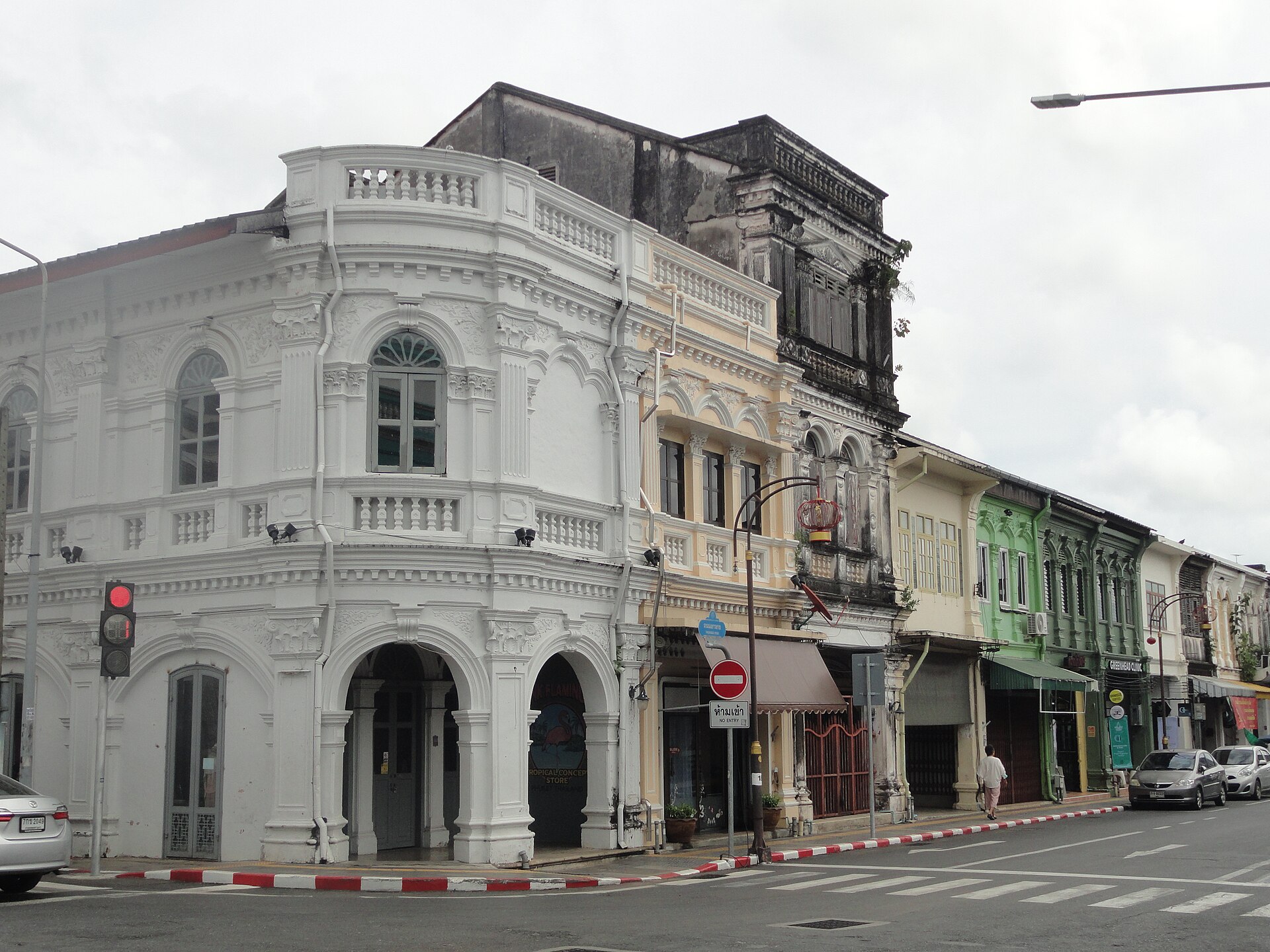
    The best-preserved street of Sino-Portuguese shophouses, with arched five-foot walkways, old textile shops and cafés. On Sunday evenings it becomes the Lard Yai walking street market, with food stalls and local crafts.

    Open in Google Maps (opens in a new tab)
  • Soi Romanee

    Off Thalang Road

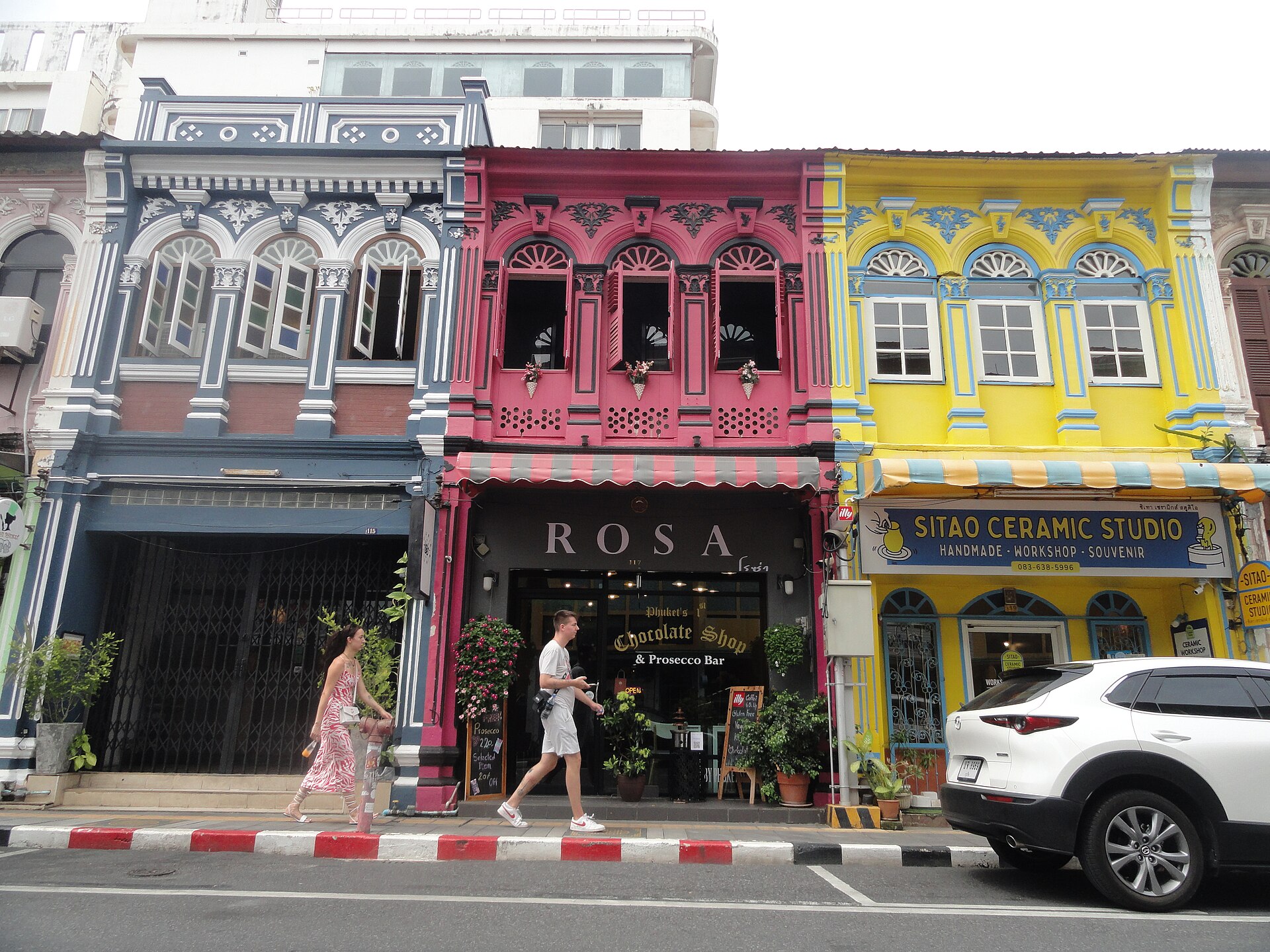
    A short lane of brightly painted shophouses that was once the town's red-light street. Today it is the most photographed corner of the Old Town, with small cafés and guesthouses.

    Open in Google Maps (opens in a new tab)
  • Shrine of the Serene Light

    A small alley off Phang Nga Road

    A quiet Chinese shrine hidden at the end of a narrow alley, built by a local Hokkien family in the 19th century. Its smoky interior, carved altars and red lanterns feel far removed from the street outside.

    Open in Google Maps (opens in a new tab)
  • Chinpracha House

    Krabi Road

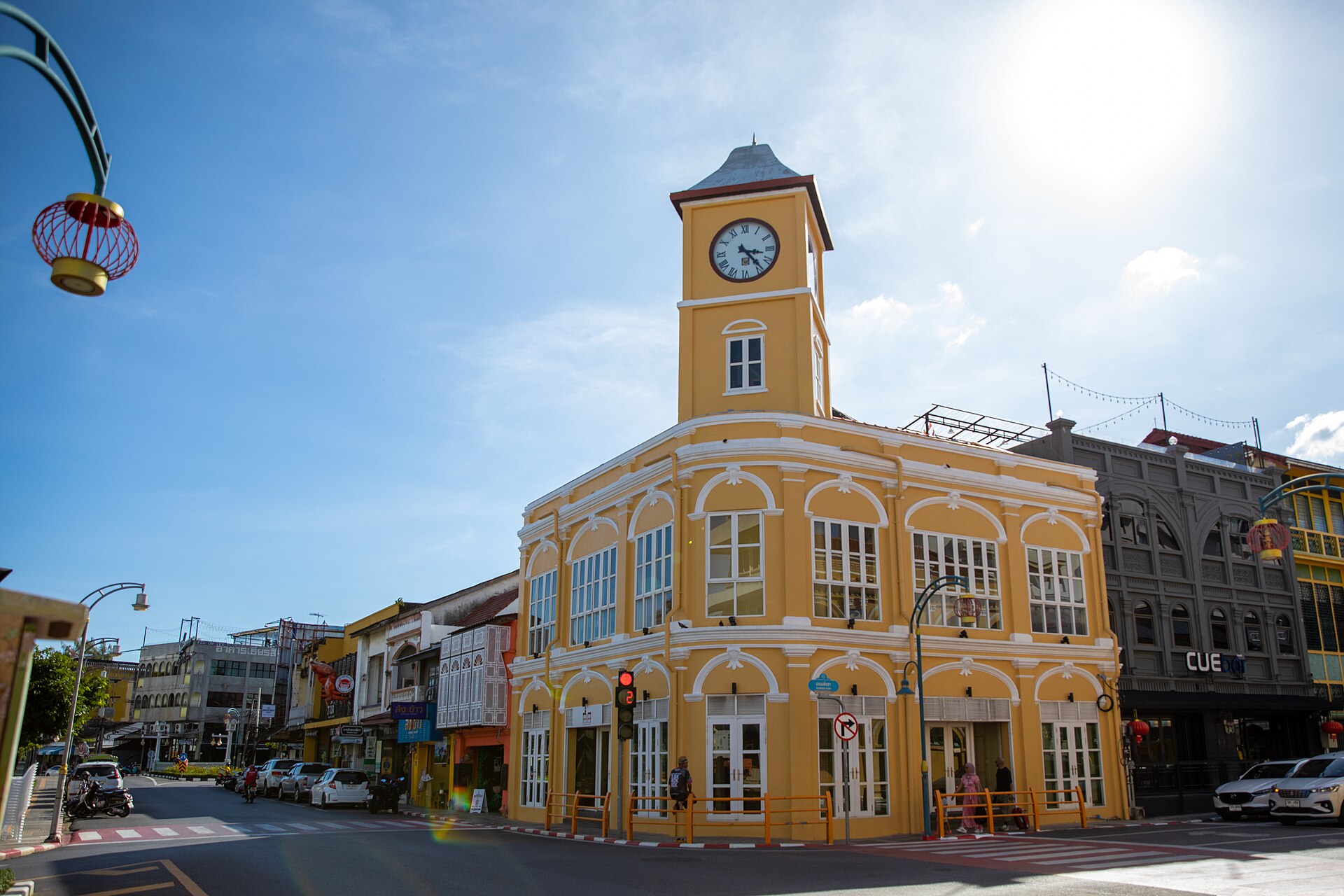
    One of the oldest Peranakan family mansions in Phuket, built by a wealthy tin-mining family. The house keeps its central courtyard, antique furniture and family photographs, and gives a real sense of how the merchant families lived.Read more
    Open in Google Maps (opens in a new tab)
  • Street art and Dibuk Road

    Dibuk, Krabi and Thalang roads

    Murals of old Phuket life, rickshaws and local food are painted on walls across the Old Town. Dibuk Road has some of the grandest shophouse façades and colonial-style buildings.

    Open in Google Maps (opens in a new tab)
Historical places

  • Phuket Thaihua Museum

    Krabi Road

    Housed in a former Chinese-language school, the museum tells the story of Phuket's Chinese settlers, the tin-mining boom, Peranakan dress and local food.

    Open in Google Maps (opens in a new tab)
  • Jui Tui Shrine

    Ranong Road, near the fresh market

    A large Taoist shrine at the centre of the island's Vegetarian Festival each autumn, when processions, firecrackers and devotees fill the streets of the Old Town.

    Open in Google Maps (opens in a new tab)

Local food

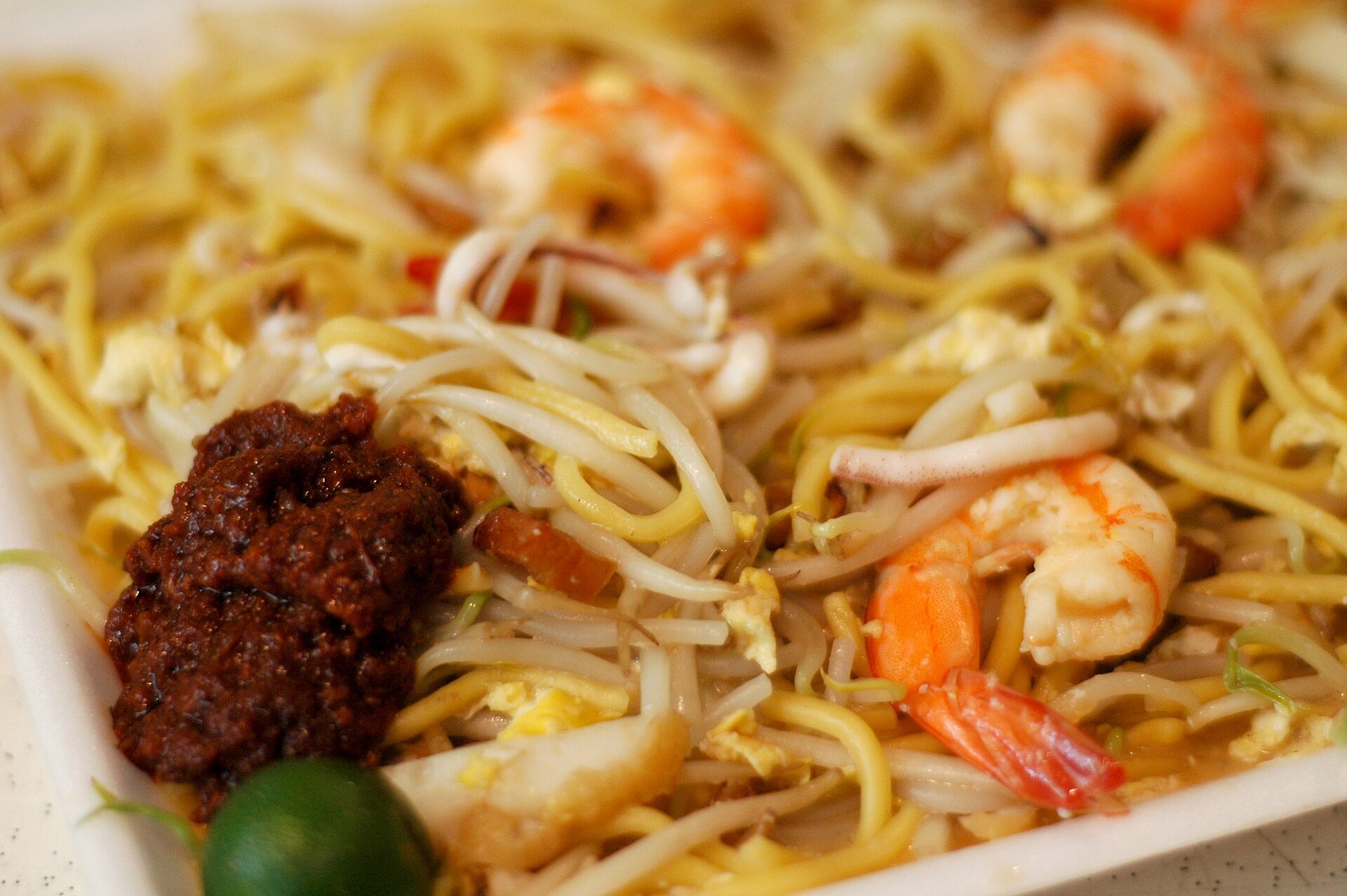
  • Mee Hokkien

    Phuket, Thailand

    Thick yellow Hokkien-style noodles fried or served in broth with pork, seafood and greens — the signature noodle dish of Phuket Town.

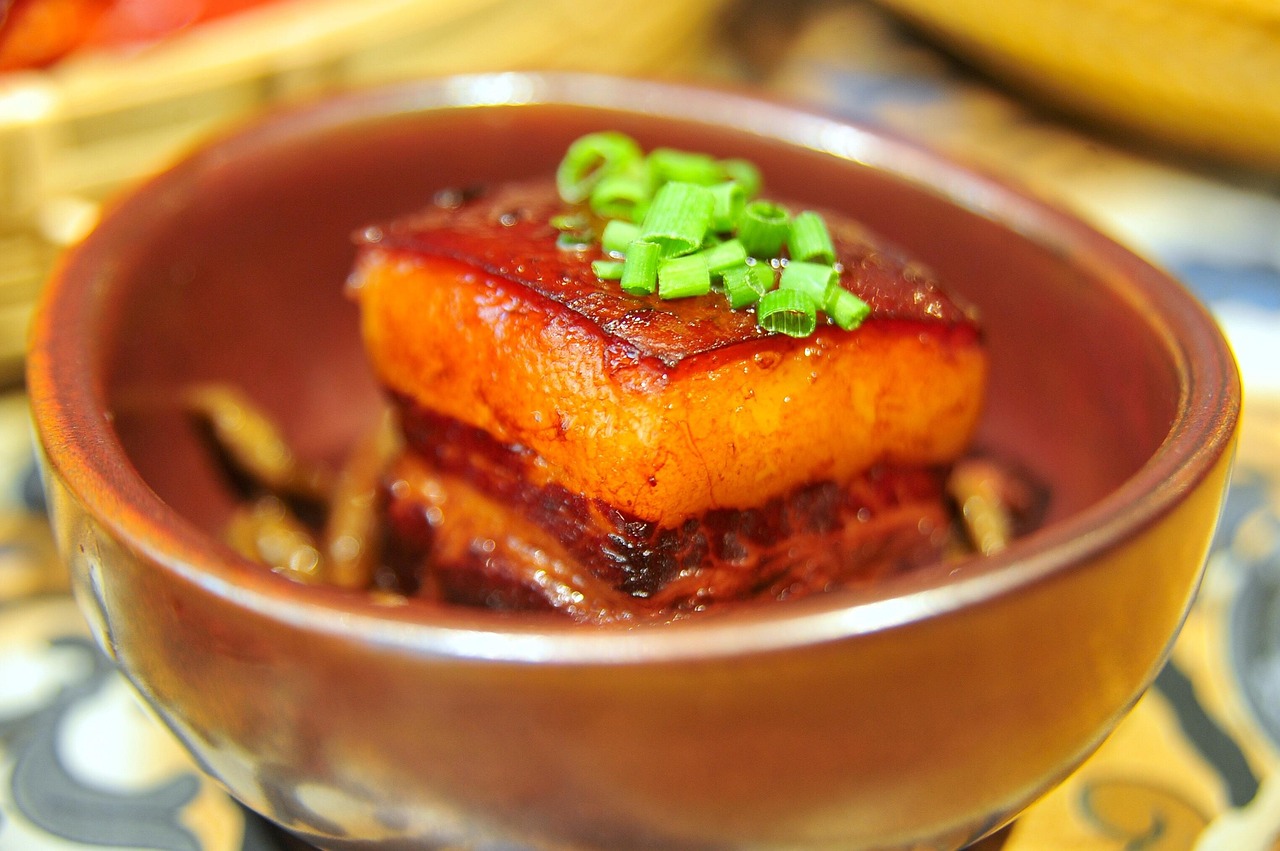
  • Moo hong

    Phuket, Thailand

    Pork belly braised slowly with black pepper, garlic and soy until tender and dark. A Phuket Peranakan classic, usually eaten with rice.

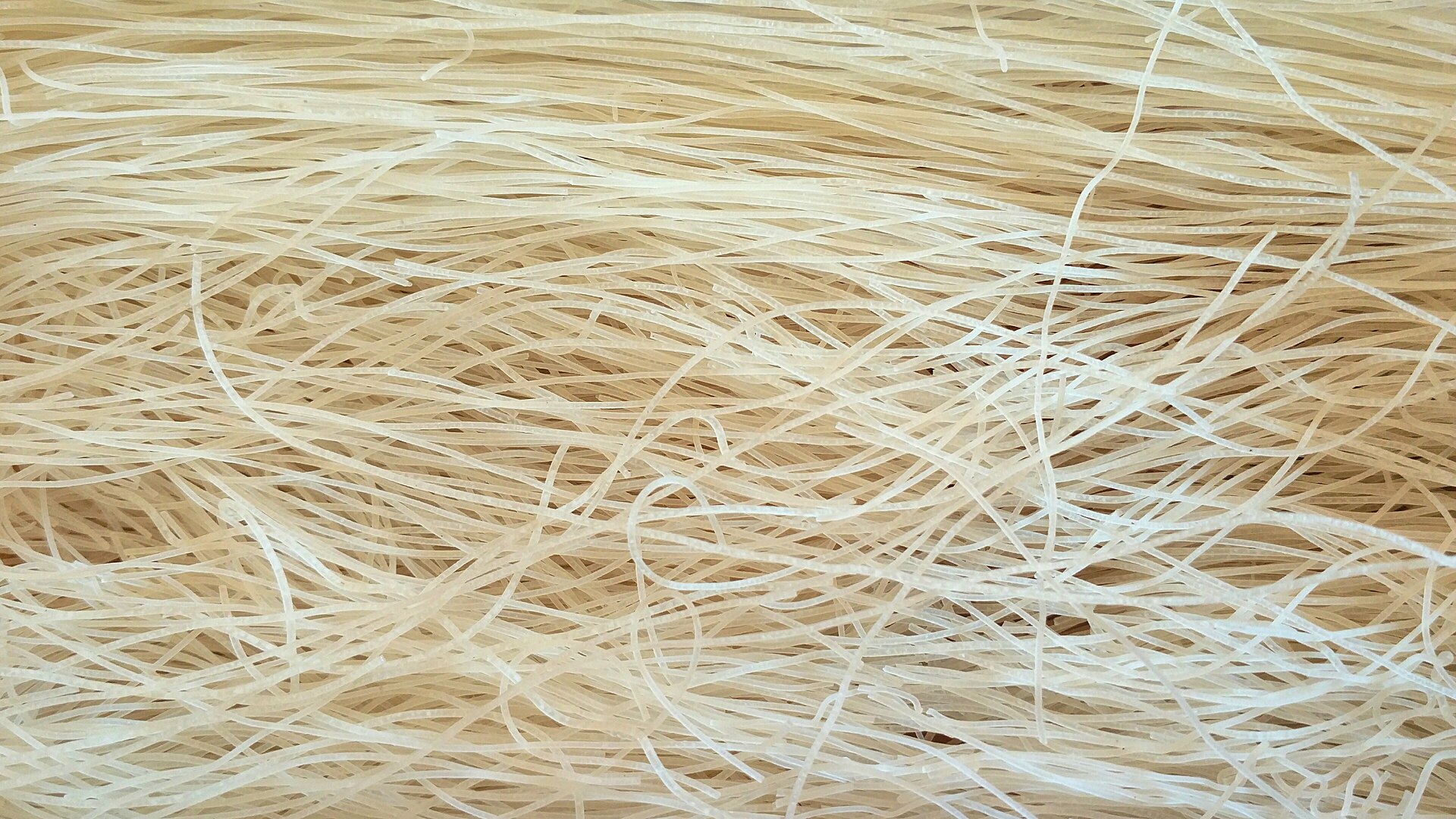
  • Khanom jeen

    Phuket, Thailand

    Fresh rice noodles eaten for breakfast with a choice of curries and a tray of fresh vegetables and pickles on the side — a Phuket morning habit.

Where to eat

  • Lard Yai Sunday Walking Street

    Thalang Road

    Sunday evening market where local snacks, grilled skewers, desserts and Peranakan sweets are sold from stalls along the street.

    Open in Google Maps (opens in a new tab)
  • Local noodle and dim sum shops

    Around the Old Town and the clock-tower roundabout

    Small family shops serve mee Hokkien, wonton noodles and dim sum breakfasts. Busy, plain shops packed with locals are usually the best.

    Open in Google Maps (opens in a new tab)

Where to stay

  • Phuket Old Town

    Phuket, Thailand

    Boutique guesthouses and small hotels in restored shophouses. Ideal for food lovers and culture, but you will need transport to reach the beaches.

    Open in Google Maps (opens in a new tab)
  • Phuket Town (newer districts)

    Phuket, Thailand

    Business hotels around Central Phuket and the main roads, with shopping malls nearby and good-value rooms. Convenient for buses to the beaches and the airport.

    Open in Google Maps (opens in a new tab)

Culture

Phuket Town is the heart of the island's Peranakan (Baba) culture, a blend of Hokkien Chinese, Malay and Thai traditions seen in its food, dress and houses. Shrines are active places of worship: speak quietly and do not step on door thresholds. Many shophouses are still family homes, so ask before photographing people.

History

Phuket grew rich on tin in the 19th century, and Hokkien Chinese merchants built the colourful two-storey shophouses of Thalang, Dibuk, Krabi and Soi Romanee roads. Their mix of Chinese, Malay and European styles gave the town its Peranakan (Baba) character.

Every Sunday evening Thalang Road turns into the Lard Yai walking street market.

Tour plans

Old Town heritage and food walk

Half day
  1. Step 1: Dim sum or khanom jeen breakfast

    Start the morning like locals with a noodle or dim sum breakfast in an Old Town shop.

  2. Step 2: Thalang Road and Soi Romanee

    Walk the shophouse streets, take photos on Soi Romanee and browse the old shops.

  3. Step 3: Shrines and Peranakan houses

    Visit the Shrine of the Serene Light, then Chinpracha House or the Phuket Thaihua Museum.

  4. Step 4: Lunch and a café stop

    Finish with mee Hokkien or moo hong, then coffee in one of the shophouse cafés.

Map

Open in Google Maps (opens in a new tab)

Travel information

Best time to visit

November to April is driest; walk in the early morning or late afternoon, and come on a Sunday evening for the Lard Yai walking street market.

How to get there

In Phuket Town, about 30 minutes from Patong by car; local buses run from the west-coast beaches.

Getting around

The Old Town is compact and best explored on foot. Blue songthaew buses run from the Ranong Road market area to the west-coast beaches during the day, and Grab, taxis and tuk-tuks are easy to find. Many visitors come for a day from Patong, Kata or Karon.

Travel tips

Explore in the morning or late afternoon; try mee Hokkien noodles and a dim sum breakfast.

All destinations