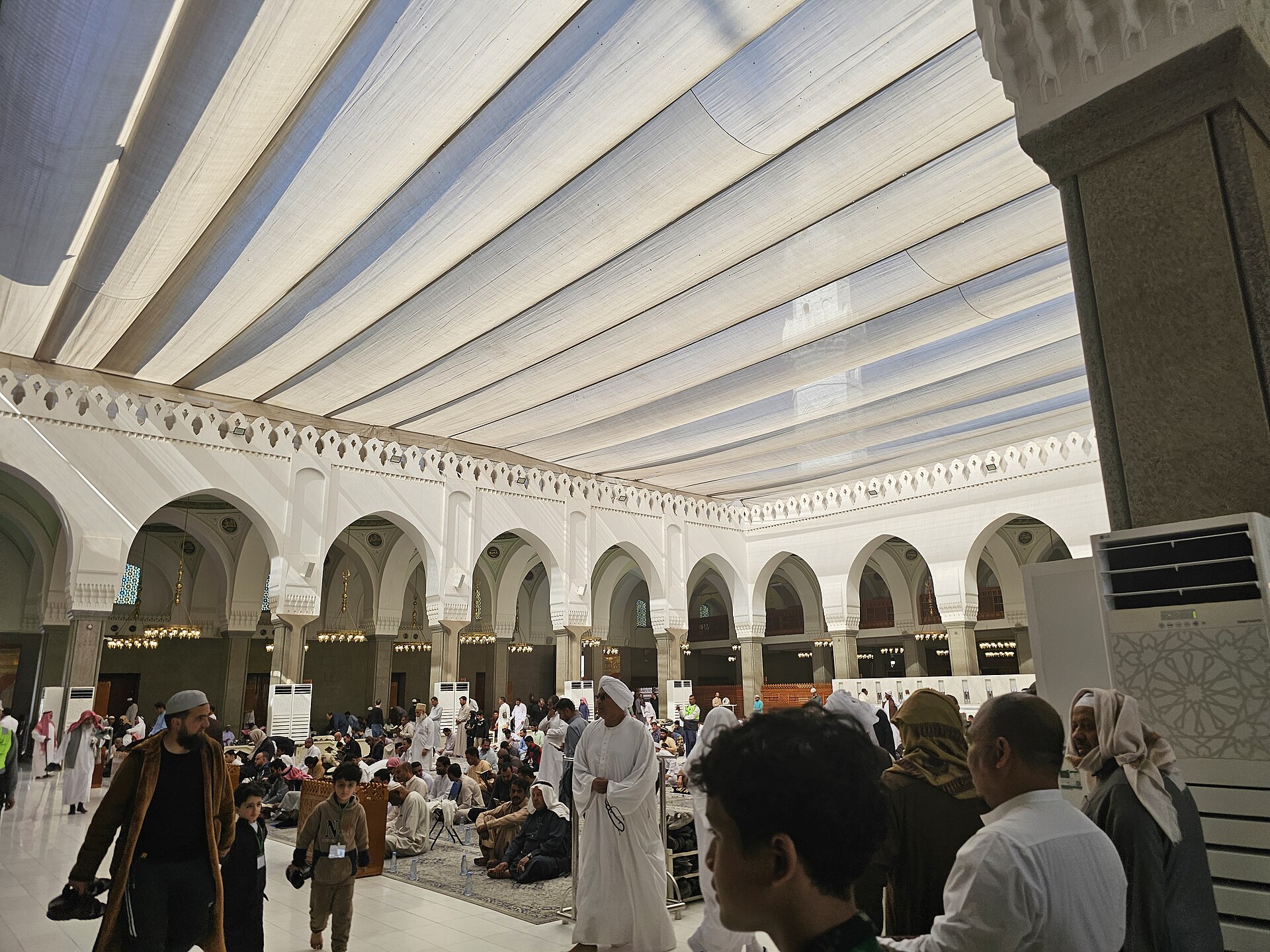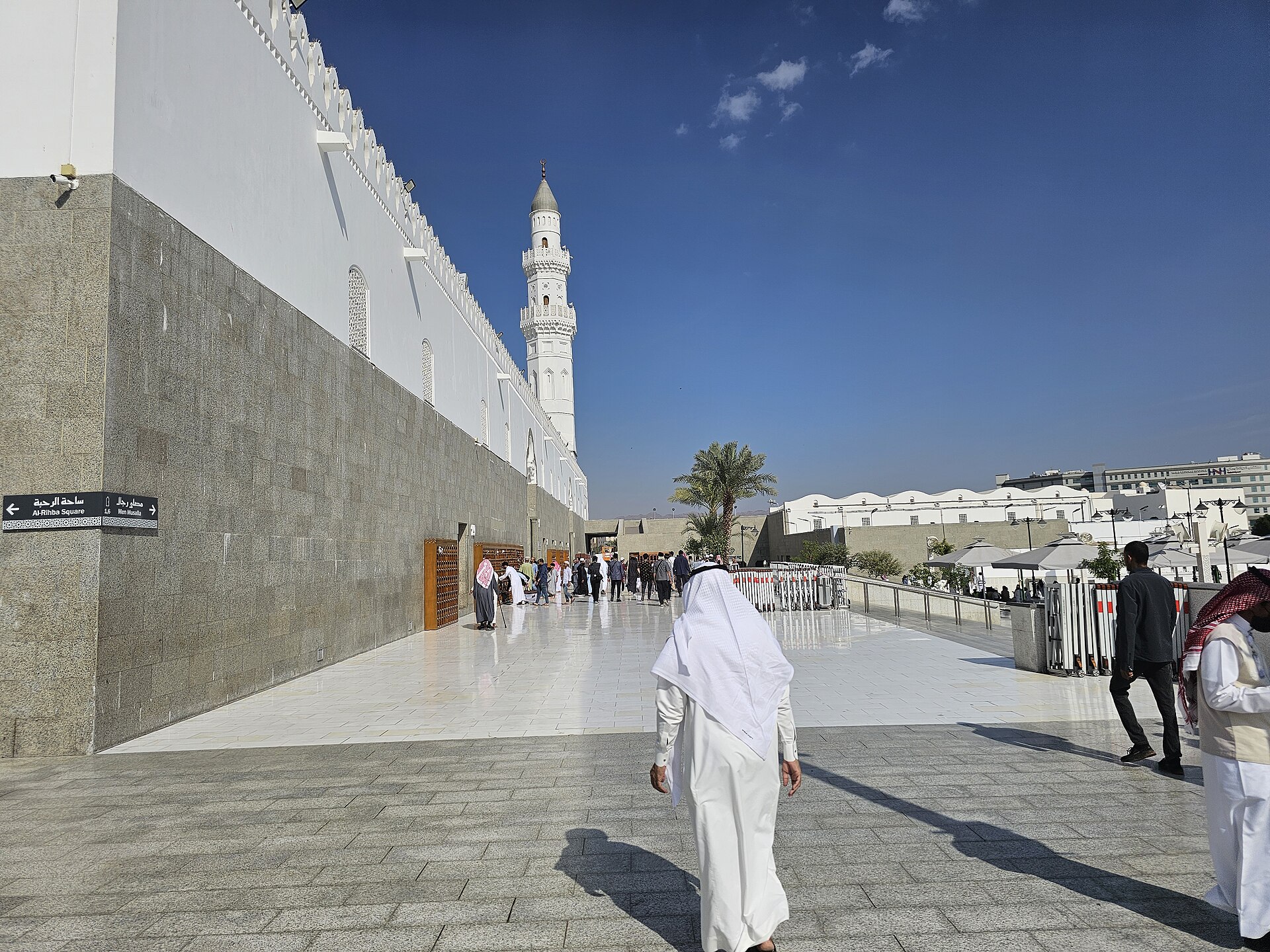
The prayer hall
Quba Mosque
A large, bright hall of white marble and arches. Pray two rak'ahs of greeting the mosque, as the Prophet ﷺ encouraged.
Open in Google Maps (opens in a new tab)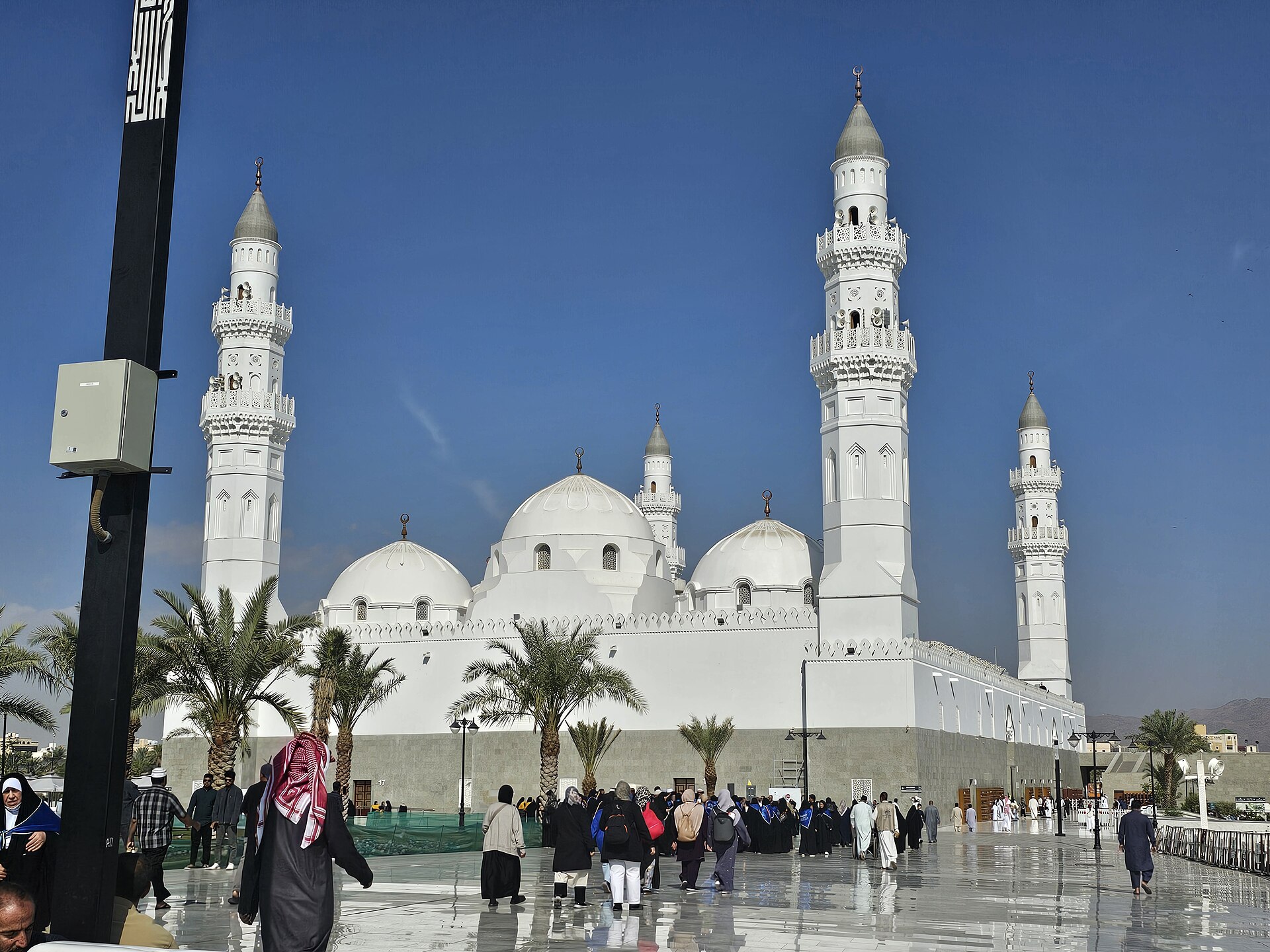
 Madinah, Saudi Arabia
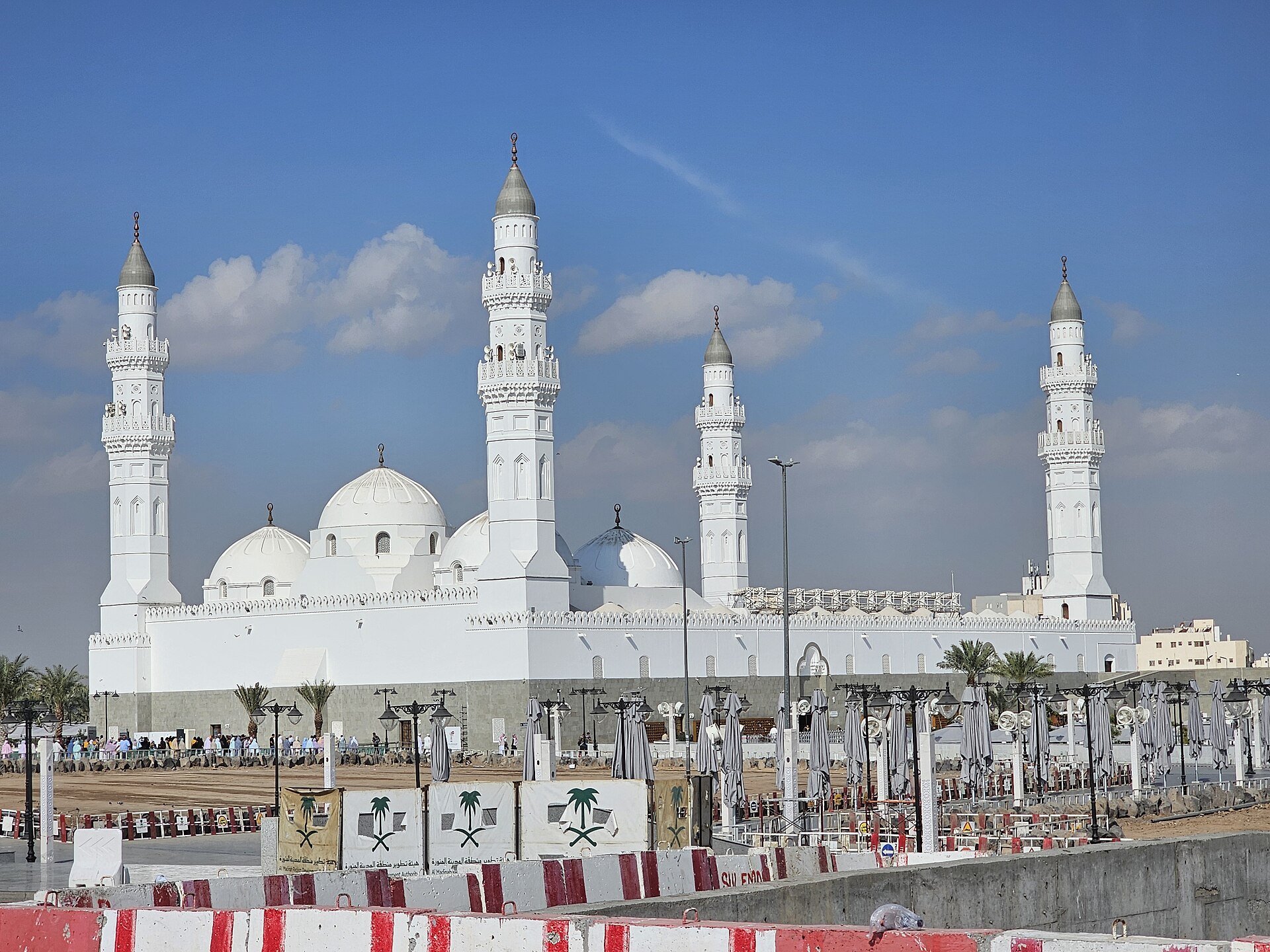
The first mosque built in Islam, founded by the Prophet ﷺ on his arrival at Madinah in 622 CE. Praying two rak'ahs here carries, according to hadith, the reward of an Umrah.
Quba Mosque
A large, bright hall of white marble and arches. Pray two rak'ahs of greeting the mosque, as the Prophet ﷺ encouraged.
Open in Google Maps (opens in a new tab)Between Quba and the Prophet's Mosque
The route between the two mosques, walked by pilgrims for centuries, with shops and date sellers along the way.
Open in Google Maps (opens in a new tab)Streets around the mosque
Stalls and shops selling Ajwa and other Madinah dates, as well as fruit, bread and gifts.
Open in Google Maps (opens in a new tab)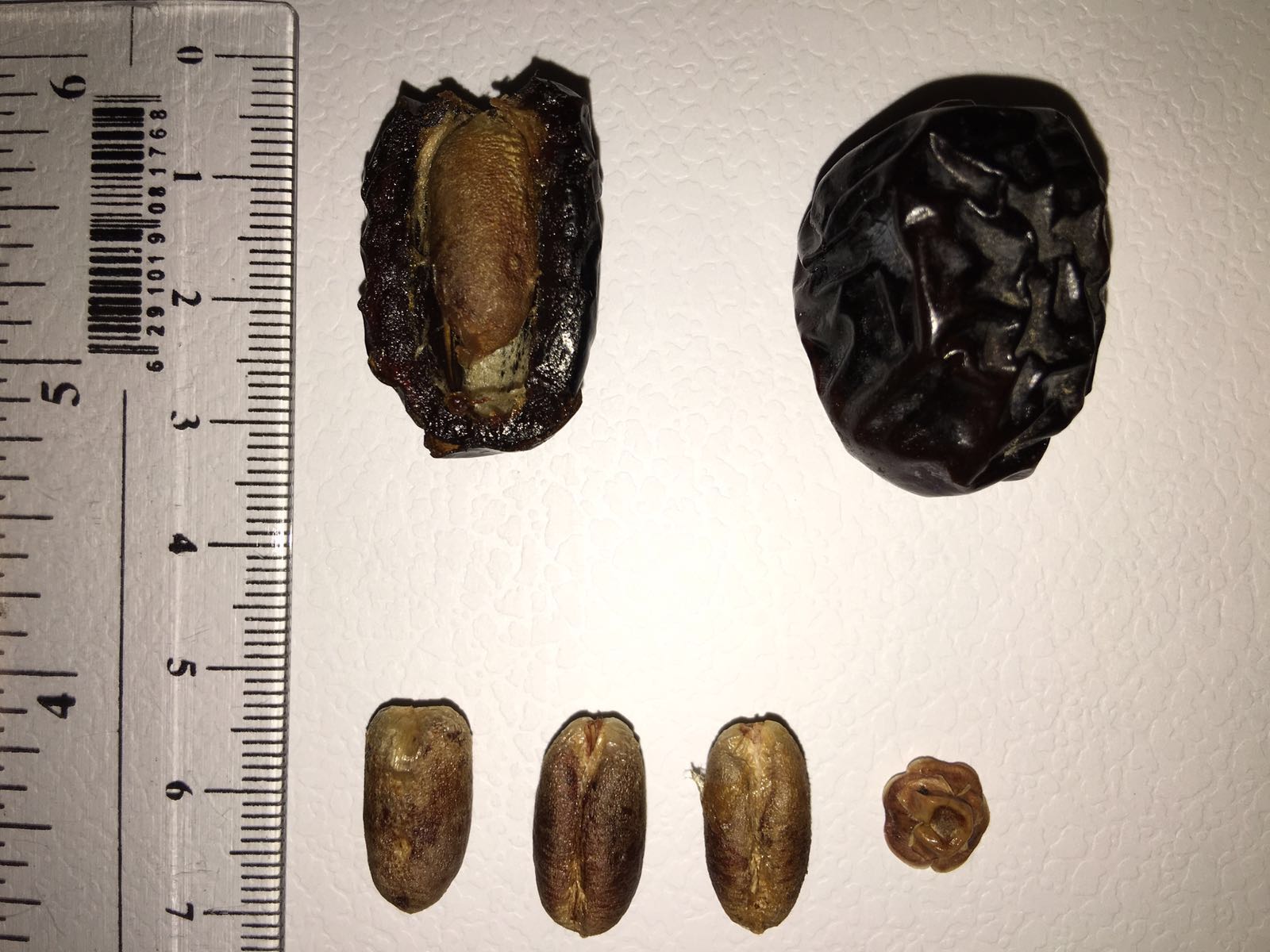
Madinah, Saudi Arabia
Madinah, Saudi Arabia
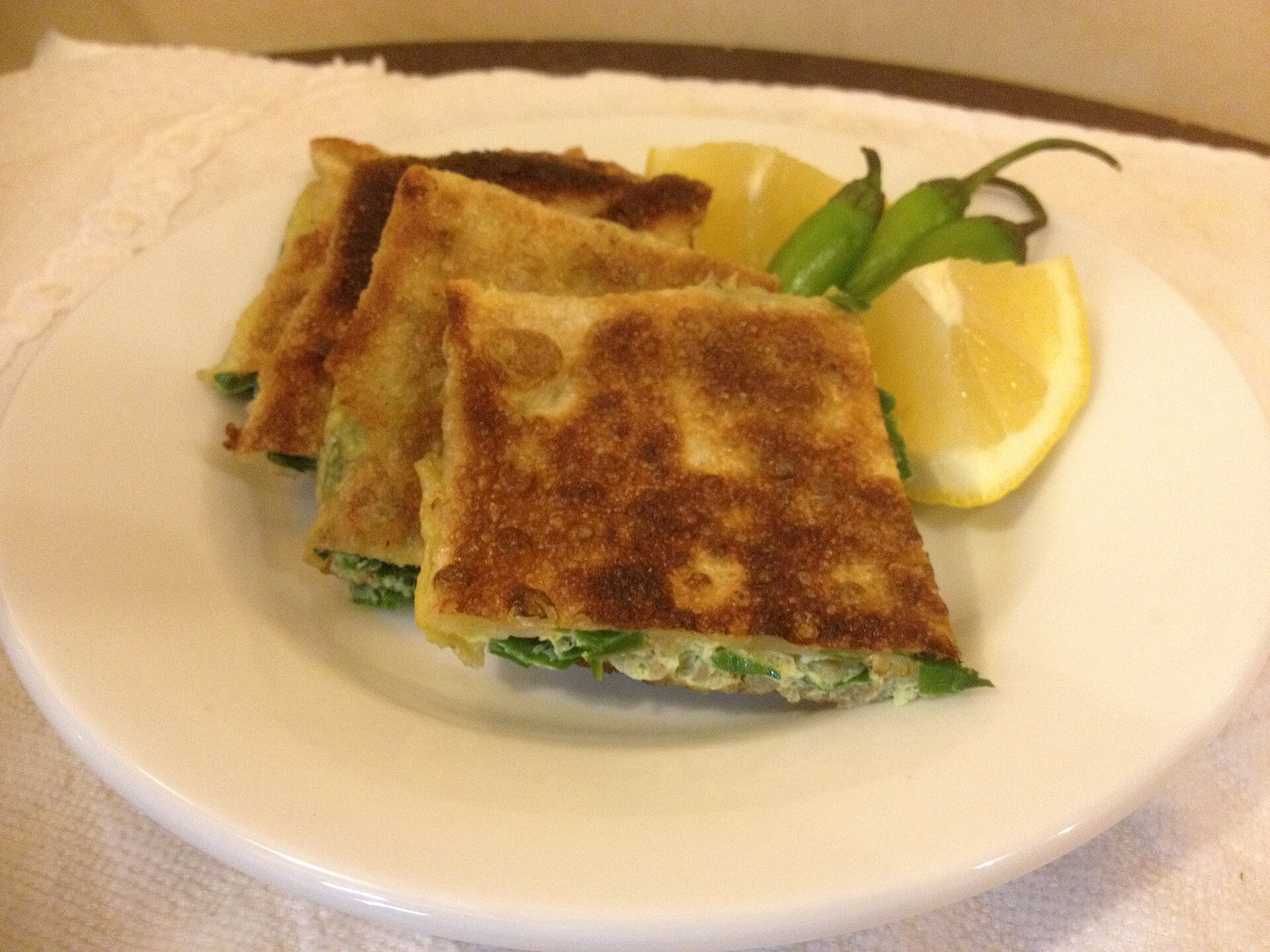
A thin, crisp folded pastry stuffed with minced meat, egg and leek (or sweet banana and cheese), cooked on a hot griddle. A favourite street snack in the Hejaz, especially in the evenings.
Madinah, Saudi Arabia
Slow-cooked fava beans with olive oil, cumin and lemon, scooped up with tamees — a large, round flatbread baked in a clay oven. The classic breakfast after Fajr prayer.
Along Quba Road, between the centre and Quba Mosque
Local restaurants, bakeries and juice shops along the road to Quba — good for mandi, kabsa, mutabbaq and fresh juice.
Open in Google Maps (opens in a new tab)Streets around the Prophet's Mosque
Hotel buffets, food courts and simple restaurants serving Saudi, Turkish, South Asian, Indonesian and Middle Eastern food for pilgrims from every country. Busiest straight after each prayer.
Open in Google Maps (opens in a new tab)Madinah, Saudi Arabia
Hotels and serviced apartments on the southern and western edges of the central area, close to the mosque, the Dates Market and the road to Quba.
Open in Google Maps (opens in a new tab)Madinah, Saudi Arabia
Newer hotels and apartments further out, quieter and roomier, with a car or taxi ride to the centre. A practical choice for families with a car, and for non-Muslim visitors.
Open in Google Maps (opens in a new tab)Quba is a living neighbourhood mosque as well as a place of pilgrimage. Dress modestly: men in long trousers and sleeved tops; women in loose clothing covering arms and legs, with a headscarf (an abaya is customary). Take your shoes off before the prayer halls, keep your voice low, and do not walk directly in front of someone who is praying. Photography of people at prayer is discouraged.
On the Hijrah from Makkah, the Prophet ﷺ stopped at the village of Quba, on the southern edge of Madinah, and stayed there for several days. With his companions he laid the foundations of a mosque — the first built in Islam — before moving on to the city centre. The Qur'an refers to "a mosque founded on piety from the first day" (9:108), understood by many scholars as Quba.
The Prophet ﷺ used to visit Quba every Saturday, riding or walking, and said that whoever purifies himself at home and then prays in Quba Mosque receives a reward like that of an Umrah. The mosque has been rebuilt many times; the present white building with its domes and four minarets dates from a major rebuilding in the 1980s, and it has been enlarged again since.
Purify yourself before leaving, as in the hadith.
Set out after sunrise along Quba Road.
Pray in the mosque and spend some quiet time there.
Buy dates around the mosque and return to the centre.
Early morning or after Asr, any day; many visitors follow the Sunnah of visiting on Saturday. Avoid midday in summer.
Quba Mosque is about 3 km south of the Prophet's Mosque. Take a taxi or ride-hailing app (about 10 minutes), join a ziyarah tour, or walk along Quba Road in the cool of the morning or evening.
The mosque, its courtyard and the surrounding shops are all within a short walk. There is parking around the mosque, and taxis wait outside.