Stone tower houses
Village centre
Houses of four to six storeys built of stacked stone, decorated with white quartz around windows and edges.
Open in Google Maps (opens in a new tab)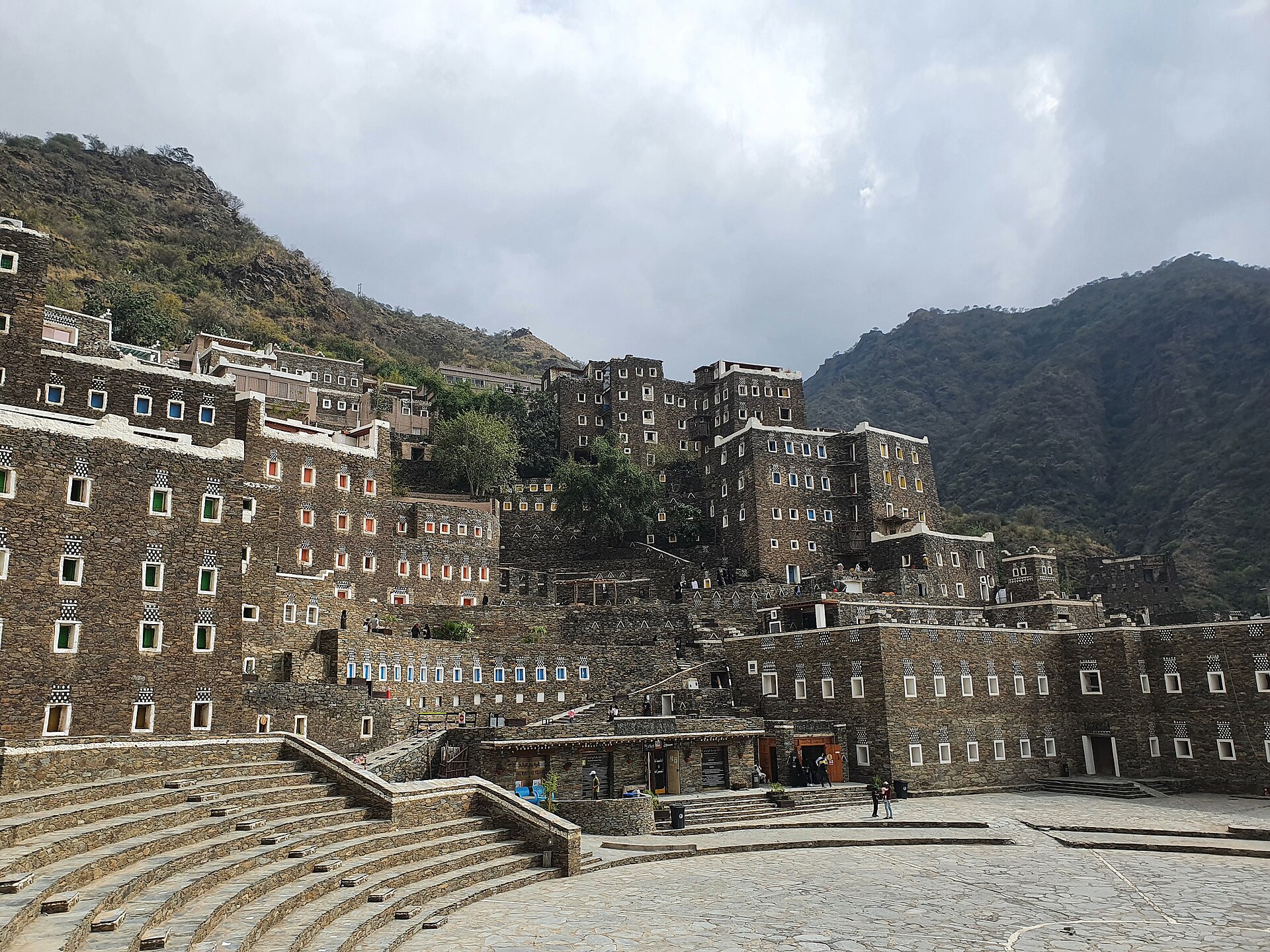
 Abha, Saudi Arabia
A village of tall stone tower houses trimmed with white quartz, in a deep valley below the Asir escarpment — one of the most striking heritage sites in Saudi Arabia, with a museum run by the villagers.
Village centre
Houses of four to six storeys built of stacked stone, decorated with white quartz around windows and edges.
Open in Google Maps (opens in a new tab)In one of the old palaces of the village
A museum set up by the villagers, with local heritage objects and rooms painted with Al-Qatt Al-Asiri.
Open in Google Maps (opens in a new tab)Inside restored houses
Walls covered with Asiri geometric painting in bright colours.
Open in Google Maps (opens in a new tab)Around the village
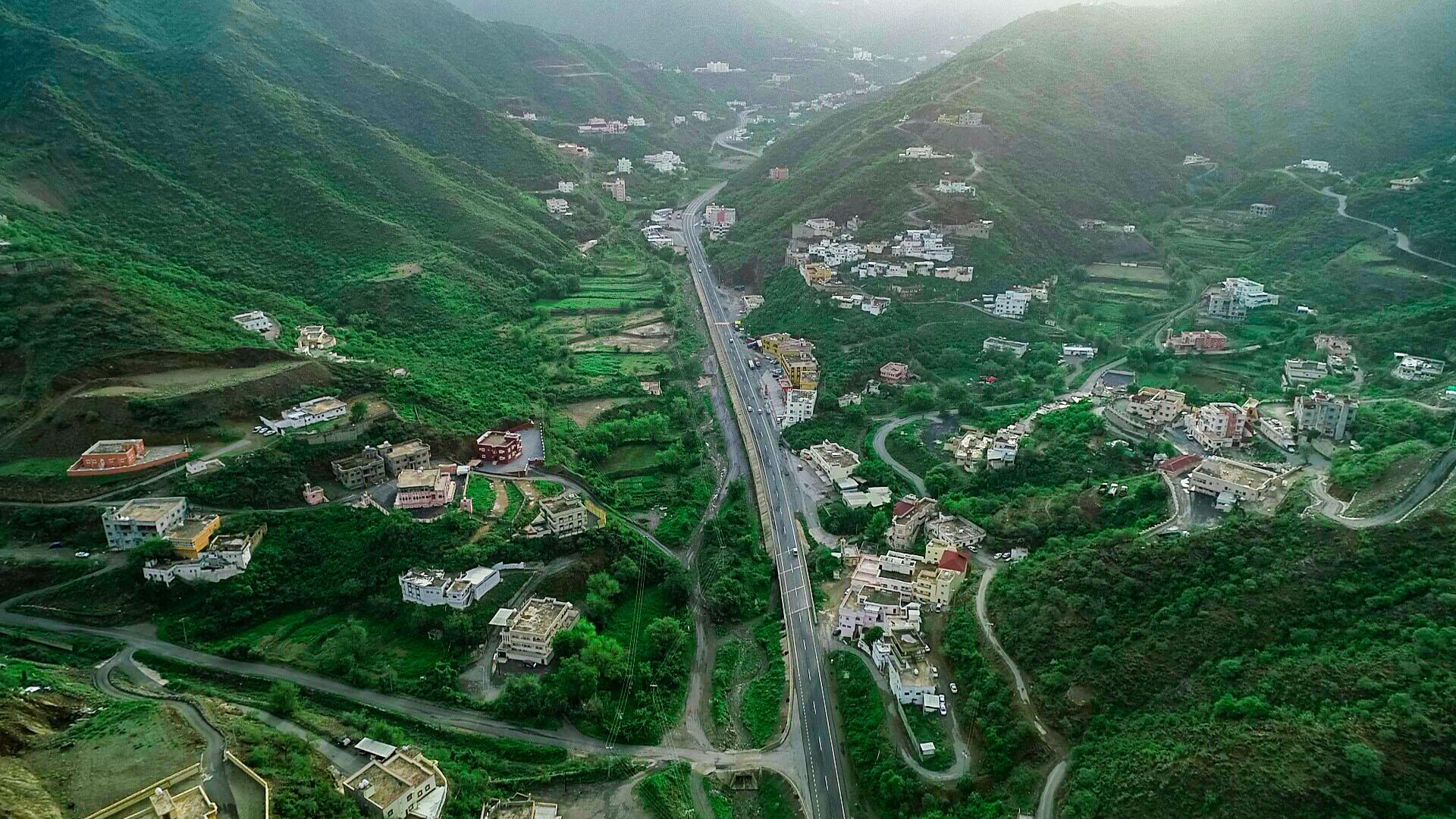
The village set against the steep green mountain walls of the escarpment.
Open in Google Maps (opens in a new tab)Between Al Soudah and Rijal Almaa
The mountain road that zig-zags down the escarpment, following the line of old routes between the highlands and the Tihama lowlands. A spectacular drive in itself.
Open in Google Maps (opens in a new tab)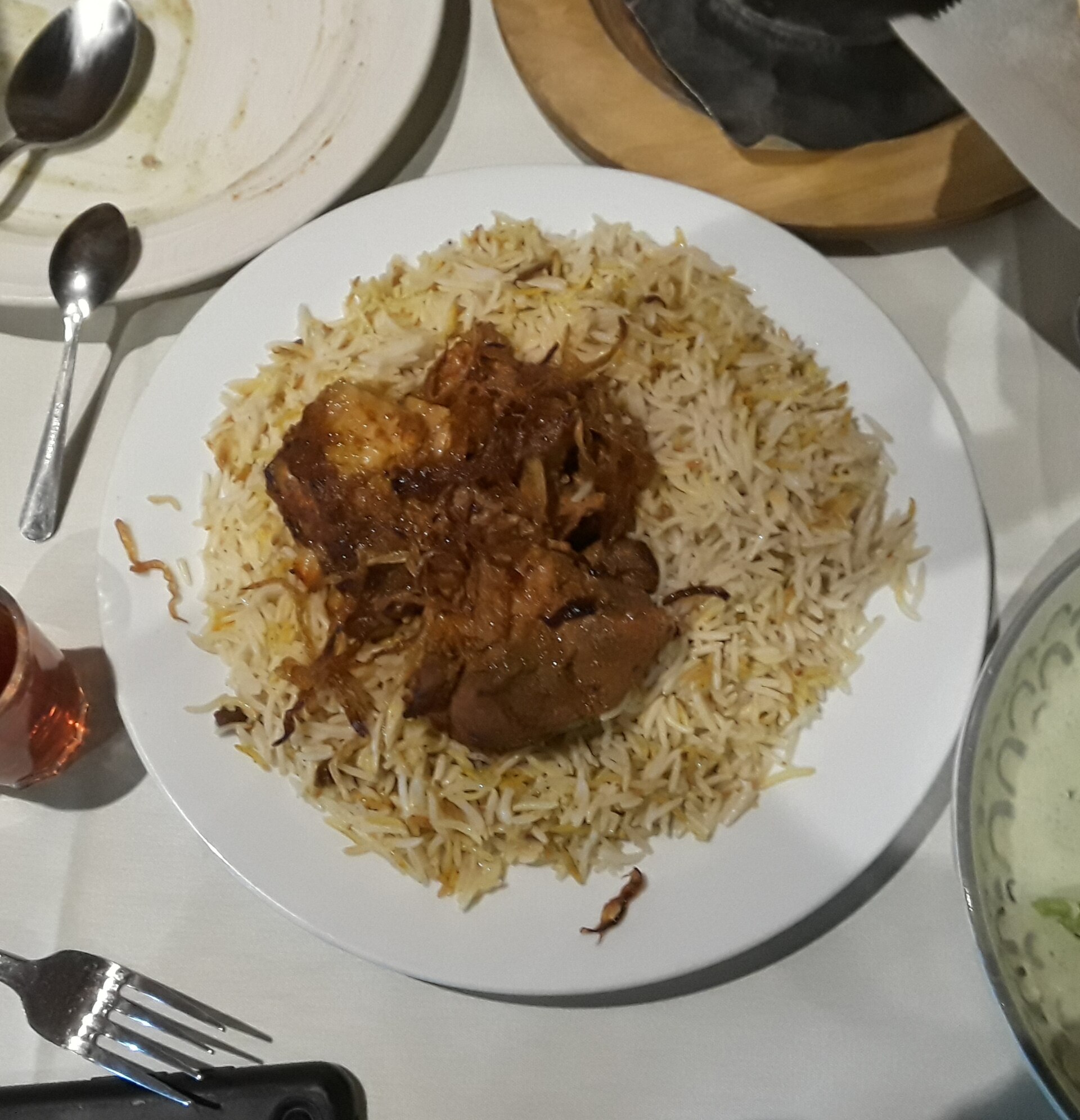
Abha, Saudi Arabia
Lamb slow-roasted in a closed pit or clay oven until it falls off the bone, served over spiced rice. A dish of the southern regions, made for guests and family gatherings.
Abha, Saudi Arabia
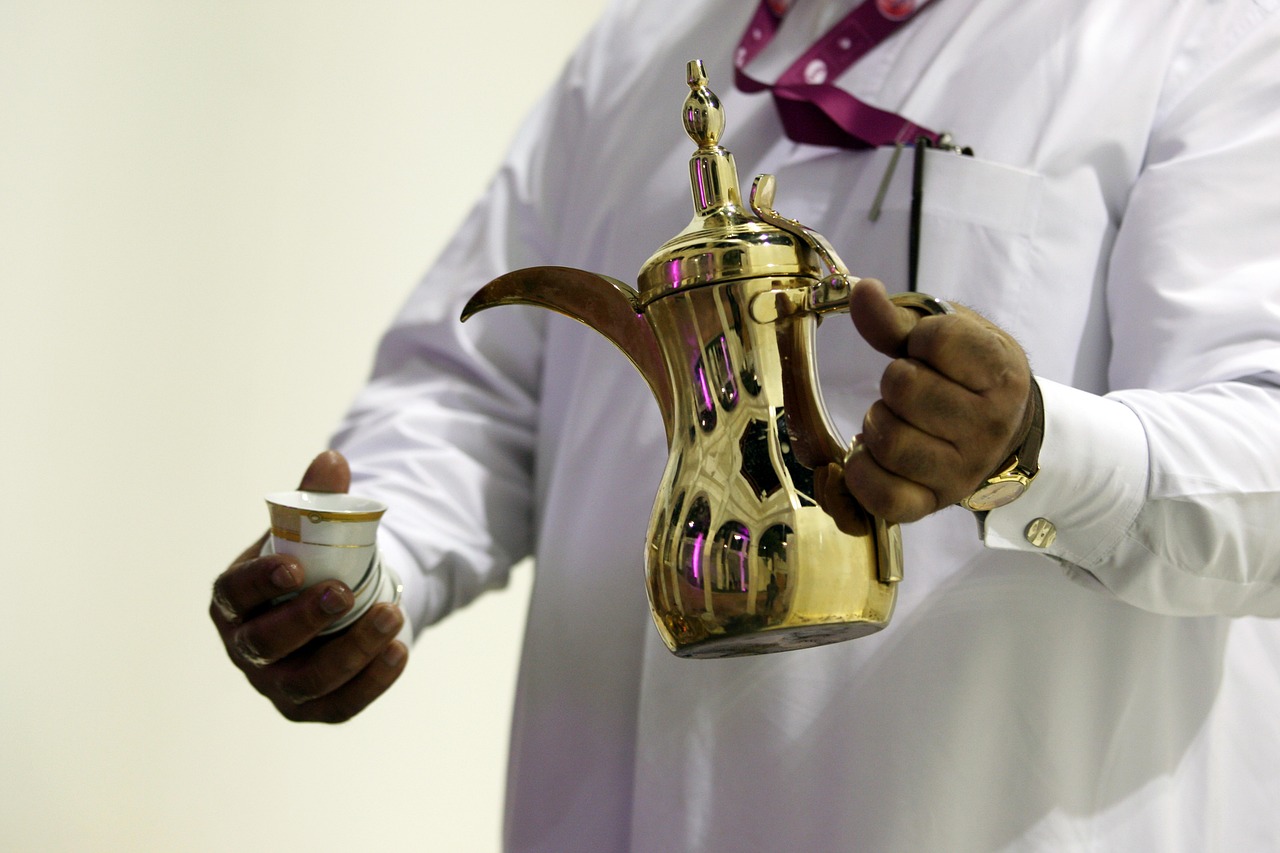
Abha, Saudi Arabia
Around the heritage village
Simple stalls and cafés selling coffee, tea and snacks; for a full meal plan to eat in Abha or on the Al Soudah road.
Open in Google Maps (opens in a new tab)Across Abha and along the Al Soudah road
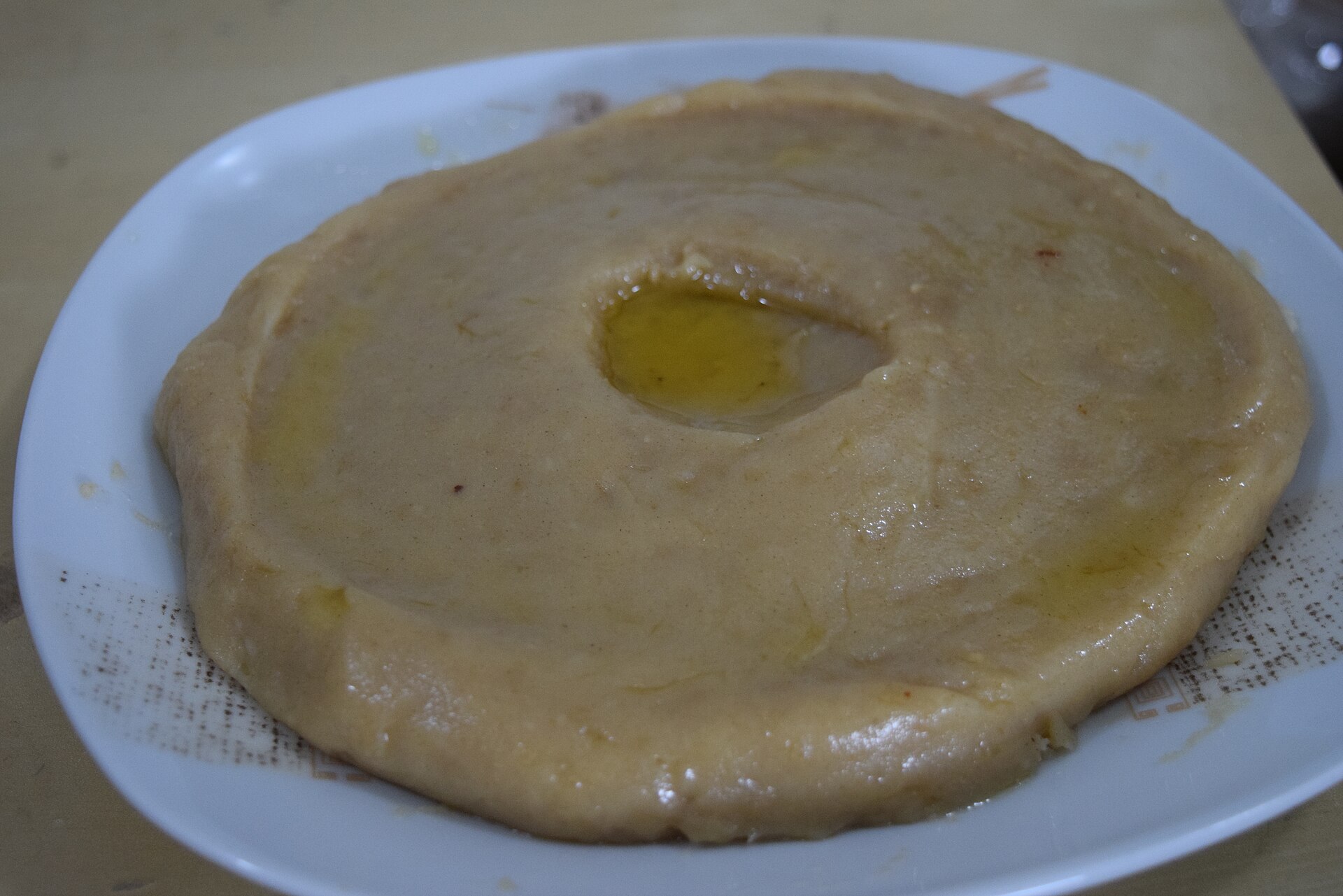
Many restaurants serve areeka, haneeth and mandi in family rooms with floor seating and cushions. Ask for areeka with local honey and ghee at breakfast.
Open in Google Maps (opens in a new tab)Abha, Saudi Arabia
Hotels and furnished apartments around the city centre, close to Al Muftaha Village, the Tuesday Market and the main shopping streets. The easiest base without a car.
Open in Google Maps (opens in a new tab)Abha, Saudi Arabia
Mountain resorts, chalets and rest houses (istirahat) among the juniper forest about 20 km west of Abha — the coolest place to stay in summer, quiet and often in the clouds.
Open in Google Maps (opens in a new tab)Rijal Almaa is a living village, not an open-air museum — people still live nearby and many families take pride in having restored their ancestral houses. The museum displays manuscripts, weapons, jewellery, tools and household objects donated by local families.
Rijal Almaa lies about 45 km west of Abha, far below the mountains on the road towards the Tihama coastal plain. For centuries it was a stop on the trade routes linking Yemen with Makkah and the Levant, and its merchants and scholars made it an important regional centre.
The village is famous for its multi-storey houses of dark stone, their windows and edges decorated with white quartz and painted inside with Al-Qatt Al-Asiri. In the 1980s villagers set up a museum in one of the old buildings, and the site has been restored and placed on Saudi Arabia's tentative list for UNESCO World Heritage.
Leave Abha in the morning and drive west through Al Soudah.
Take the switchback road down to the valley, stopping safely for views.
Walk among the tower houses and visit the heritage museum.
Drive back up to Al Soudah for a late lunch in the cool air before Abha.
October to April, when the lower valley is comfortable; in summer it is much hotter than Abha, so go early in the morning.
It is a long, steep drive: from Abha take the road west via Al Soudah and down the escarpment (the Aqabat Al Soudah switchbacks) — allow at least an hour each way. A hire car with good brakes, a taxi for the day or a tour are the only practical options. When it runs, the cable car from Al Soudah descends towards the valley.
The village is compact and explored on foot, with stairs and uneven stone paths between the houses.