Mount Safa
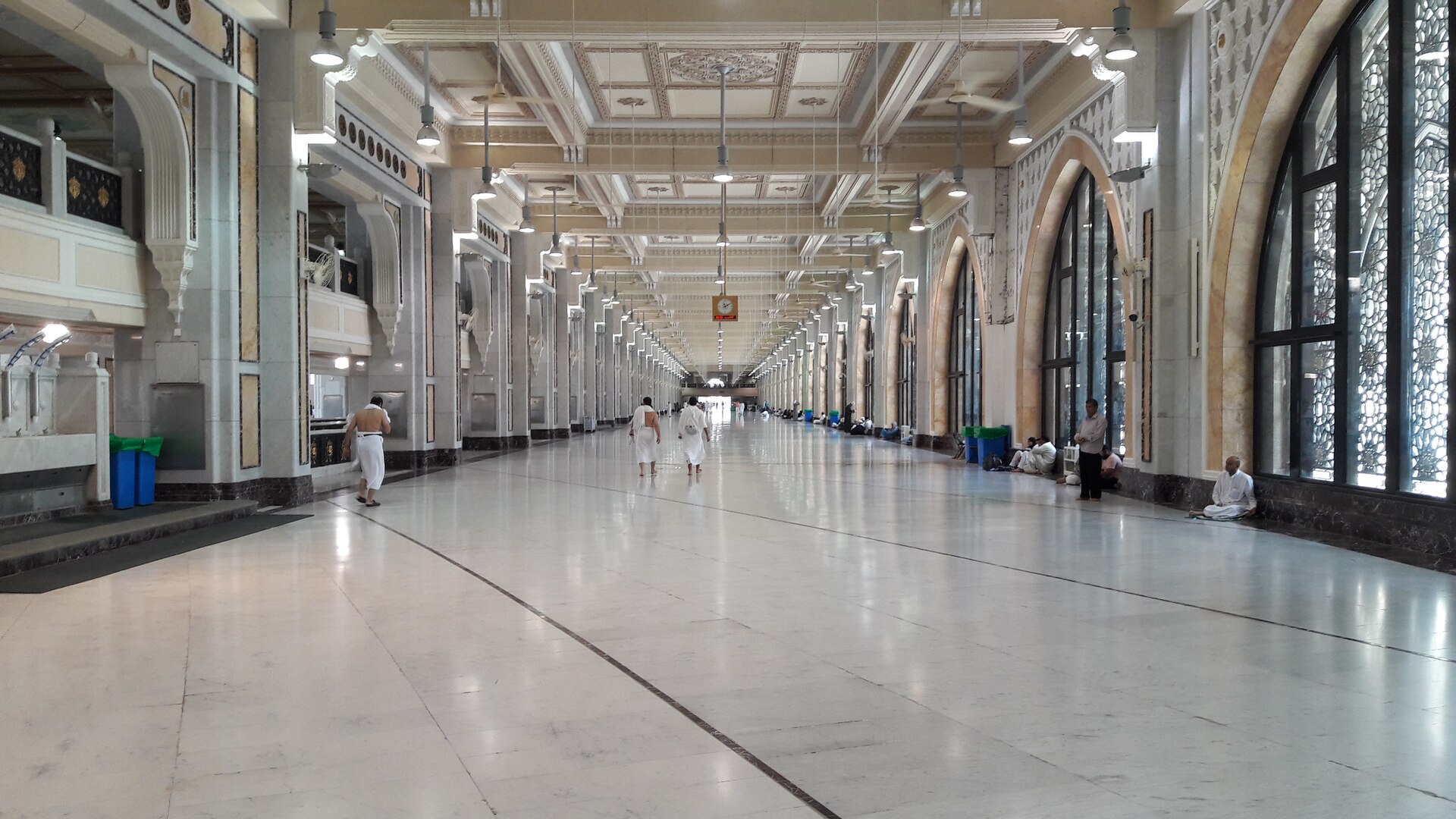
Southern end of the Mas’a
The starting point of the sa’i, where the rock of the hill is still visible.
Open in Google Maps (opens in a new tab)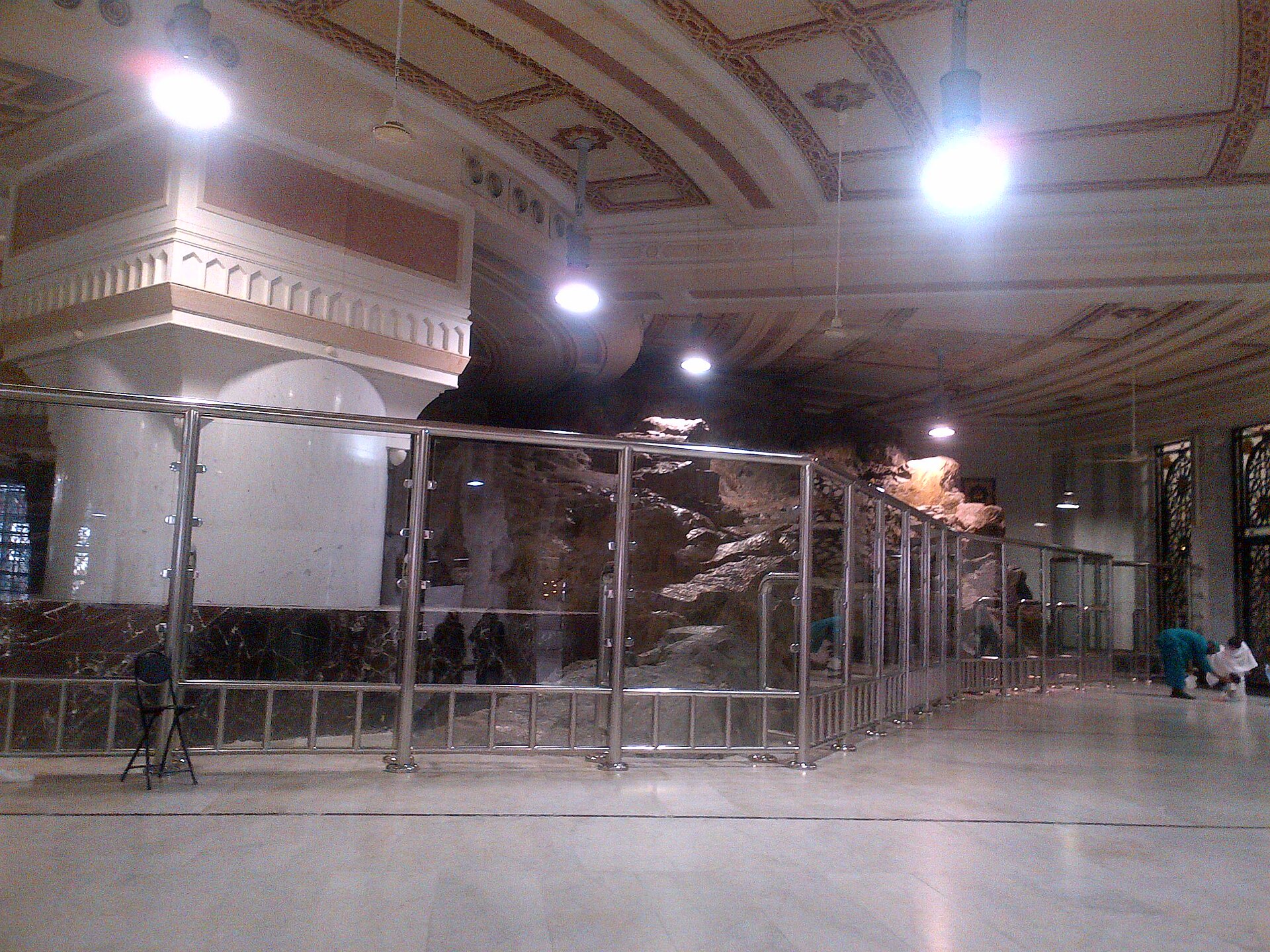
 Makkah, Saudi Arabia
Two small hills, now enclosed within Masjid al-Haram, between which pilgrims walk seven times in the sa'i, remembering Hajar's search for water.
Southern end of the Mas’a
The starting point of the sa’i, where the rock of the hill is still visible.
Open in Google Maps (opens in a new tab)Northern end of the Mas’a
The end point of the sa’i, where pilgrims finish the seventh length.
Open in Google Maps (opens in a new tab)Between the two hills
The multi-level walkway where pilgrims perform the sa’i.
Open in Google Maps (opens in a new tab)Middle of the Mas’a
The marked stretch where men hasten their pace, as Hajar ran in the valley.
Open in Google Maps (opens in a new tab)Makkah, Saudi Arabia
Not a dish but the drink every pilgrim remembers: water from the well of Zamzam inside Masjid al-Haram, available in coolers throughout the mosque. Pilgrims drink it standing, facing the Qibla, and many take it home.
Makkah, Saudi Arabia
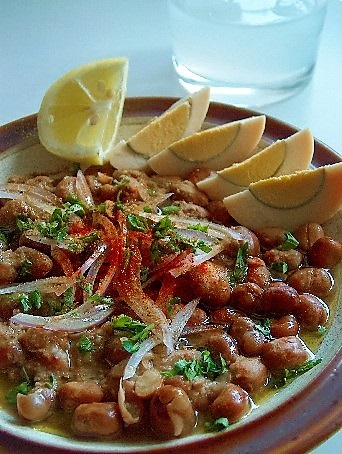
Large, round flatbread baked against the walls of a clay oven, sold hot from small bakeries and eaten with ful, cheese or honey — a typical Makkah and Jeddah breakfast.
Abraj Al Bait (Clock Towers) and the hotels around Masjid al-Haram
The malls and hotels facing the mosque have large food courts with Saudi, South Asian, Turkish and international food, open long hours for pilgrims.
Open in Google Maps (opens in a new tab)Aziziyah, Ajyad and the neighbourhoods around the Haram
Small bakeries sell hot tamees bread and ful for breakfast, and neighbourhood restaurants serve saleeg, mandi, kabsa and grills — often better value than the food courts.
Open in Google Maps (opens in a new tab)Makkah, Saudi Arabia
Hotels facing or a few minutes from Masjid al-Haram, including the Clock Tower complex. The most convenient for praying in the mosque, and the most in demand in Ramadan and Hajj.
Open in Google Maps (opens in a new tab)Makkah, Saudi Arabia
A residential district between the Haram and Mina, popular with Hajj and Umrah groups. Quieter and better value, with shuttle buses or taxis to the mosque.
Open in Google Maps (opens in a new tab)The sa'i honours a mother's faith and perseverance, and it is one of the rites shared by men and women alike, walking side by side.
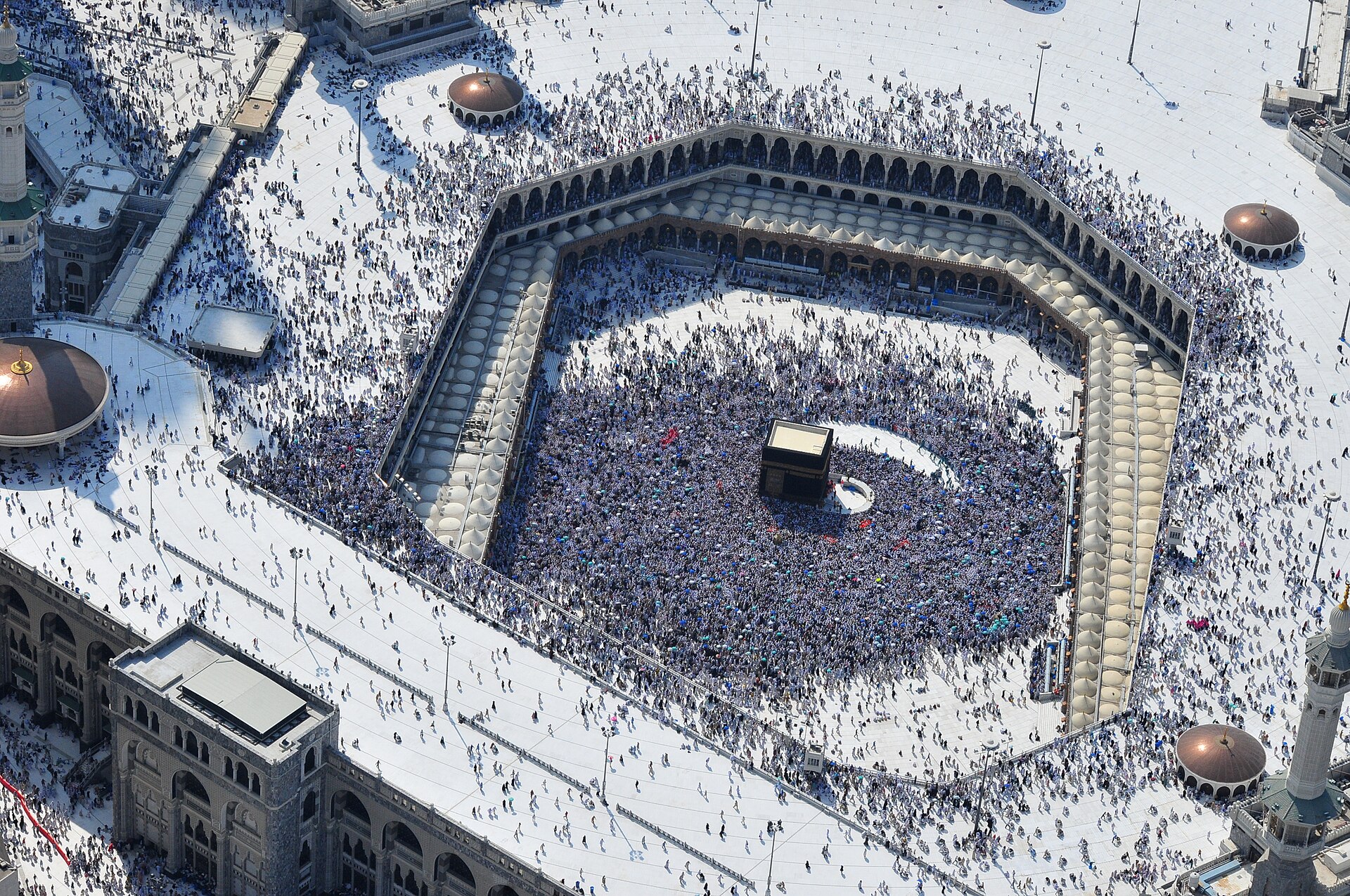
Safa and Marwah are two low hills close to the Kaaba. In Islamic tradition, Hajar, the wife of Ibrahim, ran between them seven times searching for water for her infant son Ismail, until the spring of Zamzam appeared. Pilgrims repeat her walk in the rite of sa'i during Umrah and Hajj.
The route between the hills, the Mas'a, was once an open street lined with houses and shops. It is now a long, air-conditioned gallery of several floors inside Masjid al-Haram, with the tops of the hills still visible at each end.
Face the Kaaba, make du’a and begin.
Hasten between the green lights; this is one length.
Finish at Marwah.
Complete the Umrah.
Sa'i is performed as part of Umrah or Hajj, after tawaf. Upper floors are often less crowded at peak times.
Inside Masjid al-Haram: follow the signs for the Mas'a from the mataf; Safa is near the Kaaba's eastern side.