
The fort walls and towers
Hilltop
Thick dressed-stone walls with corner towers, the core of the Ottoman-period fortification.
Open in Google Maps (opens in a new tab)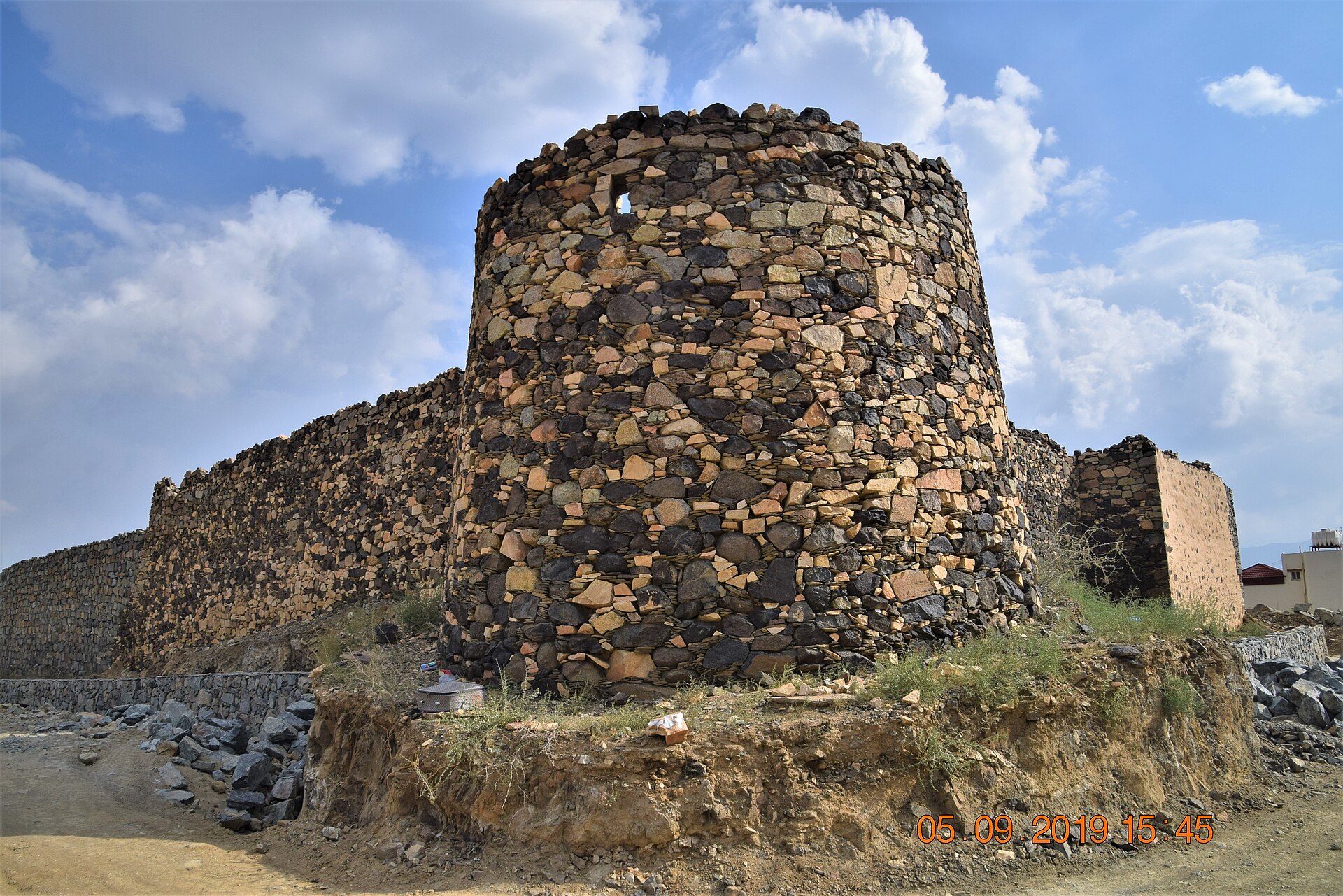
 Abha, Saudi Arabia
An Ottoman-era stone fort on a hilltop just north of Abha, with wide views over the city and the surrounding mountains.
Hilltop
Thick dressed-stone walls with corner towers, the core of the Ottoman-period fortification.
Open in Google Maps (opens in a new tab)Around the castle
Views across the city, Abha Dam lake and the surrounding green mountains — at their best after rain.
Open in Google Maps (opens in a new tab)Hilltop viewpoint
After sunset the lights of Abha and Khamis Mushait spread out below the hill.
Open in Google Maps (opens in a new tab)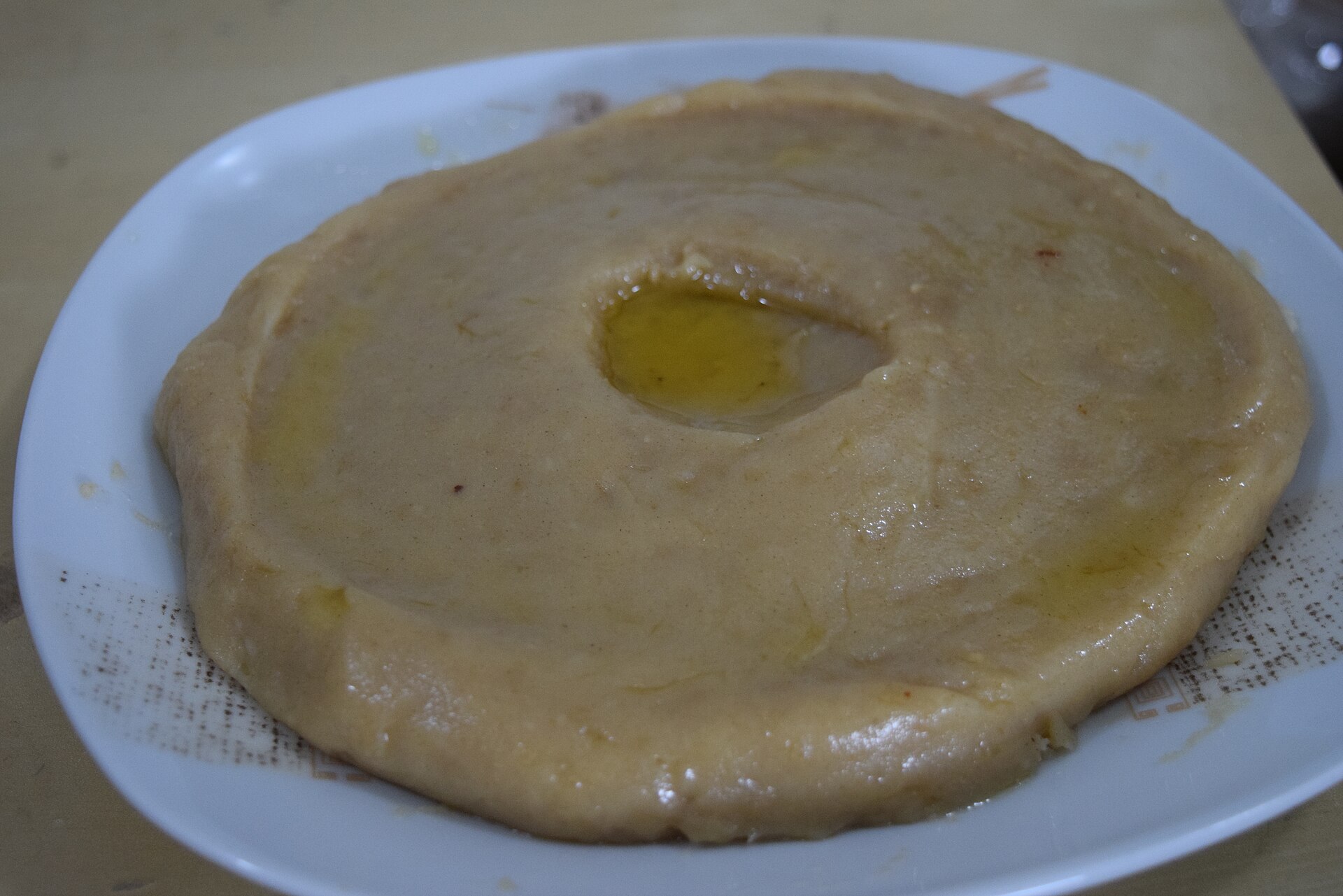
Abha, Saudi Arabia
Abha, Saudi Arabia
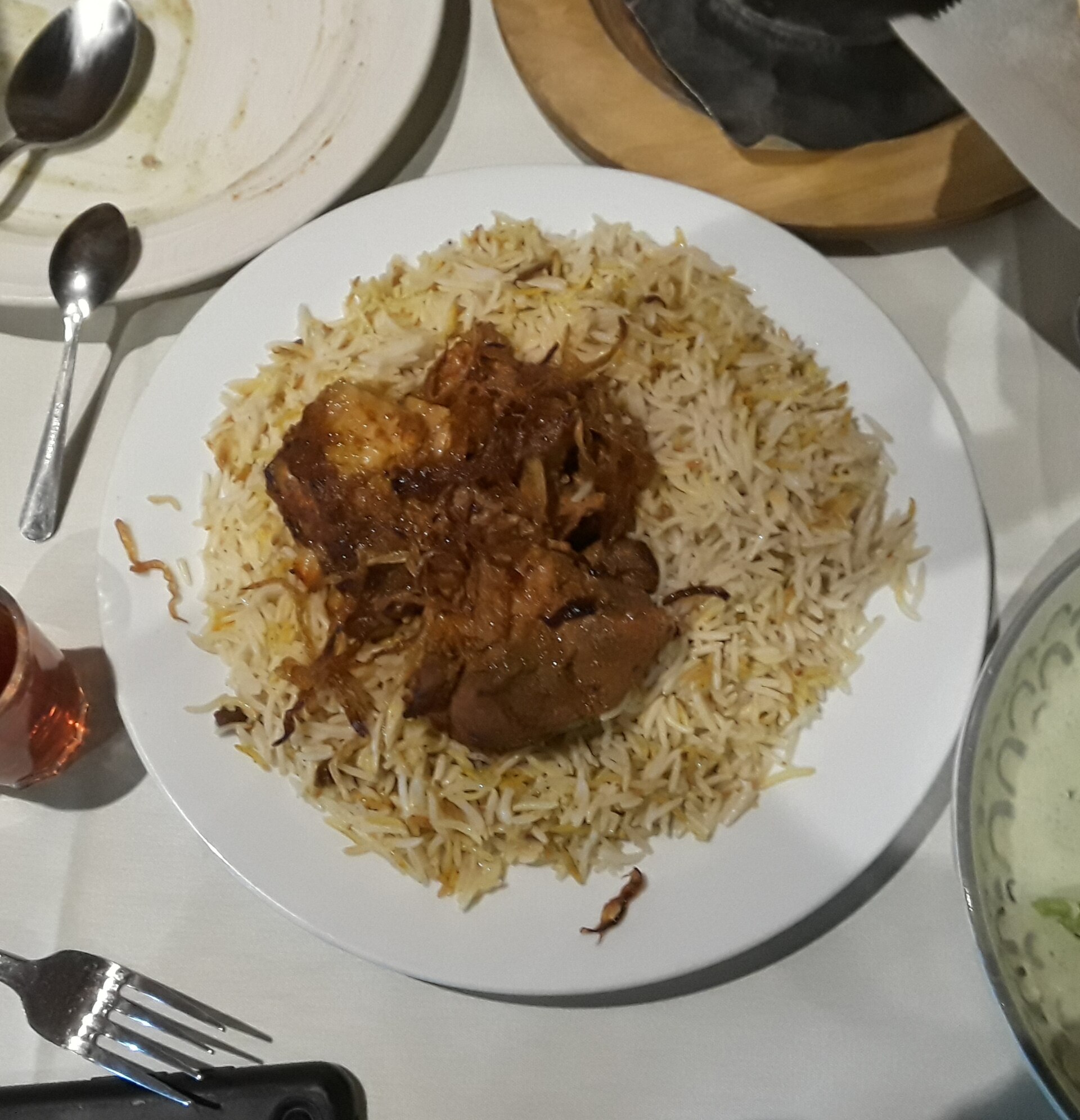
Lamb slow-roasted in a closed pit or clay oven until it falls off the bone, served over spiced rice. A dish of the southern regions, made for guests and family gatherings.
Abha, Saudi Arabia
Abu Kheyal, the Green Mountain and Al Soudah
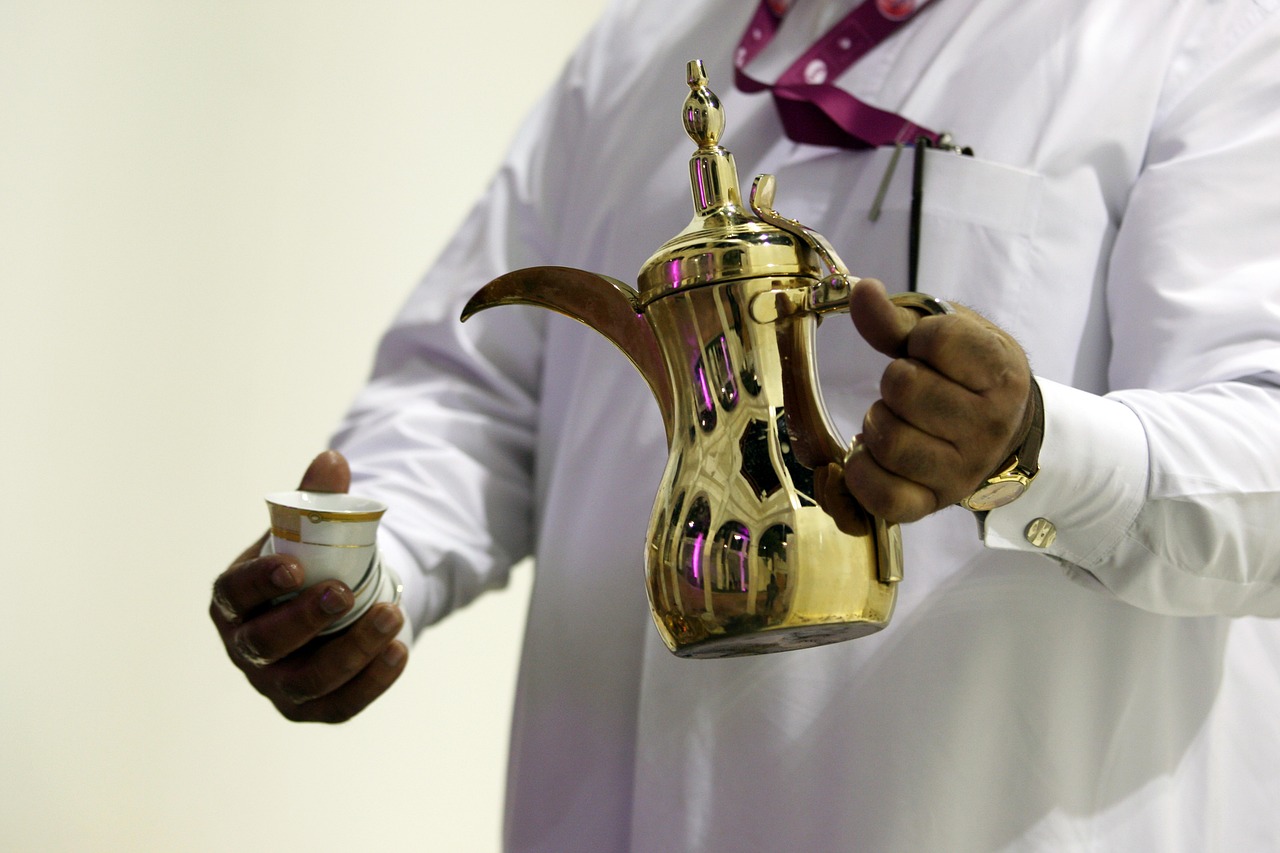
Cafés and kiosks on the hills around the city serve Saudi coffee, tea and snacks with views over Abha; busy on summer evenings when families come out for the cool air.
Open in Google Maps (opens in a new tab)Across Abha and along the Al Soudah road
Many restaurants serve areeka, haneeth and mandi in family rooms with floor seating and cushions. Ask for areeka with local honey and ghee at breakfast.
Open in Google Maps (opens in a new tab)Abha, Saudi Arabia
Hotels and furnished apartments around the city centre, close to Al Muftaha Village, the Tuesday Market and the main shopping streets. The easiest base without a car.
Open in Google Maps (opens in a new tab)Abha, Saudi Arabia
Larger hotels and resorts near the Abha Dam lake and on the hills towards Abu Kheyal and the Green Mountain, with cooler air and views over the city.
Open in Google Maps (opens in a new tab)Forts like Shamsan are a reminder of Asir's position on the borderlands between the Ottoman Hejaz, Yemen and central Arabia. Local families often come up in the evening to enjoy the breeze and the city lights.
Shamsan Castle (also called Shamsan Fort) stands on Jebel Shamsan, one of the hills that overlook Abha. It was built in the 19th century during the period of Ottoman control in Asir, when forts were placed on high ground around the town to watch the roads and the valleys below.
Its thick stone walls and corner towers are typical of the military buildings of that time. The castle has been restored as a heritage site, and its hilltop is now as much a viewpoint as a monument.
Reach Shamsan Castle soon after sunrise for clear air and soft light.
Walk around the walls and towers and take in the view over Abha.
Stop at a café in the city for Saudi coffee and dates.
Finish among the studios of the arts quarter.
Early morning or late afternoon in summer for cool air and good light; on misty days the view may disappear, so check the sky before you drive up.
The castle is on the hills just north of central Abha. Go by car, taxi or ride-hailing app; the last stretch is a hill road. There is no public transport to the top.
Expect a short walk from where cars stop, partly on uneven ground. Wear shoes with grip, especially after rain.