
Carpet and antique auctions
Open square in the souq
Late-afternoon informal auctions where carpets, antiques and household goods change hands.
Open in Google Maps (opens in a new tab)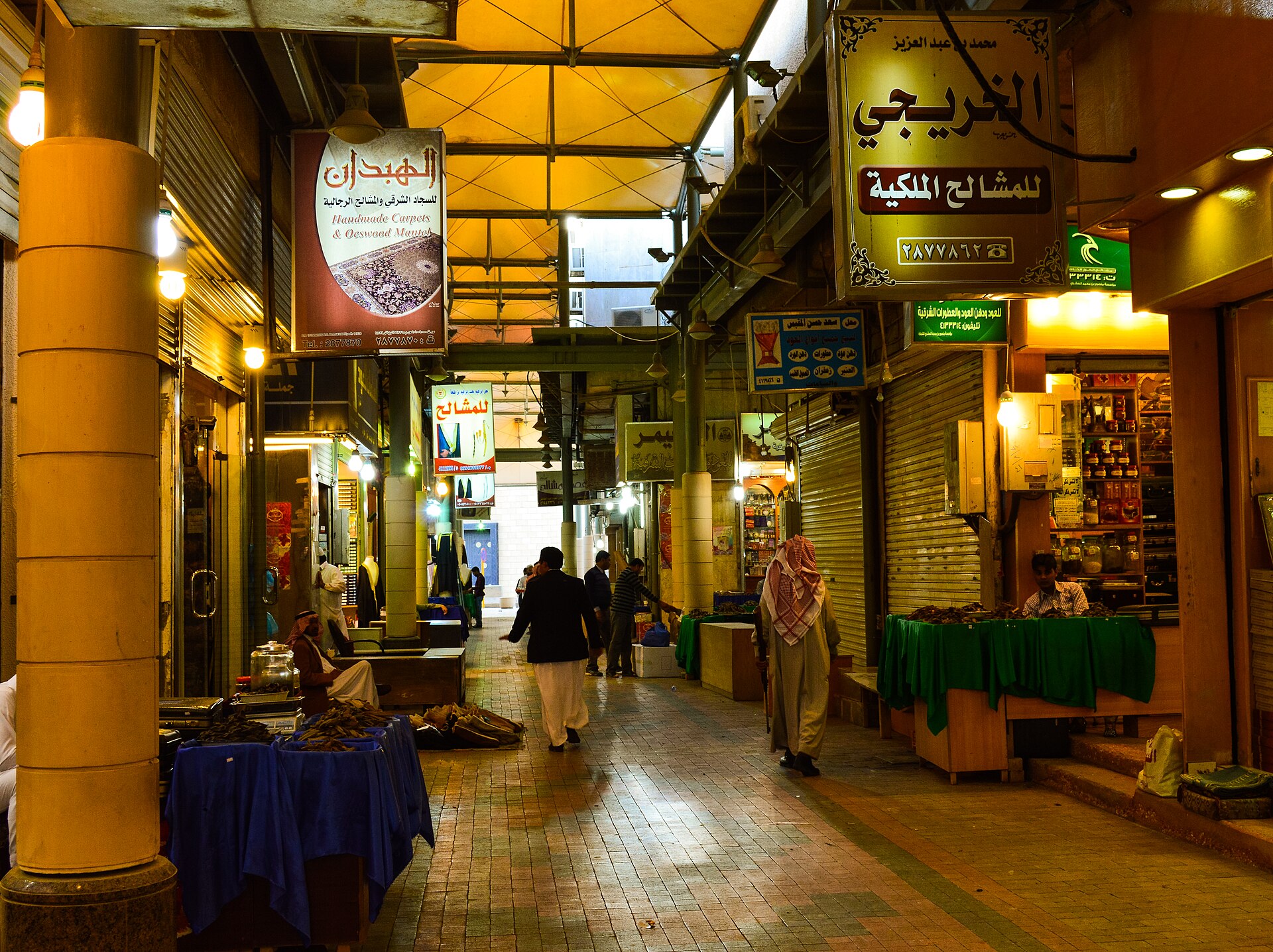
 Riyadh, Saudi Arabia
One of Riyadh's oldest markets, beside Masmak Fortress, selling carpets, bishts, incense, perfumes, daggers, antiques and traditional crafts.
Open square in the souq
Late-afternoon informal auctions where carpets, antiques and household goods change hands.
Open in Google Maps (opens in a new tab)Covered alleys
Shops selling the bisht, the gold-trimmed cloak worn for weddings and special occasions.
Open in Google Maps (opens in a new tab)Throughout the souq
Frankincense, oud wood, bakhoor and traditional perfumes.
Open in Google Maps (opens in a new tab)Throughout the souq
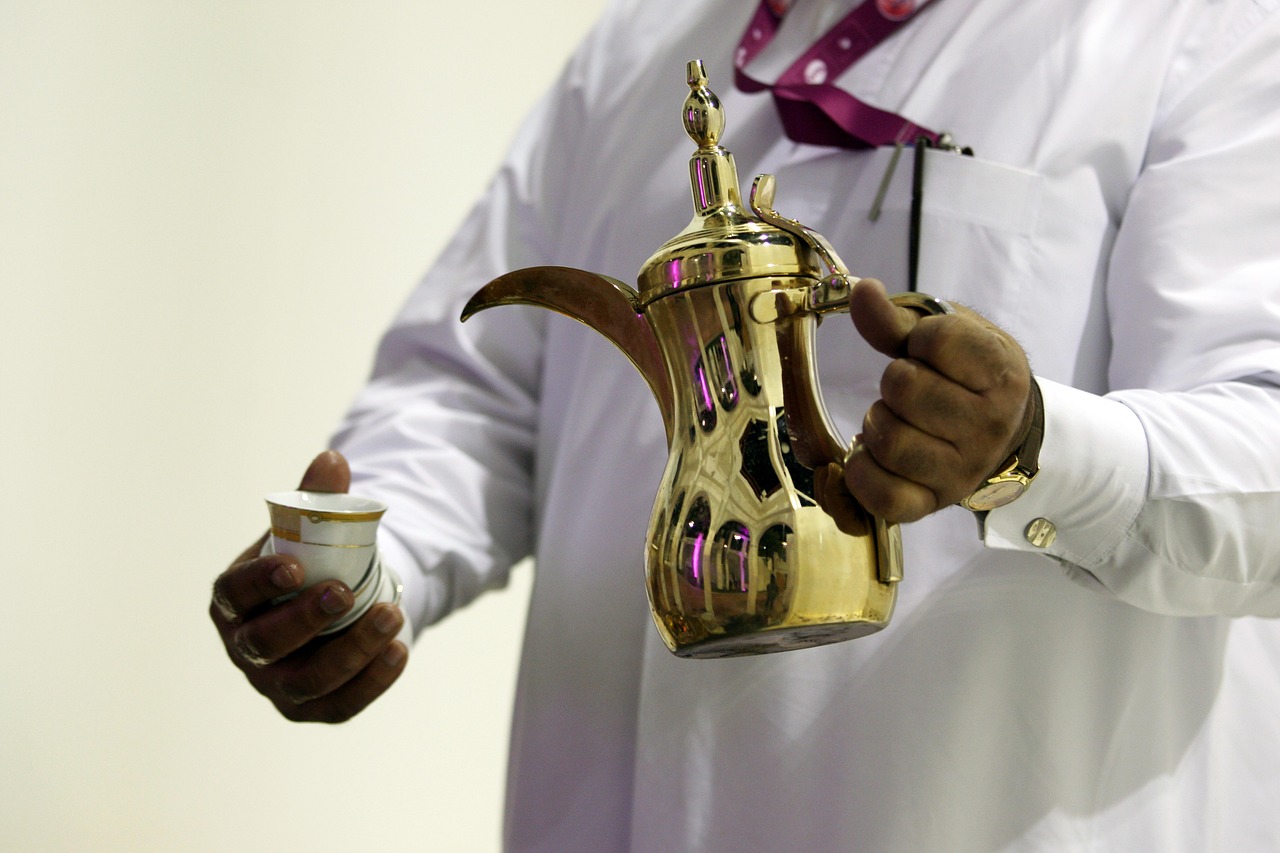
Brass coffee pots, swords, khanjars, and old radios and curiosities.
Open in Google Maps (opens in a new tab)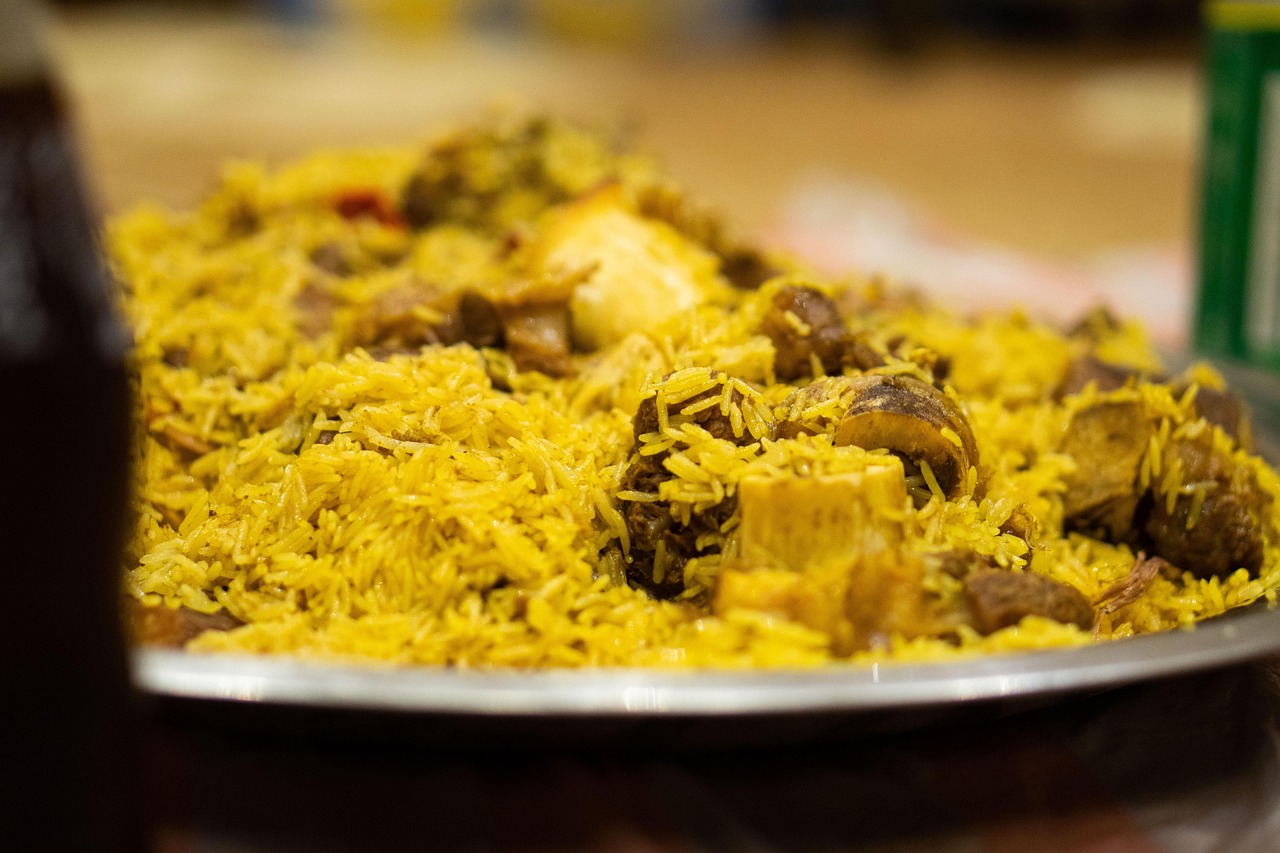
Riyadh, Saudi Arabia
Saudi Arabia's best-known dish: long-grain rice cooked with a warm spice mix, tomato and stock, piled on a large platter and topped with chicken or lamb, fried onions, nuts and raisins. Often shared from one tray.
Riyadh, Saudi Arabia
A Najdi stew of thin, hand-rolled dough sheets cooked in a tomato and vegetable broth with meat — hearty home cooking from central Arabia.
Riyadh, Saudi Arabia
Around Souq Al Zal, Masmak Fortress and Qasr Al Hokm
The old centre has simple local restaurants serving kabsa, mandi and grills, plus coffee stalls where men sit for gahwa and dates. Good value and very local.
Open in Google Maps (opens in a new tab)Olaya district, around Kingdom Centre
Riyadh's busiest dining strip: Saudi, Levantine, Turkish, Indian and international restaurants, cafés and dessert shops, open late into the night.
Open in Google Maps (opens in a new tab)Riyadh, Saudi Arabia
Closest to Masmak Fortress, Souq Al Zal and the National Museum. More local in character, with mid-range hotels and a busy evening street life.
Open in Google Maps (opens in a new tab)Riyadh, Saudi Arabia
The modern business heart of Riyadh, around Kingdom Centre and Al Faisaliah Tower: large international hotels, malls and restaurants, and the Riyadh Metro Blue Line along Olaya Street.
Open in Google Maps (opens in a new tab)The souq keeps alive old Najdi trades: men try on bishts, haggle over dallahs and swap stories over coffee. It is one of the best places in Riyadh to see everyday life in the old city.
Souq Al Zal grew in the old walled town of Riyadh, near the fort and the Grand Mosque, as a market for carpets ("zal" is a local word for rugs) and household goods. It is one of the oldest surviving markets in the city.
Today its covered alleys and courtyards still sell traditional goods: carpets and rugs, bishts (men's cloaks), swords and khanjars, brass coffee pots (dallah), incense, oud and perfumes, and secondhand antiques. In the late afternoon, sellers hold informal auctions of carpets and antiques in the open square.
See the fort before the souq gets busy.
Browse incense, bishts and antiques; watch an auction.
Coffee, dates and kabsa nearby.
October to March, from late afternoon (after Asr prayer) into the evening, when the auctions and most shops are open.
In the old centre (Al-Dirah): next to Masmak Fortress and Qasr Al Hokm. Take a taxi or ride-hailing app, or the Riyadh Metro to the old centre.