
Everyday heritage objects
Inside the museum
Household items, tools and other objects from life in the region before oil.
Open in Google Maps (opens in a new tab) Al Khobar, Saudi Arabia
A small heritage museum in Al Khobar showing objects from everyday life in the Gulf before oil — a glimpse of how the region lived a few generations ago.
Inside the museum
Household items, tools and other objects from life in the region before oil.
Open in Google Maps (opens in a new tab)Inside the museum
Examples of the clothing and handicrafts of the Gulf coast.
Open in Google Maps (opens in a new tab)Inside the museum
Glimpses of how the area looked and lived a few generations ago.
Open in Google Maps (opens in a new tab)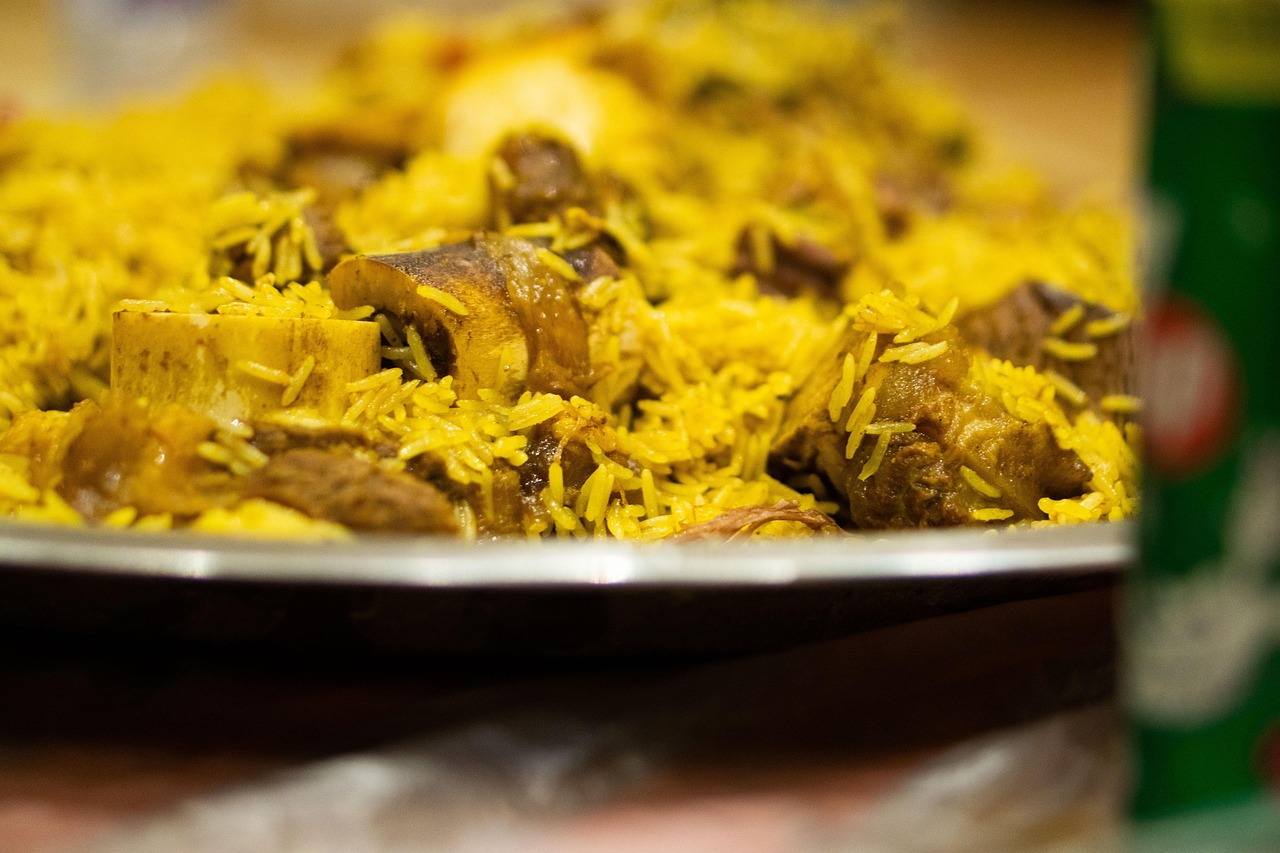
Al Khobar, Saudi Arabia
The Gulf cousin of kabsa: rice cooked with dried black lime (loomi), spices and chicken, lamb or fish. Common across the Eastern Province and the other Gulf states.
Al Khobar, Saudi Arabia
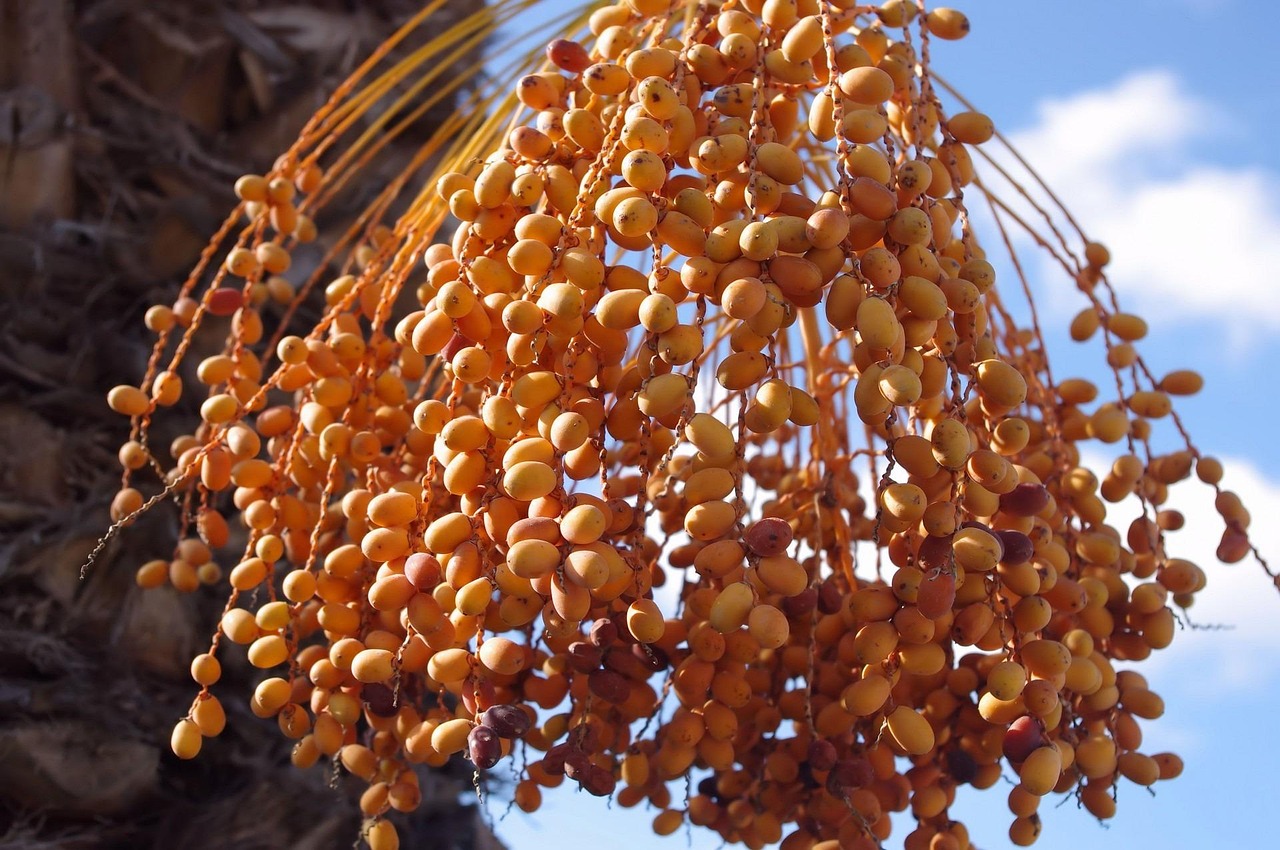
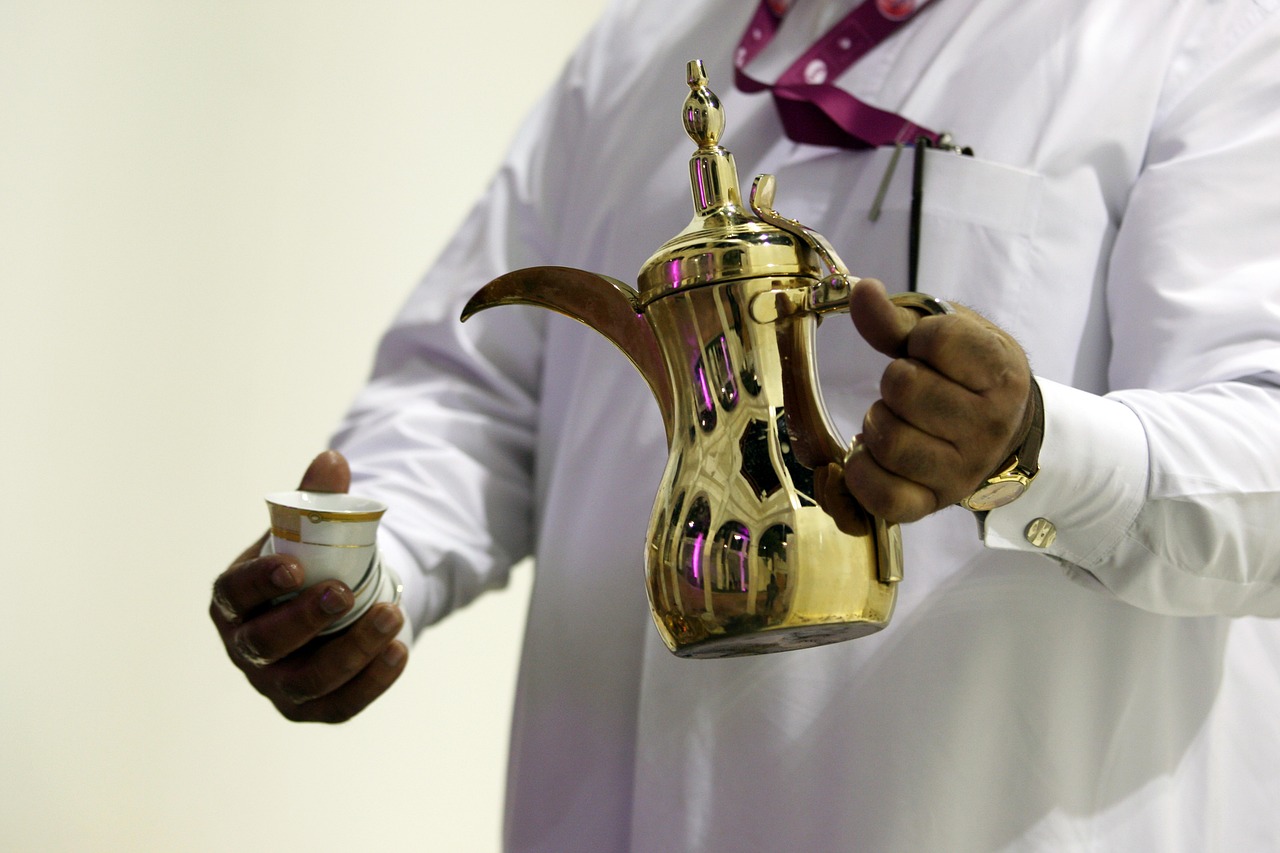
The oasis of Al-Ahsa in the Eastern Province is one of the largest date-growing areas in the world. Its khalas dates, soft and caramel-sweet, are sold in every market and served with coffee.
Al Khobar, Saudi Arabia
Facing the Al Khobar Corniche
Al Khobar's best-known restaurant and café street, running parallel to the Corniche, with Saudi, Gulf, Middle Eastern and international food and outdoor seating in the cooler months.
Open in Google Maps (opens in a new tab)Dammam and Al Khobar
Fish restaurants across the two cities serve the catch of the Gulf — hamour, shrimp and other local fish — grilled, fried or with machboos rice. Many let you choose your fish from the counter.
Open in Google Maps (opens in a new tab)Al Khobar, Saudi Arabia
Mid-range and business hotels around the older downtown streets and the Al Olaya district, close to the malls and King Fahd Road towards Dhahran.
Open in Google Maps (opens in a new tab)Al Khobar, Saudi Arabia
The liveliest place to stay in the Eastern Province: hotels facing the sea, with the Corniche, cafés and restaurants on the doorstep and the King Fahd Causeway a short drive away.
Open in Google Maps (opens in a new tab)Heritage collections are a way for Eastern Province families to remember the seafaring and pearling past of their grandparents, a way of life that disappeared within a single generation after oil.
Before the oil discoveries of the 1930s, life on this coast was built around fishing, pearling, trade and date farming. Small museums like the Taybeen Museum collect and display the objects of that time — household items, tools, clothing and other pieces that families kept.
Collections and displays in small museums can change, and opening hours may be limited, so check before you visit.
Look at the collection of everyday heritage objects.
Stop for Saudi coffee at a café nearby.
Walk to the Water Tower as the light fades.
Any time of year, as it is indoors; confirm current opening times before you go.
Take a taxi or ride-hailing app in Al Khobar; check the exact location on a map app first.
The visit is compact — allow around an hour, then combine it with the Corniche or Prince Turki Street.